
Dermalogica Invisible Physical Defense SPF30 for acne-prone skin

 Zinc Oxide
 Sodium Hyaluronate
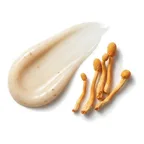 Cordyceps Sinensis Extract
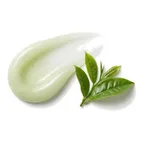 Camellia Sinensis Leaf Extract
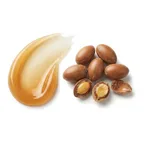 Argania Spinosa Kernel Oil
High
- HighCombination Skin Fit
- HighEffectiveness
- HighSafety
A great choice for acne-prone skin; a few sunscreens fit it even better.
This fit is calculated for the concerns frequently associated with acne-prone skin: breakouts, blackheads, and post-acne marks. For scores and recommendations based on your full skin profile, including your 12D face scan results and any goals or preferences you have, please use the Lovi app.
Updated How the Fit score works
Lovi Assistant explains
- Offers excellent UV protection for your combination skin, with zinc oxide providing anti-inflammatory and antibacterial benefits to help manage acne and breakouts. Glycerin and sodium hyaluronate offer humectant action, while argania spinosa kernel oil provides emollient benefits, making it highly suitable for your skin type.
- The inclusion of bisabolol and camellia sinensis leaf extract further soothes and calms the skin, complementing the primary ingredients.
- The product is safe for your skin, as it contains no harsh or prohibited ingredients and has a low risk of irritation.
Buy online

Prices checked 20 Nov 2026
The Lovi Fit is the same in every country; only the stores and prices differ, and the ones here are for Europe.
How to apply
- Apply this sunscreen every morning as the final step of your skincare routine. Reapply every two hours if you are outdoors for best protection against breakouts.
- Apply the sunscreen after your moisturizer and before applying any makeup. Let it absorb completely ⏱ before going outside.
- Take a nickel-sized amount and gently pat it evenly across your face and neck. Avoid rubbing aggressively to keep your combination skin calm.
- Apply the sunscreen on clean, dry skin to ensure an even protective layer. This helps manage excess shine without clogging your pores.
- Avoid the immediate eye area and do a quick patch test before first use. Stop using it if you notice any irritation and consult a specialist.
People Say
★4.5Overall rating based on 1.0k+ reviewsBased on a very large amount of data, this mineral sunscreen is highly recommended for sensitive and acne-prone skin due to its soothing properties that prevent irritation and breakouts. However, users with medium-to-deep skin tones frequently report a noticeable white or blue cast, and those with oily skin often find the finish too greasy or shiny.
Highlights
Good for sensitive skin Mostly Mentioned
- “only SPF that doesn't burn my eyes”
- “didn't cause breakouts”
- “gentle on sensitive skin”
Lightweight texture Often Mentioned
- “glides on like butter”
- “feels like a light moisturizer”
- “doesn't feel thick or cakey”
- “absorbs quickly”
Leaves white cast Often Mentioned
- “leaves a purple cast on dark skin”
- “looked like a ghost”
- “took forever to rub in”
- “definitely not invisible on tan skin”
Good protection Sometimes Noted
- “feel protected all day”
- “blocks blue light from screens”
- “great physical barrier”
- “no sunburns”
Pleasant scent Sometimes Noted
- “smells like a spa”
- “light citrus scent”
- “love the herbal fragrance”
- “no harsh sunscreen smell”
Expensive product Sometimes Noted
- “way too pricey for the size”
- “tube didn't last long”
- “too expensive for daily use”
- “not worth the money”
Greasy finish Sometimes Noted
- “looked like a disco ball”
- “too greasy for oily skin”
- “makeup slid right off”
- “felt heavy and sticky”
Strong fragrance Rarely Noted
- “smell gave me a headache”
- “scent is too strong”
- “smells like essential oils”
- “wish it was fragrance-free”
Sources: lovi.care, dermalogica.com, ulta.com, dermstore.com, sephora.co.uk, lovelyskin.com, and more
Questions and answers
What makes Dermalogica Invisible Physical Defense a great fit for acne-prone skin?
Dermalogica Invisible Physical Defense SPF30 is a great fit for acne-prone skin because zinc oxide helps calm breakouts while keeping skin protected from the sun. The formula also includes ingredients that draw in moisture and soothe the skin, and it is very unlikely to cause irritation.
Which ingredients make this sunscreen a good fit for acne-prone skin?
Zinc oxide, sodium hyaluronate, and argania spinosa kernel oil make this sunscreen a great fit because zinc oxide helps calm breakouts while the other ingredients keep acne-prone skin soft and hydrated without causing irritation.
What does Zinc Oxide do for acne-prone skin?
Zinc oxide helps calm acne-prone skin by reducing bacteria, redness, and swollen bumps. Topical treatments containing zinc oxide may safely improve skin clarity while causing fewer side effects like dryness than traditional options.
What does Hyaluronic Acid do for acne-prone skin?
Hyaluronic acid helps hydrate acne-prone skin without clogging pores and may be paired with targeted ingredients to calm breakouts and reduce redness. A product of this type for acne-prone skin needs lightweight hydration and ingredients that balance oil and soothe irritation.
Where does it go in a skincare routine for acne-prone skin?
This product is applied in the morning as the final step of your skincare routine, right after your moisturizer. Zinc oxide helps manage acne and breakouts while protecting your skin from the sun.
Can I use this cream with retinol, and in what order?
You can use this sunscreen in the morning as the final step before makeup, well after applying your evening retinol. This sunscreen provides soothing protection, and using it alongside your routine is unlikely to cause irritation.
How often should I use it?
You should use this sunscreen every morning as the final step in your daytime routine. It has a low risk of irritation and is safe for daily use on acne-prone skin.
Can this sunscreen clog pores, cause breakouts or purging for acne-prone skin?
This sunscreen is a great fit for acne-prone skin because zinc oxide helps manage breakouts while soothing ingredients calm the skin. It is unlikely to cause irritation or breakouts since it contains no harsh ingredients, though some reviewers mention a greasy finish.
What the research says
Biomimetic hyaluronic acid-stabilized zinc oxide nanoparticles selectively inhibited C. acnes, outperformed erythromycin in preclinical acne models, and safely reduced acne lesions and redness in a clinical trial.
Journal of Controlled Release, 2025Topical application of an argan oil NLC-based hydrogel formulation increased skin hydration in healthy volunteers over a one-month period through a synergistic effect of NLC occlusion and argan oil hydration.
International Journal of Nanomedicine, 2014A single application of a moisturizing fluid containing hyaluronic acid 1%, glycerin 5%, and Centella asiatica stem cells extract significantly increased skin hydration by 29% and reduced transepidermal water loss at 24 hours compared to baseline and an untreated control site in twenty healthy women.
Clinical, Cosmetic and Investigational Dermatology, 2017An anti-acne hydrogel containing Aloe barbadensis, Garcinia mangostana, and Camellia sinensis extracts showed superior antiacne and antiblotch activities compared to 1% clindamycin gel in sixty subjects with mild-moderate acne.
Clinical, Cosmetic and Investigational Dermatology, 2019Topical 0.5% hyaluronic-ZnO nanogel applied twice daily reduced inflammatory-lesion counts by 58% at week four in human subjects compared to baseline without causing erythema.
Biomedicines, 2025Daily use of a deep cleansing gel containing salicylic acid 2%, zinc gluconate 0.2% and lipohydroxy acid 0.05% significantly reduced total lesion count by 56.3% after 84 days in 35 subjects with mild to moderate truncal acne.
Clinical, Cosmetic and Investigational Dermatology, 2023Topical zinc oxide nanogels formulated using Dendrobium anosmum showed greater effectiveness against Gram-positive acne-causing bacteria compared to chemogenic nanoparticles.
Molecules, 2023Topical application of 0.1% hyaluronic acid formulations of different molecular weights led to significant improvements in skin hydration and elasticity, with low-molecular-weight formulations also significantly reducing wrinkle depth in seventy-six female subjects compared to a vehicle control.
Journal of Drugs in Dermatology, 2011Topical hyaluronic acid serum used twice daily by 40 females with facial photoaging produced an immediate 134% increase in skin hydration, a sustained 55% increase at week 6, and significant improvements in smoothness, plumping, fine lines, wrinkles, and global appearance without causing irritation.
Dermatology and Therapy, 2021A topical antioxidant serum significantly reduced air pollution-induced skin pigmentation and proinflammatory gene expression ex vivo, and improved skin aging signs in 40 healthy adult females after 90 days of daily use.
Journal of Cosmetic Dermatology, 2022Topically formulated tea polyphenols show some benefit in reducing sebum secretion and treating acne vulgaris compared to baseline or control.
Antioxidants, 2016Topical application of tannase-converted green tea extract (TGE) significantly improved skin wrinkle indices and self-assessed wrinkle reduction compared to normal green tea extract (NGE) in human subjects over 8 weeks.
Journal of Cosmetic Dermatology, 2013Topical green tea and green tea plus lotus multiple emulsions reduced casual sebum secretions compared to placebo in healthy adults, with the combined treatment producing significantly greater reductions than green tea alone over a 60-day period.
Hippokratia, 2013Incorporating allantoin into argan oil enriched liposomes improved its accumulation in the dermis (~8.7μg/cm(2)) and permeation through the skin (~33μg/cm(2)) compared to conventional liposomes, water dispersion, and a commercial gel.
International Journal of Pharmaceutics, 2016
Ingredients
Water, Zinc Oxide, Caprylic Capric Triglyceride, C12-15 Alkyl Benzoate, Dimethicone, Butyloctyl Salicylate, Butylene Glycol, Glycerin, Silica, Polyhydroxystearic Acid, Peg-10 Dimethicone, Argania Spinosa Kernel Oil, Cordyceps Sinensis Extract, Trametes Versicolor Extract, Sodium Hyaluronate, Camellia Sinensis Leaf Extract, Eucalyptus Globulus Oil Leaf, Lavandula Spica Oil Flower Lavender Oil Flower, Tocopheryl Acetate, Sodium Chloride, Stearalkonium Hectorite, Pentylene Glycol, Lauryl Peg-9 Polydimethylsiloxyethyl Dimethicone, Propanediol, Dimethicone Crosspolymer, Sodium Citrate, Propylene Carbonate, Xanthan Gum, Caprylyl Glycol, Bisabolol, Lavandula Hybrida Oil, Ethylhexylglycerin, Sodium Hydroxide, Potassium Sorbate, Sodium Benzoate, Linalool, Limonene
Behind this fit score
Lovi calculates every fit score from the full ingredient list with brand-independent rules our dermatologists and cosmetic chemists build and review, and personalizes every pick with AI trained on the real results of millions of users. Lovi trains its fit score models on a proprietary dataset built from more than 10,000 expert-labeled products and more than 100,000 simulated examples, following an internally consistent methodology presented at Cosmoprof, AMWC, and Skin of Color Update.
-

Co-founder, Medical Director
Cosmetic chemist, cosmetologist, aesthetic products developer
-

Co-founder, CEO and CTO
PhD in computer science, 3x US patent holder, ex-Google, ex-Yandex
-

Dr. Sofía Perea Pérez, MD, MSc
Medical Board
Aesthetic medicine practitioner, MSc in Longevity and Anti-Aging Medicine
-

Medical Board
Specialist dermatologist, MBBS, MD, IFAAD
-

Medical Board
Cosmetic chemist, SCS, IFSCC member
-

Medical Board, Medical Advisor
Dermatology MD
-

Elina Nazarenko, MD
Medical Board
Dermatology and diagnostic consultant
-

Victoria Derkova, MS
Medical Board
Cosmetic chemist, cosmetic development technologist


How does it fit your skin?
Scan your face, then any product: Lovi shows how well it fits you and what fits even better.