
Dermalogica Daily Glycolic Cleanser for acne-prone skin

 Glycolic Acid
 Glycerin
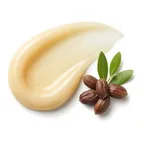 Jojoba Seed Oil
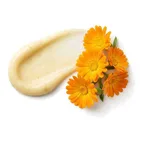 Calendula Officinalis Flower Extract
 Sodium Hyaluronate
High
- HighCombination Skin Fit
- HighEffectiveness
- ExcellentSafety
A great choice for acne-prone skin; a few cleansers fit it even better.
- Clinical, Cosmetic and Investigational Dermatology, 2019
- Clinical, Cosmetic and Investigational Dermatology, 2017
This fit is calculated for the concerns frequently associated with acne-prone skin: breakouts, blackheads, and post-acne marks. For scores and recommendations based on your full skin profile, including your 12D face scan results and any goals or preferences you have, please use the Lovi app.
Updated How the Fit score works
Lovi Assistant explains
- Offers excellent cleansing for your combination skin, as glycolic acid provides moderate exfoliation for acne and blemishes while glycerin balances oil production and hydration.
- Calendula Officinalis Flower Extract and Urea further soothe and support skin renewal, enhancing the product's benefits for your skin.
- The product is safe for your acne-prone skin, with no risks of irritation due to the absence of harsh ingredients and the presence of soothing components.
How to apply
- Could be used as part of your AM and PM routine. Start using it 3 times a week and build up to daily use if your skin tolerates it.
- This cleanser is the first step in your morning routine and the second step after your pre-cleanser in the evening. Always follow up with a toner and moisturizer .
- Gently massage a small amount of the cleanser onto your face in circular motions. Avoid harsh rubbing to keep your skin calm.
- Apply the cleanser on slightly damp skin to help it work effectively against breakouts. Rinse thoroughly with lukewarm water .
- Avoid the immediate eye area and do a patch test before your first use to check for any sensitivity.
People Say
★4.6Overall rating based on 400+ reviewsUsers consistently praise this cleanser for its ability to combat dullness and uneven texture, leaving skin noticeably brighter and smoother without the harshness often associated with glycolic products. While effective for most skin types, those with drier or sensitive skin often recommend using it once daily or every other day to avoid tightness.
Highlights
Gentle exfoliation Mostly Mentioned
- “non-stripping”
- “gentle enough for daily use”
- “doesn't irritate sensitive skin”
Brightens and adds glow Often Mentioned
- “lit from within glow”
- “undoes dullness”
- “radiant skin”
Pleasant sensory experience Sometimes Noted
- “fresh citrus scent”
- “jelly-like texture”
- “nice lather”
Smoothes skin texture Sometimes Noted
- “glass skin effect”
- “removes texture”
- “face feels completely flat/smooth”
Can be drying Sometimes Noted
- “tightness”
- “dry as a bone”
- “flaking”
High price point Sometimes Noted
- “splurge”
- “luxury side of skincare”
- “expensive”
Effective cleansing Rarely Noted
- “remove makeup well”
- “cleanse away brightness blockers”
- “squeaky clean”
Eye irritation Rarely Noted
- “avoid eye area”
- “stings”
- “burns”
Initial breakouts Rarely Noted
- “mini freak outs”
- “small breakouts”
- “purging”
Sources: lovi.care, sephora.co.uk, johnlewis.com, skinsort.com, lovelyskin.com, ulta.com, and more
Questions and answers
What makes Dermalogica Daily Glycolic Cleanser a great fit for acne-prone skin?
Dermalogica Daily Glycolic Cleanser is a great fit for acne-prone skin because glycolic acid provides moderate exfoliation for blemishes while glycerin balances oil and hydration. Calendula extract and urea help soothe the skin, and the formula is safe with no harsh ingredients.
Journal of Cosmetic Dermatology, 2022Clinical, Cosmetic and Investigational Dermatology, 2019
Which ingredients make this cleanser a good fit for acne-prone skin?
Glycolic acid provides moderate exfoliation for acne and blemishes while glycerin balances oil production and hydration. Calendula officinalis flower extract and urea further soothe and support skin renewal to help keep acne-prone skin calm and smooth.
Journal of Cosmetic Dermatology, 2022Clinical, Cosmetic and Investigational Dermatology, 2019
What does Glycolic Acid do for acne-prone skin?
Glycolic acid helps clear acne-prone skin by reducing pimples, blackheads, and whiteheads while keeping the skin smooth. It may also calm breakouts and lower acne-causing bacteria on the face.
What does Glycerin do for acne-prone skin?
Glycerin helps acne-prone skin by keeping it calm and comfortable while you use strong breakout treatments. It protects your skin barrier against irritation and dryness so your face stays smooth and happy.
Where does this cleanser go in a skincare routine for acne-prone skin?
This cleanser is used in both the morning and evening routines for acne-prone skin, followed by toner, moisturizer, and sunscreen in the morning, or a makeup remover, toner, treatment, and moisturizer in the evening. It is gentle on acne-prone skin and unlikely to cause irritation.
Can I use this cleanser with retinol, and in what order?
You can use this cleanser with retinol by using the cleanser first and applying retinol afterward, provided your skin is already used to it. Because this cleanser exfoliates your skin, using both together may cause extra dryness or irritation if you are just starting out.
How often should I use this cleanser?
You can use this cleanser daily, starting just once a week and slowly increasing frequency if your skin tolerates it well. Glycolic acid provides moderate exfoliation to help with acne and blemishes while glycerin balances oil production.
Can this cleanser clog pores, cause breakouts or purging for acne-prone skin?
This cleanser is a great fit for your acne-prone skin because glycolic acid helps clear blemishes while glycerin balances oil and moisture. It is unlikely to cause irritation or breakouts, as soothing ingredients like calendula and urea support your skin.
Journal of Cosmetic Dermatology, 2022Forschende Komplementarmedizin, 2012
Can I use this cleanser around the eyes or on my body?
This cleanser provides great cleaning and is safe for use on the body, but it is best to avoid the very thin skin directly around the eyes. Glycolic acid and jojoba seed oil help clear blemishes and smooth skin, while calendula extract calms irritation.
Surgical and Radiologic Anatomy, 2002Journal of Cosmetic Dermatology, 2022
What the research says
Glycolic acid, salicylic acid, gluconolactone, and licochalcone A combined with 0.1% adapalene showed no hindrance compared to adapalene monotherapy and provided benefits in reducing complications in 25 subjects with mild-to-moderate acne vulgaris.
Clinical, Cosmetic and Investigational Dermatology, 2019A single application of a moisturizing fluid containing hyaluronic acid 1%, glycerin 5%, and Centella asiatica stem cells extract significantly increased skin hydration by 29% and reduced transepidermal water loss at 24 hours compared to baseline and an untreated control site in twenty healthy women.
Clinical, Cosmetic and Investigational Dermatology, 2017A facial serum containing snail secretion filtrate, Calendula officinalis, and Glycyrrhiza glabra root extract significantly reduced inflammatory acne lesions compared to placebo in 66 participants with mild-to-moderate maskne over 12 weeks.
Journal of Cosmetic Dermatology, 2022Clay jojoba oil facial masks reduced total skin lesions by a mean of 54% after 6 weeks in 133 participants with acne-prone, lesioned skin and mild acne compared to baseline.
Forschende Komplementarmedizin, 2012Topical application of jojoba wax reduced LPS-induced secretion of IL-6, IL-8, and TNFα by approximately 30% and increased the synthesis of pro-collagen III and hyaluronic acid compared to untreated skin in an ex-vivo human skin organ culture model.
Frontiers in Pharmacology, 2024Serial glycolic acid peels combined with a modified Kligman formula significantly reduced facial PIH severity in Indian patients compared to the modified Kligman formula alone.
Dermatologic Surgery, 2017Short contact therapy with a tretinoin, clindamycin, and glycolic acid gel significantly improved skin tolerability and reduced acne severity scores compared to standard application therapy in patients with mild-to-moderate acne.
Dermatologic Therapy, 2021The emollient V0034CR significantly reduced TEWL compared to vehicle and vehicle plus glycerol, and significantly increased corneometry scores compared to vehicle and vehicle plus petrolatum in healthy volunteers with dry skin, demonstrating combined barrier function improvement from petrolatum and hydration improvement from glycerol.
Journal of Cosmetic Dermatology, 2020Ten days of treatment with a cream containing 20% glycerin significantly increased skin hydration measured by corneometer values in 17 healthy volunteers compared to a placebo cream, but showed no influence on transepidermal water loss or skin sensitivity to an irritating surfactant.
International Journal of Cosmetic Science, 2001Niacinamide/glycerin body moisturizers provided better rapid and prolonged improvement of cosmetic xerosis through functional improvement of stratum corneum barrier function compared to no treatment and conventional moisturizers in female subjects.
Journal of Drugs in Dermatology, 2012Topical formulations containing 3.75% glycerol and 1.25% hydrolyzed jojoba esters produced significantly lower evaporative TEWL values compared to glycerol alone at 8 and 24 hours posttreatment in human subjects.
Journal of Cosmetic Dermatology, 2008Topical application of 1.0% Lactobacillus ferment from jojoba cake significantly increased skin collagen fluorescence compared to baseline and placebo cream over 56 days in 46 individuals.
International Journal of Cosmetic Science, 2026Topical application of jojoba, almond, paraffin, and petrolatum oils on human skin increases free water and transforms water toward a weakly hydrogen-bonded state in the uppermost stratum corneum.
International Journal of Cosmetic Science, 2020Topical application of Calendula officinalis extract cream significantly improved skin hydration and firmness (reflected in significant changes in R0 and R6 parameters) in 21 healthy human volunteers compared to a base cream.
Acta Poloniae Pharmaceutica, 2011Calendula officinalis extracts stimulated proliferation and migration of Swiss 3T3 albino mouse fibroblasts at low concentrations by enhancing cell numbers up to 70.53%, outperforming Matricaria recutita extracts and Hypericum oil.
Journal of Ethnopharmacology, 2009Geranium and Calendula essential oil-loaded ethanolic lipid vesicular creams exhibited notable antioxidant capacity, sun protection factor values of 10.26 and 18.54, and collagenase and elastase inhibition capacity compared to nonvesicular creams.
BioMed Research International, 2021Topical application of 0.1% hyaluronic acid formulations of different molecular weights led to significant improvements in skin hydration and elasticity, with low-molecular-weight formulations also significantly reducing wrinkle depth in seventy-six female subjects compared to a vehicle control.
Journal of Drugs in Dermatology, 2011Topical hyaluronic acid serum used twice daily by 40 females with facial photoaging produced an immediate 134% increase in skin hydration, a sustained 55% increase at week 6, and significant improvements in smoothness, plumping, fine lines, wrinkles, and global appearance without causing irritation.
Dermatology and Therapy, 2021A topical antioxidant serum significantly reduced air pollution-induced skin pigmentation and proinflammatory gene expression ex vivo, and improved skin aging signs in 40 healthy adult females after 90 days of daily use.
Journal of Cosmetic Dermatology, 2022
Ingredients
Water, Cocamidopropyl Hydroxysultaine, Glycolic Acid, Glycerin, Peg-6 Cocamide, Polyacrylate Crosspolymer-6, Disodium Cocoyl Glutamate, Hydroxyacetophenone, Succinoglycan, Jojoba Seed Oil, Calendula Officinalis Flower Extract, Citrus Aurantium Dulcis Peel Oil, Grapefruit Peel Oil, Leuconostoc Radish Root Ferment Filtrate, Urea, Allantoin, Polyquaternium-51, Trehalose, Caprylyl Glycol, Sodium Hyaluronate, Tocopherol, Hydrogenated Palm Glycerides Citrate, Glyceryl Oleate, Coconut Acid, 1,2-Hexanediol, T-Butyl Alcohol, Coco-Glucoside, Sodium Pca, Sodium Chloride, Sodium Hydroxide, Citric Acid, Potassium Sorbate, Sodium Benzoate, Limonene
Behind this fit score
Lovi calculates every fit score from the full ingredient list with brand-independent rules our dermatologists and cosmetic chemists build and review, and personalizes every pick with AI trained on the real results of millions of users. Lovi trains its fit score models on a proprietary dataset built from more than 10,000 expert-labeled products and more than 100,000 simulated examples, following an internally consistent methodology presented at Cosmoprof, AMWC, and Skin of Color Update.
-

Co-founder, Medical Director
Cosmetic chemist, cosmetologist, aesthetic products developer
-

Co-founder, CEO and CTO
PhD in computer science, 3x US patent holder, ex-Google, ex-Yandex
-

Dr. Sofía Perea Pérez, MD, MSc
Medical Board
Aesthetic medicine practitioner, MSc in Longevity and Anti-Aging Medicine
-

Medical Board
Specialist dermatologist, MBBS, MD, IFAAD
-

Medical Board
Cosmetic chemist, SCS, IFSCC member
-

Medical Board, Medical Advisor
Dermatology MD
-

Elina Nazarenko, MD
Medical Board
Dermatology and diagnostic consultant
-

Victoria Derkova, MS
Medical Board
Cosmetic chemist, cosmetic development technologist


How does it fit your skin?
Scan your face, then any product: Lovi shows how well it fits you and what fits even better.