
Derma E Hydrating Gentle Cleanser for oily skin

 Sodium Hyaluronate
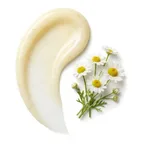 Chamomile
 Vitamin E
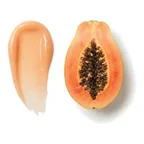 Carica Papaya Extract
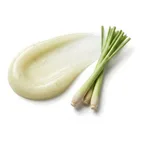 Lemongrass Extract
Average
- AverageOily Skin Fit
- AverageEffectiveness
- ExcellentSafety
Works for oily skin; other cleansers fit it better.
This fit is calculated for the concerns frequently associated with oily skin: shine, enlarged pores, blackheads, and blemishes. For scores and recommendations based on your full skin profile, including your 12D face scan results and any goals or preferences you have, please use the Lovi app.
Updated How the Fit score works
Lovi Assistant explains
- Offers moderate suitability for your oily skin as Sodium Hyaluronate and Panthenol Vitamin B5 provide humectant action to hydrate and soothe without exacerbating oiliness.
- The cleanser effectively removes impurities and excess oil with Sodium Methyl Cocoyl Taurate and Cocamidopropyl Betaine, supporting your concern for oily shine.
- The safety profile is excellent, with no risks of irritation due to the absence of harsh ingredients and the inclusion of soothing components like Panthenol Vitamin B5 and Vitamin E.
How to apply
- Use your cleanser AM and PM every day to keep your skin fresh. Always make sure to follow with a good SPF in the morning.
- Apply your cleanser as the first step in the morning or the second step in the evening before your toner.
- Gently massage a small amount onto your face using circular motions, then rinse well with water .
- You can apply this cleanser safely on damp skin for a refreshing and easy wash.
- Avoid getting the product directly into your eyes and stop use if irritation occurs.
Questions and answers
How well does the Derma-E Hydrating Gentle Cleanser work for oily skin?
Derma-E Hydrating Gentle Cleanser works reasonably well for oily skin, removing excess oil and hydrating with sodium hyaluronate and panthenol without making your face greasy. It has an excellent safety profile and is unlikely to cause irritation. Cleansers of this type for oily skin need ingredients like niacinamide, ceramides, salicylic acid, and probiotics to better manage shine and support skin health.
American Journal of Clinical Dermatology, 2002The Journal of Dermatological Treatment, 2017
Which ingredients make this cleanser a good fit for oily skin?
Sodium hyaluronate and panthenol vitamin B5 make this cleanser a good fit for oily skin by hydrating and soothing without making it more oily. To work best for oily skin, a cleanser of this type needs ingredients like niacinamide, ceramides, glycerin, salicylic acid, and probiotics to manage shine and support skin health.
American Journal of Clinical Dermatology, 2002The Journal of Dermatological Treatment, 2017
What does Hyaluronic Acid do for oily skin?
Hyaluronic acid helps calm oily skin by lowering sebum production and decreasing oil synthesis in the glands. It may also help keep the skin barrier strong while keeping the face feeling balanced.
The Journal of Investigative Dermatology, 2017Journal of Cosmetic Dermatology, 2022
What does Chamomile do for oily skin?
Chamomile helps calm oily and sensitive skin by soothing redness and reducing irritation. Its natural anti-inflammatory properties mean it is unlikely to clog pores while helping keep skin balanced.
Journal of Drugs in Dermatology, 2008Electronic Physician, 2016
Where does this cleanser go in a skincare routine for oily skin?
This cleanser fits in both your morning and evening routine to wash away excess oil and impurities. It is unlikely to cause irritation thanks to its soothing ingredients, but an oily skin routine also needs a lightweight hydrator and sunscreen during the day.
Can I use this cleanser with retinol, and in what order?
You can use this cleanser in your routine alongside retinol, applying the cleanser first to remove impurities before following with your retinol treatment. This cleanser is unlikely to irritate your skin because it is free of harsh ingredients and includes soothing components like vitamin E and panthenol. However, oily skin of this type needs a cleanser with oil-balancing ingredients and lightweight hydrators to better control shine while keeping the face clean and balanced.
American Journal of Clinical Dermatology, 2002The Journal of Dermatological Treatment, 2017
How often should I use this cleanser?
You can use this cleanser twice a day as part of your morning and evening routine. Its mild formula cleans away excess oil while keeping your skin calm, making it a safe choice for daily use.
Can this cleanser clog pores, cause breakouts or purging for oily skin?
This cleanser is unlikely to clog pores or cause breakouts because its formula features gentle cleansers that wash away excess oil and soothing ingredients like Panthenol Vitamin B5 and Vitamin E that keep skin calm without heavy oils. Oily skin often does best with cleansers that deeply clarify pores and balance oil production while providing lightweight hydration.
American Journal of Clinical Dermatology, 2002The Journal of Dermatological Treatment, 2017
Can I use this cleanser around the eyes or on my body?
You can use this cleanser on your body, but you should be cautious around the eyes since facial cleansers may occasionally cause stinging if they get into them. A product of this type needs soothing ingredients like chamomile and vitamin E, along with gentle cleansing agents, to safely wash delicate and body skin without causing irritation.
Is this cleanser fragrance-free and alcohol-free?
Yes, it has no fragrance and no drying alcohol.
What the research says
Topical dexpanthenol acts as a moisturizer, improves stratum corneum hydration, accelerates wound healing and epidermal regeneration, reduces erythema, and improves symptoms of skin irritation compared to vehicle or no pretreatment.
American Journal of Clinical Dermatology, 2002A new topical panthenol-containing emollient significantly improved transepidermal water loss reduction, stratum corneum hydration, and intercellular lipid lamellae length compared with control in healthy subjects without negatively impacting bacterial viability.
The Journal of Dermatological Treatment, 2017Topical application of tocopherol succinate ethosomal gel decreased erythema, melanin, and sebum levels while improving moisture content and skin elasticity in 34 human women.
Journal of Cosmetic Dermatology, 2024Alpha-tocopherol loaded nanostructured lipid carrier gel provided enhanced moisturizing and anti-aging properties in human volunteers over 12 weeks.
Journal of Cosmetic Dermatology, 2020Topical application of 0.1% hyaluronic acid formulations of different molecular weights led to significant improvements in skin hydration and elasticity, with low-molecular-weight formulations also significantly reducing wrinkle depth in seventy-six female subjects compared to a vehicle control.
Journal of Drugs in Dermatology, 2011Topical hyaluronic acid serum used twice daily by 40 females with facial photoaging produced an immediate 134% increase in skin hydration, a sustained 55% increase at week 6, and significant improvements in smoothness, plumping, fine lines, wrinkles, and global appearance without causing irritation.
Dermatology and Therapy, 2021A topical antioxidant serum significantly reduced air pollution-induced skin pigmentation and proinflammatory gene expression ex vivo, and improved skin aging signs in 40 healthy adult females after 90 days of daily use.
Journal of Cosmetic Dermatology, 2022A topical serum containing vitamin C, vitamin E, and raspberry leaf cell culture extract improved skin color, elasticity, radiance, smoothness, scaliness, and wrinkles compared to the untreated contralateral side in fifty female volunteers.
Journal of Cosmetic Dermatology, 2020A nighttime topical antioxidant containing resveratrol, baicalin, and vitamin E significantly improved fine lines, wrinkles, firmness, elasticity, laxity, hyperpigmentation, radiance, roughness, and dermal thickness in subjects with mild to moderately photodamaged skin over 12 weeks.
Journal of Drugs in Dermatology, 2014Tocopherol succinate-loaded ethosomal gel increased skin deposition, stability, moisture, and mechanical properties in 13 human subjects compared to a control gel over 12 weeks.
Journal of Cosmetic Dermatology, 2022Topical papain treatment may slightly decrease pain within 30 minutes in humans stung by Chrysaora chinensis compared to placebo.
Wilderness & Environmental Medicine, 2016A fixed combination of hydroxypinacolone retinoate, retinol glycospheres, and papain glycospheres in aqueous gel applied once daily for 12 weeks achieved a 41% mean reduction in GAGS score and a 40.8% mean reduction in total lesions, with 15.3% of patients experiencing mild to moderate local side effects, in 94 evaluable patients with comedonal-papular, mild to moderate acne of the face.
Giornale Italiano Di Dermatologia E Venereologia, 2015Reflux extraction of Carica papaya leaves yielded higher antioxidant capacity and superior in vitro wound-healing activities including fibroblast proliferation, cell migration, and collagen synthesis in human skin fibroblasts compared to ultrasonic-assisted extraction and agitation.
Molecules, 2020Topical essential oil of Cymbopogon citratus achieved a 60% mycological cure rate after 40 days in patients with pityriasis versicolor compared to over 80% for 2% ketoconazole.
Anais Brasileiros de Dermatologia, 2013A topical emulgel formulation containing lemongrass essential oil and olive oil showed good stability, a moderate SPF value of 5.5, and significant improvements in cooling effect, odor, smoothness, and moisture in 20 volunteers.
Journal of Cosmetic Science, 2021Lemon grass essential oil demonstrated in vitro antifungal activity against pathogenic yeasts and filamentous fungi alongside in vivo topical and oral anti-inflammatory effects in animal models.
The Libyan Journal of Medicine, 2014
Ingredients
Water, Sodium Methyl Cocoyl Taurate, Cocamidopropyl Hydroxysultaine, Cocamidopropyl Betaine, Disodium Laureth Sulfosuccinate, Glyceryl Laurate, Sodium Hyaluronate, Panthenol Vitamin B5, Tocopheryl Acetate Vitamin E, Retinyl Palmitate Vitamin A, Cymbopogon Schoenanthus Extract Lemongrass Extract, Equisetum Arvense Extract, Carica Papaya Fruit Extract, Chamomilla Recutita Flower Extract Matricaria Flower Extract, Allantoin, Potassium Sorbate, Phenoxyethanol, Ethylhexylglycerin, Oils
Behind this fit score
Lovi calculates every fit score from the full ingredient list with brand-independent rules our dermatologists and cosmetic chemists build and review, and personalizes every pick with AI trained on the real results of millions of users. Lovi trains its fit score models on a proprietary dataset built from more than 10,000 expert-labeled products and more than 100,000 simulated examples, following an internally consistent methodology presented at Cosmoprof, AMWC, and Skin of Color Update.
-

Co-founder, Medical Director
Cosmetic chemist, cosmetologist, aesthetic products developer
-

Co-founder, CEO and CTO
PhD in computer science, 3x US patent holder, ex-Google, ex-Yandex
-

Dr. Sofía Perea Pérez, MD, MSc
Medical Board
Aesthetic medicine practitioner, MSc in Longevity and Anti-Aging Medicine
-

Medical Board
Specialist dermatologist, MBBS, MD, IFAAD
-

Medical Board
Cosmetic chemist, SCS, IFSCC member
-

Medical Board, Medical Advisor
Dermatology MD
-

Elina Nazarenko, MD
Medical Board
Dermatology and diagnostic consultant
-

Victoria Derkova, MS
Medical Board
Cosmetic chemist, cosmetic development technologist


How does it fit your skin?
Scan your face, then any product: Lovi shows how well it fits you and what fits even better.