
Dear, Klairs All-day Airy Sunscreen for skin with dark spots

 Niacinamide
 Aloe Barbadensis Leaf Extract
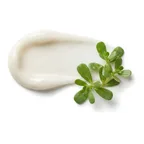 Portulaca Oleracea Extract
 Panthenol
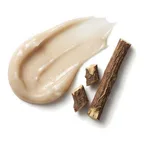 Dipotassium Glycyrrhizate
Superior
- SuperiorNormal Skin Fit
- SuperiorEffectiveness
- ExcellentSafety
One of the best sunscreens for skin with dark spots.
This fit is calculated for the concerns frequently associated with dark spots: hyperpigmentation, sun spots, and uneven skin tone. For scores and recommendations based on your full skin profile, including your 12D face scan results and any goals or preferences you have, please use the Lovi app.
Updated How the Fit score works
Lovi Assistant explains
- Excellent suitability for your normal skin is provided by niacinamide and glycerin, which offer humectant action and barrier repair, while also targeting pigmentation with niacinamide and dipotassium glycyrrhizate for brightening and soothing effects.
- Diethylamino hydroxybenzoyl hexyl benzoate and ethylhexyl triazone offer excellent protection against UV rays, ensuring comprehensive sun protection.
- The safety profile is excellent, with no risks of irritation due to the absence of harsh ingredients and the presence of soothing components like niacinamide and panthenol.
Buy online

Prices checked 20 Nov 2026
The Lovi Fit is the same in every country; only the stores and prices differ, and the ones here are for Europe.
How to apply
- Apply your AM sunscreen as the final step of your morning skincare routine. Reapply every two hours when exposed to direct sunlight.
- Apply after your moisturizer and before applying any makeup. Make sure it is the very last step of your daytime skin care routine.
- Gently spread a generous amount evenly across your face and neck. Avoid rubbing too harshly to keep the protective layer even.
- Apply on completely dry skin after your moisturizer has fully absorbed. This ensures the protective barrier sits evenly on your face.
- Avoid direct contact with your eyes. Do a patch test before your first full application to ensure no irritation occurs.
People Say
★3.8Overall rating based on 200+ reviewsUsers with dry to normal skin appreciate this chemical sunscreen for its moisturizing, lotion-like texture that provides a clear finish and can replace a daily moisturizer. However, users with oily or acne-prone skin frequently report a heavy, greasy finish and pilling issues when the product is touched or layered.
Highlights
Moisturizing Texture Mostly Mentioned
- “skips moisturizer step”
- “hydrating formula”
- “lotion-like feel”
- “dewy glow”
No White Cast Often Mentioned
- “clear finish”
- “invisible on skin”
- “transparent application”
- “no chalky residue”
Greasy Finish Often Mentioned
- “too shiny”
- “oily residue”
- “heavy for summer”
- “not matte”
Pilling Issues Often Mentioned
- “balls up”
- “rolls off skin”
- “pills with touching”
- “incompatible with skincare”
Good Under Makeup Sometimes Noted
- “acts as primer”
- “smooth base”
- “grips foundation”
- “no patchiness”
Non-Irritating Sometimes Noted
- “gentle on sensitive skin”
- “no breakouts”
- “soothing ingredients”
- “comfortable wear”
Unpleasant Scent Sometimes Noted
- “plastic smell”
- “chemical odor”
- “strong artificial fragrance”
- “rubbery scent”
Eye Irritation Rarely Noted
- “stings eyes”
- “causes tearing”
- “burns sensitive eyes”
- “eye watering”
Sources: lovi.care, skinsort.com, hwahae.co.kr, wishtrend.com, yesstyle.com, youtube.com, and more
Questions and answers
What makes Dear, Klairs All-day Airy Sunscreen one of the best fits for skin with dark spots?
This sunscreen is a great fit because it uses niacinamide and dipotassium glycyrrhizate to brighten dark spots and soothe your skin, alongside glycerin to keep it hydrated. It also provides strong UV protection to help prevent new dark spots from forming.
The British Journal of Dermatology, 2002Journal of Cosmetic Dermatology, 2026
Which ingredients make this sunscreen a good fit for skin with dark spots?
Niacinamide and dipotassium glycyrrhizate make this sunscreen a great fit because they target dark spots with brightening and soothing effects. Niacinamide significantly helps decrease hyperpigmentation and increases skin lightness.
The British Journal of Dermatology, 2002Journal of Cosmetic Dermatology, 2026
What does Niacinamide do for skin with dark spots?
Niacinamide helps fade dark spots and uneven pigmentation while making skin brighter and more even in tone. It works by blocking the transfer of pigment to surface skin cells, and studies show it is well tolerated and reduces visible spots within weeks.
What does Aloe Vera Leaf Extract do for skin with dark spots?
Aloe vera leaf extract helps fade dark spots and uneven areas by slowing down the pigment production in your skin. Using it may also lead to a brighter, more even skin tone over time.
Where does this sunscreen go in a skincare routine for skin with dark spots?
This sunscreen goes as the last step in your morning skincare routine, right after your moisturizer. It provides strong UV protection while using ingredients like niacinamide to help fade dark spots and keep your skin calm.
Can I use this sunscreen with retinol, and in what order?
You can use this sunscreen in the morning as the final step of your skincare routine after your moisturizer, and apply your retinol at night. Using a sunscreen helps protect your skin while addressing dark spots, which is especially important when using retinol.
How often should I use this sunscreen?
You should use this sunscreen every morning as the final step of your daytime skincare routine to protect your skin from UV rays. Reapplying it throughout the day helps maintain effective sun protection.
Can this sunscreen clog pores, cause breakouts or purging for skin with dark spots?
This sunscreen is unlikely to cause clogged pores or breakouts for skin with dark spots because it has an excellent safety profile without harsh ingredients. Soothing components like niacinamide and panthenol help keep the skin calm.
The British Journal of Dermatology, 2002Journal of Cosmetic Dermatology, 2026
Is this sunscreen fragrance-free and alcohol-free?
Yes, it has no fragrance and no drying alcohol. Stearyl alcohol and cetearyl alcohol are fatty alcohols, which soften the skin.
What the research says
Niacinamide significantly decreased hyperpigmentation and increased skin lightness compared with vehicle alone after 4 weeks of use in women by inhibiting melanosome transfer.
The British Journal of Dermatology, 2002A single application of a moisturizing fluid containing hyaluronic acid 1%, glycerin 5%, and Centella asiatica stem cells extract significantly increased skin hydration by 29% and reduced transepidermal water loss at 24 hours compared to baseline and an untreated control site in twenty healthy women.
Clinical, Cosmetic and Investigational Dermatology, 2017A topical formulation containing panthenol, niacinamide, and dipotassium glycyrrhizate increased skin hydration by 74.1% and reduced transepidermal water loss by 13.5% at 28 days compared to baseline and untreated control in 35 individuals with xerosis.
Journal of Cosmetic Dermatology, 2026Topical dexpanthenol acts as a moisturizer, improves stratum corneum hydration, accelerates wound healing and epidermal regeneration, reduces erythema, and improves symptoms of skin irritation compared to vehicle or no pretreatment.
American Journal of Clinical Dermatology, 2002Topical treatment of nicotinamide, alone or in combination with other active ingredients, reduces the progression of skin aging and hyperpigmentation in clinical trials while being well tolerated.
Antioxidants, 2021Topical nicotinamide prevented solar-simulated UV-induced immunosuppression in healthy volunteers, and men experienced immunosuppression at solar-simulated UV doses three times lower than those required for women.
The Journal of Investigative Dermatology, 2008Topical 5% niacinamide applied twice daily for 12 weeks reduced fine lines and wrinkles, hyperpigmented spots, red blotchiness, and skin sallowness, and improved skin elasticity compared to vehicle control in 50 female white subjects with facial photoaging.
Dermatologic Surgery, 2005Topical 2% niacinamide significantly decreased sebum excretion rate in Japanese individuals and casual sebum levels in Caucasian individuals compared to placebo or baseline.
Journal of Cosmetic and Laser Therapy, 2006A cream combining propolis, tea tree oil, and Aloe vera reduced erythema scars, acne severity index, and total lesion count better than erythromycin cream in sixty patients with mild to moderate acne vulgaris compared to placebo.
Clinical Pharmacology, 2018Formulations containing 0.10%, 0.25%, and 0.50% freeze-dried Aloe vera extract increased stratum corneum water content compared with the vehicle in 20 female subjects, while transepidermal water loss was not modified.
Skin Research and Technology, 2006Kombucha-mediated fermentation of aloe vera gel for 10 and 20 days enhanced its phenolic and flavonoid content, antioxidant capacity, cytoprotective effects, enzyme inhibition against collagenase, elastase, and hyaluronidase, and moisturizing properties compared to unfermented gel.
Molecules, 2025Facial masks containing low-temperature extracted Portulaca oleracea protect sensitive skin from photothermal stimulation and improve skin barrier function during photorejuvenation.
Cutaneous and Ocular Toxicology, 2025Oleracone C attenuates UVB-induced photoaging in human keratinocytes by reducing intracellular ROS and MMP expression while restoring type I procollagen production through MAPK and TGF-beta/Smad pathways.
International Journal of Cosmetic Science, 2023Solvent-partitioned fractions and isolated homoisoflavonoids from Portulaca oleracea L. suppressed ROS generation, activated antioxidant enzymes via the Nrf-2 pathway, down-regulated MMPs, and increased type I procollagen production in UVB-stressed human keratinocytes.
Journal of Food Biochemistry, 2019Topical dexpanthenol formulated in lipophilic vehicles improved stratum corneum hydration and reduced transepidermal water loss compared to vehicle control in humans.
Arzneimittel-Forschung, 2000A combination serum containing galactomyces ferment filtrate, dexpanthenol, and Centella asiatica effectively treated post-acne hyperpigmentation in subjects with colored skin by significantly increasing lightness scores in Fitzpatrick skin type V and reducing the melanin index in Fitzpatrick skin type IV compared to placebo.
Skinmed, 2021A cream containing panthenol, prebiotics, and probiotic lysate improved facial sensitive skin symptoms and skin barrier function in 110 participants over 28 days.
Skin Research and Technology, 2024Combining 755 nm alexandrite laser with topical licorice gel significantly reduces terminal hair counts compared to alexandrite laser with placebo in women with idiopathic hirsutism.
Evidence-based Complementary and Alternative Medicine, 2015Licochalcone A activated Nrf2 signaling, elevated cytoprotective enzymes, increased the reduced-to-oxidized glutathione ratio, and decreased reactive oxygen species in human fibroblasts and neutrophils, while a LicA-rich licorice extract lowered UVA-induced oxidative processes in vivo.
Experimental Dermatology, 2015Mesoporous silica nanoparticles entrapping licorice polysaccharide and coated with polydopamine showed 76% entrapment efficiency, 89% in vitro release at pH 5, increased sebocytes' cellular uptake, and mediated inflammatory response by inhibiting pro-inflammatory cytokines and regulating anti-inflammatory cytokines.
Carbohydrate Polymers, 2024
Ingredients
Water, Dibutyl Adipate, Butyloctyl Salicylate, Diethylamino Hydroxybenzoyl Hexyl Benzoate, Polysilicone-15, C12-15 Alkyl Benzoate, Ethylhexyl Triazone, Bis-Ethylhexyloxyphenol Methoxyphenyl Triazine, Polymethylsilsesquioxane, Glycerin, Niacinamide, Polyglyceryl-6 Stearate, Cetearyl Olivate, Microcrystalline Cellulose, Panthenol, Silica, Sorbitan Olivate, Dipropylene Glycol, Hydroxyacetophenone, Poly C10-30 Alkyl Acrylate, Polyglyceryl-6 Behenate, Allantoin, Caprylyl Glycol, Stearyl Alcohol, Glyceryl Stearate, Acrylates C10-30 Alkyl Acrylate Crosspolymer, Tromethamine, Adenosine, Cetearyl Alcohol, Disodium Edta, Butylene Glycol, Portulaca Oleracea Extract, Aloe Barbadensis Leaf Extract, Dioscorea Japonica Root Extract, Laminaria Japonica Extract, Viola Mandshurica Flower Extract, Ulmus Davidiana Root Extract, Dipotassium Glycyrrhizate, Lepidium Meyenii Root Extract, 1,2-Hexanediol, Lycium Chinense Fruit Extract, Strawberry Fruit Extract, Berberis Vulgaris Extract, Morus Nigra Fruit Extract
Behind this fit score
Lovi calculates every fit score from the full ingredient list with brand-independent rules our dermatologists and cosmetic chemists build and review, and personalizes every pick with AI trained on the real results of millions of users. Lovi trains its fit score models on a proprietary dataset built from more than 10,000 expert-labeled products and more than 100,000 simulated examples, following an internally consistent methodology presented at Cosmoprof, AMWC, and Skin of Color Update.
-

Co-founder, Medical Director
Cosmetic chemist, cosmetologist, aesthetic products developer
-

Co-founder, CEO and CTO
PhD in computer science, 3x US patent holder, ex-Google, ex-Yandex
-

Dr. Sofía Perea Pérez, MD, MSc
Medical Board
Aesthetic medicine practitioner, MSc in Longevity and Anti-Aging Medicine
-

Medical Board
Specialist dermatologist, MBBS, MD, IFAAD
-

Medical Board
Cosmetic chemist, SCS, IFSCC member
-

Medical Board, Medical Advisor
Dermatology MD
-

Elina Nazarenko, MD
Medical Board
Dermatology and diagnostic consultant
-

Victoria Derkova, MS
Medical Board
Cosmetic chemist, cosmetic development technologist


How does it fit your skin?
Scan your face, then any product: Lovi shows how well it fits you and what fits even better.