
d'Alba UV Essence Waterfull+ for combination skin

 Niacinamide
 Zinc Oxide
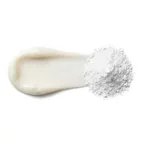 Titanium Dioxide
 Hyaluronic Acid
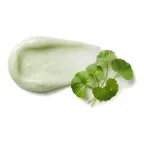 Centella Asiatica Extract
High
- HighCombination Skin Fit
- HighEffectiveness
- HighSafety
One of the best sunscreens for combination skin.
This fit is calculated for the concerns frequently associated with combination skin: an oily T-zone, enlarged pores, and dry cheeks. For scores and recommendations based on your full skin profile, including your 12D face scan results and any goals or preferences you have, please use the Lovi app.
Updated How the Fit score works
Lovi Assistant explains
- Highly suitable for your combination skin, this product's niacinamide and zinc oxide help control sebum and minimize pores, addressing your oily shine concerns.
- Glycerin and hyaluronic acid provide excellent moisturization, while ethylhexyl methoxycinnamate, titanium dioxide, and zinc oxide offer robust UV protection, ensuring balanced hydration and sun defense.
- The formula is safe for your combination skin, with no risks of irritation due to the absence of prohibited or harsh ingredients.
Buy online

Prices checked 20 Nov 2026
The Lovi Fit is the same in every country; only the stores and prices differ, and the ones here are for Europe.
How to apply
- Apply this moisturizing sunscreen AM daily to protect your skin and control shine. Reapply as needed throughout the day.
- Use it as the final step of your morning routine after applying your moisturizer. It combines hydration and sun protection in one.
- Gently smooth a nickel-sized amount evenly over your face, avoiding harsh rubbing. Let it absorb fully before putting on makeup.
- Apply it directly to clean, dry skin for the best oil-controlling finish. Ensure your face is completely dry so the product sets properly.
- Avoid the immediate eye area during application. Do a patch test before your first use to check for any sensitivity.
People Say
★4.7Overall rating based on 1.2k+ reviewsBased on a very large amount of data, users with dry to combination skin highly praise this chemical sunscreen for its lightweight, serum-like texture that absorbs quickly without leaving a white cast, often doubling as a moisturizer and makeup primer. While it provides a radiant, "glass skin" finish that many love, those with oily skin sometimes find it too shiny or greasy, and a moderate number of users report stinging eyes or sensitivity to its citrus fragrance.
Highlights
Lightweight watery texture Mostly Mentioned
- “melts into skin like butter”
- “feels like a light serum”
- “spreads effortlessly with zero stickiness”
- “essence-like consistency”
No white cast Mostly Mentioned
- “completely transparent”
- “no white cast on dark skin”
- “disappears immediately”
- “clear finish”
Beautiful glowy finish Often Mentioned
- “gives a healthy glass skin look”
- “radiant but not oily”
- “dewy finish”
- “makes skin look expensive”
Excellent makeup base Often Mentioned
- “foundation sits perfectly on top”
- “no pilling under makeup”
- “acts like a gripping primer”
- “makeup looks smoother”
Hydrating and moisturizing Often Mentioned
- “skip my morning moisturizer”
- “keeps skin juicy all day”
- “nourishing for dry patches”
- “feels like a drink of water for skin”
Stings eyes Sometimes Noted
- “burns if it gets near eyes”
- “eyes watered for hours”
- “have to avoid eye area”
- “stings when sweating”
Too greasy Sometimes Noted
- “looked like a greaseball by noon”
- “too heavy for summer”
- “not for oily skin”
- “shiny film that doesn't set”
Pricey for size Rarely Noted
- “expensive for a small tube”
- “wish it came in a bigger bottle”
- “price point is high for daily use”
Strong fragrance Rarely Noted
- “smells like citrus cleaning product”
- “scent is overpowering”
- “irritated my sensitive nose”
- “lingering floral smell”
Sources: lovi.care, iherb.com, oliveyoung.com, stylekorean.com, yesstyle.com, femaledaily.com, and more
Questions and answers
What makes d'Alba UV Essence Waterfull+ a great fit for combination skin?
This product is a great fit for your combination skin because niacinamide and zinc oxide help control oily shine and minimize pores. Glycerin and hyaluronic acid keep your skin balanced and soft with lasting moisture, while mineral and chemical filters provide reliable sun protection without causing irritation.
Which ingredients make this cream a good fit for combination skin?
Niacinamide and zinc oxide make this cream a good fit by helping control oily shine and minimize pores. Glycerin and hyaluronic acid add balanced moisture, while mineral sunscreens and ethylhexyl methoxycinnamate provide robust UV protection without irritation.
What does Niacinamide do for combination skin?
Niacinamide helps balance combination skin by managing oil in shiny areas while keeping dry patches soft and smooth. It may also calm redness, fade dark spots, and smooth out fine lines.
The British Journal of Dermatology, 2002Journal of Cosmetic and Laser Therapy, 2006
What does Zinc Oxide do for combination skin?
Zinc oxide helps calm redness and balances oily areas while protecting against irritation, making it a good fit for combination skin. To work best on combination skin, this type of product needs soothing ingredients and lightweight moisture that will not clog pores in oily zones or dry out sensitive patches.
Where does this cream go in a skincare routine for combination skin?
This cream goes last in your morning routine as your sunscreen step, right after your moisturizer. It provides balanced hydration while protecting your skin from the sun.
Can I use this cream with retinol, and in what order?
Yes, you can use this cream with retinol by applying your retinol treatment first in your evening routine, followed by this moisturizer and sunscreen in the morning. This gentle combination is unlikely to cause irritation and helps keep your skin balanced.
How often should I use this cream?
This moisturizing SPF fits well in your morning routine as the final sun protection step. Daily application helps keep your combination skin hydrated and shielded from the sun while managing oily shine.
Journal of Cosmetic Dermatology, 2020Health Science Reports, 2021
Can this cream clog pores, cause breakouts or purging for combination skin?
This cream is unlikely to clog pores or cause breakouts on combination skin because its ingredients help control oil and balance hydration without using harsh components. Studies show that similar sunscreens with these UV filters do not negatively affect skin bacteria linked to breakouts.
Is this cream fragrance-free and alcohol-free?
Yes, it has no fragrance and no drying alcohol.
What the research says
A single application of a moisturizing fluid containing hyaluronic acid 1%, glycerin 5%, and Centella asiatica stem cells extract significantly increased skin hydration by 29% and reduced transepidermal water loss at 24 hours compared to baseline and an untreated control site in twenty healthy women.
Clinical, Cosmetic and Investigational Dermatology, 2017Multilamellar liposomes containing octyl methoxycinnamate increased stratum corneum accumulation and reduced deeper skin penetration compared to conventional emulsions and small unilamellar liposomes in six volunteers, resulting in a slightly better sun protection factor.
Journal of Cosmetic Science, 2008Replacing microsized titanium dioxide and zinc oxide with nanoparticles in sunscreens eliminates opaqueness and alters UV protection balance while inducing (photo)cyto- and genotoxicity and penetrating viable skin layers during long-term exposures.
Nanotechnology, Science and Applications, 2011The application of a sunscreen formulation containing ethylhexyl methoxycinnamate, ethylhexyl salicylate, methyl anthranilate, and octocrylene does not significantly affect critical acne-related species such as Cutibacterium acnes and Staphylococcus epidermidis, refuting the induction of facial dysbiosis in men.
Archives of Dermatological Research, 2024Topical nicotinamide prevented solar-simulated UV-induced immunosuppression in healthy volunteers, and men experienced immunosuppression at solar-simulated UV doses three times lower than those required for women.
The Journal of Investigative Dermatology, 2008Topical 5% niacinamide applied twice daily for 12 weeks reduced fine lines and wrinkles, hyperpigmented spots, red blotchiness, and skin sallowness, and improved skin elasticity compared to vehicle control in 50 female white subjects with facial photoaging.
Dermatologic Surgery, 2005Topical 2% niacinamide significantly decreased sebum excretion rate in Japanese individuals and casual sebum levels in Caucasian individuals compared to placebo or baseline.
Journal of Cosmetic and Laser Therapy, 2006Topical 0.5% hyaluronic-ZnO nanogel applied twice daily reduced inflammatory-lesion counts by 58% at week four in human subjects compared to baseline without causing erythema.
Biomedicines, 2025Daily use of a deep cleansing gel containing salicylic acid 2%, zinc gluconate 0.2% and lipohydroxy acid 0.05% significantly reduced total lesion count by 56.3% after 84 days in 35 subjects with mild to moderate truncal acne.
Clinical, Cosmetic and Investigational Dermatology, 2023Topical zinc oxide nanogels formulated using Dendrobium anosmum showed greater effectiveness against Gram-positive acne-causing bacteria compared to chemogenic nanoparticles.
Molecules, 2023Microfine titanium dioxide does not penetrate human skin when formulated in an oil-in-water emulsion with the pigment dispersed in the aqueous phase, compared to oily dispersions and liposomal encapsulation which allow deeper skin penetration.
International Journal of Cosmetic Science, 2000Hyaluronic acid-grafted titanium dioxide nanoparticles increased SPF from 13.3 to 19.1 while demonstrating low photocatalytic activity, exceptional thermal stability with >95% SPF retention, enhanced moisturization with >80% hydration retention, and minimal cytotoxicity with 88.5% cell viability in HaCaT keratinocytes compared to unmodified nanoparticles.
International Journal of Biological Macromolecules, 2025Co-exposure to titanium dioxide nanoparticles exerted an antagonistic effect on zinc oxide nanoparticle-induced cytotoxicity and DNA damage in human keratinocytes and a reconstructed human epidermis model by restricting cellular uptake and decreasing zinc ion dissociation.
Nanomaterials, 2022Topical application of 0.1% hyaluronic acid formulations of different molecular weights led to significant improvements in skin hydration and elasticity, with low-molecular-weight formulations also significantly reducing wrinkle depth in seventy-six female subjects compared to a vehicle control.
Journal of Drugs in Dermatology, 2011Topical hyaluronic acid serum used twice daily by 40 females with facial photoaging produced an immediate 134% increase in skin hydration, a sustained 55% increase at week 6, and significant improvements in smoothness, plumping, fine lines, wrinkles, and global appearance without causing irritation.
Dermatology and Therapy, 2021A topical antioxidant serum significantly reduced air pollution-induced skin pigmentation and proinflammatory gene expression ex vivo, and improved skin aging signs in 40 healthy adult females after 90 days of daily use.
Journal of Cosmetic Dermatology, 2022Topical treatment with 5% vitamin C and 0.1% madecassoside significantly improved clinical scores for wrinkles, suppleness, firmness, roughness, and skin hydration, along with functional and structural remodeling of the elastic fiber network in 20 female volunteers with photoaged skin after 6 months compared to baseline.
Experimental Dermatology, 2008Treatment with an asiaticoside-containing cream applied twice daily for 12 weeks significantly improved periorbital wrinkles in 65% of 27 female volunteers compared to a vehicle control cream.
International Journal of Cosmetic Science, 2008A combination serum containing galactomyces ferment filtrate, dexpanthenol, and Centella asiatica effectively treated post-acne hyperpigmentation in subjects with colored skin by significantly increasing lightness scores in Fitzpatrick skin type V and reducing the melanin index in Fitzpatrick skin type IV compared to placebo.
Skinmed, 2021
Ingredients
Water, Glycerin, Ethylhexyl Methoxycinnamate, Butylene Glycol, Niacinamide, Titanium Dioxide, Zinc Oxide, Cyclopentasiloxane, Cyclohexasiloxane, Caprylyl Methicone, Dimethicone, Hyaluronic Acid, Tocopheryl Acetate, Adenosine, Centella Asiatica Extract, Chamomilla Recutita Flower Extract, Camellia Sinensis Leaf Extract, Rosmarinus Officinalis Leaf Extract, Lavandula Angustifolia Oil, Bergamot Oil, Lemon Peel Oil, Pelargonium Graveolens Oil, Sodium Polyacrylate, Polysorbate 60, Stearic Acid, Alumina, Triethoxycaprylylsilane, Disodium Edta, Phenoxyethanol
Behind this fit score
Lovi calculates every fit score from the full ingredient list with brand-independent rules our dermatologists and cosmetic chemists build and review, and personalizes every pick with AI trained on the real results of millions of users. Lovi trains its fit score models on a proprietary dataset built from more than 10,000 expert-labeled products and more than 100,000 simulated examples, following an internally consistent methodology presented at Cosmoprof, AMWC, and Skin of Color Update.
-

Co-founder, Medical Director
Cosmetic chemist, cosmetologist, aesthetic products developer
-

Co-founder, CEO and CTO
PhD in computer science, 3x US patent holder, ex-Google, ex-Yandex
-

Dr. Sofía Perea Pérez, MD, MSc
Medical Board
Aesthetic medicine practitioner, MSc in Longevity and Anti-Aging Medicine
-

Medical Board
Specialist dermatologist, MBBS, MD, IFAAD
-

Medical Board
Cosmetic chemist, SCS, IFSCC member
-

Medical Board, Medical Advisor
Dermatology MD
-

Elina Nazarenko, MD
Medical Board
Dermatology and diagnostic consultant
-

Victoria Derkova, MS
Medical Board
Cosmetic chemist, cosmetic development technologist


How does it fit your skin?
Scan your face, then any product: Lovi shows how well it fits you and what fits even better.