
COSRX The Retinol 0.3 Cream for combination skin

 Retinol
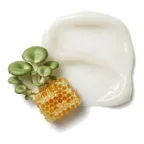 Panthenol
 Vitamin E
 Sodium Hyaluronate
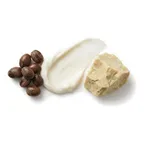 Shea Butter
Average
- AverageCombination Skin Fit
- AverageEffectiveness
- HighSafety
Works for combination skin; other serums fit it better.
This fit is calculated for the concerns frequently associated with combination skin: an oily T-zone, enlarged pores, and dry cheeks. For scores and recommendations based on your full skin profile, including your 12D face scan results and any goals or preferences you have, please use the Lovi app.
Updated How the Fit score works
Lovi Assistant explains
- Offers moderate suitability for your combination skin, as retinol and adenosine work to reduce wrinkles and smooth skin texture, while glycerin and shea butter provide hydration to support your oily shine. Retinol helps regulate desquamation, but the formula may not fully address oiliness on your T-zone.
- The product is safe for your combination skin, with no risks of irritation due to the absence of prohibited or harsh ingredients.
- It provides general skincare benefits like hydration and soothing, which are supportive for combination skin.
Buy online

Prices checked 20 Nov 2026
The Lovi Fit is the same in every country; only the stores and prices differ, and the ones here are for Europe.
How to apply
- Use your serum as part of your PM routine. Start using it 3 times a week and move to daily use if your skin likes it.
- Apply the serum after cleansing and toner, and right before your moisturizer.
- Gently press 2-3 drops of the serum into your skin and wait a minute ⏳for it to soak in.
- Apply the serum on clean and dry skin since your skin is not sensitive.
- Always do a patch test before using the serum for the first time, and avoid the eye area .
People Say
★4.6Overall rating based on 500+ reviewsUsers with aging, acne-prone, and textured skin report visible improvements in skin smoothness and firmness, often noting a "glass skin" effect after consistent use. While highly effective for diminishing fine lines and clearing pores, the product requires a careful adjustment period to avoid common side effects like purging, peeling, and dryness.
Highlights
Effective anti-aging Mostly Mentioned
- “Laugh lines literally gone in a month”
- “skin feels noticeably fresher and refined”
- “definitely benefited my aging skin”
Improves skin texture Often Mentioned
- “Skin feels smooth and refined”
- “pores are smaller”
- “glass skin definitely coming together”
Defective packaging Often Mentioned
- “Tube keeps tearing”
- “cap won't stay on properly”
- “product keeps pushing out”
Gentle potency Sometimes Noted
- “My sensitive skin found a retinol”
- “gentle yet effective”
- “didn't have any irritation issues”
Lightweight consistency Sometimes Noted
- “Lightweight and not greasy at all”
- “absorbs well without heavy irritation”
- “lovely lemon butter color”
Initial irritation Sometimes Noted
- “Experienced peeling during the day”
- “slight tingling sensation”
- “skin can peel and flake”
Unpleasant scent Sometimes Noted
- “Has a metallic smell”
- “smelly but great results”
- “fragrance is a bit off-putting”
Small quantity Rarely Noted
- “Price is quite high for small size”
- “little product”
- “getting to the bottom becomes inconvenient”
Sources: lovi.care, iherb.com, yesstyle.com, stylekorean.com, lyko.com, embeskin.com, and more
Questions and answers
How well does COSRX Retinol 0.3 Cream work for combination skin?
This cream works moderately well for combination skin, as retinol and adenosine smooth skin texture while glycerin and shea butter hydrate to support your oily shine, though it may not fully address oiliness on your T-zone. Treatments that fit this skin better need ingredients like niacinamide, propolis, and zinc PCA to regulate oiliness and enhance radiance without excess oiliness.
Which ingredients make this cream a good fit for combination skin?
Retinol and adenosine help smooth skin texture and reduce wrinkles, while glycerin and shea butter provide hydration to support your oily shine. However, combination skin needs ingredients like niacinamide, propolis, and zinc PCA to regulate oiliness and enhance radiance without excess oil.
What does Retinol do for combination skin?
Retinol helps combination skin by smoothing out rough patches, softening fine lines, and keeping the skin looking firm and even. It may cause mild dryness or flaking at first, but with regular use it supports a balanced and healthy skin barrier.
International Journal of Molecular Sciences, 2026Frontiers in Microbiology, 2025
What does Panthenol do for combination skin?
Panthenol helps balance combination skin by boosting moisture in dry areas while regulating oil and calming redness across the face. It supports the skin barrier so your face feels soft, smooth, and comfortable.
The Journal of Dermatological Treatment, 2017Journal of Cosmetic Dermatology, 2025
Where does this cream go in a skincare routine for combination skin?
This treatment goes in the evening routine after cleansing and toning, followed by a moisturizer. Combination skin needs a product that also helps control excess oil on the T-zone while smoothing texture.
Can I use this cream with niacinamide, and in what order?
You can use this cream with niacinamide by applying niacinamide first and following with this treatment once it absorbs, or by alternating nights to keep your skin calm. Combination skin of this type needs balancing ingredients like niacinamide to control T-zone oiliness while the treatment works on texture.
How often should I use this cream?
This cream works best in your evening routine, starting gently once a week and gradually building up frequency as your combination skin tolerates it. It is unlikely to cause irritation due to its safe formula, and it helps smooth texture and reduce wrinkles while hydrating dry areas.
Facial Plastic Surgery, 2014Journal of Cosmetic Dermatology, 2016
Can this cream clog pores, cause breakouts or purging for combination skin?
This cream is unlikely to clog pores or cause breakouts on combination skin, and it may cause mild initial flaking or purging as the retinol helps renew your skin cells. To work best for combination skin, this type of product needs ingredients that balance oil production while keeping your dry areas soft and hydrated.
Is this cream fragrance-free and alcohol-free?
Yes, it has no fragrance and no drying alcohol. Cetearyl alcohol is a fatty alcohol, which soften the skin.
What the research says
Topical application of retinol and retinoic acid both increased epidermal thickness and upregulated collagen genes and proteins in human skin, with retinol producing similar histological and molecular changes to retinoic acid alongside a significant reduction in facial wrinkles after 12 weeks.
Journal of Cosmetic Dermatology, 2016Topical bakuchiol 0.5% applied twice daily compared with retinol 0.5% applied daily significantly decreased wrinkle surface area and hyperpigmentation with no statistical difference between the compounds in 44 patients over 12 weeks, while retinol users reported more facial skin scaling and stinging.
The British Journal of Dermatology, 2019Topical dexpanthenol acts as a moisturizer, improves stratum corneum hydration, accelerates wound healing and epidermal regeneration, reduces erythema, and improves symptoms of skin irritation compared to vehicle or no pretreatment.
American Journal of Clinical Dermatology, 2002A single application of a moisturizing fluid containing hyaluronic acid 1%, glycerin 5%, and Centella asiatica stem cells extract significantly increased skin hydration by 29% and reduced transepidermal water loss at 24 hours compared to baseline and an untreated control site in twenty healthy women.
Clinical, Cosmetic and Investigational Dermatology, 2017Topical 0.3% and 1% retinol comparably improved biomarkers of cutaneous photoageing in photoaged volunteers, while 0.3% retinol demonstrated better tolerance with fewer and milder adverse events compared to 1% retinol in a daily escalation regimen.
International Journal of Cosmetic Science, 2022Daily application of 0.3% and 0.5% retinol serums in 37 volunteers over 12 weeks reduced skin hyperpigmentation, unevenness, and wrinkles on both sides of the face, with the 0.5% concentration causing more frequent and intense skin irritation.
Skin Pharmacology and Physiology, 2020Topical application of 0.1% retinol induced CRABP2 and HBEGF gene expression, increased keratinocyte proliferation and epidermal thickness ex vivo, and improved major skin aging signs without significant adverse reactions in 48 volunteers compared to placebo.
Skin Pharmacology and Physiology, 2009Topical dexpanthenol formulated in lipophilic vehicles improved stratum corneum hydration and reduced transepidermal water loss compared to vehicle control in humans.
Arzneimittel-Forschung, 2000A combination serum containing galactomyces ferment filtrate, dexpanthenol, and Centella asiatica effectively treated post-acne hyperpigmentation in subjects with colored skin by significantly increasing lightness scores in Fitzpatrick skin type V and reducing the melanin index in Fitzpatrick skin type IV compared to placebo.
Skinmed, 2021A cream containing panthenol, prebiotics, and probiotic lysate improved facial sensitive skin symptoms and skin barrier function in 110 participants over 28 days.
Skin Research and Technology, 2024A topical serum containing vitamin C, vitamin E, and raspberry leaf cell culture extract improved skin color, elasticity, radiance, smoothness, scaliness, and wrinkles compared to the untreated contralateral side in fifty female volunteers.
Journal of Cosmetic Dermatology, 2020A nighttime topical antioxidant containing resveratrol, baicalin, and vitamin E significantly improved fine lines, wrinkles, firmness, elasticity, laxity, hyperpigmentation, radiance, roughness, and dermal thickness in subjects with mild to moderately photodamaged skin over 12 weeks.
Journal of Drugs in Dermatology, 2014A topical antioxidant serum significantly reduced air pollution-induced skin pigmentation and proinflammatory gene expression ex vivo, and improved skin aging signs in 40 healthy adult females after 90 days of daily use.
Journal of Cosmetic Dermatology, 2022Topical application of 0.1% hyaluronic acid formulations of different molecular weights led to significant improvements in skin hydration and elasticity, with low-molecular-weight formulations also significantly reducing wrinkle depth in seventy-six female subjects compared to a vehicle control.
Journal of Drugs in Dermatology, 2011Topical hyaluronic acid serum used twice daily by 40 females with facial photoaging produced an immediate 134% increase in skin hydration, a sustained 55% increase at week 6, and significant improvements in smoothness, plumping, fine lines, wrinkles, and global appearance without causing irritation.
Dermatology and Therapy, 2021Daily use of multi-weight hyaluronic acid plus antioxidant complex-based topical formulations significantly improved skin moisturization within 30 minutes and reduced dryness, roughness, fine lines, and wrinkles as early as two weeks compared to baseline.
The Journal of Clinical and Aesthetic Dermatology, 2024A skin barrier restoring cream with shea butter, silkflo, and vitamin E increased type I procollagen synthesis, enhanced antioxidant enzyme activity, decreased reactive oxygen species generation, and promoted hyaluronic acid production in H2O2-stimulated human keratinocyte cells compared to untreated cells.
International Journal of Cosmetic Science, 2025
Why other serums fit combination skin better
Niacinamide and ferulic acid incorporated in a stable multiple emulsion successfully reduced melanin, sebum, and skin erythema while improving skin elasticity and hydration in human skin compared to a placebo.
BioMed Research International, 2022
Ingredients
Water, Caprylic Capric Triglyceride, Butylene Glycol, Glycerin, Glycine Soja Oil Soybean Oil, Tocopherol, Tocopheryl Acetate, Cetearyl Alcohol, Trehalose, Panthenol, Butyrospermum Parkii Butter Shea Butter, Ammonium Acryloyldimethyltaurate Vp Copolymer, Dimethicone, Glyceryl Polymethacrylate, Polyglyceryl-10 Stearate, Hydrogenated Lecithin, Helianthus Annuus Seed Oil Sunflower Seed Oil, Hydroxyethyl Acrylate Sodium Acryloyldimethyl Taurate Copolymer, Carbomer, Retinol, Tromethamine, Glyceryl Stearate, Polysilicone-11, Sodium Sulfite, Daucus Carota Sativa Root Extract Carrot Root Extract, Allantoin, Glyceryl Caprylate, Propanediol, Rice Bran Wax, Tocotrienols, Stearic Acid, Polyglyceryl-3 Methylglucose Distearate, Palmitic Acid, Ethylhexylglycerin, Disodium Edta, Adenosine, Sodium Hyaluronate, Sorbitan Isostearate, 1,2-Hexanediol, Palm Oil, Hydrolyzed Hyaluronic Acid, Beta-Carotene, Sodium Hyaluronate Crosspolymer, Myristic Acid, Lauric Acid, Sodium Acetylated Hyaluronate, Ascorbic Acid, Limnanthes Alba Seed Oil, 3-O-Ethyl Ascorbic Acid, Glutathione
Behind this fit score
Lovi calculates every fit score from the full ingredient list with brand-independent rules our dermatologists and cosmetic chemists build and review, and personalizes every pick with AI trained on the real results of millions of users. Lovi trains its fit score models on a proprietary dataset built from more than 10,000 expert-labeled products and more than 100,000 simulated examples, following an internally consistent methodology presented at Cosmoprof, AMWC, and Skin of Color Update.
-

Co-founder, Medical Director
Cosmetic chemist, cosmetologist, aesthetic products developer
-

Co-founder, CEO and CTO
PhD in computer science, 3x US patent holder, ex-Google, ex-Yandex
-

Dr. Sofía Perea Pérez, MD, MSc
Medical Board
Aesthetic medicine practitioner, MSc in Longevity and Anti-Aging Medicine
-

Medical Board
Specialist dermatologist, MBBS, MD, IFAAD
-

Medical Board
Cosmetic chemist, SCS, IFSCC member
-

Medical Board, Medical Advisor
Dermatology MD
-

Elina Nazarenko, MD
Medical Board
Dermatology and diagnostic consultant
-

Victoria Derkova, MS
Medical Board
Cosmetic chemist, cosmetic development technologist


How does it fit your skin?
Scan your face, then any product: Lovi shows how well it fits you and what fits even better.