
CLEARSTEM CELLRENEW Serum for acne-prone skin

 Sodium Hyaluronate
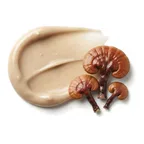 Ganoderma Lucidum
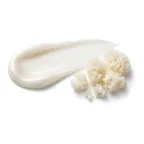 Bio-Available Collagen Cells Stem
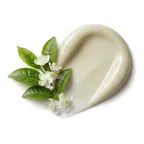 Antioxidants
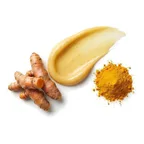 Curcuma Longa
Average
- HighCombination Skin Fit
- AverageEffectiveness
- HighSafety
Works for acne-prone skin; other serums fit it better.
This fit is calculated for the concerns frequently associated with acne-prone skin: breakouts, blackheads, and post-acne marks. For scores and recommendations based on your full skin profile, including your 12D face scan results and any goals or preferences you have, please use the Lovi app.
Updated How the Fit score works
Lovi Assistant explains
- Offers moderate benefits for your combination skin, as Camellia Sinensis and Ganoderma Lucidum provide antioxidant and anti-inflammatory actions to help with breakouts. Sodium Hyaluronate and Aloe Barbadensis also offer hydration and soothing effects suitable for acne-prone skin.
- The serum provides excellent antioxidant protection and hydration, with Curcuma Longa and Panthenol B5 contributing to overall skin health.
- The product is safe for your skin, with no risks of irritation due to the absence of harsh ingredients and the inclusion of soothing agents like Camellia Sinensis and Aloe Barbadensis.
How to apply
- Use your serum as part of your PM routine and start 3x/week before working up to daily use.
- Apply this treatment after cleansing and toner, and before your moisturizer.
- Gently press 2-3 drops of the serum into your skin and let it absorb for a minute.
- Apply the product on clean, dry skin to help manage your breakouts safely.
- Avoid the eye area and do a patch test before your first use.
People Say
★4.7Overall rating based on 1.5k+ reviewsBased on a very large amount of data, users with acne-prone, sensitive, and reactive skin highly praise this product for calming inflammation, improving hydration, and supporting skin barrier repair. Many report smoother texture and reduced redness. Some users note it is a gentle, long-term support product rather than an overnight solution for deep-seated skin concerns.
Highlights
Acne-safe formula Mostly Mentioned
- “Cleared my hormonal breakouts”
- “Doesn't clog my pores”
- “Perfect for acne-prone skin”
Calms inflammation Often Mentioned
- “Reduces redness significantly”
- “Calms angry acne”
- “Soothes irritated skin”
Improves skin texture Often Mentioned
- “Skin feels so smooth”
- “Helped with acne scarring”
- “Skin looks more even”
Deeply hydrating Sometimes Noted
- “Skin is more hydrated”
- “No longer dry/flaky”
- “Feels plump and soft”
High price point Sometimes Noted
- “Expensive for the size”
- “Hard to justify cost”
- “Budget-friendly alternative needed”
Slow visible results Sometimes Noted
- “Didn't see overnight changes”
- “Takes time to work”
- “Not a miracle cure”
Insufficient for severe acne Rarely Noted
- “Didn't stop all breakouts”
- “Need stronger treatments”
- “Minor whiteheads still appeared”
Sources: lovi.care, clearstem.com, substack.com, gurlgonegreen.com, reddit.com, influenster.com, and more
Questions and answers
How well does CLEARstem CELLRENEW work for acne-prone skin?
This serum works moderately well for acne-prone skin, providing helpful soothing and antioxidant benefits from ingredients like green tea and panthenol. However, acne-prone skin often needs treatments with ingredients like niacinamide, zinc, and propolis to better target breakouts while keeping oil and moisture balanced.
The Journal of Investigative Dermatology, 2013American Journal of Clinical Dermatology, 2002
Which ingredients make this serum a good fit for acne-prone skin?
Camellia Sinensis and Ganoderma Lucidum help calm breakouts on acne-prone skin with their antioxidant and anti-inflammatory actions, while Sodium Hyaluronate and Aloe Barbadensis provide gentle hydration and soothing effects. To fit this skin type even better, a treatment of this kind needs effective ingredients like niacinamide, propolis, or zinc PCA to balance oiliness and target blemishes.
The Journal of Investigative Dermatology, 2013Carcinogenesis, 2001
What does Hyaluronic Acid do for acne-prone skin?
Hyaluronic acid helps hydrate acne-prone skin without clogging pores and may be paired with targeted ingredients to calm breakouts and reduce redness. A product of this type for acne-prone skin needs lightweight hydration and ingredients that balance oil and soothe irritation.
What does Reishi Mushroom Extract do for acne-prone skin?
Reishi Mushroom Extract helps calm acne-prone skin and reduces redness by fighting inflammation and balancing bacteria. This ingredient is unlikely to irritate because it has a very gentle safety profile and helps repair the skin barrier.
Food and Chemical Toxicology, 2017Mini Reviews in Medicinal Chemistry, 2026
Where does it go in a skincare routine for acne-prone skin?
This treatment goes in the evening routine, as treatments with active ingredients are placed then for simplicity and safety around sun exposure. This product works for your skin with soothing ingredients that help with breakouts, though acne-prone skin often fits best with targeted blemish-clearing actives and oil-balancing agents.
Can I use this serum with retinol, and in what order?
You can use this serum with retinol by applying the serum first to hydrate and soothe your skin, and then following with your retinol treatment. This product helps calm breakouts and keeps skin comfortable without adding harsh irritation.
How often should I use it?
Apply this treatment in your evening routine, using it once a week initially and gradually increasing frequency if your skin tolerates it well. To better support acne-prone skin, a treatment of this type needs powerful soothing ingredients and clarifying actives like salicylic acid or benzoyl peroxide.
Can this serum clog pores, cause breakouts or purging for acne-prone skin?
This serum is unlikely to cause breakouts or clog pores on acne-prone skin. It contains soothing agents and antioxidants like Camellia Sinensis and Aloe Barbadensis, and lacks harsh ingredients that typically trigger irritation.
The Journal of Investigative Dermatology, 2013Carcinogenesis, 2001
Is it fragrance-free and alcohol-free?
Yes, it has no fragrance and no drying alcohol.
What the research says
Epigallocatechin-3-gallate significantly improved acne in patients compared to the control side during an 8-week clinical trial.
The Journal of Investigative Dermatology, 2013Topical application of (-)-epigallocatechin-3-gallate (EGCG) to human skin before UV irradiation decreases UV-induced production of hydrogen peroxide by 68-90% and nitric oxide by 30-100%, inhibits leukocyte infiltration and lipid peroxidation by 41-84%, and restores glutathione levels and glutathione peroxidase activity compared to UV exposure alone.
Carcinogenesis, 2001Topical dexpanthenol acts as a moisturizer, improves stratum corneum hydration, accelerates wound healing and epidermal regeneration, reduces erythema, and improves symptoms of skin irritation compared to vehicle or no pretreatment.
American Journal of Clinical Dermatology, 2002A new topical panthenol-containing emollient significantly improved transepidermal water loss reduction, stratum corneum hydration, and intercellular lipid lamellae length compared with control in healthy subjects without negatively impacting bacterial viability.
The Journal of Dermatological Treatment, 2017Topical application of 0.1% hyaluronic acid formulations of different molecular weights led to significant improvements in skin hydration and elasticity, with low-molecular-weight formulations also significantly reducing wrinkle depth in seventy-six female subjects compared to a vehicle control.
Journal of Drugs in Dermatology, 2011Topical hyaluronic acid serum used twice daily by 40 females with facial photoaging produced an immediate 134% increase in skin hydration, a sustained 55% increase at week 6, and significant improvements in smoothness, plumping, fine lines, wrinkles, and global appearance without causing irritation.
Dermatology and Therapy, 2021A topical antioxidant serum significantly reduced air pollution-induced skin pigmentation and proinflammatory gene expression ex vivo, and improved skin aging signs in 40 healthy adult females after 90 days of daily use.
Journal of Cosmetic Dermatology, 2022Topical application of soap enriched with Ganoderma lucidum and goat's milk for 3 days resulted in almost complete regression of annular cutaneous sarcoidosis lesions in a 44-year-old male patient.
Dermatology and Therapy, 2016Ganoderma lucidum polysaccharide reduced melanogenesis in melanocytes by downregulating melanogenesis-associated genes and inhibiting signaling pathways through the suppression of paracrine mediators FGF2 and IL-6/STAT3 from keratinocytes and fibroblasts.
Journal of Cellular Physiology, 2019Ganoderma lucidum ethanol extract significantly upregulated antioxidant and cytoprotective genes, suppressed p16INK4a expression, and reduced the percentage of senescent cells in etoposide-induced senescent human dermal fibroblasts compared to untreated controls.
Current Issues in Molecular Biology, 2025Topical application of TAC/Collagen postbiotics gel improved skin moisture score and inflammation index, and reduced porphyrins and brown spots in 20 volunteers with acne vulgaris.
Journal of Cosmetic Dermatology, 2022Topical collagen tripeptide application improved skin wrinkles, elasticity, and density while reducing advanced glycated end products in 22 Asian women over 4 weeks.
International Journal of Molecular Sciences, 2022Marine collagen extracted from Greenland halibut skin showed a non-cytotoxic effect on fibroblast cells and provided a slight skin hydration effect when incorporated into cosmetic hydrogel formulations at dosages of 0.1, 0.25, and 0.5% in 23 healthy volunteers.
Marine Drugs, 2023Topical application of curcumin or turmeric treats various skin conditions by leveraging antioxidant, anti-inflammatory, and antimicrobial properties.
Skin Pharmacology and Physiology, 2023A curcumin-loaded spanlastic anti-aging gel utilizing formula F5 incorporated into 2% HPMC E50 demonstrated sustained release action, compatibility, and the ability to penetrate skin layers to a depth of about 112.5 um without signs of irritation.
Saudi Pharmaceutical Journal, 2024
Ingredients
Antioxidants, Camellia Sinensis, Sodium Hyaluronate, Ganoderma Lucidum, Curcuma Longa, Trifolium Pratense, Peppermint Essence, Curcuma Extract, Aloe Barbadensis, Panthenol B5, Bio-Available Collagen Cells Stem, Kunzea Pomifera Fruit Extract
Behind this fit score
Lovi calculates every fit score from the full ingredient list with brand-independent rules our dermatologists and cosmetic chemists build and review, and personalizes every pick with AI trained on the real results of millions of users. Lovi trains its fit score models on a proprietary dataset built from more than 10,000 expert-labeled products and more than 100,000 simulated examples, following an internally consistent methodology presented at Cosmoprof, AMWC, and Skin of Color Update.
-

Co-founder, Medical Director
Cosmetic chemist, cosmetologist, aesthetic products developer
-

Co-founder, CEO and CTO
PhD in computer science, 3x US patent holder, ex-Google, ex-Yandex
-

Dr. Sofía Perea Pérez, MD, MSc
Medical Board
Aesthetic medicine practitioner, MSc in Longevity and Anti-Aging Medicine
-

Medical Board
Specialist dermatologist, MBBS, MD, IFAAD
-

Medical Board
Cosmetic chemist, SCS, IFSCC member
-

Medical Board, Medical Advisor
Dermatology MD
-

Elina Nazarenko, MD
Medical Board
Dermatology and diagnostic consultant
-

Victoria Derkova, MS
Medical Board
Cosmetic chemist, cosmetic development technologist


How does it fit your skin?
Scan your face, then any product: Lovi shows how well it fits you and what fits even better.