
Cetraben Cream for acne-prone skin

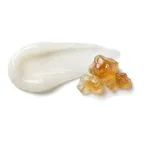 White Soft Paraffin
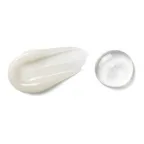 Light Liquid Paraffin
 Glycerin
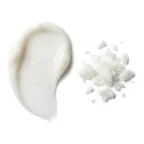 Cetostearyl Alcohol
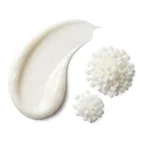 Emulsifying Wax Sls Free Wax
Caution
- AverageCombination Skin Fit
- AverageEffectiveness
- RiskySafety
A poor match for acne-prone skin; the moisturizers alongside fit it better.
- Journal of the American Academy of Dermatology, 1992
- Clinical, Cosmetic and Investigational Dermatology, 2017
This fit is calculated for the concerns frequently associated with acne-prone skin: breakouts, blackheads, and post-acne marks. For scores and recommendations based on your full skin profile, including your 12D face scan results and any goals or preferences you have, please use the Lovi app.
Updated How the Fit score works
Lovi Assistant explains
- Offers moderate moisturizing for your combination skin due to the presence of white soft paraffin and glycerin, which hydrate and enhance barrier resilience, but lacks specialized ingredients to target your acne, blemishes, and breakouts.
- While glycerin provides humectant action suitable for combination skin, the formula does not offer sufficient ingredients for optimal oil control on your oily areas.
How to apply
- Use your moisturizer twice a day in your AM and PM routines. Apply it daily to help keep breakouts under control.
- Apply after your cleanser and toner, and make sure to use your SPF right after in the morning.
- Gently spread a small amount of moisturizer over your face using soft motions. Let it absorb into the skin for a minute before getting dressed or applying makeup.
- Apply on slightly damp skin to help lock in extra moisture. This keeps your combination skin balanced without feeling heavy.
- Avoid the eye area and do a patch test before your first use. Stop using if you feel any irritation.
Questions and answers
Why does Lovi advise caution with Cetraben Cream for acne-prone skin?
Lovi advises caution because this moisturizer offers moderate hydration but lacks specialized ingredients to target your acne, blemishes, and breakouts. A product of this type needs effective ingredients that provide benefits for blemishes, help control oil on oily areas, pose no risk of irritation, and include soothing extracts.
Which ingredients make this cream a poor fit for acne-prone skin?
This cream is a poor fit for acne-prone skin because it relies on heavy moisturizing ingredients like white soft paraffin and liquid paraffin while lacking specialized ingredients to target breakouts and control oil. A moisturizer for this skin type needs targeted blemish-fighting ingredients, soothing extracts, and peptides to provide hydration without causing imbalance.
What does White Soft Paraffin do for acne-prone skin?
White Soft Paraffin helps lock in moisture and calm dry spots on acne-prone skin, as it is unlikely to clog pores or cause irritation. However, because it creates a heavy seal over the skin, acne-prone skin often needs a lightweight, non-greasy moisturizer that balances hydration with soothing and clearing ingredients.
What does Light Liquid Paraffin do for acne-prone skin?
Light liquid paraffin helps keep skin soft and protected by locking in moisture on the surface without penetrating deeply into pores. However, because it creates a heavy barrier, acne-prone skin may need lighter, non-clogging ingredients that do not trap oil and debris.
Toxicology Letters, 2017Journal of the European Academy of Dermatology and Venereology, 2019
Where does this cream go in a skincare routine for acne-prone skin?
This cream goes in the moisturizer step, applied in both the morning and the evening routines after your cleanser and any treatment or toner. Because it lacks specialized ingredients to target breakouts and oil, acne-prone skin needs a moisturizer of this type to include ingredients for oil control and blemish targeting.
The Journal of Dermatological Treatment, 2022International Journal of Cosmetic Science, 2020
Can I use this cream with retinol, and in what order?
You can use this cream alongside retinol to help keep your skin soft and reduce dryness, applying it either after your retinol or as a soothing buffer before it. This type of routine works best when the moisturizer also includes ingredients that specifically target blemishes and help control oil on acne-prone skin.
How often should I use this cream?
You can use this moisturizer twice daily as part of your morning and evening routine to help keep your skin hydrated. Regular daily application supports skin moisture and barrier function, though this type of product needs added oil-control and blemish-targeting ingredients to properly suit acne-prone skin.
Journal of Cosmetic Dermatology, 2020Health Science Reports, 2021
Can this cream clog pores, cause breakouts or purging for acne-prone skin?
This cream may cause breakouts on acne-prone skin because it lacks oil control ingredients and relies heavily on heavy paraffin waxes. Acne-prone skin needs lightweight, non-pore-clogging hydrators and blemish-targeting ingredients to stay clear and smooth.
Can I use this cream around the eyes or on my body?
You can use this cream on your body and around the eyes because its heavy moisturizers soften dry areas, but acne-prone skin on the body needs lighter lotions with salicylic acid or benzoyl peroxide to keep pores clear and prevent breakouts.
Surgical and Radiologic Anatomy, 2002Journal of the American Academy of Dermatology, 1992
Is this cream fragrance-free and alcohol-free?
Yes, it has no fragrance and no drying alcohol.
What the research says
Vaseline Petroleum Jelly accelerated barrier recovery and penetrated throughout the stratum corneum interstices in human volunteers after acetone-induced barrier disruption.
Journal of the American Academy of Dermatology, 1992A single application of a moisturizing fluid containing hyaluronic acid 1%, glycerin 5%, and Centella asiatica stem cells extract significantly increased skin hydration by 29% and reduced transepidermal water loss at 24 hours compared to baseline and an untreated control site in twenty healthy women.
Clinical, Cosmetic and Investigational Dermatology, 2017Topically applied extra virgin olive oil and petrolatum both significantly improved skin barrier function and microtopographic features in 54 healthy adult volunteers, with petrolatum exerting stronger occlusive effects and extra virgin olive oil uniquely promoting epidermal renewal.
Journal of Clinical Medicine, 2025Repetitive wiping with lotioned disposable handkerchiefs containing fatty alcohols and mineral oils significantly improved skin barrier recovery compared to non-lotioned control handkerchiefs on tape-stripped forearm skin of 40 subjects over a three-day protocol.
Skin Research and Technology, 2008Daily bathing with an emulsified lanolin and mineral oil bath additive significantly reduced dry skin severity on the lower legs of patients compared to usual bath soap over 17 days.
Cutis, 1981A lubricant mixture of 20 wt% beeswax, 40 wt% olive oil, and 40 wt% mineral oil reduced the instantaneous and 4-hour coefficient of friction by 87% and 59%, respectively, compared to unlubricated skin in seven participants.
Scientific Reports, 2021The emollient V0034CR significantly reduced TEWL compared to vehicle and vehicle plus glycerol, and significantly increased corneometry scores compared to vehicle and vehicle plus petrolatum in healthy volunteers with dry skin, demonstrating combined barrier function improvement from petrolatum and hydration improvement from glycerol.
Journal of Cosmetic Dermatology, 2020Ten days of treatment with a cream containing 20% glycerin significantly increased skin hydration measured by corneometer values in 17 healthy volunteers compared to a placebo cream, but showed no influence on transepidermal water loss or skin sensitivity to an irritating surfactant.
International Journal of Cosmetic Science, 2001Niacinamide/glycerin body moisturizers provided better rapid and prolonged improvement of cosmetic xerosis through functional improvement of stratum corneum barrier function compared to no treatment and conventional moisturizers in female subjects.
Journal of Drugs in Dermatology, 2012
Ingredients
White Soft Paraffin W W, Light Liquid Paraffin W W, Emulsifying Wax Sls Free Wax, Cetostearyl Alcohol, Glycerin, Phenoxyethanol, Citric Acid Monohydrate, Trisodium Citrate Dihydrate, Water
Behind this fit score
Lovi calculates every fit score from the full ingredient list with brand-independent rules our dermatologists and cosmetic chemists build and review, and personalizes every pick with AI trained on the real results of millions of users. Lovi trains its fit score models on a proprietary dataset built from more than 10,000 expert-labeled products and more than 100,000 simulated examples, following an internally consistent methodology presented at Cosmoprof, AMWC, and Skin of Color Update.
-

Co-founder, Medical Director
Cosmetic chemist, cosmetologist, aesthetic products developer
-

Co-founder, CEO and CTO
PhD in computer science, 3x US patent holder, ex-Google, ex-Yandex
-

Dr. Sofía Perea Pérez, MD, MSc
Medical Board
Aesthetic medicine practitioner, MSc in Longevity and Anti-Aging Medicine
-

Medical Board
Specialist dermatologist, MBBS, MD, IFAAD
-

Medical Board
Cosmetic chemist, SCS, IFSCC member
-

Medical Board, Medical Advisor
Dermatology MD
-

Elina Nazarenko, MD
Medical Board
Dermatology and diagnostic consultant
-

Victoria Derkova, MS
Medical Board
Cosmetic chemist, cosmetic development technologist


How does it fit your skin?
Scan your face, then any product: Lovi shows how well it fits you and what fits even better.