
Cetaphil Moisturising Cream for oily skin

 Glycerin
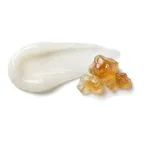 Petrolatum
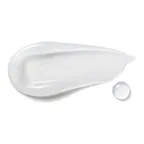 Dimethicone
Warning
- CautionOily Skin Fit
- AverageEffectiveness
- WarningSafety
A poor match for oily skin; the moisturizers alongside fit it better.
This fit is calculated for the concerns frequently associated with oily skin: shine, enlarged pores, blackheads, and blemishes. For scores and recommendations based on your full skin profile, including your 12D face scan results and any goals or preferences you have, please use the Lovi app.
Updated How the Fit score works
Lovi Assistant explains
- Offers moderate moisturizing for your oily skin, as glycerin and petrolatum hydrate and enhance barrier resilience, but petrolatum can be occlusive and contribute to a greasy feel, while glycerin may be excessive for oily skin.
- The absence of prohibited or harsh ingredients ensures no risks of irritation for your oily skin.
Buy online

Prices checked 20 Nov 2026
The Lovi Fit is the same in every country; only the stores and prices differ, and the ones here are for Europe.
How to apply
- Could be used as part of your AM or PM routine every day to keep your face fresh.
- Apply this moisturizer after cleansing and toning, but right before your SPF in the morning.
- Gently press a small amount into your skin and let it absorb fully.
- Apply on clean, slightly dry skin to help control that oily shine.
- Avoid the eye area and do a quick patch test before your first use.
People Say
★4.7Overall rating based on 4.5k+ reviewsHighlights
Long-lasting hydration Mostly Mentioned
- “healed my dry patches”
- “keeps skin soft all day”
- “hydration lasts 24 hours”
- “saved my winter skin”
Gentle, non-irritating Often Mentioned
- “great for sensitive skin”
- “fragrance-free”
- “doesn't burn cracked skin”
Tub packaging Often Mentioned
- “hate dipping fingers in”
- “needs a pump”
- “sanitary concerns”
- “gets under fingernails”
Non-greasy absorption Sometimes Noted
- “absorbs surprisingly fast”
- “doesn't feel sticky”
- “matte finish”
- “soaks in completely”
Versatile use Sometimes Noted
- “use it head to toe”
- “great under makeup”
- “works for face and body”
- “safe for whole family”
Heavy texture Sometimes Noted
- “too thick for face”
- “takes effort to rub in”
- “feels heavy in summer”
- “leaves a film”
Clogs pores Rarely Noted
- “caused small bumps”
- “too rich for acne-prone areas”
- “triggered breakout on forehead”
- “greasy on T-zone”
Unpleasant smell Rarely Noted
- “smells like plastic”
- “weird chemical scent”
- “smells like glue”
- “medicinal odor”
Sources: lovi.care, influenster.com, walmart.com, target.com, ulta.com, totalbeauty.com, and more
Questions and answers
Why does Lovi advise against Cetaphil Moisturising Cream for oily skin?
This cream is a poor match for your oily skin because heavy ingredients like petrolatum may feel too greasy, and glycerin can be excessive. Oily skin needs a moisturizer that combines peptides and hydrating agents with a lightweight texture, avoiding heavy oils while supporting the skin barrier.
Which ingredients make this cream a poor fit for oily skin?
Petrolatum and glycerin make this cream a poor fit for your oily skin because petrolatum may feel greasy and glycerin may be excessive for your skin type. A moisturizer for oily skin needs lightweight hydrating agents and peptides without heavy oils.
What does Glycerin do for oily skin?
Glycerin helps keep oily skin hydrated without feeling heavy or greasy, as it draws moisture into the skin while remaining lightweight. It is unlikely to clog pores and may help balance your skin's moisture levels throughout the day.
What does Petrolatum do for oily skin?
Petrolatum is heavy and tends to trap oils and sweat, so it is generally an average or poor fit for oily skin. Oily skin needs lightweight, non-greasy ingredients that help balance oil without clogging pores, such as salicylic acid, niacinamide, or light hydrating gels.
Where does this cream go in a skincare routine for oily skin?
This cream is a poor match for oily skin because petrolatum can feel too heavy and greasy, while glycerin may be excessive. Oily skin needs light, oil-free moisturizers with balancing ingredients like niacinamide or hyaluronic acid that hydrate without clogging pores.
Can I use this cream with retinol, and in what order?
You can use this cream with retinol, applying it after your retinol treatment to help reduce dryness and irritation. Oily skin of this type needs lightweight hydrators and oil-controlling ingredients like niacinamide or hyaluronic acid instead of heavy petrolatum.
How often should I use this cream?
This cream is a poor match for oily skin because heavy ingredients like petrolatum may feel too greasy and glycerin can be excessive. Oily skin needs lighter hydrators and oil-controlling ingredients instead.
Can this cream clog pores, cause breakouts or purging for oily skin?
This cream is unlikely to cause purging, but petrolatum can feel heavy and contribute to a greasy feel or clogged pores on oily skin. Oily skin needs lightweight hydration and ingredients that balance oil without heavy blockers.
Can I use this cream around the eyes or on my body?
This cream is well suited for the body and the thin skin around the eyes because its safe ingredients ensure no irritation. Oily skin, however, needs lightweight hydration and non-greasy ingredients to feel soft and comfortable without feeling heavy.
Is this cream fragrance-free and alcohol-free?
It has no drying alcohol and contains fragrance (benzyl alcohol).
What the research says
A single application of a moisturizing fluid containing hyaluronic acid 1%, glycerin 5%, and Centella asiatica stem cells extract significantly increased skin hydration by 29% and reduced transepidermal water loss at 24 hours compared to baseline and an untreated control site in twenty healthy women.
Clinical, Cosmetic and Investigational Dermatology, 2017The emollient V0034CR significantly reduced TEWL compared to vehicle and vehicle plus glycerol, and significantly increased corneometry scores compared to vehicle and vehicle plus petrolatum in healthy volunteers with dry skin, demonstrating combined barrier function improvement from petrolatum and hydration improvement from glycerol.
Journal of Cosmetic Dermatology, 2020Ten days of treatment with a cream containing 20% glycerin significantly increased skin hydration measured by corneometer values in 17 healthy volunteers compared to a placebo cream, but showed no influence on transepidermal water loss or skin sensitivity to an irritating surfactant.
International Journal of Cosmetic Science, 2001Niacinamide/glycerin body moisturizers provided better rapid and prolonged improvement of cosmetic xerosis through functional improvement of stratum corneum barrier function compared to no treatment and conventional moisturizers in female subjects.
Journal of Drugs in Dermatology, 2012Topically applied extra virgin olive oil and petrolatum both significantly improved skin barrier function and microtopographic features in 54 healthy adult volunteers, with petrolatum exerting stronger occlusive effects and extra virgin olive oil uniquely promoting epidermal renewal.
Journal of Clinical Medicine, 2025Vaseline Petroleum Jelly accelerated barrier recovery and penetrated throughout the stratum corneum interstices in human volunteers after acetone-induced barrier disruption.
Journal of the American Academy of Dermatology, 1992Wearing an N95 mask alone compared to using dimethicone cream or hydrocolloid dressing caused more adverse skin reactions among 73 military health care workers, with no significant differences in fit test failure rates between groups.
Military Medicine, 2024Petrolatum-based skin protectants demonstrated protection against irritants and maceration while providing skin hydration, whereas dimethicone and zinc oxide products showed varying or limited performance across parameters among 18 healthy volunteers compared to positive and negative controls.
Ostomy/wound Management, 2005Treatment with a moisturizer containing dimethicone and glycerine increased epidermal thickness by 0.019 mm, improved barrier function by decreasing transepidermal water loss by 13%, decreased melanin intensity, and induced keratins 6 and 16 in fifteen women with moderately photoaged forearms.
Clinical and Experimental Dermatology, 2007
Ingredients
Water, Glycerin, Petrolatum, Dicaprylyl Ether, Dimethicone, Glyceryl Stearate, Peg-30 Stearate, Tocopheryl Acetate, Panthenol, Citric Acid, Sodium Hydroxide, Benzyl Alcohol, Phenoxyethanol
Behind this fit score
Lovi calculates every fit score from the full ingredient list with brand-independent rules our dermatologists and cosmetic chemists build and review, and personalizes every pick with AI trained on the real results of millions of users. Lovi trains its fit score models on a proprietary dataset built from more than 10,000 expert-labeled products and more than 100,000 simulated examples, following an internally consistent methodology presented at Cosmoprof, AMWC, and Skin of Color Update.
-

Co-founder, Medical Director
Cosmetic chemist, cosmetologist, aesthetic products developer
-

Co-founder, CEO and CTO
PhD in computer science, 3x US patent holder, ex-Google, ex-Yandex
-

Dr. Sofía Perea Pérez, MD, MSc
Medical Board
Aesthetic medicine practitioner, MSc in Longevity and Anti-Aging Medicine
-

Medical Board
Specialist dermatologist, MBBS, MD, IFAAD
-

Medical Board
Cosmetic chemist, SCS, IFSCC member
-

Medical Board, Medical Advisor
Dermatology MD
-

Elina Nazarenko, MD
Medical Board
Dermatology and diagnostic consultant
-

Victoria Derkova, MS
Medical Board
Cosmetic chemist, cosmetic development technologist


How does it fit your skin?
Scan your face, then any product: Lovi shows how well it fits you and what fits even better.