
Cetaphil Gentle Oil-Free Makeup Remover for acne-prone skin

 Aloe Barbadensis
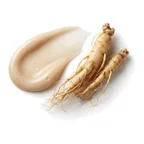 Panax Ginseng
 Camellia Sinensis
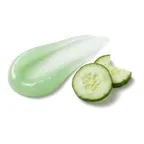 Cucumis Sativus Extract
 Glycerin
Average
- HighCombination Skin Fit
- AverageEffectiveness
- ExcellentSafety
Works for acne-prone skin; other pre-cleansers fit it better.
This fit is calculated for the concerns frequently associated with acne-prone skin: breakouts, blackheads, and post-acne marks. For scores and recommendations based on your full skin profile, including your 12D face scan results and any goals or preferences you have, please use the Lovi app.
Updated How the Fit score works
Lovi Assistant explains
- Offers excellent makeup removal for your combination skin, as Poloxamer 184 and Benzalkonium Chloride effectively dissolve impurities, while glycerin and aloe barbadensis leaf juice provide hydration and anti-inflammatory benefits.
- Ingredients like Panax Ginseng Root Extract and Camellia Sinensis Leaf Extract offer general cleansing support, though they are not specifically targeted for your acne, blemishes, and breakouts.
- The product is safe for your acne-prone skin, with no risks of irritation due to the absence of harsh ingredients and the inclusion of soothing components.
Buy online

Prices checked 20 Nov 2026
The Lovi Fit is the same in every country; only the stores and prices differ, and the ones here are for Europe.
How to apply
- Use this makeup remover PM as the first step of your evening routine to clear away dirt and oil. Start 3x/week and work up to daily use if your combination skin tolerates it well.
- Apply this makeup remover before cleansing and using the rest of your skin products. This ensures all makeup and impurities are fully washed away.
- Gently press a small amount of the makeup remover onto your face using a soft cotton pad. Avoid rubbing the skin too harshly to prevent irritation.
- Apply the makeup remover on dry skin to easily dissolve makeup and clear out blemishes. There is no need to dampen your face beforehand.
- Do a patch test before first use to ensure your skin reacts well. Avoid the delicate eye area while applying.
People Say
★4.6Overall rating based on 4.5k+ reviewsA significant number of users report that it leaves an oily film requiring a second cleanse and find the bottle design dispenses too much product at once.
Highlights
Removes waterproof makeup Mostly Mentioned
- “dissolves waterproof mascara”
- “takes off long-wear eyeliner”
- “removes heavy foundation”
Gentle on eyes Often Mentioned
- “no stinging”
- “doesn't burn eyes”
- “great for contact lens wearers”
Leaves oily residue Often Mentioned
- “greasy film”
- “oily after-feel”
- “blurry vision”
Fragrance-free Sometimes Noted
- “no scent”
- “neutral smell”
- “good for allergies”
Non-drying formula Sometimes Noted
- “leaves skin soft”
- “conditioning feel”
- “not stripping”
Poor bottle design Sometimes Noted
- “spills easily”
- “opening too wide”
- “wastes product”
Requires rinsing Sometimes Noted
- “must wash off”
- “residue lingers”
- “needs second cleanse”
Price per ounce Rarely Noted
- “small bottle”
- “expensive for size”
- “runs out fast”
Sources: lovi.care, cetaphil.com, amazon.com, walmart.com, target.com, ulta.com, and more
Questions and answers
How well does Cetaphil Gentle Oil-Free Makeup Remover work for acne-prone skin?
Cetaphil Gentle Oil-Free Makeup Remover works moderately well for acne-prone skin, as it safely cleanses without causing irritation, though it lacks targeted ingredients for breakouts. To fit acne-prone skin better, this type of product needs nourishing oils and extracts that provide soothing properties and relevant skincare benefits for blemishes.
The Journal of Investigative Dermatology, 2013Clinical, Cosmetic and Investigational Dermatology, 2019
Which ingredients make this makeup remover a good fit for acne-prone skin?
This makeup remover works for acne-prone skin because it contains aloe barbadensis and camellia sinensis leaf extract, which help soothe skin and improve blemishes. To be an even better fit for this skin, a product of this type needs nourishing oils and extracts that provide soothing properties and relevant skincare benefits for acne and blemishes.
Clinical, Cosmetic and Investigational Dermatology, 2019The Journal of Investigative Dermatology, 2013
What does Aloe Vera do for acne-prone skin?
Aloe vera helps calm acne-prone skin by reducing redness, swelling, and breakouts. It works well to make blemishes less angry and helps skin feel smoother and clearer.
Clinical Pharmacology, 2018The Journal of Dermatological Treatment, 2014
What does Panax Ginseng do for acne-prone skin?
Panax ginseng helps calm acne-prone skin by reducing skin redness and oxidized sebum while improving early to middle-stage breakouts. Some forms or extracts may also help fight acne-causing bacteria and soothe inflammation, though certain oil-based preparations are unlikely to suit acne and may aggravate symptoms.
Phytotherapy Research, 2019Journal of Cosmetic Dermatology, 2025
Where does it go in a skincare routine for acne-prone skin?
This makeup remover goes in the evening routine before your cleanser, as a first step to take off makeup. Acne-prone skin works best with products that also target breakouts and blemishes using specialized active ingredients.
Can I use this makeup remover with retinol, and in what order?
You can use this makeup remover in the evening before your cleanser and retinol treatment. It is unlikely to irritate your skin, but acne-prone skin needs breakout-fighting ingredients like salicylic acid or benzoyl peroxide to see the best results.
How often should I use it?
You can use this makeup remover in the evening whenever you wear makeup, as it is safe for your acne-prone skin and unlikely to cause irritation. To better care for breakouts and blemishes, acne-prone skin needs targeted ingredients like salicylic acid or benzoyl peroxide.
Can this makeup remover clog pores, cause breakouts or purging for acne-prone skin?
This makeup remover is safe for your acne-prone skin and is unlikely to cause irritation or breakouts because it avoids harsh ingredients and includes soothing components. However, acne-prone skin often needs targeted ingredients like salicylic acid or benzoyl peroxide and oil-free formulas to actively clear blemishes and prevent clogged pores.
Is it fragrance-free and alcohol-free?
It has no drying alcohol and contains fragrance (benzyl alcohol).
What the research says
A single application of a moisturizing fluid containing hyaluronic acid 1%, glycerin 5%, and Centella asiatica stem cells extract significantly increased skin hydration by 29% and reduced transepidermal water loss at 24 hours compared to baseline and an untreated control site in twenty healthy women.
Clinical, Cosmetic and Investigational Dermatology, 2017Topical application of a 6% green tea extract formulation increased skin moisture, enhanced skin elasticity, and improved skin microrelief by reducing roughness in 24 volunteers compared to vehicle and control over 30 days.
Dermatologic Therapy, 2013Epigallocatechin-3-gallate significantly improved acne in patients compared to the control side during an 8-week clinical trial.
The Journal of Investigative Dermatology, 2013An anti-acne hydrogel containing Aloe barbadensis, Garcinia mangostana, and Camellia sinensis extracts showed superior antiacne and antiblotch activities compared to 1% clindamycin gel in sixty subjects with mild-moderate acne.
Clinical, Cosmetic and Investigational Dermatology, 2019A cream combining propolis, tea tree oil, and Aloe vera reduced erythema scars, acne severity index, and total lesion count better than erythromycin cream in sixty patients with mild to moderate acne vulgaris compared to placebo.
Clinical Pharmacology, 2018Formulations containing 0.10%, 0.25%, and 0.50% freeze-dried Aloe vera extract increased stratum corneum water content compared with the vehicle in 20 female subjects, while transepidermal water loss was not modified.
Skin Research and Technology, 2006Kombucha-mediated fermentation of aloe vera gel for 10 and 20 days enhanced its phenolic and flavonoid content, antioxidant capacity, cytoprotective effects, enzyme inhibition against collagenase, elastase, and hyaluronidase, and moisturizing properties compared to unfermented gel.
Molecules, 2025Enzyme-modified ginseng extract cream significantly reduced the global photo-damage score and various roughness measures including total roughness, smoothness depth, and arithmetic roughness average compared to placebo in 23 human subjects.
Rejuvenation Research, 2015A red ginseng hydrogel formulation with 1,2-hexanediol promoted selective growth of Staphylococcus epidermidis and decreased Cutibacterium acnes in 20 female subjects.
Journal of Ginseng Research, 2022A cream containing 0.1% ginsenoside F1 demonstrated a skin-whitening effect on artificially tanned human skin after 8 weeks by enhancing interleukin-13 production from epidermal gamma-delta T cells, which subsequently suppressed tyrosinase and DCT expression and melanin synthesis in melanocytes.
Experimental Dermatology, 2014Topically formulated tea polyphenols show some benefit in reducing sebum secretion and treating acne vulgaris compared to baseline or control.
Antioxidants, 2016Topical application of tannase-converted green tea extract (TGE) significantly improved skin wrinkle indices and self-assessed wrinkle reduction compared to normal green tea extract (NGE) in human subjects over 8 weeks.
Journal of Cosmetic Dermatology, 2013Topical green tea and green tea plus lotus multiple emulsions reduced casual sebum secretions compared to placebo in healthy adults, with the combined treatment producing significantly greater reductions than green tea alone over a 60-day period.
Hippokratia, 2013Transgenic cucumber expressing poly-γ-glutamic acid synthesis genes increased water content by 6-14%, reduced water loss by 11-12%, decreased facial wrinkles and roughness by 19.58% and 24.97%, decreased skin melanin by 5.27%, and improved facial elasticity in human skin and zebrafish compared to controls.
International Journal of Biological Macromolecules, 2024A low molecular weight sea cucumber extract protects skin cells from oxidative DNA damage and mitochondrial degradation, promotes cell migration, and regulates pathways associated with ribosomal function, glycolysis, and protein processing under oxidative stress conditions.
Biomedicine & Pharmacotherapy = Biomedecine & Pharmacotherapie, 2024Copper Oxide nanoparticles synthesized using cucumber extract exhibited antibacterial, antifungal, UV protection, and reactive-oxygen species inhibition properties with low cellular toxicity and skin-rejuvenating effects when incorporated into skin cream.
Endocrine, Metabolic & Immune Disorders Drug Targets, 2021The emollient V0034CR significantly reduced TEWL compared to vehicle and vehicle plus glycerol, and significantly increased corneometry scores compared to vehicle and vehicle plus petrolatum in healthy volunteers with dry skin, demonstrating combined barrier function improvement from petrolatum and hydration improvement from glycerol.
Journal of Cosmetic Dermatology, 2020Ten days of treatment with a cream containing 20% glycerin significantly increased skin hydration measured by corneometer values in 17 healthy volunteers compared to a placebo cream, but showed no influence on transepidermal water loss or skin sensitivity to an irritating surfactant.
International Journal of Cosmetic Science, 2001Niacinamide/glycerin body moisturizers provided better rapid and prolonged improvement of cosmetic xerosis through functional improvement of stratum corneum barrier function compared to no treatment and conventional moisturizers in female subjects.
Journal of Drugs in Dermatology, 2012
Why other pre-cleansers fit acne-prone skin better
Co-delivery of paeonol and madecassoside via nanoemulsions improved transdermal delivery, promoted barrier repair proteins, inhibited inflammatory cytokine secretion in cellular and 3D models, and reduced transepidermal water loss and acne in human facial skin compared to free components.
Molecules, 2023Clay jojoba oil facial masks reduced total skin lesions by a mean of 54% after 6 weeks in 133 participants with acne-prone, lesioned skin and mild acne compared to baseline.
Forschende Komplementarmedizin, 2012
Ingredients
Water, Cyclopentasiloxane, Dipropylene Glycol, Aloe Barbadensis Leaf Juice, Cucumis Sativus Fruit Extract, Panax Ginseng Root Extract, Camellia Sinensis Leaf Extract, Glycerin, Potassium Phosphate, Dipotassium Phosphate, Poloxamer 184, Benzalkonium Chloride, Tetrasodium Edta, Benzyl Alcohol, Sodium Chloride, Citric Acid, Allantoin
Behind this fit score
Lovi calculates every fit score from the full ingredient list with brand-independent rules our dermatologists and cosmetic chemists build and review, and personalizes every pick with AI trained on the real results of millions of users. Lovi trains its fit score models on a proprietary dataset built from more than 10,000 expert-labeled products and more than 100,000 simulated examples, following an internally consistent methodology presented at Cosmoprof, AMWC, and Skin of Color Update.
-

Co-founder, Medical Director
Cosmetic chemist, cosmetologist, aesthetic products developer
-

Co-founder, CEO and CTO
PhD in computer science, 3x US patent holder, ex-Google, ex-Yandex
-

Dr. Sofía Perea Pérez, MD, MSc
Medical Board
Aesthetic medicine practitioner, MSc in Longevity and Anti-Aging Medicine
-

Medical Board
Specialist dermatologist, MBBS, MD, IFAAD
-

Medical Board
Cosmetic chemist, SCS, IFSCC member
-

Medical Board, Medical Advisor
Dermatology MD
-

Elina Nazarenko, MD
Medical Board
Dermatology and diagnostic consultant
-

Victoria Derkova, MS
Medical Board
Cosmetic chemist, cosmetic development technologist


How does it fit your skin?
Scan your face, then any product: Lovi shows how well it fits you and what fits even better.