
CeraVe Resurfacing Retinol Serum for acne-prone skin

 Encapsulated Retinol
 Niacinamide
 3 Essential Ceramides
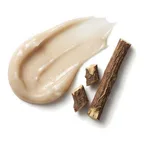 Licorice Root Extract
High
- HighCombination Skin Fit
- HighEffectiveness
- ExcellentSafety
A great choice for acne-prone skin; a few serums fit it even better.
This fit is calculated for the concerns frequently associated with acne-prone skin: breakouts, blackheads, and post-acne marks. For scores and recommendations based on your full skin profile, including your 12D face scan results and any goals or preferences you have, please use the Lovi app.
Updated How the Fit score works
Lovi Assistant explains
- Excellent for your combination skin, this serum effectively targets acne and minimizes fine lines with retinol and niacinamide, which promote skin renewal and reduce inflammation.
- The inclusion of ceramides and cholesterol further supports your skin barrier, enhancing overall skin health and texture.
- This formula is safe for your skin, as it contains soothing ingredients and lacks harsh or prohibited substances.
How to apply
- Use your serum as part of your PM routine and start 3x/week before working up to daily use.
- Apply this treatment after cleansing and toner, and before your moisturizer.
- Gently press 2-3 drops of the serum into your skin and let it absorb for a minute.
- Apply the product on clean, dry skin to help manage your breakouts safely.
- Avoid the eye area and do a patch test before your first use.
People Say
★4.6Overall rating based on 4.6k+ reviewsBased on a very large amount of data, this serum is highly regarded as a gentle introduction to retinol, effectively smoothing skin texture and reducing the appearance of post-acne marks with minimal irritation. Many users observe a radiant complexion and diminished pores, though significant improvements in hyperpigmentation typically require consistent application over several weeks to months.
Highlights
Gentle and non-irritating Mostly Mentioned
- “no burning sensation”
- “didn't dry me out”
- “zero irritation experienced”
Fades acne marks Often Mentioned
- “lightened dark spots”
- “faded acne scars”
- “helped with hyperpigmentation”
Improves skin texture Often Mentioned
- “smoother complexion”
- “softens rough patches”
- “reduces pore visibility”
Affordable value Sometimes Noted
- “great price”
- “budget-friendly retinol”
- “good value for money”
Lightweight formula Sometimes Noted
- “absorbs instantly”
- “non-greasy finish”
- “lightweight gel texture”
Slow results Sometimes Noted
- “takes a few months”
- “slow progress”
- “not an overnight miracle”
Initial breakouts Rarely Noted
- “caused small whiteheads”
- “skin purged initially”
- “broke me out first”
Initial dryness Rarely Noted
- “slight peeling”
- “dry patches around nose”
- “needs good moisturizer”
Packaging issues Rarely Noted
- “pump stopped working”
- “can't see product amount”
- “hard to get last bit”
Too mild Rarely Noted
- “too weak”
- “didn't do enough”
- “need stronger percentage”
Sources: lovi.care, ulta.com, walmart.com, cerave.com, influenster.com, cosmopolitan.com, and more
Questions and answers
What makes CeraVe Resurfacing Retinol Serum a great fit for acne-prone skin?
CeraVe Resurfacing Retinol Serum is a great fit because it helps clear acne and smooth fine lines using retinol and niacinamide, which encourage skin renewal and calm redness. Its ceramides and soothing ingredients also support your skin barrier for a healthy, smooth feel.
Which ingredients make this serum a good fit for acne-prone skin?
This serum is a great fit for acne-prone skin because it contains encapsulated retinol and niacinamide, which help clear breakouts and soothe irritation. It also includes ceramides to support your skin barrier and keep your face feeling smooth.
What does Encapsulated Retinol do for acne-prone skin?
Encapsulated retinol helps clear blemishes and smooth acne-prone skin while being gentle enough to avoid irritation. It penetrates deeply and releases slowly to keep skin calm and clear over time.
Archives of Dermatological Research, 2024Giornale Italiano Di Dermatologia E Venereologia, 2020
What does Niacinamide do for acne-prone skin?
Niacinamide helps control acne-prone skin by reducing pimples and balancing oil production. It is well tolerated and may also help calm redness and improve overall skin texture in acne-prone skin.
International Journal of Dermatology, 2013Journal of Cosmetic Dermatology, 2024
Where does this serum go in a skincare routine for acne-prone skin?
This serum goes in the evening routine, placed after cleansing and toning and before moisturizing, for simplicity and extra safety around sun exposure. It helps clear breakouts and smooth texture while keeping your skin calm.
Can I use this serum with vitamin C, and in what order?
Use vitamin C and this treatment apart: in different sessions of the same day or on different days. This approach helps manage breakouts while keeping your skin calm and smooth.
American Family Physician, 2012Journal of Cosmetic Dermatology, 2016
How often should I use this serum?
This serum is a great fit and is best used in the evening as part of your routine. You can start by using it once a week, and then carefully use it more often if your skin handles it well.
Can this serum clog pores, cause breakouts or purging for acne-prone skin?
This serum is a great fit for your acne-prone skin because it targets blemishes and smooths texture while soothing the skin. While initial breakouts are unlikely, it helps clear acne and encourages skin renewal.
Is this serum fragrance-free and alcohol-free?
It has no fragrance and contains drying alcohol (alcohol).
What the research says
Topical application of retinol and retinoic acid both increased epidermal thickness and upregulated collagen genes and proteins in human skin, with retinol producing similar histological and molecular changes to retinoic acid alongside a significant reduction in facial wrinkles after 12 weeks.
Journal of Cosmetic Dermatology, 2016Topical bakuchiol 0.5% applied twice daily compared with retinol 0.5% applied daily significantly decreased wrinkle surface area and hyperpigmentation with no statistical difference between the compounds in 44 patients over 12 weeks, while retinol users reported more facial skin scaling and stinging.
The British Journal of Dermatology, 2019Topical 0.3% and 1% retinol comparably improved biomarkers of cutaneous photoageing in photoaged volunteers, while 0.3% retinol demonstrated better tolerance with fewer and milder adverse events compared to 1% retinol in a daily escalation regimen.
International Journal of Cosmetic Science, 2022Daily application of 0.3% and 0.5% retinol serums in 37 volunteers over 12 weeks reduced skin hyperpigmentation, unevenness, and wrinkles on both sides of the face, with the 0.5% concentration causing more frequent and intense skin irritation.
Skin Pharmacology and Physiology, 2020Topical application of 0.1% retinol induced CRABP2 and HBEGF gene expression, increased keratinocyte proliferation and epidermal thickness ex vivo, and improved major skin aging signs without significant adverse reactions in 48 volunteers compared to placebo.
Skin Pharmacology and Physiology, 2009Topical nicotinamide prevented solar-simulated UV-induced immunosuppression in healthy volunteers, and men experienced immunosuppression at solar-simulated UV doses three times lower than those required for women.
The Journal of Investigative Dermatology, 2008Topical 5% niacinamide applied twice daily for 12 weeks reduced fine lines and wrinkles, hyperpigmented spots, red blotchiness, and skin sallowness, and improved skin elasticity compared to vehicle control in 50 female white subjects with facial photoaging.
Dermatologic Surgery, 2005Topical 2% niacinamide significantly decreased sebum excretion rate in Japanese individuals and casual sebum levels in Caucasian individuals compared to placebo or baseline.
Journal of Cosmetic and Laser Therapy, 2006Ceramide and niacinamide-containing moisturizer combined with anti-acne treatment significantly improved non-inflammatory, inflammatory, and total acne lesions compared to hydrophilic cream in 40 patients with mild to moderate acne vulgaris after 8 weeks.
Journal of Cosmetic Dermatology, 2024Topical application of a pseudo-ceramide-containing spray improved stratum corneum water content, transepidermal water loss, cell area, and scaling score, and normalized the ceramide profile in patients with dry and sensitive skin compared to a control spray.
Journal of Cosmetic Dermatology, 2025Combining 755 nm alexandrite laser with topical licorice gel significantly reduces terminal hair counts compared to alexandrite laser with placebo in women with idiopathic hirsutism.
Evidence-based Complementary and Alternative Medicine, 2015Licochalcone A activated Nrf2 signaling, elevated cytoprotective enzymes, increased the reduced-to-oxidized glutathione ratio, and decreased reactive oxygen species in human fibroblasts and neutrophils, while a LicA-rich licorice extract lowered UVA-induced oxidative processes in vivo.
Experimental Dermatology, 2015Mesoporous silica nanoparticles entrapping licorice polysaccharide and coated with polydopamine showed 76% entrapment efficiency, 89% in vitro release at pH 5, increased sebocytes' cellular uptake, and mediated inflammatory response by inhibiting pro-inflammatory cytokines and regulating anti-inflammatory cytokines.
Carbohydrate Polymers, 2024
Ingredients
Water, Propanediol, Dimethicone, Cetearyl Ethylhexanoate, Niacinamide, Ammonium Polyacryloyldimethyl Taurate, Dipotassium Glycyrrhizate, Hydrogenated Lecithin, Potassium Phosphate, Ceramide Np, Ceramide Ap, Ceramide Eop, Carbomer, Cetearyl Alcohol, Behentrimonium Methosulfate, Dimethiconol, Lecithin, Sodium Citrate, Retinol, Sodium Hyaluronate, Sodium Lauroyl Lactylate, Cholesterol, Phenoxyethanol, Alcohol, Isopropyl Myristate, Caprylyl Glycol, Citric Acid, Trisodium Ethylenediamine Disuccinate, Pentylene Glycol, Phytosphingosine, Xanthan Gum, Polysorbate 20, Ethylhexylglycerin
Behind this fit score
Lovi calculates every fit score from the full ingredient list with brand-independent rules our dermatologists and cosmetic chemists build and review, and personalizes every pick with AI trained on the real results of millions of users. Lovi trains its fit score models on a proprietary dataset built from more than 10,000 expert-labeled products and more than 100,000 simulated examples, following an internally consistent methodology presented at Cosmoprof, AMWC, and Skin of Color Update.
-

Co-founder, Medical Director
Cosmetic chemist, cosmetologist, aesthetic products developer
-

Co-founder, CEO and CTO
PhD in computer science, 3x US patent holder, ex-Google, ex-Yandex
-

Dr. Sofía Perea Pérez, MD, MSc
Medical Board
Aesthetic medicine practitioner, MSc in Longevity and Anti-Aging Medicine
-

Medical Board
Specialist dermatologist, MBBS, MD, IFAAD
-

Medical Board
Cosmetic chemist, SCS, IFSCC member
-

Medical Board, Medical Advisor
Dermatology MD
-

Elina Nazarenko, MD
Medical Board
Dermatology and diagnostic consultant
-

Victoria Derkova, MS
Medical Board
Cosmetic chemist, cosmetic development technologist


How does it fit your skin?
Scan your face, then any product: Lovi shows how well it fits you and what fits even better.