
Caudalie Vinoperfect Brightening Glycolic Night Cream for oily acne-prone skin

 Glycolic Acid
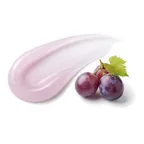 Viniferine
 Squalane
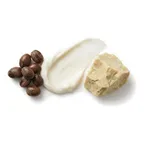 Shea Butter Extract
 Sodium Hyaluronate
Average
- HighOily Skin Fit
- AverageEffectiveness
- ExcellentSafety
Works for oily acne-prone skin; other products fit it better.
- Giornale Italiano Di Dermatologia E Venereologia, 2015
- Clinical, Cosmetic and Investigational Dermatology, 2017
This fit is calculated for the concerns frequently associated with oily acne-prone skin: shine, breakouts, blemishes, and enlarged pores. For scores and recommendations based on your full skin profile, including your 12D face scan results and any goals or preferences you have, please use the Lovi app.
Updated How the Fit score works
Lovi Assistant explains
- Offers moderate exfoliation for your oily skin, as glycolic acid and papain promote skin renewal and help manage excess oil and pore congestion. Glycerin and bisabolol provide supportive hydration and soothing effects, though targeted ingredients for acne and blemishes are lacking.
- The formulation is highly suitable for oily skin due to its keratolytic action and desquamation regulation, which aids in preventing pore congestion.
- The product is safe for your skin, with no risks of irritation due to the absence of harsh ingredients and the presence of soothing components like bisabolol and tocopherol.
Buy online

Prices checked 20 Nov 2026
The Lovi Fit is the same in every country; only the stores and prices differ, and the ones here are for Europe.
How to apply
- Use this exfoliant as part of your PM routine once a week to start, increasing frequency only if your skin tolerates it well.
- Apply the exfoliant after cleansing and toning, but before your final moisturizer step.
- Gently press 2-3 drops of the exfoliant into your skin and let it absorb for a minute.
- Apply the product directly onto clean, dry skin for the best results against breakouts.
- Avoid the sensitive eye area and always use a daily SPF since exfoliating makes skin more sensitive to the sun.
People Say
★4.5Overall rating based on 300+ reviewsUsers with dullness, acne scars, and sun damage frequently praise this cream for its ability to visibly brighten the complexion and fade dark spots over time. While most find it deeply hydrating and gentle enough for sensitive skin, a small subset of users with acne-prone or oily skin experienced breakouts or found the rich texture too heavy.
Highlights
Brightens & evens tone Mostly Mentioned
- “lightens my dark spots after 2 weeks”
- “skin just looked so much brighter”
- “fades acne scars”
Hydrating & plumping Often Mentioned
- “skin feels nourished”
- “super hydrating”
- “woke up with plump skin”
Pleasant sensory experience Sometimes Noted
- “smells divine”
- “fresh citrus scent”
- “absorbs well without residue”
Refines skin texture Sometimes Noted
- “skin is very clarified and smooth”
- “smoothes texture”
- “pores appear diminished”
Caused breakouts Rarely Noted
- “caused cystic acne”
- “woke up to oily bumps”
- “broke me out”
No visible results Rarely Noted
- “didn't see difference”
- “dark spots didn't fade”
- “did nothing for me”
Scent dislike Rarely Noted
- “strong fragrance”
- “scent is unpleasant”
- “smell is too potent”
Texture issues Rarely Noted
- “too thick/greasy”
- “pills up”
- “didn't absorb well”
Sources: lovi.care, sephora.sg, sephora.nz, cultbeauty.co.uk, hometesterclub.com, lovelyskin.com, and more
Questions and answers
Which ingredients make this cream a good fit for oily acne-prone skin?
Glycolic acid and papain help manage excess oil and clear out pores for your oily skin, while glycerin and bisabolol provide calm, comfortable moisture. A product of this type needs targeted ingredients for blemishes, such as niacinamide, propolis, benzoyl peroxide, or vitamin C, to truly excel on acne-prone skin.
Clinical, Cosmetic and Investigational Dermatology, 2019Giornale Italiano Di Dermatologia E Venereologia, 2015
What does Glycolic Acid do for oily acne-prone skin?
Glycolic acid helps reduce acne breakouts and clears up blemishes for oily, acne-prone skin. Regular treatments may improve overall skin clarity and target pimples effectively.
What does Viniferine do for oily acne-prone skin?
Viniferine and related ingredients help calm oily, acne-prone skin by reducing inflammation and supporting clear pores. Because this skin type often struggles with excess oil and breakouts, it benefits from formulas that provide antimicrobial action and help balance skin oils.
Journal of Cosmetic and Laser Therapy, 2019Journal of Food and Drug Analysis, 2021
Where does this cream go in a skincare routine for oily acne-prone skin?
This treatment goes in the evening routine, starting once a week and using it more often if your skin handles it well. Oily acne-prone skin works best with products of this type when they include targeted blemish-fighting ingredients alongside the gentle exfoliants and soothing hydration.
Can I use this cream with retinol, and in what order?
You can use this cream with retinol by applying your retinol first and following with this treatment, or by alternating nights to keep your oily skin comfortable. This approach helps prevent excessive peeling while supporting gentle skin renewal. For your oily acne-prone skin, this type of product also needs targeted blemish-fighting ingredients to properly manage breakouts.
How often should I use this cream?
Start using this cream once a week in the evening, and if your oily skin handles it well, you may carefully use it more often. This type of skin needs targeted blemish-fighting ingredients and oil-balancing actives alongside regular gentle renewal to keep pores clear.
Can this cream clog pores, cause breakouts or purging for oily acne-prone skin?
This cream is unlikely to clog pores because it has a very safe profile and soothing ingredients like bisabolol, though a small number of reviewers still mention occasional breakouts. To truly prevent breakouts and clear up oily acne-prone skin, a product of this type needs targeted blemish-fighting ingredients alongside pore-clearing exfoliants.
What the research says
A fixed combination of hydroxypinacolone retinoate, retinol glycospheres, and papain glycospheres in aqueous gel applied once daily for 12 weeks achieved a 41% mean reduction in GAGS score and a 40.8% mean reduction in total lesions, with 15.3% of patients experiencing mild to moderate local side effects, in 94 evaluable patients with comedonal-papular, mild to moderate acne of the face.
Giornale Italiano Di Dermatologia E Venereologia, 2015A single application of a moisturizing fluid containing hyaluronic acid 1%, glycerin 5%, and Centella asiatica stem cells extract significantly increased skin hydration by 29% and reduced transepidermal water loss at 24 hours compared to baseline and an untreated control site in twenty healthy women.
Clinical, Cosmetic and Investigational Dermatology, 2017Glycolic acid, salicylic acid, gluconolactone, and licochalcone A combined with 0.1% adapalene showed no hindrance compared to adapalene monotherapy and provided benefits in reducing complications in 25 subjects with mild-to-moderate acne vulgaris.
Clinical, Cosmetic and Investigational Dermatology, 2019Incorporating 1, 2, and 5 percent papain into starch- and carboxymethyl cellulose-based films preserved proteolytic and skin exfoliation activity while improving mechanical properties and water solubility compared to control films, with immobilized enzyme maintaining stability for up to 90 days.
International Journal of Biological Macromolecules, 2023Serial glycolic acid peels combined with a modified Kligman formula significantly reduced facial PIH severity in Indian patients compared to the modified Kligman formula alone.
Dermatologic Surgery, 2017Short contact therapy with a tretinoin, clindamycin, and glycolic acid gel significantly improved skin tolerability and reduced acne severity scores compared to standard application therapy in patients with mild-to-moderate acne.
Dermatologic Therapy, 2021Application of fullerene-C60 dissolved in squalane cream twice daily for 8 weeks significantly enhanced skin moisture and reduced wrinkle formation compared to placebo in 23 Japanese women without severe side effects.
Journal of Nanoscience and Nanotechnology, 2010Squalane at 0.005-0.015% counteracts UVA-induced oxidative stress, inflammation, and collagen metabolism inhibition while stimulating fibroblast migration in human dermal fibroblasts.
Molecules, 2025Plant-derived squalane protected human dermal fibroblasts against UVA-induced damage by counteracting ROS formation, suppressing apoptosis-related proteins p53, caspase-3, caspase-9, and PARP, and restoring the pro-survival p-Akt/mTOR pathway.
Antioxidants, 2025A skin barrier restoring cream with shea butter, silkflo, and vitamin E increased type I procollagen synthesis, enhanced antioxidant enzyme activity, decreased reactive oxygen species generation, and promoted hyaluronic acid production in H2O2-stimulated human keratinocyte cells compared to untreated cells.
International Journal of Cosmetic Science, 2025Topical application of 0.1% hyaluronic acid formulations of different molecular weights led to significant improvements in skin hydration and elasticity, with low-molecular-weight formulations also significantly reducing wrinkle depth in seventy-six female subjects compared to a vehicle control.
Journal of Drugs in Dermatology, 2011Topical hyaluronic acid serum used twice daily by 40 females with facial photoaging produced an immediate 134% increase in skin hydration, a sustained 55% increase at week 6, and significant improvements in smoothness, plumping, fine lines, wrinkles, and global appearance without causing irritation.
Dermatology and Therapy, 2021A topical antioxidant serum significantly reduced air pollution-induced skin pigmentation and proinflammatory gene expression ex vivo, and improved skin aging signs in 40 healthy adult females after 90 days of daily use.
Journal of Cosmetic Dermatology, 2022
Why other products fit oily acne-prone skin better
Co-delivery of paeonol and madecassoside via nanoemulsions improved transdermal delivery, promoted barrier repair proteins, inhibited inflammatory cytokine secretion in cellular and 3D models, and reduced transepidermal water loss and acne in human facial skin compared to free components.
Molecules, 2023
Ingredients
Water, Butylene Glycol, Glycerin, Cetearyl Alcohol, Coco-Caprylate Caprate, Glyceryl Stearate Se, Butyrospermum Parkii Butter Extract Shea Butter Extract, Caprylic Capric Triglyceride, Vitis Vinifera Seed Oil Grape Seed Oil, Hydrogenated Oil, Triheptanoin, Panthenol, Squalane, Glycolic Acid, Palmitoyl Grapevine Shoot Extract, Cetearyl Glucoside, Bisabolol, Tocopheryl Acetate, Benzyl Alcohol, Sodium Hydroxide, Acacia Senegal Gum, Xanthan Gum, Caprylyl Glycol, Cassia Angustifolia Polysaccharide Seed, Arginine, Dehydroacetic Acid, Sodium Phytate, Sodium Hyaluronate, Carbomer, Papain, 1,2-Hexanediol, Tocopherol, Algin, Geraniol, Limonene, Linalool
Behind this fit score
Lovi calculates every fit score from the full ingredient list with brand-independent rules our dermatologists and cosmetic chemists build and review, and personalizes every pick with AI trained on the real results of millions of users. Lovi trains its fit score models on a proprietary dataset built from more than 10,000 expert-labeled products and more than 100,000 simulated examples, following an internally consistent methodology presented at Cosmoprof, AMWC, and Skin of Color Update.
-

Co-founder, Medical Director
Cosmetic chemist, cosmetologist, aesthetic products developer
-

Co-founder, CEO and CTO
PhD in computer science, 3x US patent holder, ex-Google, ex-Yandex
-

Dr. Sofía Perea Pérez, MD, MSc
Medical Board
Aesthetic medicine practitioner, MSc in Longevity and Anti-Aging Medicine
-

Medical Board
Specialist dermatologist, MBBS, MD, IFAAD
-

Medical Board
Cosmetic chemist, SCS, IFSCC member
-

Medical Board, Medical Advisor
Dermatology MD
-

Elina Nazarenko, MD
Medical Board
Dermatology and diagnostic consultant
-

Victoria Derkova, MS
Medical Board
Cosmetic chemist, cosmetic development technologist


How does it fit your skin?
Scan your face, then any product: Lovi shows how well it fits you and what fits even better.