
Bonnyhill Rice Niacinamide Cream for sensitive skin

 Niacinamide
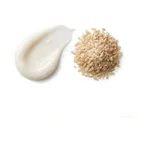 Rice Bran Extract
 Squalane
 Glycerin
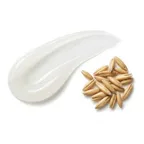 Beta-Glucan
Average
- HighNormal Skin Fit
- AverageEffectiveness
- Low RiskSafety
Works for sensitive skin; other moisturizers fit it better.
- Clinical, Cosmetic and Investigational Dermatology, 2017
- The Journal of Investigative Dermatology, 2008
This fit is calculated for the concerns frequently associated with sensitive skin: redness, stinging, and reactions to new products. For scores and recommendations based on your full skin profile, including your 12D face scan results and any goals or preferences you have, please use the Lovi app.
Updated How the Fit score works
Lovi Assistant explains
- Offers moderate moisturizing for your normal skin due to glycerin and squalane, which hydrate and enhance barrier resilience, but lacks specialized ingredients like niacinamide or centella asiatica to effectively target your main concerns of redness and irritation.
- While the rice bran extract and other botanical extracts provide antioxidant activity and barrier repair, they do not offer significant anti-inflammatory benefits for your sensitive skin.
- The product is generally safe for your sensitive skin, though the presence of sulfates carries a slight risk of irritation.
How to apply
- Use this soothing AM and PM routine every day to keep your normal skin calm. Always remember to apply SPF in the morning after your moisturizer.
- Apply your moisturizer after your toner in the morning, and after your serum in the evening. This step locks in hydration and protects your skin.
- Gently press a small amount of the moisturizer evenly across your face. Avoid rubbing to keep your sensitive skin happy and calm.
- You can apply this gentle formula on dry or slightly damp skin for the best comfort. It works wonderfully on clean skin to soothe redness and irritation.
- Do a patch test before your very first use to check your skin's reaction. Avoid getting the product directly into your eyes .
People Say
★4.7Overall rating based on 100+ reviewsBased on limited data, this cream is highly regarded for its lightweight, non-greasy texture that provides deep hydration and a radiant glow, making it a favorite for many. While most users, including those with sensitive skin, find it calming and effective for brightening, a small number have reported experiencing immediate irritation or redness.
Highlights
Deeply hydrating Mostly Mentioned
- “leaves my skin feeling plump and dewy”
- “effectively moisturizes dry patches”
- “skin feels soft and not dry”
Brightening glow Often Mentioned
- “makes my skin glow”
- “brightens dull skin”
- “skin looks radiant and smooth”
Lightweight texture Often Mentioned
- “absorbs quickly”
- “non-greasy finish”
- “lightweight formulation easy to layer”
Pleasant scent Sometimes Noted
- “smells divine”
- “light clean smell”
- “pleasant fragrance”
Potential breakouts Rarely Noted
- “may trigger acne”
- “broke me out at first”
Skin irritation Rarely Noted
- “burned my face a bit”
- “made my redness a little more noticeable”
- “irritated my skin so badly”
Strong fragrance Rarely Noted
- “scent is a little off-putting”
- “wouldn't get if sensitive to scented things”
- “fragrance tag stopped me from buying”
Sources: lovi.care, buybeautykorea.com, reddit.com, skinsort.com, ebay.com, and more
Questions and answers
How well does Bonnyhill Rice Niacinamide work for sensitive skin?
Bonnyhill Rice Niacinamide Cream is an average fit for sensitive skin, offering moderate moisture and barrier support while lacking specialized ingredients to target redness and irritation. This type of skin needs soothing ingredients like fermented centella asiatica and cica ceramide, plus nourishing oils to calm irritation and enhance barrier function without feeling overwhelmed.
Which ingredients make this cream a good fit for sensitive skin?
Glycerin, squalane, rice bran extract, and beta-glucan help hydrate and support the skin barrier, though this cream needs soothing ingredients like centella asiatica and cica ceramide to properly calm redness and irritation on sensitive skin.
What does Niacinamide do for sensitive skin?
Niacinamide helps calm sensitive skin and keeps it comfortable by supporting the skin barrier and reducing irritation. Clinical studies show that it is well tolerated and helps decrease redness and inflammation in reactive skin.
What does Rice Bran Extract do for sensitive skin?
Rice bran extract helps calm sensitive or easily irritated skin by reducing redness and swelling. It is unlikely to cause irritation and may soothe discomfort, helping to keep skin comfortable and balanced.
Journal of Cosmetic Dermatology, 2022Journal of Agricultural and Food Chemistry, 2010
Where does this cream go in a skincare routine for sensitive skin?
This moisturizing treatment goes in the evening routine after your toner and before your moisturizer, or it can be used on its own depending on how dry your skin feels. The product is generally safe for your sensitive skin, though the presence of sulfates carries a slight risk of irritation. Sensitive skin of this type needs calming ingredients like niacinamide or centella asiatica to soothe redness and irritation.
Can I use it with retinol, and in what order?
You can use this moisturizing treatment with retinol by applying it after your retinol to help keep skin soft and lower the risk of dryness. Sensitive skin of this type needs a product that also includes soothing ingredients like niacinamide or centella asiatica to help calm redness and irritation.
How often should I use this cream?
You can use this moisturizing treatment daily to help keep your skin soft and hydrated, though sensitive skin needs a product with extra soothing ingredients to calm redness and irritation.
Journal of Cosmetic Dermatology, 2020Health Science Reports, 2021
Can it clog pores, cause breakouts or purging for sensitive skin?
This cream is unlikely to clog pores or cause breakouts for sensitive skin, as potential breakouts are negligible and the product is generally safe, though sulfates carry a slight risk of irritation.
Can I use it around the eyes or on my body?
You can use this moisturizing treatment on the body and around the eyes, though the skin there is particularly thin and sensitive. The product is generally safe for sensitive skin, but it carries a slight risk of irritation from sulfates.
Is this cream fragrance-free and alcohol-free?
Yes, it has no fragrance and no drying alcohol. Cetearyl alcohol is a fatty alcohol, which soften the skin.
What the research says
A single application of a moisturizing fluid containing hyaluronic acid 1%, glycerin 5%, and Centella asiatica stem cells extract significantly increased skin hydration by 29% and reduced transepidermal water loss at 24 hours compared to baseline and an untreated control site in twenty healthy women.
Clinical, Cosmetic and Investigational Dermatology, 2017Topical nicotinamide prevented solar-simulated UV-induced immunosuppression in healthy volunteers, and men experienced immunosuppression at solar-simulated UV doses three times lower than those required for women.
The Journal of Investigative Dermatology, 2008Topical 5% niacinamide applied twice daily for 12 weeks reduced fine lines and wrinkles, hyperpigmented spots, red blotchiness, and skin sallowness, and improved skin elasticity compared to vehicle control in 50 female white subjects with facial photoaging.
Dermatologic Surgery, 2005Topical 2% niacinamide significantly decreased sebum excretion rate in Japanese individuals and casual sebum levels in Caucasian individuals compared to placebo or baseline.
Journal of Cosmetic and Laser Therapy, 2006Topical gel and cream formulations containing niosomes entrapped with rice bran bioactive compounds improved skin hydration, lightening, thickness, roughness, and elasticity in 30 human volunteers over 28 days compared to baseline.
Pharmaceutical Biology, 2012Gel and cream formulations containing rice bran bioactive compounds entrapped in niosomes increased in vitro antioxidant activity (ORAC values of 20-28 micromol TE/g versus 16-18 micromol TE/g for placebo), enhanced lipid peroxidation inhibition in human sebum by about 1.5 times, and improved in vivo human skin hydration by approximately 3 to 30% depending on the measurement technique.
Journal of Nanoscience and Nanotechnology, 2011Stirring Nukadoko fermented rice bran beds by hand leads to temporary settlement of microorganisms on human skin with quick shedding.
FEMS Microbiology Letters, 2023Application of fullerene-C60 dissolved in squalane cream twice daily for 8 weeks significantly enhanced skin moisture and reduced wrinkle formation compared to placebo in 23 Japanese women without severe side effects.
Journal of Nanoscience and Nanotechnology, 2010Squalane at 0.005-0.015% counteracts UVA-induced oxidative stress, inflammation, and collagen metabolism inhibition while stimulating fibroblast migration in human dermal fibroblasts.
Molecules, 2025Plant-derived squalane protected human dermal fibroblasts against UVA-induced damage by counteracting ROS formation, suppressing apoptosis-related proteins p53, caspase-3, caspase-9, and PARP, and restoring the pro-survival p-Akt/mTOR pathway.
Antioxidants, 2025The emollient V0034CR significantly reduced TEWL compared to vehicle and vehicle plus glycerol, and significantly increased corneometry scores compared to vehicle and vehicle plus petrolatum in healthy volunteers with dry skin, demonstrating combined barrier function improvement from petrolatum and hydration improvement from glycerol.
Journal of Cosmetic Dermatology, 2020Ten days of treatment with a cream containing 20% glycerin significantly increased skin hydration measured by corneometer values in 17 healthy volunteers compared to a placebo cream, but showed no influence on transepidermal water loss or skin sensitivity to an irritating surfactant.
International Journal of Cosmetic Science, 2001Niacinamide/glycerin body moisturizers provided better rapid and prolonged improvement of cosmetic xerosis through functional improvement of stratum corneum barrier function compared to no treatment and conventional moisturizers in female subjects.
Journal of Drugs in Dermatology, 2012Cereal- and microorganism-derived beta-glucans exhibit beneficial skin health promotion effects including antioxidant, anti-wrinkle, anti-ultraviolet, wound healing, and moisturizing activities.
Phytotherapy Research, 2014Colloidal oatmeal acts as a cleanser, moisturizer, buffer, and soothing anti-inflammatory agent due to its starches, beta-glucan, phenols, and saponins, relieving itch and irritation in xerotic dermatoses.
Journal of Drugs in Dermatology, 2007Topical application of oat beta-glucan ameliorates epidermal hyperplasia and accelerates epidermal barrier recovery by promoting keratinocyte differentiation through dectin-1-mediated ERK and p38 signaling pathways that upregulate CaSR expression.
International Journal of Biological Macromolecules, 2021
Why other moisturizers fit sensitive skin better
- Sulfates in this moisturizer
Sodium lauryl sulfate-induced skin barrier disruption alters the mRNA expression of keratinocyte differentiation markers and corneodesmosome-degrading enzymes during the repair phase in human skin.
The Journal of Investigative Dermatology, 2008
Ingredients
Water, Hydrogenated Poly C6-14 Olefin, Glycerin, Butylene Glycol Dicaprylate Dicaprate, Butylene Glycol, 1,2-Hexanediol, Glyceryl Stearate, Cetearyl Alcohol, Peg-100 Stearate, C9-12 Alkane, Glyceryl Caprylate, Dimethicone, Palmitic Acid, Hydrogenated Oil, Stearic Acid, Arginine, Carbomer, Polysorbate 60, Squalane, Sucrose Stearate, Dipropylene Glycol, Jojoba Esters, Xanthan Gum, Styrene Np Copolymer, Disodium Edta, Benzyl Glycol, Beta-Glucan, Sodium Dodoxynol-40 Sulfate, Ethylhexylglycerin, Sorbic Acid, Rice Bran Extract, Raspberry Ketone, Butoxydiglycol, Tocopherol, Avena Sativa Extract, Polygonum Fagopyrum Seed Extract, Chestnut Shell Extract, Rice Seed Extract, Canavalia Gladiata Extract
Behind this fit score
Lovi calculates every fit score from the full ingredient list with brand-independent rules our dermatologists and cosmetic chemists build and review, and personalizes every pick with AI trained on the real results of millions of users. Lovi trains its fit score models on a proprietary dataset built from more than 10,000 expert-labeled products and more than 100,000 simulated examples, following an internally consistent methodology presented at Cosmoprof, AMWC, and Skin of Color Update.
-

Co-founder, Medical Director
Cosmetic chemist, cosmetologist, aesthetic products developer
-

Co-founder, CEO and CTO
PhD in computer science, 3x US patent holder, ex-Google, ex-Yandex
-

Dr. Sofía Perea Pérez, MD, MSc
Medical Board
Aesthetic medicine practitioner, MSc in Longevity and Anti-Aging Medicine
-

Medical Board
Specialist dermatologist, MBBS, MD, IFAAD
-

Medical Board
Cosmetic chemist, SCS, IFSCC member
-

Medical Board, Medical Advisor
Dermatology MD
-

Elina Nazarenko, MD
Medical Board
Dermatology and diagnostic consultant
-

Victoria Derkova, MS
Medical Board
Cosmetic chemist, cosmetic development technologist


How does it fit your skin?
Scan your face, then any product: Lovi shows how well it fits you and what fits even better.