
Bliss Jelly Glow Peel for sensitive skin

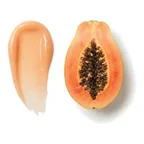 Papain
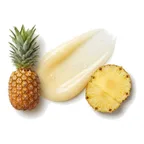 Bromelain
 Niacinamide
 Sodium Hyaluronate
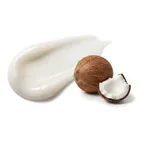 Coconut Fruit Extract
High
- HighNormal Skin Fit
- HighEffectiveness
- HighSafety
A great choice for sensitive skin; a few products fit it even better.
This fit is calculated for the concerns frequently associated with sensitive skin: redness, stinging, and reactions to new products. For scores and recommendations based on your full skin profile, including your 12D face scan results and any goals or preferences you have, please use the Lovi app.
Updated How the Fit score works
Lovi Assistant explains
- Highly suitable for your normal skin, the papain and bromelain offer effective keratolytic action while niacinamide aids in barrier repair, addressing your redness and irritation.
- The inclusion of panthenol further supports soothing and anti-inflammatory benefits, enhancing overall skin comfort.
- The product is safe for your sensitive skin, as it lacks harsh ingredients and prohibited substances, minimizing the risk of irritation.
How to apply
- Use your exfoliant PM once a week to help with redness and irritation. Start slowly and only increase frequency if your skin feels happy and comfortable.
- Apply the exfoliant after cleansing and toner , but always before your moisturizer . This ensures the product absorbs properly into the skin.
- Gently press 2-3 drops of the exfoliant into your skin without rubbing . Let it absorb for a minute before moving on.
- Since your skin is sensitive , apply the exfoliant on completely dry skin for the best tolerance. This helps prevent any extra stinging or discomfort.
- Always do a patch test before your first use and avoid the delicate eye area .
People Say
★4.6Overall rating based on 5.6k+ reviewsBased on a very large amount of data, this exfoliating peel is highly praised for its gentle yet effective exfoliation, resulting in smoother skin texture and a visible glow. It is particularly favored by those with sensitive, dry, or mature skin. While many appreciate its affordable price, a significant number of users find it difficult to rinse off, and some mention a moderate issue with its scent and texture.
Highlights
Gentle exfoliation Mostly Mentioned
- “Non-abrasive”
- “perfect for sensitive skin”
- “not harsh at all”
Smooths skin texture Mostly Mentioned
- “Leaves skin soft”
- “removes dry patches”
- “skin feels smoother”
Visible glow Often Mentioned
- “Reveals a glow”
- “skin looks radiant”
- “makeup-ready skin”
Difficult to rinse Often Mentioned
- “Hard to wash off”
- “clings to hairline”
- “leaves residue”
Affordable price Sometimes Noted
- “Great bargain”
- “worth the money”
- “affordable option”
Unpleasant scent Sometimes Noted
- “Smells like chemicals”
- “scent is horrible”
- “strong smell”
Messy application Rarely Noted
- “Gets everywhere”
- “water all over floor”
- “hard to clean up”
Sticky texture Rarely Noted
- “Feels rubbery”
- “sticky consistency”
- “feels synthetic”
Sources: lovi.care, blissworld.com, iherb.com, influenster.com, skinsort.com, thebitterlemon.com, and more
Questions and answers
What makes Bliss Jelly Glow Peel a great fit for sensitive skin?
Bliss Jelly Glow Peel is a great fit for sensitive skin because its papain and bromelain gently smooth the surface while niacinamide helps repair your skin barrier to calm redness. Panthenol further adds a soothing touch, and the formula avoids harsh ingredients to keep your skin comfortable and safe from irritation.
American Journal of Clinical Dermatology, 2002The Journal of Dermatological Treatment, 2017
Which ingredients make this exfoliant a good fit for sensitive skin?
Papain and bromelain provide gentle smoothing action while niacinamide helps calm redness and irritation. Panthenol adds soothing benefits to keep sensitive skin comfortable.
What does Papain do for sensitive skin?
Papain is generally a weak fit for sensitive skin because its exfoliating action may disrupt the skin barrier and cause irritation. Products of this type need soothing ingredients and gentle, calming agents to protect sensitive skin from harshness.
The Journal of Investigative Dermatology, 2015Journal of Cosmetic Dermatology, 2022
What does Bromelain do for sensitive skin?
Bromelain may help calm sensitive skin because it helps lower inflammation and supports the skin barrier. However, because it is an exfoliating enzyme, it can sometimes cause irritation if the skin is very reactive or easily red.
Scientific Reports, 2026Toxicology and Applied Pharmacology, 2008
Where does it go in a skincare routine for sensitive skin?
This treatment goes in the evening routine after your toner and before your moisturizer. Start by using it just once a week to help your sensitive skin adjust safely.
Can I use this exfoliant with retinol, and in what order?
Using this exfoliant with retinol can easily overwhelm sensitive skin, so it is best to use them on different nights or alternate evenings to prevent redness and irritation. When you do use the exfoliant, apply it to clean skin before your moisturizer, keeping your retinol routine for a completely separate night.
How often should I use it?
Start by using it once a week to see how your skin reacts. If your skin feels comfortable and handles it well, you may carefully increase how often you use it.
Can this exfoliant clog pores, cause breakouts or purging for sensitive skin?
This exfoliant is unlikely to clog pores or cause breakouts for sensitive skin since it is free of harsh ingredients that commonly trigger irritation. The panthenol included helps calm redness and keeps skin comfortable.
American Journal of Clinical Dermatology, 2002The Journal of Dermatological Treatment, 2017
Is it fragrance-free and alcohol-free?
It has no drying alcohol and contains fragrance (linalool).
What the research says
Exposure to a Kiperin Bromelain & Papain complex at 2.5 µg/mL increased cell viability, altered wound closure, decreased inflammation-related gene expression, and increased skin barrier/keratinization gene expression in CCD-18Co colon fibroblasts, HME-1 mammary epithelial cells, and HaCaT keratinocytes.
Scientific Reports, 2026Topical dexpanthenol acts as a moisturizer, improves stratum corneum hydration, accelerates wound healing and epidermal regeneration, reduces erythema, and improves symptoms of skin irritation compared to vehicle or no pretreatment.
American Journal of Clinical Dermatology, 2002A new topical panthenol-containing emollient significantly improved transepidermal water loss reduction, stratum corneum hydration, and intercellular lipid lamellae length compared with control in healthy subjects without negatively impacting bacterial viability.
The Journal of Dermatological Treatment, 2017Topical papain treatment may slightly decrease pain within 30 minutes in humans stung by Chrysaora chinensis compared to placebo.
Wilderness & Environmental Medicine, 2016A fixed combination of hydroxypinacolone retinoate, retinol glycospheres, and papain glycospheres in aqueous gel applied once daily for 12 weeks achieved a 41% mean reduction in GAGS score and a 40.8% mean reduction in total lesions, with 15.3% of patients experiencing mild to moderate local side effects, in 94 evaluable patients with comedonal-papular, mild to moderate acne of the face.
Giornale Italiano Di Dermatologia E Venereologia, 2015Incorporating 1, 2, and 5 percent papain into starch- and carboxymethyl cellulose-based films preserved proteolytic and skin exfoliation activity while improving mechanical properties and water solubility compared to control films, with immobilized enzyme maintaining stability for up to 90 days.
International Journal of Biological Macromolecules, 2023Topical nicotinamide prevented solar-simulated UV-induced immunosuppression in healthy volunteers, and men experienced immunosuppression at solar-simulated UV doses three times lower than those required for women.
The Journal of Investigative Dermatology, 2008Topical 5% niacinamide applied twice daily for 12 weeks reduced fine lines and wrinkles, hyperpigmented spots, red blotchiness, and skin sallowness, and improved skin elasticity compared to vehicle control in 50 female white subjects with facial photoaging.
Dermatologic Surgery, 2005Topical 2% niacinamide significantly decreased sebum excretion rate in Japanese individuals and casual sebum levels in Caucasian individuals compared to placebo or baseline.
Journal of Cosmetic and Laser Therapy, 2006Topical application of 0.1% hyaluronic acid formulations of different molecular weights led to significant improvements in skin hydration and elasticity, with low-molecular-weight formulations also significantly reducing wrinkle depth in seventy-six female subjects compared to a vehicle control.
Journal of Drugs in Dermatology, 2011Topical hyaluronic acid serum used twice daily by 40 females with facial photoaging produced an immediate 134% increase in skin hydration, a sustained 55% increase at week 6, and significant improvements in smoothness, plumping, fine lines, wrinkles, and global appearance without causing irritation.
Dermatology and Therapy, 2021A topical antioxidant serum significantly reduced air pollution-induced skin pigmentation and proinflammatory gene expression ex vivo, and improved skin aging signs in 40 healthy adult females after 90 days of daily use.
Journal of Cosmetic Dermatology, 2022Overnight virgin coconut oil application provides a skin protective effect against damage and increased TEWL from frequent alcohol-based hand sanitizer usage in 60 volunteers, resulting in a 25% increase in perceived moisture content compared to the control group.
Journal of Cosmetic Dermatology, 2021
Ingredients
Water, Glycerin, Diglycerin, Carbomer, Cetrimonium Chloride, Glycereth-26, Panthenol, Niacinamide, Panthenyl Triacetate, Coconut Fruit Extract, Pyrus Malus Extract Cell Fruit Culture, Papain, Bromelain, Sodium Hyaluronate, Lecithin, Lactobacillus, Lactobacillus Ferment, Xanthan Gum, Saccharide Isomerate, Hydroxypropylcellulose, Cellulose, Maltodextrin, Sodium Citrate, Phenoxyethanol, Ethylhexylglycerin, Citric Acid, Lavandula Angustifolia Oil Lavender Oil, Salvia Officinalis Oil, Pelargonium Graveolens Oil Flower, Linalool, Ci 16035
Behind this fit score
Lovi calculates every fit score from the full ingredient list with brand-independent rules our dermatologists and cosmetic chemists build and review, and personalizes every pick with AI trained on the real results of millions of users. Lovi trains its fit score models on a proprietary dataset built from more than 10,000 expert-labeled products and more than 100,000 simulated examples, following an internally consistent methodology presented at Cosmoprof, AMWC, and Skin of Color Update.
-

Co-founder, Medical Director
Cosmetic chemist, cosmetologist, aesthetic products developer
-

Co-founder, CEO and CTO
PhD in computer science, 3x US patent holder, ex-Google, ex-Yandex
-

Dr. Sofía Perea Pérez, MD, MSc
Medical Board
Aesthetic medicine practitioner, MSc in Longevity and Anti-Aging Medicine
-

Medical Board
Specialist dermatologist, MBBS, MD, IFAAD
-

Medical Board
Cosmetic chemist, SCS, IFSCC member
-

Medical Board, Medical Advisor
Dermatology MD
-

Elina Nazarenko, MD
Medical Board
Dermatology and diagnostic consultant
-

Victoria Derkova, MS
Medical Board
Cosmetic chemist, cosmetic development technologist


How does it fit your skin?
Scan your face, then any product: Lovi shows how well it fits you and what fits even better.