
Bioderma Sensibio Lait Cleansing Milk for acne-prone skin

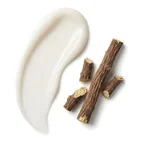 Glycyrrhetinic Acid
 Squalane
 Mannitol
 Rhamnose
 Laminaria Ochroleuca Extract
High
- AverageCombination Skin Fit
- AverageEffectiveness
- HighSafety
A great choice for acne-prone skin; a few pre-cleansers fit it even better.
- Clinical, Cosmetic and Investigational Dermatology, 2017
- Clinical, Cosmetic and Investigational Dermatology, 2015
This fit is calculated for the concerns frequently associated with acne-prone skin: breakouts, blackheads, and post-acne marks. For scores and recommendations based on your full skin profile, including your 12D face scan results and any goals or preferences you have, please use the Lovi app.
Updated How the Fit score works
Lovi Assistant explains
- Offers moderate suitability for your combination skin as glycerin and squalane provide hydration and emollient benefits, though it lacks sufficient ingredients for optimal oil control.
- The mineral oil and glycerin aid in dissolving makeup and hydrating your skin, while Glycyrrhetinic Acid offers soothing properties that are supportive but not targeted for your acne, blemishes, and breakouts.
- The product is safe for your acne-prone skin, with no risks of irritation due to the absence of harsh ingredients and the presence of soothing components.
How to apply
- Use this makeup remover PM as the first step of your evening routine to clear away dirt and oil. Start 3x/week and work up to daily use if your combination skin tolerates it well.
- Apply this makeup remover before cleansing and using the rest of your skin products. This ensures all makeup and impurities are fully washed away.
- Gently press a small amount of the makeup remover onto your face using a soft cotton pad. Avoid rubbing the skin too harshly to prevent irritation.
- Apply the makeup remover on dry skin to easily dissolve makeup and clear out blemishes. There is no need to dampen your face beforehand.
- Do a patch test before first use to ensure your skin reacts well. Avoid the delicate eye area while applying.
People Say
★4.2Overall rating based on 100+ reviewsUsers with oily or combination skin often find it leaves a greasy film, and many users report it struggles to remove heavy waterproof makeup without a second cleanse.
Highlights
Extremely gentle Often Mentioned
- “soothes irritated skin”
- “never stings”
- “calms redness”
- “doesn't strip barrier”
Hydrating texture Often Mentioned
- “creamy consistency”
- “leaves skin soft”
- “moisturizing feel”
- “good for dry patches”
Leaves residue Often Mentioned
- “greasy film”
- “sticky after-feel”
- “waxy coating”
- “felt heavy”
Weak on makeup Often Mentioned
- “struggles with mascara”
- “doesn't remove waterproof”
- “requires double cleanse”
- “left foundation behind”
Versatile application Sometimes Noted
- “can tissue off”
- “rinse optional”
- “good morning cleanse”
- “use with cotton pad”
Contains mineral oil Rarely Noted
- “caused breakouts”
- “clogged pores”
- “dislike paraffin”
- “not for acne-prone”
Eye irritation Rarely Noted
- “cloudy vision”
- “stings eyes”
- “film over eyes”
- “migrates into eyes”
Sources: lovi.care, dermstore.com, skinsort.com, makeupalley.com, beautyandlifestylehunter.blogspot.com, beautifulbuns.wordpress.com, and more
Questions and answers
What makes Bioderma Sensibio Lait a great fit for acne-prone skin?
Bioderma Sensibio Lait Cleansing Milk is a great fit for your acne-prone skin because it is very safe and unlikely to cause irritation due to the absence of harsh ingredients and the presence of soothing components like Glycyrrhetinic Acid. Glycerin and squalane provide hydration to keep your skin soft while dissolving makeup.
Which ingredients make this cleanser a good fit for acne-prone skin?
Glycerin and squalane help hydrate your skin while mineral oil gently dissolves makeup, and Glycyrrhetinic Acid provides soothing properties. These components work together safely to cleanse without causing irritation, making it a great match for your acne-prone skin.
What does Glycyrrhetinic Acid do for acne-prone skin?
Glycyrrhetinic acid helps improve acne-prone skin by calming redness and keeping the skin clear. It works by reducing swelling and balancing oil production.
Molecules, 2024International Journal of Cosmetic Science, 2019
What does Squalane do for acne-prone skin?
Squalane is generally a poor fit for acne-prone skin because natural squalene levels can already be elevated in acne, and oxidized forms may trigger inflammation. An acne-prone skin type needs lightweight, non-clogging hydration with ingredients that help balance oil and calm irritation without heavy oils.
The Journal of Investigative Dermatology, 2006Dermato-endocrinology, 2009
Where does this cleanser go in a skincare routine for acne-prone skin?
This makeup remover goes in the evening routine before your cleanser, and as the first step of your weekly routine. It is safe for your acne-prone skin and is unlikely to cause irritation.
Can I use this cleanser with retinol, and in what order?
You can use this makeup remover in the evening before your cleanser and retinol treatment as it helps dissolve makeup safely without irritation. A barrier-enhancing routine step beforehand supports skin tolerability during retinol use.
How often should I use this cleanser?
You can use this makeup remover in the evening as the first step of your routine. It is gentle and safe for acne-prone skin, helping to dissolve makeup while keeping your skin calm.
Can this cleanser clog pores, cause breakouts or purging for acne-prone skin?
This cleanser is safe for your acne-prone skin and is unlikely to cause irritation, breakouts, or purging due to the absence of harsh ingredients and the presence of soothing components. Glycyrrhetinic acid helps calm your skin, though it is not specifically targeted for managing acne blemishes.
Is this cleanser fragrance-free and alcohol-free?
Yes, it has no fragrance and no drying alcohol.
What the research says
A single application of a moisturizing fluid containing hyaluronic acid 1%, glycerin 5%, and Centella asiatica stem cells extract significantly increased skin hydration by 29% and reduced transepidermal water loss at 24 hours compared to baseline and an untreated control site in twenty healthy women.
Clinical, Cosmetic and Investigational Dermatology, 2017A dermocosmetic containing bakuchiol, Ginkgo biloba extract, and mannitol improves inflammatory lesions, Investigator Global Assessment, and seborrhea intensity when added to adapalene 0.1% gel in patients with acne vulgaris.
Clinical, Cosmetic and Investigational Dermatology, 2015Topical application of B-Resorcinol and Glycyrrhetinic acid effectively lightens hand solar lentigines after 4 weeks of treatment both with and without prior fractional laser photothermolysis, showing no statistical difference between the two approaches.
Journal of Cosmetic Dermatology, 2016Glycyrrhetinic acid inhibited skin 11 beta-hydroxysteroid dehydrogenase and potentiated the vasoconstrictor action of hydrocortisone.
Lancet, 1990Hyaluronic acid-coated ethosomes improved the topical delivery, skin retention, keratinocyte uptake, anti-inflammatory activity, and barrier-restoring effects of glycyrrhetinic acid compared to free drug and unmodified ethosomes in cellular and 3D skin models.
Pharmaceutics, 2026Application of fullerene-C60 dissolved in squalane cream twice daily for 8 weeks significantly enhanced skin moisture and reduced wrinkle formation compared to placebo in 23 Japanese women without severe side effects.
Journal of Nanoscience and Nanotechnology, 2010Squalane at 0.005-0.015% counteracts UVA-induced oxidative stress, inflammation, and collagen metabolism inhibition while stimulating fibroblast migration in human dermal fibroblasts.
Molecules, 2025Plant-derived squalane protected human dermal fibroblasts against UVA-induced damage by counteracting ROS formation, suppressing apoptosis-related proteins p53, caspase-3, caspase-9, and PARP, and restoring the pro-survival p-Akt/mTOR pathway.
Antioxidants, 2025Combining ectoine and mannitol with UV filters significantly improved protection of squalene oxidation, catalase activity, and trans-UCA compared to UV filters alone in 10 subjects on irradiated areas.
Journal of Cosmetic Dermatology, 2024Visible and UVA/visible lights induced DNA damage and micronuclei in a dose-dependent manner in human keratinocytes and CHO cells, and this damage was reduced by preincubation with ectoin, L-ergothioneine, mannitol, and various sunscreens.
Journal of Photochemistry and Photobiology. B, Biology, 2008Rhamnose exerts beneficial anti-ageing effects on the papillary dermis and dermal-epidermal junction, including increased collagen IV and procollagen I production in vivo.
International Journal of Cosmetic Science, 2019Hesperidin, hesperetin, rutinose, and rhamnose reduced MMP-1 and MMP-2 levels, while rutinose and rhamnose also inhibited elastase, hyaluronidase, and collagenase and increased collagen I production in young and physiologically aged normal human dermal fibroblasts.
Molecules, 2023
Ingredients
Water, Glycerin, Cetearyl Isononanoate, Paraffinum Liquidum Mineral Oil, Mannitol, Xylitol, Rhamnose, Fructooligosaccharides, Laminaria Ochroleuca Extract, Glycyrrhetinic Acid, Squalane, Pentylene Glycol, Caprylic Capric Triglyceride, Acrylates C10-30 Alkyl Acrylate Crosspolymer, Hydroxyethyl Acrylate Sodium Acryloyldimethyl Taurate Copolymer, Polysorbate 60, Tocopherol, Ethylhexylglycerin, Disodium Edta, Sodium Hydroxide
Behind this fit score
Lovi calculates every fit score from the full ingredient list with brand-independent rules our dermatologists and cosmetic chemists build and review, and personalizes every pick with AI trained on the real results of millions of users. Lovi trains its fit score models on a proprietary dataset built from more than 10,000 expert-labeled products and more than 100,000 simulated examples, following an internally consistent methodology presented at Cosmoprof, AMWC, and Skin of Color Update.
-

Co-founder, Medical Director
Cosmetic chemist, cosmetologist, aesthetic products developer
-

Co-founder, CEO and CTO
PhD in computer science, 3x US patent holder, ex-Google, ex-Yandex
-

Dr. Sofía Perea Pérez, MD, MSc
Medical Board
Aesthetic medicine practitioner, MSc in Longevity and Anti-Aging Medicine
-

Medical Board
Specialist dermatologist, MBBS, MD, IFAAD
-

Medical Board
Cosmetic chemist, SCS, IFSCC member
-

Medical Board, Medical Advisor
Dermatology MD
-

Elina Nazarenko, MD
Medical Board
Dermatology and diagnostic consultant
-

Victoria Derkova, MS
Medical Board
Cosmetic chemist, cosmetic development technologist


How does it fit your skin?
Scan your face, then any product: Lovi shows how well it fits you and what fits even better.