
Bioderma Sensibio Defensive for sensitive skin

 Glycerin
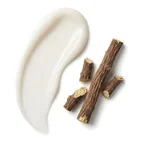 Glycyrrhetinic Acid
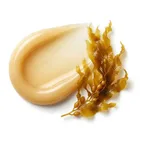 Laminaria Ochroleuca Extract
 Tocopherol
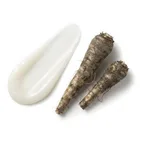 Fructooligosaccharides
High
- HighNormal Skin Fit
- AverageEffectiveness
- HighSafety
A great choice for sensitive skin; a few moisturizers fit it even better.
This fit is calculated for the concerns frequently associated with sensitive skin: redness, stinging, and reactions to new products. For scores and recommendations based on your full skin profile, including your 12D face scan results and any goals or preferences you have, please use the Lovi app.
Updated How the Fit score works
Lovi Assistant explains
- Highly suitable for your normal skin, this product contains glycerin and fructooligosaccharides for humectant action, and tocopherol for antioxidant benefits, while also addressing your redness and irritation with Glycyrrhetinic Acid and Laminaria Ochroleuca Extract for soothing and anti-inflammatory effects.
- It offers moderate moisturizing due to glycerin and xylitol, enhancing barrier resilience.
- The safety profile is excellent, with no risks of irritation for your sensitive skin due to the absence of harsh ingredients and the presence of soothing components.
How to apply
- Use this soothing AM and PM routine every day to keep your normal skin calm. Always remember to apply SPF in the morning after your moisturizer.
- Apply your moisturizer after your toner in the morning, and after your serum in the evening. This step locks in hydration and protects your skin.
- Gently press a small amount of the moisturizer evenly across your face. Avoid rubbing to keep your sensitive skin happy and calm.
- You can apply this gentle formula on dry or slightly damp skin for the best comfort. It works wonderfully on clean skin to soothe redness and irritation.
- Do a patch test before your very first use to check your skin's reaction. Avoid getting the product directly into your eyes .
Questions and answers
What makes Bioderma Sensibio Defensive a great fit for sensitive skin?
Bioderma Sensibio Defensive is a great fit because it uses glycerin and xylitol to keep skin hydrated and strong, while glycyrrhetinic acid and Laminaria Ochroleuca extract help calm redness and irritation. It also has a very safe formula with no harsh ingredients, making it unlikely to cause any irritation on delicate skin.
Which ingredients make this cream a good fit for sensitive skin?
Glycerin, glycyrrhetinic acid, laminaria ochroleuca extract, tocopherol, and fructooligosaccharides make this cream a great fit for sensitive skin by boosting hydration, calming redness, and providing antioxidant benefits. This combination is unlikely to cause irritation and helps keep the skin soft and smooth.
What does Glycerin do for sensitive skin?
Glycerin helps calm sensitive skin by improving moisture levels and supporting the protective barrier. It is unlikely to cause irritation and regularly helps keep dry and reactive skin feeling soft and smooth.
Clinical, Cosmetic and Investigational Dermatology, 2017Acta Dermato-venereologica, 2017
What does Glycyrrhetinic Acid do for sensitive skin?
Glycyrrhetinic acid helps calm redness and irritation in sensitive skin, while also supporting skin comfort. It is unlikely to cause irritation and works well to soothe dry or reactive areas.
Where does this cream go in a skincare routine for sensitive skin?
This cream goes in the evening routine as a treatment step after your toner and before your moisturizer. It is a great fit for sensitive skin because it calms redness and irritation while keeping your skin safely hydrated.
Can I use this cream with retinol, and in what order?
You can use this cream with retinol by applying the treatment first and following it with your retinol, or by using the treatment to calm your skin after retinol. This helps keep your skin comfortable and minimizes dryness or redness while you use retinol.
How often should I use this cream?
You can use this moisturizing treatment twice daily to keep your sensitive skin calm and well-hydrated. Regular application helps soothe irritation and supports your skin barrier without causing discomfort.
Journal of Cosmetic Dermatology, 2020Health Science Reports, 2021
Can this cream clog pores, cause breakouts or purging for sensitive skin?
This cream is unlikely to clog pores or cause breakouts for sensitive skin because it has an excellent safety profile without harsh ingredients. It helps keep skin calm and hydrated without heavy oils that typically trigger blemishes.
Can I use this cream around the eyes or on my body?
You can use this moisturizing treatment around the eyes and on the body because its soothing ingredients and excellent safety profile make it well suited for thinner skin areas. It helps calm redness and hydrate dry spots without causing irritation.
Is this cream fragrance-free and alcohol-free?
It has no drying alcohol and contains fragrance (parfum). Cetearyl alcohol is a fatty alcohol, which soften the skin.
What the research says
A formulation containing glycerol (5%) and xylitol (5%) applied twice daily for 14 days increased skin hydration, filaggrin protein quantity, interdigitation index, and biomechanical properties, and decreased transepidermal water loss compared to untreated and vehicle-treated skin in twelve volunteers with dry skin.
Acta Dermato-venereologica, 2017A single application of a moisturizing fluid containing hyaluronic acid 1%, glycerin 5%, and Centella asiatica stem cells extract significantly increased skin hydration by 29% and reduced transepidermal water loss at 24 hours compared to baseline and an untreated control site in twenty healthy women.
Clinical, Cosmetic and Investigational Dermatology, 2017The emollient V0034CR significantly reduced TEWL compared to vehicle and vehicle plus glycerol, and significantly increased corneometry scores compared to vehicle and vehicle plus petrolatum in healthy volunteers with dry skin, demonstrating combined barrier function improvement from petrolatum and hydration improvement from glycerol.
Journal of Cosmetic Dermatology, 2020Ten days of treatment with a cream containing 20% glycerin significantly increased skin hydration measured by corneometer values in 17 healthy volunteers compared to a placebo cream, but showed no influence on transepidermal water loss or skin sensitivity to an irritating surfactant.
International Journal of Cosmetic Science, 2001Niacinamide/glycerin body moisturizers provided better rapid and prolonged improvement of cosmetic xerosis through functional improvement of stratum corneum barrier function compared to no treatment and conventional moisturizers in female subjects.
Journal of Drugs in Dermatology, 2012Topical application of B-Resorcinol and Glycyrrhetinic acid effectively lightens hand solar lentigines after 4 weeks of treatment both with and without prior fractional laser photothermolysis, showing no statistical difference between the two approaches.
Journal of Cosmetic Dermatology, 2016Glycyrrhetinic acid inhibited skin 11 beta-hydroxysteroid dehydrogenase and potentiated the vasoconstrictor action of hydrocortisone.
Lancet, 1990Hyaluronic acid-coated ethosomes improved the topical delivery, skin retention, keratinocyte uptake, anti-inflammatory activity, and barrier-restoring effects of glycyrrhetinic acid compared to free drug and unmodified ethosomes in cellular and 3D skin models.
Pharmaceutics, 2026A topical serum containing vitamin C, vitamin E, and raspberry leaf cell culture extract improved skin color, elasticity, radiance, smoothness, scaliness, and wrinkles compared to the untreated contralateral side in fifty female volunteers.
Journal of Cosmetic Dermatology, 2020A nighttime topical antioxidant containing resveratrol, baicalin, and vitamin E significantly improved fine lines, wrinkles, firmness, elasticity, laxity, hyperpigmentation, radiance, roughness, and dermal thickness in subjects with mild to moderately photodamaged skin over 12 weeks.
Journal of Drugs in Dermatology, 2014A topical antioxidant serum significantly reduced air pollution-induced skin pigmentation and proinflammatory gene expression ex vivo, and improved skin aging signs in 40 healthy adult females after 90 days of daily use.
Journal of Cosmetic Dermatology, 2022
Ingredients
Water, Glycerin, Cetearyl Isononanoate, Cetearyl Alcohol, Glyceryl Stearate, Peg-100 Stearate, Mannitol, Xylitol, Rhamnose, Fructooligosaccharides, Laminaria Ochroleuca Extract, Tocopherol, Glycyrrhetinic Acid, Acrylates C10-30 Alkyl Acrylate Crosspolymer, Sodium Hydroxide, Caprylic Capric Triglyceride, 1,2-Hexanediol, Caprylyl Glycol, Pentylene Glycol, Xanthan Gum, Disodium Edta, Parfum
Behind this fit score
Lovi calculates every fit score from the full ingredient list with brand-independent rules our dermatologists and cosmetic chemists build and review, and personalizes every pick with AI trained on the real results of millions of users. Lovi trains its fit score models on a proprietary dataset built from more than 10,000 expert-labeled products and more than 100,000 simulated examples, following an internally consistent methodology presented at Cosmoprof, AMWC, and Skin of Color Update.
-

Co-founder, Medical Director
Cosmetic chemist, cosmetologist, aesthetic products developer
-

Co-founder, CEO and CTO
PhD in computer science, 3x US patent holder, ex-Google, ex-Yandex
-

Dr. Sofía Perea Pérez, MD, MSc
Medical Board
Aesthetic medicine practitioner, MSc in Longevity and Anti-Aging Medicine
-

Medical Board
Specialist dermatologist, MBBS, MD, IFAAD
-

Medical Board
Cosmetic chemist, SCS, IFSCC member
-

Medical Board, Medical Advisor
Dermatology MD
-

Elina Nazarenko, MD
Medical Board
Dermatology and diagnostic consultant
-

Victoria Derkova, MS
Medical Board
Cosmetic chemist, cosmetic development technologist


How does it fit your skin?
Scan your face, then any product: Lovi shows how well it fits you and what fits even better.