
Bifesta Eye Makeup Remover for acne-prone skin

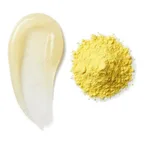 Vitamin B Derivatives
 Vitamin E Tocopheryl Acetate
 Hydroxypropyltrimonium Hyaluronate
 Panthenol
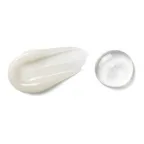 Mineral Oil
Average
- HighCombination Skin Fit
- AverageEffectiveness
- HighSafety
Works for acne-prone skin; other pre-cleansers fit it better.
This fit is calculated for the concerns frequently associated with acne-prone skin: breakouts, blackheads, and post-acne marks. For scores and recommendations based on your full skin profile, including your 12D face scan results and any goals or preferences you have, please use the Lovi app.
Updated How the Fit score works
Lovi Assistant explains
- Offers moderate benefits for your combination skin, as Panthenol and Tocopheryl Acetate provide antioxidant activity and barrier repair, but these ingredients do not directly address your primary concerns of acne, blemishes, and breakouts.
- The formula is highly suitable for combination skin and safe due to the absence of harsh ingredients, ensuring no irritation.
- Its primary function is excellent makeup removal, which is a supportive benefit rather than a direct treatment for your skin issues.
How to apply
- Use this makeup remover PM as the first step of your evening routine to clear away dirt and oil. Start 3x/week and work up to daily use if your combination skin tolerates it well.
- Apply this makeup remover before cleansing and using the rest of your skin products. This ensures all makeup and impurities are fully washed away.
- Gently press a small amount of the makeup remover onto your face using a soft cotton pad. Avoid rubbing the skin too harshly to prevent irritation.
- Apply the makeup remover on dry skin to easily dissolve makeup and clear out blemishes. There is no need to dampen your face beforehand.
- Do a patch test before first use to ensure your skin reacts well. Avoid the delicate eye area while applying.
Questions and answers
How well does Bifesta Eye Makeup Remover work for acne-prone skin?
Bifesta Bifesta Eye Makeup Remover works moderately well for acne-prone skin, as it gently removes makeup and provides antioxidant and barrier repair benefits through ingredients like Panthenol and Tocopheryl Acetate, but it does not directly address breakouts. Makeup removers that fit acne-prone skin better need nourishing plant oils and soothing extracts that calm blemishes without causing irritation or clogged pores.
The Journal of Dermatological Treatment, 2017American Journal of Clinical Dermatology, 2002
What does Vitamin B do for acne-prone skin?
For acne-prone skin, Vitamin B helps calm redness, reduce blemishes, and balance oil production. It also supports the skin barrier, making it less prone to irritation from acne treatments.
International Journal of Cosmetic Science, 2020Journal of Cosmetic Dermatology, 2024
Where does it go in a skincare routine for acne-prone skin?
Bifesta Bifesta Eye Makeup Remover goes in the evening routine before your cleanser to gently take off makeup. This product works well for your skin type, though acne-prone skin needs targeted ingredients like salicylic acid or benzoyl peroxide to directly manage blemishes and breakouts.
Can I use it with retinol, and in what order?
You can use this makeup remover in the evening before your cleanser and retinol routine, as it is safe and unlikely to cause irritation. This type of product needs barrier-repairing and soothing ingredients like panthenol and vitamin E to help keep skin calm while using stronger treatments.
The Journal of Dermatological Treatment, 2017American Journal of Clinical Dermatology, 2002
Is it fragrance-free and alcohol-free?
It has no fragrance and contains drying alcohol (alcohol).
What the research says
A new topical panthenol-containing emollient significantly improved transepidermal water loss reduction, stratum corneum hydration, and intercellular lipid lamellae length compared with control in healthy subjects without negatively impacting bacterial viability.
The Journal of Dermatological Treatment, 2017Topical dexpanthenol acts as a moisturizer, improves stratum corneum hydration, accelerates wound healing and epidermal regeneration, reduces erythema, and improves symptoms of skin irritation compared to vehicle or no pretreatment.
American Journal of Clinical Dermatology, 2002Dermatological products containing d-alpha tocopheryl acetate showed non-comedogenic potential with less than a 50% increase in microcomedones in 12 healthy male subjects compared to octyl palmitate.
Contemporary Clinical Trials Communications, 2021Niacinamide treatment mitigated environmental stress-induced inflammatory mediators and restored Lamin B1 levels in human epidermal keratinocytes, and reduced erythema and inflammatory biomarkers in a UV challenge clinical study of 40 female panelists compared to vehicle control.
International Journal of Cosmetic Science, 2020A topical serum containing vitamin C, vitamin E, and raspberry leaf cell culture extract improved skin color, elasticity, radiance, smoothness, scaliness, and wrinkles compared to the untreated contralateral side in fifty female volunteers.
Journal of Cosmetic Dermatology, 2020A nighttime topical antioxidant containing resveratrol, baicalin, and vitamin E significantly improved fine lines, wrinkles, firmness, elasticity, laxity, hyperpigmentation, radiance, roughness, and dermal thickness in subjects with mild to moderately photodamaged skin over 12 weeks.
Journal of Drugs in Dermatology, 2014A topical antioxidant serum significantly reduced air pollution-induced skin pigmentation and proinflammatory gene expression ex vivo, and improved skin aging signs in 40 healthy adult females after 90 days of daily use.
Journal of Cosmetic Dermatology, 2022Topical application of 0.1% hyaluronic acid formulations of different molecular weights led to significant improvements in skin hydration and elasticity, with low-molecular-weight formulations also significantly reducing wrinkle depth in seventy-six female subjects compared to a vehicle control.
Journal of Drugs in Dermatology, 2011Topical hyaluronic acid serum used twice daily by 40 females with facial photoaging produced an immediate 134% increase in skin hydration, a sustained 55% increase at week 6, and significant improvements in smoothness, plumping, fine lines, wrinkles, and global appearance without causing irritation.
Dermatology and Therapy, 2021Daily use of multi-weight hyaluronic acid plus antioxidant complex-based topical formulations significantly improved skin moisturization within 30 minutes and reduced dryness, roughness, fine lines, and wrinkles as early as two weeks compared to baseline.
The Journal of Clinical and Aesthetic Dermatology, 2024Topical dexpanthenol formulated in lipophilic vehicles improved stratum corneum hydration and reduced transepidermal water loss compared to vehicle control in humans.
Arzneimittel-Forschung, 2000A combination serum containing galactomyces ferment filtrate, dexpanthenol, and Centella asiatica effectively treated post-acne hyperpigmentation in subjects with colored skin by significantly increasing lightness scores in Fitzpatrick skin type V and reducing the melanin index in Fitzpatrick skin type IV compared to placebo.
Skinmed, 2021A cream containing panthenol, prebiotics, and probiotic lysate improved facial sensitive skin symptoms and skin barrier function in 110 participants over 28 days.
Skin Research and Technology, 2024Repetitive wiping with lotioned disposable handkerchiefs containing fatty alcohols and mineral oils significantly improved skin barrier recovery compared to non-lotioned control handkerchiefs on tape-stripped forearm skin of 40 subjects over a three-day protocol.
Skin Research and Technology, 2008Daily bathing with an emulsified lanolin and mineral oil bath additive significantly reduced dry skin severity on the lower legs of patients compared to usual bath soap over 17 days.
Cutis, 1981A lubricant mixture of 20 wt% beeswax, 40 wt% olive oil, and 40 wt% mineral oil reduced the instantaneous and 4-hour coefficient of friction by 87% and 59%, respectively, compared to unlubricated skin in seven participants.
Scientific Reports, 2021
Why other pre-cleansers fit acne-prone skin better
Co-delivery of paeonol and madecassoside via nanoemulsions improved transdermal delivery, promoted barrier repair proteins, inhibited inflammatory cytokine secretion in cellular and 3D models, and reduced transepidermal water loss and acne in human facial skin compared to free components.
Molecules, 2023Clay jojoba oil facial masks reduced total skin lesions by a mean of 54% after 6 weeks in 133 participants with acne-prone, lesioned skin and mild acne compared to baseline.
Forschende Komplementarmedizin, 2012
Ingredients
Water, Mineral Oil, Cyclopentasiloxane, Hydrogenated Polyisobutene, Alcohol, Peg-400, Sodium Chloride, Ppg-2-Deceth-7, Pca Ethyl Cocoyl Arginate, Disodium Edta, Pentylene Glycol, Panthenol, Tocopheryl Acetate, Peg-6 Caprylic Capric Glycerides, Hydroxypropyltrimonium Hyaluronate
Behind this fit score
Lovi calculates every fit score from the full ingredient list with brand-independent rules our dermatologists and cosmetic chemists build and review, and personalizes every pick with AI trained on the real results of millions of users. Lovi trains its fit score models on a proprietary dataset built from more than 10,000 expert-labeled products and more than 100,000 simulated examples, following an internally consistent methodology presented at Cosmoprof, AMWC, and Skin of Color Update.
-

Co-founder, Medical Director
Cosmetic chemist, cosmetologist, aesthetic products developer
-

Co-founder, CEO and CTO
PhD in computer science, 3x US patent holder, ex-Google, ex-Yandex
-

Dr. Sofía Perea Pérez, MD, MSc
Medical Board
Aesthetic medicine practitioner, MSc in Longevity and Anti-Aging Medicine
-

Medical Board
Specialist dermatologist, MBBS, MD, IFAAD
-

Medical Board
Cosmetic chemist, SCS, IFSCC member
-

Medical Board, Medical Advisor
Dermatology MD
-

Elina Nazarenko, MD
Medical Board
Dermatology and diagnostic consultant
-

Victoria Derkova, MS
Medical Board
Cosmetic chemist, cosmetic development technologist


How does it fit your skin?
Scan your face, then any product: Lovi shows how well it fits you and what fits even better.