
BeautyStat Universal C Eye Perfector for acne-prone skin

 Ascorbic Acid
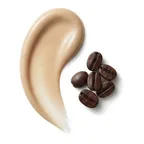 Caffeine
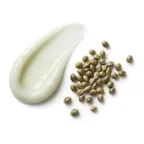 Cannabis Sativa Seed Oil
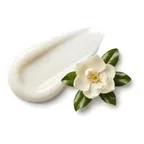 Magnolia Grandiflora Bark Extract
 Sodium Hyaluronate
Average
- AverageCombination Skin Fit
- AverageEffectiveness
- HighSafety
Works for acne-prone skin; other eye cares fit it better.
This fit is calculated for the concerns frequently associated with acne-prone skin: breakouts, blackheads, and post-acne marks. For scores and recommendations based on your full skin profile, including your 12D face scan results and any goals or preferences you have, please use the Lovi app.
Updated How the Fit score works
Lovi Assistant explains
- Offers moderate brightening and smoothing for your combination skin due to ascorbic acid and tartaric acid, which help improve tone and texture, but lacks sufficient ingredients for optimal oil control on your oily areas.
- The presence of Camellia Sinensis Leaf Extract provides antioxidant activity, offering general skincare benefits like hydration and protection, but the formula is irrelevant for your acne, blemishes, and breakouts due to the lack of targeted ingredients.
- The safety profile is excellent, with no risks of irritation for your combination skin due to the absence of prohibited or harsh ingredients.
Buy online

Prices checked 20 Nov 2026
The Lovi Fit is the same in every country; only the stores and prices differ, and the ones here are for Europe.
People Say
★4.6Overall rating based on 1.9k+ reviewsBased on a very large amount of data, this eye cream is widely praised for its ability to brighten dark circles, smooth fine lines, and firm the delicate skin around the eyes. Most users appreciate its hydrating and transformative effects on mature or tired skin, though some note that the unique, slightly grainy texture requires careful layering to avoid pilling.
Highlights
Effective brightening Mostly Mentioned
- “Noticeable difference in discoloration”
- “Eyes look much brighter”
- “Fades dark circles”
Hydrating formula Often Mentioned
- “Leaves skin soft and hydrated”
- “Deeply hydrating”
- “Feels firm and hydrated”
Smooths fine lines Often Mentioned
- “Plumps fine lines”
- “Softens crow's feet”
- “Makes wrinkles less noticeable”
Gentle on sensitivity Sometimes Noted
- “Works great on sensitive skin”
- “Does not irritate”
- “No stinging”
Grainy consistency Sometimes Noted
- “Small sharp beads in formula”
- “Slightly grainy texture”
- “Takes time to break down”
Texture issues Sometimes Noted
- “Can pill with other products”
- “Texture is finicky”
- “Not smooth immediately”
Layering difficulty Rarely Noted
- “Hard to layer with sunscreen”
- “Requires experimentation”
- “Not for those wanting a simple serum feel”
Sources: lovi.care, dermstore.com, ulta.com, skintskincare.com, beautystat.com, lolassecretbeautyblog.com, and more
Questions and answers
How well does the Universal C Eye Perfector work for acne-prone skin?
BeautyStat Universal C Eye Perfector works reasonably well for acne-prone skin, though other products fit it better. It helps brighten and smooth the eye area, but an eye care product for this skin needs targeted ingredients for blemishes and oil control alongside soothing, hydrating components that do not clog pores.
Which ingredients make this cream a good fit for acne-prone skin?
BeautyStat Universal C Eye Perfector is an average fit for acne-prone skin because it lacks targeted ingredients for breakouts, though it is safe and provides gentle hydration and brightness. An eye care for acne-prone skin needs beneficial ingredients like niacinamide, tranexamic acid, and glutathione to target blemishes and uneven tone while maintaining overall skin health.
What does Vitamin C do for acne-prone skin?
Vitamin C helps clear up inflammatory breakouts and reduces acne spots when used consistently. It works by targeting acne-causing factors and calming the skin to make it look smoother and more even.
International Journal of Cosmetic Science, 2009Journal of Cosmetic Dermatology, 2010
What does Caffeine do for acne-prone skin?
Caffeine helps calm redness and protects acne-prone skin from daily stress with its antioxidant properties. It is unlikely to clog pores and may help support an even, smooth skin tone.
Where does it go in a skincare routine for acne-prone skin?
This eye care product goes in the evening treatment step, though it is only an average fit for your acne-prone skin because it lacks targeted ingredients for breakouts. To properly care for acne-prone skin, a product of this type needs blemish-clearing ingredients like salicylic acid or niacinamide to help control oil and keep pores clear.
Can I use this cream with retinol, and in what order?
You can use this eye cream with retinol, applying it before your retinol treatment. It has a safe formula that is unlikely to cause irritation for your acne-prone skin.
How often should I use it?
This eye care product may be used daily as part of your routine, as it is very safe and unlikely to cause irritation for your acne-prone skin. However, because it lacks targeted ingredients for blemishes, acne-prone skin needs a product with oil-controlling and blemish-clearing ingredients to get the best results.
Can this cream clog pores, cause breakouts or purging for acne-prone skin?
This eye care product is unlikely to irritate acne-prone skin due to a very safe formula, though it does not target breakouts. For acne-prone skin, a product of this type needs targeted blemish-fighting ingredients and oil-controlling properties to manage breakouts effectively.
Is it fragrance-free and alcohol-free?
Yes, it has no fragrance and no drying alcohol.
What the research says
A topical serum containing vitamin C, vitamin E, and raspberry leaf cell culture extract improved skin color, elasticity, radiance, smoothness, scaliness, and wrinkles compared to the untreated contralateral side in fifty female volunteers.
Journal of Cosmetic Dermatology, 2020Topical application of a 6% green tea extract formulation increased skin moisture, enhanced skin elasticity, and improved skin microrelief by reducing roughness in 24 volunteers compared to vehicle and control over 30 days.
Dermatologic Therapy, 2013Topical low-dose green tea extract reduces UVB-induced p53 expression and apoptosis in human skin keratinocytes compared to placebo.
Experimental Dermatology, 2009An anti-acne hydrogel containing Aloe barbadensis, Garcinia mangostana, and Camellia sinensis extracts showed superior antiacne and antiblotch activities compared to 1% clindamycin gel in sixty subjects with mild-moderate acne.
Clinical, Cosmetic and Investigational Dermatology, 2019Topical application of 5% vitamin C cream significantly improved global clinical scores, increased skin microrelief density, and induced elastic tissue repair in photoaged skin compared to excipient control in healthy female volunteers.
Experimental Dermatology, 2003Topical application of VC-IP cream twice daily for 8 weeks reduces periorbital wrinkles in female subjects compared to a placebo cream.
Journal of Cosmetic Dermatology, 2022Topical treatment with 5% vitamin C and 0.1% madecassoside significantly improved clinical scores for wrinkles, suppleness, firmness, roughness, and skin hydration, along with functional and structural remodeling of the elastic fiber network in 20 female volunteers with photoaged skin after 6 months compared to baseline.
Experimental Dermatology, 2008Topical sunscreen formulations containing caffeine combined with UV filters increased in vivo anti-UVB protection by approximately 25% and showed higher SPF values compared to caffeine-free sunscreen, while being well tolerated by the skin of healthy subjects.
Frontiers in Physiology, 2019Topical caffeine acts as an active cosmetic compound by preventing excessive fat accumulation through phosphodiesterase inhibition, protecting cells against UV radiation with antioxidant properties, increasing skin microcirculation, and stimulating hair growth via 5-alpha-reductase inhibition.
Skin Pharmacology and Physiology, 2013Serum-free organ culture of human skin ex vivo induces extremely accelerated ageing within 3 days, which is counteracted by caffeine and 2,5-dimethylpyrazine treatments.
Experimental Dermatology, 2024Topical application of 0.1% hyaluronic acid formulations of different molecular weights led to significant improvements in skin hydration and elasticity, with low-molecular-weight formulations also significantly reducing wrinkle depth in seventy-six female subjects compared to a vehicle control.
Journal of Drugs in Dermatology, 2011Topical hyaluronic acid serum used twice daily by 40 females with facial photoaging produced an immediate 134% increase in skin hydration, a sustained 55% increase at week 6, and significant improvements in smoothness, plumping, fine lines, wrinkles, and global appearance without causing irritation.
Dermatology and Therapy, 2021A topical antioxidant serum significantly reduced air pollution-induced skin pigmentation and proinflammatory gene expression ex vivo, and improved skin aging signs in 40 healthy adult females after 90 days of daily use.
Journal of Cosmetic Dermatology, 2022
Why other eye cares fit acne-prone skin better
Sodium ascorbyl phosphate provides effective antimicrobial action, prevents sebum oxidation, and demonstrates superior clinical efficacy compared to a standard acne treatment in patients with acne vulgaris.
International Journal of Cosmetic Science, 2005A panthenol-enriched mask improved skin hydration, regulated sebum, and reduced redness and TEWL across dry sensitive, oily sensitive, and oily acne skin subgroups with excellent tolerance and no adverse reactions.
Journal of Cosmetic Dermatology, 2024Topical combination of 5% sodium ascorbyl phosphate and 0.2% retinol reduced inflammatory acne lesions by 29.28% at 4 weeks and 63.10% at 8 weeks, outperforming either agent alone.
International Journal of Cosmetic Science, 2009
Ingredients
Cyclopentasiloxane, Dimethicone, Polysilicone-11, Ascorbic Acid, Mica, Butyrospermum Parkii Butter Shea Butter, Silica, Titanium Dioxide Ci 77891, Cannabis Sativa Seed Oil, Cannabis Sativa Stem Extract Flower Leaf, Camellia Sinensis Leaf Extract, Tartaric Acid, Linoleic Acid, Hydroxyapatite, Cholesterol, Squalane, Creatine, Caffeine, Magnolia Grandiflora Bark Extract, Sodium Hyaluronate, Glabridin, Ormenis Multicaulis Oil, Pentaerythrityl Tetraisostearate, Salvia Sclarea Oil, Hordeum Vulgare Extract, Iron Oxides Ci 77491, Wheat Germ Oil
Behind this fit score
Lovi calculates every fit score from the full ingredient list with brand-independent rules our dermatologists and cosmetic chemists build and review, and personalizes every pick with AI trained on the real results of millions of users. Lovi trains its fit score models on a proprietary dataset built from more than 10,000 expert-labeled products and more than 100,000 simulated examples, following an internally consistent methodology presented at Cosmoprof, AMWC, and Skin of Color Update.
-

Co-founder, Medical Director
Cosmetic chemist, cosmetologist, aesthetic products developer
-

Co-founder, CEO and CTO
PhD in computer science, 3x US patent holder, ex-Google, ex-Yandex
-

Dr. Sofía Perea Pérez, MD, MSc
Medical Board
Aesthetic medicine practitioner, MSc in Longevity and Anti-Aging Medicine
-

Medical Board
Specialist dermatologist, MBBS, MD, IFAAD
-

Medical Board
Cosmetic chemist, SCS, IFSCC member
-

Medical Board, Medical Advisor
Dermatology MD
-

Elina Nazarenko, MD
Medical Board
Dermatology and diagnostic consultant
-

Victoria Derkova, MS
Medical Board
Cosmetic chemist, cosmetic development technologist


How does it fit your skin?
Scan your face, then any product: Lovi shows how well it fits you and what fits even better.