
Beauty of Joseon Rice Relief Sun Cream for sensitive skin

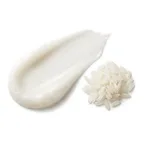 Rice Extract
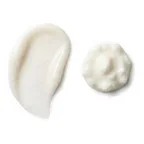 Probiotics
 Niacinamide
 Sodium Hyaluronate
Superior
- HighNormal Skin Fit
- HighEffectiveness
- ExcellentSafety
One of the best sunscreens for sensitive skin.
This fit is calculated for the concerns frequently associated with sensitive skin: redness, stinging, and reactions to new products. For scores and recommendations based on your full skin profile, including your 12D face scan results and any goals or preferences you have, please use the Lovi app.
Updated How the Fit score works
Lovi Assistant explains
- Excellent for your normal skin, the rice extract and niacinamide provide antioxidant activity and barrier repair, while also soothing redness and irritation. Panax ginseng root extract further calms the skin, enhancing its resilience.
- The formula offers excellent moisturizing and sun protection, with ingredients like kelp extract and coconut fruit extract contributing to hydration and barrier support.
- The product is safe for your sensitive skin, as it contains no harsh ingredients and includes soothing components like rice extract and niacinamide.
Buy online


Prices checked 20 Nov 2026
The Lovi Fit is the same in every country; only the stores and prices differ, and the ones here are for Europe.
How to apply
- Apply this moisturizing sunscreen AM daily as the final step of your morning routine. Always reapply every two hours when exposed to the sun.
- Apply after your regular moisturizer and before makeup. This product combines hydration and sun protection in one easy step.
- Gently smooth a nickel-sized amount evenly across your face and neck. Avoid rubbing harshly to keep sensitive skin calm.
- Apply the moisturizing sunscreen to clean , dry skin for the best protection. Let it absorb ⏱ fully before stepping outside.
- Avoid direct contact with your eyes. Do a patch test before your first use since your skin is sensitive.
People Say
★4.7Overall rating based on 60.0k+ reviewsBased on a very large amount of data, this sunscreen is highly praised for its ability to provide a dewy, glowy finish without a white cast, making it a favorite for dry and sensitive skin types. While generally well-tolerated, some users with oily or acne-prone skin have noted that fermented ingredients can occasionally lead to breakouts or that the product may feel too greasy in humid conditions.
Highlights
No white cast Mostly Mentioned
- “leaves absolutely no white cast”
- “blends completely clear on dark skin”
- “transparent finish instantly”
Dewy finish Often Mentioned
- “gives a healthy glow”
- “makes skin look radiant”
- “perfect dewy base for makeup”
Lightweight moisturizer Often Mentioned
- “feels just like a light lotion”
- “skips my morning moisturizer step”
- “absorbs quickly without heaviness”
Soothing sensitive skin Sometimes Noted
- “calmed my redness”
- “gentle and stinging-free”
Not sweat resistant Sometimes Noted
- “slides right off in the heat”
- “milky sweat dripping”
- “not for gym or beach days”
Too greasy Sometimes Noted
- “looked like a greaseball by noon”
- “too shiny for my T-zone”
- “felt heavy in humidity”
Can cause breakouts Rarely Noted
- “gave me tiny whiteheads”
- “triggered cystic acne”
- “fermented ingredients clogged my pores”
Stings eyes Rarely Noted
- “burns if it gets near eyes”
- “made my eyes water all day”
- “migrates into eyes when sweating”
Sources: lovi.care, iherb.com, stylekorean.com, reddit.com, yesstyle.com, youtube.com, and more
Questions and answers
What makes Beauty of Joseon Rice Relief Sun Cream one of the best fits for sensitive skin?
This sunscreen is one of the best fits because it contains no harsh ingredients and features soothing components like rice extract and niacinamide that calm irritation. It also includes coconut fruit extract and kelp extract, which help hydrate dry areas and support a healthy skin barrier.
Which ingredients make this cream a good fit for sensitive skin?
Rice extract and niacinamide make this cream a great fit for sensitive skin because they help calm redness and repair the skin barrier. Ingredients like coconut fruit extract and probiotics further soothe the skin and keep it comfortable.
What does Rice Extract do for sensitive skin?
Rice extract helps calm sensitive skin by reducing redness and soothing irritation while keeping moisture locked in. It is unlikely to cause irritation and works well to keep dry, delicate skin feeling soft and smooth.
Scientific Reports, 2020Journal of Cosmetic Dermatology, 2022
What do Probiotics do for sensitive skin?
Probiotics help calm sensitive skin and strengthen its outer layer to reduce redness, irritation, and water loss. Using these ingredients regularly supports the skin barrier, helping it resist everyday irritants and feel much more comfortable.
Where does this cream go in a skincare routine for sensitive skin?
This moisturizing spf goes in the morning routine as the final step after your cleanser and soothing toner. It is unlikely to irritate sensitive skin because it avoids harsh ingredients and includes soothing components like rice extract and niacinamide.
Can I use this cream with retinol, and in what order?
You can use this moisturizing spf in the morning as the last step before sun exposure, while applying your retinol at night. Using a barrier-supporting moisturizer helps keep sensitive skin calm and may make it more comfortable when using strong treatments.
How often should I use this cream?
You can use this moisturizing spf every morning as part of your routine. Daily application helps keep sensitive skin calm and hydrated while providing reliable sun protection.
Journal of Cosmetic Dermatology, 2020Health Science Reports, 2021
Can this cream clog pores, cause breakouts or purging for sensitive skin?
This cream is unlikely to cause breakouts for sensitive skin, as reviewers rarely mention them and the formula avoids harsh ingredients while using soothing components like rice extract and niacinamide. Coconut fruit extract is also included, which helps support the skin barrier.
Is this cream fragrance-free and alcohol-free?
Yes, it has no fragrance and no drying alcohol. Behenyl alcohol is a fatty alcohol, which soften the skin.
What the research says
Black rice extract treatment downregulated MMP-1 and MMP-3 expression, increased type I procollagen expression, and reduced reactive oxygen species production in ultraviolet-irradiated HaCaT and human dermal fibroblast skin cells.
International Journal of Molecular Medicine, 2018Cultured coconut extract increased the expression of skin barrier molecules, collagen, and hyaluronan synthase-3 while reducing inflammatory markers after UVB irradiation in human explanted skin compared to untreated controls.
Food and Chemical Toxicology, 2017Daily application of a cream containing niosomes loaded with purple glutinous rice extract in 20 human volunteers for 28 days resulted in a significant decrease in melanin index and skin roughness by -14.05% and -9.95%, and increases in skin hydration and elastic recovery by +48.73% and +35.98% compared to initial values.
International Journal of Cosmetic Science, 2020The iontophoretic delivery of hyaluronic acid nanogel-loaded Saccharomyces/Rice Ferment Filtrate significantly reduced advanced glycation end products and mitigated skin stiffening in an ex vivo skin tissue glycation model.
International Journal of Nanomedicine, 2025Topical application of resveratrol-enriched rice extract decreases epidermal melanin production, reduces MITF levels, and downregulates tyrosinase and TRP-2 expression in UVB-stimulated guinea pig dorsal skin, outperforming resveratrol or rice alone.
Biomolecules & Therapeutics, 2014Topical nicotinamide prevented solar-simulated UV-induced immunosuppression in healthy volunteers, and men experienced immunosuppression at solar-simulated UV doses three times lower than those required for women.
The Journal of Investigative Dermatology, 2008Topical 5% niacinamide applied twice daily for 12 weeks reduced fine lines and wrinkles, hyperpigmented spots, red blotchiness, and skin sallowness, and improved skin elasticity compared to vehicle control in 50 female white subjects with facial photoaging.
Dermatologic Surgery, 2005Topical 2% niacinamide significantly decreased sebum excretion rate in Japanese individuals and casual sebum levels in Caucasian individuals compared to placebo or baseline.
Journal of Cosmetic and Laser Therapy, 2006Topical application of 0.1% hyaluronic acid formulations of different molecular weights led to significant improvements in skin hydration and elasticity, with low-molecular-weight formulations also significantly reducing wrinkle depth in seventy-six female subjects compared to a vehicle control.
Journal of Drugs in Dermatology, 2011Topical hyaluronic acid serum used twice daily by 40 females with facial photoaging produced an immediate 134% increase in skin hydration, a sustained 55% increase at week 6, and significant improvements in smoothness, plumping, fine lines, wrinkles, and global appearance without causing irritation.
Dermatology and Therapy, 2021A topical antioxidant serum significantly reduced air pollution-induced skin pigmentation and proinflammatory gene expression ex vivo, and improved skin aging signs in 40 healthy adult females after 90 days of daily use.
Journal of Cosmetic Dermatology, 2022
Ingredients
Water, Rice Extract, Dibutyl Adipate, Propanediol, Diethylamino Hydroxybenzoyl Hexyl Benzoate, Pyrifera Extract Kelp Extract, Coconut Fruit Extract, Panax Ginseng Root Extract, Camellia Sinensis Leaf Extract, Monascus Rice Ferment, Pentylene Glycol, Behenyl Alcohol, Poly C10-30 Alkyl Acrylate, Polyglyceryl-3 Methylglucose Distearate, Decyl Glucoside, Tromethamine, Carbomer, Acrylates C10-30 Alkyl Acrylate Crosspolymer, 12-Hexanediol, Sodium Stearoyl Glutamate, Polyacrylate Crosspolymer-6, Ethylhexylglycerin, Adenosine, Xanthan Gum, Tocopherol, Lactobacillus Rice Ferment, Aspergillus Ferment, Saccharomyces Rice Ferment Filtrate, Niacinamide
Behind this fit score
Lovi calculates every fit score from the full ingredient list with brand-independent rules our dermatologists and cosmetic chemists build and review, and personalizes every pick with AI trained on the real results of millions of users. Lovi trains its fit score models on a proprietary dataset built from more than 10,000 expert-labeled products and more than 100,000 simulated examples, following an internally consistent methodology presented at Cosmoprof, AMWC, and Skin of Color Update.
-

Co-founder, Medical Director
Cosmetic chemist, cosmetologist, aesthetic products developer
-

Co-founder, CEO and CTO
PhD in computer science, 3x US patent holder, ex-Google, ex-Yandex
-

Dr. Sofía Perea Pérez, MD, MSc
Medical Board
Aesthetic medicine practitioner, MSc in Longevity and Anti-Aging Medicine
-

Medical Board
Specialist dermatologist, MBBS, MD, IFAAD
-

Medical Board
Cosmetic chemist, SCS, IFSCC member
-

Medical Board, Medical Advisor
Dermatology MD
-

Elina Nazarenko, MD
Medical Board
Dermatology and diagnostic consultant
-

Victoria Derkova, MS
Medical Board
Cosmetic chemist, cosmetic development technologist


How does it fit your skin?
Scan your face, then any product: Lovi shows how well it fits you and what fits even better.