
AMOREPACIFIC Time Response Skin Reserve Serum for sensitive skin

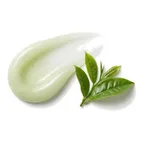 Camellia sinensis leaf water, epigallocatechin gallate
 Glycerin
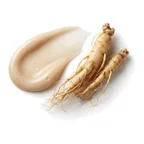 Panax Ginseng Root Extract
 Licorice Root Extract
High
- SuperiorNormal Skin Fit
- HighEffectiveness
- HighSafety
A great choice for sensitive skin; a few serums fit it even better.
- Clinical, Cosmetic and Investigational Dermatology, 2017
- International Journal of Cosmetic Science, 2025
This fit is calculated for the concerns frequently associated with sensitive skin: redness, stinging, and reactions to new products. For scores and recommendations based on your full skin profile, including your 12D face scan results and any goals or preferences you have, please use the Lovi app.
Updated How the Fit score works
Lovi Assistant explains
- Excellent suitability for your normal skin is provided by Camellia Sinensis Leaf Water and Glycerin, which offer humectant action and barrier repair, complementing the soothing and anti-inflammatory properties of Glycyrrhiza Glabra Root Extract for your redness and irritation goals.
- The presence of Camellia Sinensis Leaf Extract and Panax Ginseng Root Extract further enhances the antioxidant and anti-aging visible effects, contributing to overall skin health.
- The safety profile is excellent, with no risks of irritation for your sensitive skin due to the absence of prohibited or harsh ingredients.
How to apply
- Use your serum in the PM routine, starting 3 times a week before building up to daily use if your skin is happy.
- Apply the serum after cleansing and toning, but before putting on your moisturizer for the best results.
- Gently press 2-3 drops of the serum into your skin and wait a minute ⏱ for it to soak in.
- Since your skin is sensitive and easily irritated, apply the serum on completely dry skin to help keep it calm.
- Always do a patch test before your first use and avoid getting the serum too close to your eyes .
People Say
★4.8Overall rating based on 100+ reviewsBased on limited data, this serum is highly praised for its luxurious, hydrating texture that provides a noticeable inner glow, improving skin elasticity and radiance, particularly for dry or dull skin types. However, the very high price point and strong signature fragrance are frequently mentioned drawbacks.
Highlights
Luxurious texture Mostly Mentioned
- “delightfully bouncy texture”
- “silky spreadable formula”
- “absorbs well without stickiness”
- “lightweight finish”
Exorbitant price Mostly Mentioned
- “price is extremely high”
- “worth every penny but painful”
- “apply it sparingly due to cost”
Deep hydration Often Mentioned
- “gives me an Inner Glow”
- “fills skin with hydration”
- “deeply moisturizing”
- “skin feels comfortable”
Anti-aging effects Sometimes Noted
- “improves skin elasticity”
- “visibly firm”
- “skin feels healthier”
- “smoother and fresher skin”
Immediate radiance Sometimes Noted
- “noticeable glow”
- “skin looks less dull”
- “radiant finish”
- “revived and glowing”
Strong fragrance Sometimes Noted
- “signature Amore scent is strong”
- “smells like baby powder”
- “scent caught my attention every time”
- “strong alcohol + musty scent”
Opaque packaging Rarely Noted
- “no way to open bottle”
- “can't see how much is left”
- “resorting to power tools to get last drop”
Subtle results Rarely Noted
- “effects aren't as dramatic as price suggests”
- “hard to measure antioxidant effect”
- “wishful thinking on results”
Sources: lovi.care, us.amorepacific.com, nordstrom.com, neimanmarcus.com, hwahae.co.kr, cozycot.com, and more
Questions and answers
What makes AMOREPACIFIC Time Response Skin Reserve Serum a great fit for sensitive skin?
This serum is a great fit because its green tea water and glycerin quench and repair your skin barrier, while licorice root helps calm redness and irritation. It also has a very safe formula that is unlikely to cause irritation on sensitive skin.
Which ingredients make this serum a good fit for sensitive skin?
Camellia Sinensis Leaf Water and glycerin make this serum a great fit by keeping skin hydrated and strengthening the outer layer, while licorice root extract helps calm redness and irritation. These ingredients have an excellent safety profile that is very unlikely to cause irritation on sensitive skin.
What does Green Tea Water do for sensitive skin?
Green tea water helps calm sensitive skin by reducing redness and soothing irritation while supporting the natural skin barrier. It is unlikely to cause irritation and may improve skin moisture and overall comfort.
International Journal of Cosmetic Science, 2025Journal of Drugs in Dermatology, 2014
What does Glycerin do for sensitive skin?
Glycerin helps calm sensitive skin by improving moisture levels and supporting the protective barrier. It is unlikely to cause irritation and regularly helps keep dry and reactive skin feeling soft and smooth.
Clinical, Cosmetic and Investigational Dermatology, 2017Acta Dermato-venereologica, 2017
Where does this serum go in a skincare routine for sensitive skin?
This treatment goes in your evening routine, applied after your soothing toner and before your moisturizer for extra safety around sun exposure. It is a great fit for your sensitive skin because it is very gentle, relying on soothing ingredients and calming plant extracts without any harsh or irritating additives.
Can I use this serum with retinol, and in what order?
Yes, you can use this serum alongside retinol by applying the serum first to help calm redness and soothe the skin, followed by your retinol treatment. This product is unlikely to cause irritation on sensitive skin due to its gentle, high-suitability formula.
How often should I use this serum?
You can use this serum in the evening as part of your routine for sensitive skin. It is a great fit for your skin and has a very safe profile that is unlikely to cause any irritation.
Can this serum clog pores, cause breakouts or purging for sensitive skin?
This serum is unlikely to cause breakouts or clog pores for sensitive skin, as it has a very safe formula with no harsh or irritating ingredients. It helps keep skin calm and hydrated while soothing redness.
Is this serum fragrance-free and alcohol-free?
It contains fragrance (parfum) and drying alcohol (alcohol).
What the research says
A single application of a moisturizing fluid containing hyaluronic acid 1%, glycerin 5%, and Centella asiatica stem cells extract significantly increased skin hydration by 29% and reduced transepidermal water loss at 24 hours compared to baseline and an untreated control site in twenty healthy women.
Clinical, Cosmetic and Investigational Dermatology, 2017Topical and in vitro application of a Camellia sinensis leaf extract demonstrated immunomodulatory, detoxification, anti-inflammatory, and antioxidant properties while improving mood states, skin hydration, barrier function, rejuvenation, and facial skin health.
International Journal of Cosmetic Science, 2025A mixture of Panax ginseng and Crataegus pinnatifida prevented skin aging by improving procollagen type I expression, diminishing matrix metalloproteinase-1 secretion, reducing skin roughness and photodamage scores, and decreasing loss of skin moisture in human dermal fibroblasts and healthy human skin.
Journal of Ginseng Research, 2017Topical application of (-)-epigallocatechin-3-gallate (EGCG) to human skin before UV irradiation decreases UV-induced production of hydrogen peroxide by 68-90% and nitric oxide by 30-100%, inhibits leukocyte infiltration and lipid peroxidation by 41-84%, and restores glutathione levels and glutathione peroxidase activity compared to UV exposure alone.
Carcinogenesis, 2001Topically formulated tea polyphenols show some benefit in reducing sebum secretion and treating acne vulgaris compared to baseline or control.
Antioxidants, 2016Topical application of tannase-converted green tea extract (TGE) significantly improved skin wrinkle indices and self-assessed wrinkle reduction compared to normal green tea extract (NGE) in human subjects over 8 weeks.
Journal of Cosmetic Dermatology, 2013An anti-acne hydrogel containing Aloe barbadensis, Garcinia mangostana, and Camellia sinensis extracts showed superior antiacne and antiblotch activities compared to 1% clindamycin gel in sixty subjects with mild-moderate acne.
Clinical, Cosmetic and Investigational Dermatology, 2019The emollient V0034CR significantly reduced TEWL compared to vehicle and vehicle plus glycerol, and significantly increased corneometry scores compared to vehicle and vehicle plus petrolatum in healthy volunteers with dry skin, demonstrating combined barrier function improvement from petrolatum and hydration improvement from glycerol.
Journal of Cosmetic Dermatology, 2020Ten days of treatment with a cream containing 20% glycerin significantly increased skin hydration measured by corneometer values in 17 healthy volunteers compared to a placebo cream, but showed no influence on transepidermal water loss or skin sensitivity to an irritating surfactant.
International Journal of Cosmetic Science, 2001Niacinamide/glycerin body moisturizers provided better rapid and prolonged improvement of cosmetic xerosis through functional improvement of stratum corneum barrier function compared to no treatment and conventional moisturizers in female subjects.
Journal of Drugs in Dermatology, 2012Enzyme-modified ginseng extract cream significantly reduced the global photo-damage score and various roughness measures including total roughness, smoothness depth, and arithmetic roughness average compared to placebo in 23 human subjects.
Rejuvenation Research, 2015A red ginseng hydrogel formulation with 1,2-hexanediol promoted selective growth of Staphylococcus epidermidis and decreased Cutibacterium acnes in 20 female subjects.
Journal of Ginseng Research, 2022A cream containing 0.1% ginsenoside F1 demonstrated a skin-whitening effect on artificially tanned human skin after 8 weeks by enhancing interleukin-13 production from epidermal gamma-delta T cells, which subsequently suppressed tyrosinase and DCT expression and melanin synthesis in melanocytes.
Experimental Dermatology, 2014Combining 755 nm alexandrite laser with topical licorice gel significantly reduces terminal hair counts compared to alexandrite laser with placebo in women with idiopathic hirsutism.
Evidence-based Complementary and Alternative Medicine, 2015Licochalcone A activated Nrf2 signaling, elevated cytoprotective enzymes, increased the reduced-to-oxidized glutathione ratio, and decreased reactive oxygen species in human fibroblasts and neutrophils, while a LicA-rich licorice extract lowered UVA-induced oxidative processes in vivo.
Experimental Dermatology, 2015Mesoporous silica nanoparticles entrapping licorice polysaccharide and coated with polydopamine showed 76% entrapment efficiency, 89% in vitro release at pH 5, increased sebocytes' cellular uptake, and mediated inflammatory response by inhibiting pro-inflammatory cytokines and regulating anti-inflammatory cytokines.
Carbohydrate Polymers, 2024A moisturizing cream containing 2% l-carnitine and 5% EGCG significantly reduced sebum levels and improved skin hydration in ninety subjects with seborrhea over 4 weeks, showing greater anti-sebum efficacy in the combination group compared to the l-carnitine group alone.
Journal of Cosmetic Dermatology, 2023Enzymatic alpha glucosylation of EGCG yielded EGCG-G1, which enhanced epidermal penetration, decreased melanogenesis through down-regulation of 13 genes including MITF, stimulated skin Lactobacillus growth, and decreased hyperpigmented spots while increasing skin brightness and homogeneity compared to EGCG and vitamin C across a large panel of phototypes.
Molecules, 2024Optimized transfersomes loaded with epigallocatechin-3-gallate and hyaluronic acid increased cell viability while reducing lipid peroxidation, intracellular ROS, and MMP expression in HaCaT cells, and exhibited higher skin permeation and deposition compared to plain EGCG.
Drug Delivery, 2017
Ingredients
Camellia Sinensis Leaf Water, Butylene Glycol, Water, Glycerin, Alcohol, Trehalose, Phyllostachis Bambusoides Juice, Glycereth-26, Hydrogenated Poly C6-14 Olefin, Dimethicone, Hydrogenated Lecithin, Propanediol, Pentaerythrityl Tetraethylhexanoate, Polymethylsilsesquioxane, Panthenol, Cetearyl Olivate, 1,2-Hexanediol, Peg-5 Rapeseed Sterol, Sorbitan Olivate, Sodium Polyacrylate, Hydrogenated Polydecene, Parfum, Ammonium Acryloyldimethyltaurate Vp Copolymer, Acrylates C10-30 Alkyl Acrylate Crosspolymer, Xanthan Gum, Tromethamine, Glycyrrhiza Glabra Root Extract Licorice Root Extract, Adenosine, Disodium Edta, Ethylhexylglycerin, Beta-Glucan, Ppg-5-Laureth-5, Glycine Soja Seed Extract Soybean Seed Extract, Natto Gum, Dextrin, Theobroma Cacao Extract, Camellia Sinensis Leaf Extract, Phenoxyethanol, Poloxamer 235, Betaine, Ethoxydiglycol, Epigallocatechin Gallate, Camellia Sinensis Flower Extract, Tocophersolan, Poloxamer 338, Panax Ginseng Root Extract, Glucose, Acetic Acid, Potassium Hydroxide, Caprylyl Glycol, Tocopherol
Behind this fit score
Lovi calculates every fit score from the full ingredient list with brand-independent rules our dermatologists and cosmetic chemists build and review, and personalizes every pick with AI trained on the real results of millions of users. Lovi trains its fit score models on a proprietary dataset built from more than 10,000 expert-labeled products and more than 100,000 simulated examples, following an internally consistent methodology presented at Cosmoprof, AMWC, and Skin of Color Update.
-

Co-founder, Medical Director
Cosmetic chemist, cosmetologist, aesthetic products developer
-

Co-founder, CEO and CTO
PhD in computer science, 3x US patent holder, ex-Google, ex-Yandex
-

Dr. Sofía Perea Pérez, MD, MSc
Medical Board
Aesthetic medicine practitioner, MSc in Longevity and Anti-Aging Medicine
-

Medical Board
Specialist dermatologist, MBBS, MD, IFAAD
-

Medical Board
Cosmetic chemist, SCS, IFSCC member
-

Medical Board, Medical Advisor
Dermatology MD
-

Elina Nazarenko, MD
Medical Board
Dermatology and diagnostic consultant
-

Victoria Derkova, MS
Medical Board
Cosmetic chemist, cosmetic development technologist


How does it fit your skin?
Scan your face, then any product: Lovi shows how well it fits you and what fits even better.