
AmorePacific Time Response Eye Renewal Creme for oily acne-prone skin

 Camellia Sinensis Extract
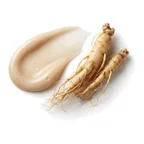 Panax Ginseng Extract
 Sodium Hyaluronate
 Peptides
 Niacinamide
Average
- HighOily Skin Fit
- AverageEffectiveness
- ExcellentSafety
Works for oily acne-prone skin; other eye cares fit it better.
This fit is calculated for the concerns frequently associated with oily acne-prone skin: shine, breakouts, blemishes, and enlarged pores. For scores and recommendations based on your full skin profile, including your 12D face scan results and any goals or preferences you have, please use the Lovi app.
Updated How the Fit score works
Lovi Assistant explains
- Offers moderate suitability for your oily skin as Camellia Sinensis Leaf Extract and Panax Ginseng Root Extract provide antioxidant activity and potential seboregulation, though the primary benefits are hydration from glycerin and sodium hyaluronate which are not directly targeted for your acne, blemishes, and breakouts.
- The formula is safe for your oily skin, with no risks of irritation due to the absence of harsh ingredients and the inclusion of soothing components.
- It provides excellent moisturizing for the eye area, which is a supportive benefit but does not directly address your main concerns.
People Say
★4.7Overall rating based on 100+ reviewsBased on limited data, this eye cream is highly regarded for its rich, hydrating texture that plumps skin and reduces fine lines, leaving the eye area looking more awake and firm. However, the high price and strong floral fragrance are frequently mentioned drawbacks, with a small number of users reporting irritation.
Highlights
Intense hydration Mostly Mentioned
- “skin feels soothed and hydrated”
- “keeps eye area moist all day”
- “alleviates dryness immediately”
Extremely expensive Mostly Mentioned
- “crazy expensive”
- “can't justify the price”
Improves fine lines Often Mentioned
- “fine lines are literally gone”
- “makes my wrinkles flat”
- “softens the look of lines”
Luxurious texture Often Mentioned
- “silky yet rich texture”
- “absorbs quickly”
- “buttery formula glides smoothly”
Depuffing effect Sometimes Noted
- “alleviates puffiness within minutes”
- “eyes look less tired”
- “helps with morning bags”
Strong fragrance Sometimes Noted
- “fragrance is way too strong”
- “smells like perfume”
- “wish it was fragrance-free”
Jar packaging Rarely Noted
- “avoid products in jar packaging”
- “prefer a pump”
- “hygiene concerns with dipping finger”
Skin irritation Rarely Noted
- “eyes feel irritated and puffy”
- “caused a severe rash”
- “made my eyes water”
Sources: lovi.care, amorepacific.com, influenster.com, glamorable.com, blingingbeauty.com, pickyskincare.com, and more
Questions and answers
How well does AmorePacific Time Response Eye Renewal Creme work for oily acne-prone skin?
This eye cream works moderately well for oily acne-prone skin, providing gentle hydration and antioxidant benefits without causing irritation. However, it lacks targeted ingredients to actively manage oiliness or breakouts, so an eye care product for this skin type needs specialized ingredients to control excess oil while delivering lightweight moisture.
Clinical, Cosmetic and Investigational Dermatology, 2017Dermatologic Therapy, 2013
Which ingredients make this cream a good fit for oily acne-prone skin?
Camellia Sinensis Leaf Extract and Panax Ginseng Root Extract help this cream fit your skin by providing antioxidant support and helping balance oil. To work best for oily acne-prone skin, an eye care product of this type needs powerful soothing ingredients that address breakouts while keeping skin safely hydrated without clogging pores.
Carcinogenesis, 2001Journal of the American Academy of Dermatology, 2001
What does Green Tea Extract do for oily acne-prone skin?
Green tea extract helps calm oily, acne-prone skin by reducing excess oil production and lowering inflammation. It also provides strong antioxidant protection that may help prevent UV-induced damage and soothe irritated skin.
Journal of Cosmetic Dermatology, 2023Journal of Cosmetic Science, 2016
What does Panax Ginseng Extract do for oily acne-prone skin?
Panax Ginseng Extract helps oily acne-prone skin by reducing oxidized sebum, calming skin redness, and improving breakout symptoms. Regular use is unlikely to cause irritation and supports an overall clearer complexion.
Where does this cream go in a skincare routine for oily acne-prone skin?
This cream goes as the moisturizer step in your morning and evening routines after your toner and treatments. It is safe for oily skin and provides good hydration, but since it is not specially targeted for blemishes and breakouts, oily acne-prone skin needs a product with ingredients like salicylic acid or niacinamide to keep pores clear.
Can I use this cream with retinol, and in what order?
You can use this cream with retinol by applying the retinol first, letting it absorb, and then following with this cream to keep your skin comfortable. This product provides good moisture and soothing benefits, but an oily and acne-prone skin type needs oil-control ingredients and targeted blemish-fighting treatments instead of heavy hydration.
How often should I use this cream?
You can use this eye cream daily to keep the eye area soft and well moisturized. Because this product works for your skin as an average fit, an eye care product for oily acne-prone skin needs lightweight hydration and balancing ingredients that control excess oil without clogging pores.
Is this cream fragrance-free and alcohol-free?
Yes, it has no fragrance and no drying alcohol. Cetearyl alcohol is a fatty alcohol, which soften the skin.
What the research says
Topical application of (-)-epigallocatechin-3-gallate (EGCG) to human skin before UV irradiation decreases UV-induced production of hydrogen peroxide by 68-90% and nitric oxide by 30-100%, inhibits leukocyte infiltration and lipid peroxidation by 41-84%, and restores glutathione levels and glutathione peroxidase activity compared to UV exposure alone.
Carcinogenesis, 2001Application of green tea extracts on normal human skin resulted in dose-dependent inhibition of UV-evoked erythema, reduced sunburn cells, protected Langerhans cells, and decreased UV-induced DNA damage compared to untreated UV-exposed skin.
Journal of the American Academy of Dermatology, 2001A single application of a moisturizing fluid containing hyaluronic acid 1%, glycerin 5%, and Centella asiatica stem cells extract significantly increased skin hydration by 29% and reduced transepidermal water loss at 24 hours compared to baseline and an untreated control site in twenty healthy women.
Clinical, Cosmetic and Investigational Dermatology, 2017Topical application of a 6% green tea extract formulation increased skin moisture, enhanced skin elasticity, and improved skin microrelief by reducing roughness in 24 volunteers compared to vehicle and control over 30 days.
Dermatologic Therapy, 2013Topically formulated tea polyphenols show some benefit in reducing sebum secretion and treating acne vulgaris compared to baseline or control.
Antioxidants, 2016Topical application of tannase-converted green tea extract (TGE) significantly improved skin wrinkle indices and self-assessed wrinkle reduction compared to normal green tea extract (NGE) in human subjects over 8 weeks.
Journal of Cosmetic Dermatology, 2013An anti-acne hydrogel containing Aloe barbadensis, Garcinia mangostana, and Camellia sinensis extracts showed superior antiacne and antiblotch activities compared to 1% clindamycin gel in sixty subjects with mild-moderate acne.
Clinical, Cosmetic and Investigational Dermatology, 2019Enzyme-modified ginseng extract cream significantly reduced the global photo-damage score and various roughness measures including total roughness, smoothness depth, and arithmetic roughness average compared to placebo in 23 human subjects.
Rejuvenation Research, 2015A red ginseng hydrogel formulation with 1,2-hexanediol promoted selective growth of Staphylococcus epidermidis and decreased Cutibacterium acnes in 20 female subjects.
Journal of Ginseng Research, 2022A cream containing 0.1% ginsenoside F1 demonstrated a skin-whitening effect on artificially tanned human skin after 8 weeks by enhancing interleukin-13 production from epidermal gamma-delta T cells, which subsequently suppressed tyrosinase and DCT expression and melanin synthesis in melanocytes.
Experimental Dermatology, 2014Topical application of 0.1% hyaluronic acid formulations of different molecular weights led to significant improvements in skin hydration and elasticity, with low-molecular-weight formulations also significantly reducing wrinkle depth in seventy-six female subjects compared to a vehicle control.
Journal of Drugs in Dermatology, 2011Topical hyaluronic acid serum used twice daily by 40 females with facial photoaging produced an immediate 134% increase in skin hydration, a sustained 55% increase at week 6, and significant improvements in smoothness, plumping, fine lines, wrinkles, and global appearance without causing irritation.
Dermatology and Therapy, 2021A topical antioxidant serum significantly reduced air pollution-induced skin pigmentation and proinflammatory gene expression ex vivo, and improved skin aging signs in 40 healthy adult females after 90 days of daily use.
Journal of Cosmetic Dermatology, 2022Topical application of an autophagy-activating peptide reduced closed comedones, skin surface lipids, and trans-epidermal water loss, while altering lipid composition in acne-prone skin compared to vehicle.
Journal of Cosmetic Dermatology, 2021Topical exosomes and peptides improve skin rejuvenation by increasing collagen deposition, enhancing skin texture, and accelerating wound healing.
Aesthetic Surgery Journal. Open Forum, 2024Topical omiganan gels exhibited rapid, dose-dependent bactericidal and fungicidal activity against a broad spectrum of bacteria and yeasts in ex vivo pig skin and in vivo guinea pig skin models.
International Journal of Antimicrobial Agents, 2009Topical nicotinamide prevented solar-simulated UV-induced immunosuppression in healthy volunteers, and men experienced immunosuppression at solar-simulated UV doses three times lower than those required for women.
The Journal of Investigative Dermatology, 2008Topical 5% niacinamide applied twice daily for 12 weeks reduced fine lines and wrinkles, hyperpigmented spots, red blotchiness, and skin sallowness, and improved skin elasticity compared to vehicle control in 50 female white subjects with facial photoaging.
Dermatologic Surgery, 2005Topical 2% niacinamide significantly decreased sebum excretion rate in Japanese individuals and casual sebum levels in Caucasian individuals compared to placebo or baseline.
Journal of Cosmetic and Laser Therapy, 2006
Why other eye cares fit oily acne-prone skin better
Topical UP256 cream containing 0.5% bakuchiol administered twice daily significantly reduced inflammatory lesions and improved acne-related post-inflammatory hyperpigmentation in 13 subjects with mild or moderate facial acne.
Journal of Drugs in Dermatology, 2021Co-delivery of paeonol and madecassoside via nanoemulsions improved transdermal delivery, promoted barrier repair proteins, inhibited inflammatory cytokine secretion in cellular and 3D models, and reduced transepidermal water loss and acne in human facial skin compared to free components.
Molecules, 2023
Ingredients
Water, Glycerin, Butylene Glycol, Cyclopentasiloxane, Dimethicone, Hydrogenated Polydecene, Squalane, Cetearyl Alcohol, Stearic Acid, Peg-100 Stearate, Glyceryl Stearate, Camellia Sinensis Leaf Extract, Panax Ginseng Root Extract, Tocopheryl Acetate, Sodium Hyaluronate, Caffeine, Adenosine, Caprylyl Glycol, Phenoxyethanol
Behind this fit score
Lovi calculates every fit score from the full ingredient list with brand-independent rules our dermatologists and cosmetic chemists build and review, and personalizes every pick with AI trained on the real results of millions of users. Lovi trains its fit score models on a proprietary dataset built from more than 10,000 expert-labeled products and more than 100,000 simulated examples, following an internally consistent methodology presented at Cosmoprof, AMWC, and Skin of Color Update.
-

Co-founder, Medical Director
Cosmetic chemist, cosmetologist, aesthetic products developer
-

Co-founder, CEO and CTO
PhD in computer science, 3x US patent holder, ex-Google, ex-Yandex
-

Dr. Sofía Perea Pérez, MD, MSc
Medical Board
Aesthetic medicine practitioner, MSc in Longevity and Anti-Aging Medicine
-

Medical Board
Specialist dermatologist, MBBS, MD, IFAAD
-

Medical Board
Cosmetic chemist, SCS, IFSCC member
-

Medical Board, Medical Advisor
Dermatology MD
-

Elina Nazarenko, MD
Medical Board
Dermatology and diagnostic consultant
-

Victoria Derkova, MS
Medical Board
Cosmetic chemist, cosmetic development technologist


How does it fit your skin?
Scan your face, then any product: Lovi shows how well it fits you and what fits even better.