
Allies of Skin Retinal & Peptides Repair Night Cream for sensitive skin

 Retinaldehyde
 Palmitoyl Tetrapeptide-7
 Niacinamide
 Glutathione
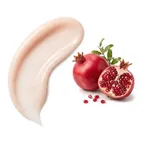 Ellagic Acid
Average
- HighNormal Skin Fit
- AverageEffectiveness
- HighSafety
Works for sensitive skin; other moisturizers fit it better.
- Clinical, Cosmetic and Investigational Dermatology, 2017
- International Journal of Biological Macromolecules, 2018
This fit is calculated for the concerns frequently associated with sensitive skin: redness, stinging, and reactions to new products. For scores and recommendations based on your full skin profile, including your 12D face scan results and any goals or preferences you have, please use the Lovi app.
Updated How the Fit score works
Lovi Assistant explains
- This product offers moderate moisturizing and barrier support for your normal skin, with glycerin and sodium hyaluronate providing hydration and plumpness, while niacinamide aids in soothing redness and irritation.
- The inclusion of retinal and peptides contributes to collagen stimulation and barrier repair, offering general skincare benefits that are supportive for your concerns.
- The formula is safe for your sensitive skin, as it avoids harsh ingredients and includes soothing components like lavandula hybrida oil.
Buy online

Prices checked 20 Nov 2026
The Lovi Fit is the same in every country; only the stores and prices differ, and the ones here are for Europe.
How to apply
- Use this soothing AM and PM routine every day to keep your normal skin calm. Always remember to apply SPF in the morning after your moisturizer.
- Apply your moisturizer after your toner in the morning, and after your serum in the evening. This step locks in hydration and protects your skin.
- Gently press a small amount of the moisturizer evenly across your face. Avoid rubbing to keep your sensitive skin happy and calm.
- You can apply this gentle formula on dry or slightly damp skin for the best comfort. It works wonderfully on clean skin to soothe redness and irritation.
- Do a patch test before your very first use to check your skin's reaction. Avoid getting the product directly into your eyes .
People Say
★4.8Overall rating based on 1.2k+ reviewsBased on a very large amount of data, users find this night cream to be a holy grail for sensitive skin, effectively clearing acne and smoothing fine lines without irritation. The formula is frequently described as hydrating and transformative, leading to brighter, clearer, and plumper skin by morning.
Highlights
Gentle, non-irritating Mostly Mentioned
- “Best retinol for sensitive skin”
- “No morning-after redness”
- “Doesn't irritate my skin at all”
Clears acne Often Mentioned
- “Dramatic impact on acne”
- “Skin feels so clear”
- “Hyperpigmentation disappearing faster”
Improves texture Often Mentioned
- “Woke up looking well-rested”
- “Smoother and firmer”
- “Leaves skin glowing and supple”
High price point Often Mentioned
- “Extremely pricey”
- “Too expensive”
- “Would purchase less expensive alternatives”
Hydrating formula Sometimes Noted
- “Sinks in perfectly”
- “Really moisturizing”
- “Absorbs fast and nourishes”
Initial purging Rarely Noted
- “Skin may be in purging stage”
- “Pushed impurities out”
- “Minor breakouts at start”
Slow results Rarely Noted
- “Nothing significant”
- “Don't get the hype”
- “Takes longer to see wrinkle changes”
Sources: lovi.care, allies.shop, dermstore.com, spacenk.com, cultbeauty.com, sephora.sg, and more
Questions and answers
How well does Allies of Skin Retinal & Peptides Repair Night Cream work for sensitive skin?
This cream works decently for sensitive skin, providing moderate moisture and barrier support with ingredients like glycerin and niacinamide. However, other products fit this skin better because they contain highly effective soothing ingredients like fermented Centella Asiatica, cica ceramide, and nourishing oils that target redness without overwhelming the skin.
Which ingredients make this cream a good fit for sensitive skin?
This cream works for sensitive skin because it includes glycerin and sodium hyaluronate to keep skin plump, along with niacinamide to help calm redness and irritation. To fit sensitive skin even better, a product of this type needs highly effective soothing ingredients like fermented Centella Asiatica and cica ceramide that strengthen the skin barrier without causing overload.
What does Retinal do for sensitive skin?
Retinaldehyde is a weaker fit for sensitive skin because it may cause dryness and irritation, though it generally has a better tolerance profile than stronger forms of vitamin A. To work safely for sensitive skin, a product of this type needs soothing ingredients, gentle hydrators, and a low concentration introduced gradually.
What does Palmitoyl Tetrapeptide-7 do for sensitive skin?
Palmitoyl tetrapeptide-7 helps smooth and firm the skin while supporting collagen levels, making it a helpful ingredient for sensitive skin when used in gentle formulations. Studies show it helps improve overall skin structure and firmness with a very low risk of irritation.
International Journal of Cosmetic Science, 2026Pharmaceuticals, 2021
Where does this cream go in a skincare routine for sensitive skin?
This treatment goes in the evening routine after your toner and before your moisturizer. A product of this type needs soothing ingredients like niacinamide and a gentle formula without harsh components to keep sensitive skin calm and comfortable.
Can I use this cream with AHA, and in what order?
This cream is too harsh to use in the same routine as AHA on sensitive skin, as combining active ingredients may cause redness and irritation. Use AHA and this cream apart: in different sessions of the same day or on different days.
How often should I use this cream?
This cream works best when used in the evening as part of your routine. Daily application helps improve skin moisture and barrier function while keeping irritation low.
Journal of Cosmetic Dermatology, 2020Health Science Reports, 2021
Can this cream clog pores, cause breakouts or purging for sensitive skin?
This cream is unlikely to clog pores or cause major breakouts, though a mild initial purging may happen for some users. A product of this type needs gentle hydrators like glycerin and hyaluronic acid, along with soothing ingredients like niacinamide, to keep sensitive skin calm and clear.
Can I use this cream around the eyes or on my body?
This cream is safe for your sensitive skin and can be used on the body, but the thin skin around the eyes may need a milder product with gentle hydrators and soothing plant extracts to prevent irritation.
Surgical and Radiologic Anatomy, 2002Clinical, Cosmetic and Investigational Dermatology, 2017
What the research says
A single application of a moisturizing fluid containing hyaluronic acid 1%, glycerin 5%, and Centella asiatica stem cells extract significantly increased skin hydration by 29% and reduced transepidermal water loss at 24 hours compared to baseline and an untreated control site in twenty healthy women.
Clinical, Cosmetic and Investigational Dermatology, 2017Hyaluronic acid-based formulations exhibit remarkable anti-wrinkle, anti-aging, and skin rejuvenating effects via soft tissue augmentation, improved skin hydration, and face volume restoration.
International Journal of Biological Macromolecules, 2018Twice daily application of retinaldehyde 0.1% and 0.05% creams for 3 months improved skin texture and hydration and reduced transepidermal water loss in 40 female Korean volunteers, with only the 0.1% cream significantly improving the melanin index.
Journal of Cosmetic Dermatology, 2018Topical 0.05% retinaldehyde applied over 1 year significantly increased epidermal thickness of the temple and cutaneous elasticity compared to an emollient control group in 40 aging skin patients.
Dermatology, 1999Topical 0.05% retinaldehyde cream reduced wrinkle and roughness features similarly to 0.05% retinoic acid cream in patients with photodamaged facial skin, while demonstrating superior local tolerance and better patient compliance.
Journal of the American Academy of Dermatology, 1998A multi-modal methodology combining MALDI-MSI, in vivo RCM, echography, and histology revealed age-related decreases in extracellular matrix and epidermal-dermal junction proteins and undulation depth, while a blend of palmitoyl oligopeptide and palmitoyl tetrapeptide-7 improved subepidermal low-echogenic band thickness, density, and extracellular matrix structure compared to placebo.
Journal of Cosmetic Dermatology, 2015Topical nicotinamide prevented solar-simulated UV-induced immunosuppression in healthy volunteers, and men experienced immunosuppression at solar-simulated UV doses three times lower than those required for women.
The Journal of Investigative Dermatology, 2008Topical 5% niacinamide applied twice daily for 12 weeks reduced fine lines and wrinkles, hyperpigmented spots, red blotchiness, and skin sallowness, and improved skin elasticity compared to vehicle control in 50 female white subjects with facial photoaging.
Dermatologic Surgery, 2005Topical 2% niacinamide significantly decreased sebum excretion rate in Japanese individuals and casual sebum levels in Caucasian individuals compared to placebo or baseline.
Journal of Cosmetic and Laser Therapy, 2006Glutathione amino acid precursors effectively increase cellular glutathione levels, reducing oxidative stress, ATP depletion, and DNA damage in human keratinocytes, clinical subjects, and ex vivo skin compared to controls.
Journal of the European Academy of Dermatology and Venereology, 2024Topical oxidized glutathione significantly decreases the skin melanin index and improves moisture content, smoothness, wrinkle formation, and elasticity compared to placebo in healthy women.
Clinical, Cosmetic and Investigational Dermatology, 2014Topical glutathione improves hyperpigmentation, reduces ultraviolet-induced erythema and wrinkles, decreases transepidermal water loss, and enhances antioxidant capacity.
The Journal of Clinical and Aesthetic Dermatology, 2025A topical product containing 0.5% ellagic acid and 0.1% salicylic acid demonstrated comparable tolerance and efficacy in reducing hyperpigmentation and dark spots in fifty-four multiethnic subjects over 12 weeks when compared against a benchmark prescription 4% hydroquinone product.
Journal of Drugs in Dermatology, 2013A novel formulation of hydroxyphenoxy propionic acid, ellagic acid, yeast extract, and salicylic acid demonstrated parity in improving pigmentation, skin tone, spot intensity, and spot size compared to standard prescription 4% hydroquinone and 0.025% tretinoin in 82 subjects, with superior tolerability.
Journal of Cosmetic Dermatology, 2013A maintenance therapy with a cosmeceutical formulation containing hydroxyphenoxy propionic acid, ellagic acid, yeast extract, and salicylic acid over 20 weeks significantly improved even skin tone, spot intensity, spot size, and overall hyperpigmentation in 33 healthy subjects with moderate facial dyspigmentation.
Journal of Drugs in Dermatology, 2015
Ingredients
Water, Glycerin, Caprylic Capric Triglyceride, Propanediol, Argania Spinosa Kernel Oil, Sodium Acrylates Copolymer, Hydrolyzed Candida Saitoana Extract, Sodium Stearoyl Glutamate, Albizia Julibrissin Bark Extract, Dimethyl Isosorbide, Galactoarabinan, Palmitoyl Tetrapeptide-7, Palmitoyl Tripeptide-1, Caprooyl Tetrapeptide-3, Cassia Angustifolia Polysaccharide Seed, Sodium Hyaluronate, Oxycoccus Palustris Seed Oil Arctic Cranberry Seed Oil, Rubus Chamaemorus Berry Seed Oil Cloud Berry Seed Oil, Niacinamide, Citrus Aurantium Dulcis Callus Culture Extract, Retinal Retinaldehyde, Pterostilbene, Ellagic Acid, Phenyl T-Butylnitrone Spin Trap, Ergothioneine, Glutathione, Mirabilis Jalapa Stem Extract Flower Leaf, N-Hydroxysuccinimide, Chrysin, Glutamylamidoethyl Imidazole, Lonicera Caprifolium Flower Extract Honeysuckle Flower Extract, Lonicera Japonica Flower Extract Honeysuckle Flower Extract, Lavandula Hybrida Oil Lavendin Oil, Pentylene Glycol, Butylene Glycol, Cyclodextrin, Caprylyl Glycol, Steareth-20, Citric Acid, Xanthan Gum, Dextran, Acetyl Tributyl Citrate, Potassium Sorbate, Phenoxyethanol, Geraniol, Limonene, Linalool
Behind this fit score
Lovi calculates every fit score from the full ingredient list with brand-independent rules our dermatologists and cosmetic chemists build and review, and personalizes every pick with AI trained on the real results of millions of users. Lovi trains its fit score models on a proprietary dataset built from more than 10,000 expert-labeled products and more than 100,000 simulated examples, following an internally consistent methodology presented at Cosmoprof, AMWC, and Skin of Color Update.
-

Co-founder, Medical Director
Cosmetic chemist, cosmetologist, aesthetic products developer
-

Co-founder, CEO and CTO
PhD in computer science, 3x US patent holder, ex-Google, ex-Yandex
-

Dr. Sofía Perea Pérez, MD, MSc
Medical Board
Aesthetic medicine practitioner, MSc in Longevity and Anti-Aging Medicine
-

Medical Board
Specialist dermatologist, MBBS, MD, IFAAD
-

Medical Board
Cosmetic chemist, SCS, IFSCC member
-

Medical Board, Medical Advisor
Dermatology MD
-

Elina Nazarenko, MD
Medical Board
Dermatology and diagnostic consultant
-

Victoria Derkova, MS
Medical Board
Cosmetic chemist, cosmetic development technologist


How does it fit your skin?
Scan your face, then any product: Lovi shows how well it fits you and what fits even better.