
Advanced Clinicals Vitamin C Brightening Gel-Cream for oily acne-prone skin

 Aminopropyl Ascorbyl Phosphate, Ascorbic Acid, Tetrahexyldecyl Ascorbate
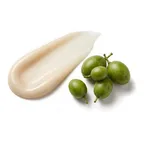 Terminalia Ferdinandiana
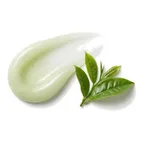 Camellia Sinensis Leaf Extract
Average
- AverageOily Skin Fit
- AverageEffectiveness
- HighSafety
Works for oily acne-prone skin; other moisturizers fit it better.
This fit is calculated for the concerns frequently associated with oily acne-prone skin: shine, breakouts, blemishes, and enlarged pores. For scores and recommendations based on your full skin profile, including your 12D face scan results and any goals or preferences you have, please use the Lovi app.
Updated How the Fit score works
Lovi Assistant explains
- Offers moderate moisturizing and brightening for your oily skin, as glycerin and aminopropyl ascorbyl phosphate hydrate and help even skin tone, though it lacks sufficient ingredients for optimal oil control.
- Aloe barbadensis leaf juice and camellia sinensis leaf extract provide hydration and antioxidant support, which are generally beneficial but do not directly address your primary concerns of acne, blemishes, and breakouts.
- The product is safe for your oily skin with no risks of irritation due to the absence of prohibited or harsh ingredients.
How to apply
- Use this AM and PM routine every day to help clear your skin. Always remember to finish with SPF in the morning.
- Apply the moisturizer after your cleanser and toner, right before your SPF during the day.
- Gently press a small amount into your skin and avoid rubbing to keep pores clear.
- Apply on clean, slightly damp skin to help the product absorb better and control oil.
- Avoid the sensitive eye area and do a simple patch test before your first use.
Questions and answers
How well does Advanced Clinicals Vitamin C Gel-Cream work for oily acne-prone skin?
This cream works moderately well for oily skin by giving it light hydration and brightening, though it is missing stronger ingredients to help control breakouts. To truly fit oily and acne-prone skin, a moisturizing treatment needs ingredients that target blemishes, balance oil, and hydrate without clogging pores.
Which ingredients make this cream a good fit for oily acne-prone skin?
Glycerin, aminopropyl ascorbyl phosphate, aloe barbadensis leaf juice, and camellia sinensis leaf extract make this cream a fit by offering moderate hydration and antioxidant support. However, because it lacks sufficient ingredients for optimal oil control and does not directly address breakouts, this skin type needs a product that includes powerful hydrating and repairing ingredients to manage acne and blemishes without adding excess oil.
What does Vitamin C do for oily acne-prone skin?
Vitamin C helps clear up oily acne-prone skin by reducing pimples and calming redness. It is a great choice for this skin type because it has a very safe profile and balances skin tone while fighting breakouts.
International Journal of Cosmetic Science, 2009Journal of Cosmetic Dermatology, 2010
What does Aminopropyl Ascorbyl Phosphate do for oily acne-prone skin?
Aminopropyl Ascorbyl Phosphate helps improve oily, acne-prone skin by providing antioxidant protection and managing breakouts. It is unlikely to irritate the skin and may help keep pores clear while supporting overall skin health.
Journal of Cosmetic Dermatology, 2022Journal of Cosmetic Dermatology, 2010
Where does this cream go in a skincare routine for oily acne-prone skin?
This moisturizing treatment goes in the morning routine after a hydrating toner and before sunscreen, or in the evening routine after cleansing and a cleansing toner. It provides hydration and helps brighten your oily skin, though an oily acne-prone skin type needs added ingredients for optimal oil control and blemish care.
Can I use this cream with retinol, and in what order?
You can use this cream in your evening routine, applying it after your retinol treatment. It is unlikely to cause irritation on oily skin, but to properly manage acne and breakouts, an oily skin type needs a product that includes targeted blemish-clearing ingredients.
How often should I use this cream?
You can use this moisturizing treatment daily to keep your oily skin hydrated and brightened. For the best fit for your acne-prone skin, this type of product also needs ingredients that actively control oil and target breakouts.
Journal of Cosmetic Dermatology, 2020Health Science Reports, 2021
Can this cream clog pores, cause breakouts or purging for oily acne-prone skin?
This cream is unlikely to clog your pores or cause irritation on oily acne-prone skin, as it is free of harsh ingredients. However, it lacks sufficient ingredients for optimal oil control and does not directly address acne or breakouts. Oily acne-prone skin needs products with targeted oil-controlling and blemish-clearing ingredients to stay clear and smooth.
Can I use this cream around the eyes or on my body?
This cream is safe to use on the body and around the eyes, as it has a gentle formula with no harsh ingredients. However, to properly care for oily acne-prone skin in those areas, this type of product needs extra oil-controlling and breakout-clearing ingredients.
Is this cream fragrance-free and alcohol-free?
Yes, it has no fragrance and no drying alcohol. Cetearyl alcohol is a fatty alcohol, which soften the skin.
What the research says
A single application of a moisturizing fluid containing hyaluronic acid 1%, glycerin 5%, and Centella asiatica stem cells extract significantly increased skin hydration by 29% and reduced transepidermal water loss at 24 hours compared to baseline and an untreated control site in twenty healthy women.
Clinical, Cosmetic and Investigational Dermatology, 2017Topical application of a 6% green tea extract formulation increased skin moisture, enhanced skin elasticity, and improved skin microrelief by reducing roughness in 24 volunteers compared to vehicle and control over 30 days.
Dermatologic Therapy, 2013Topical low-dose green tea extract reduces UVB-induced p53 expression and apoptosis in human skin keratinocytes compared to placebo.
Experimental Dermatology, 2009Topical application of 5% vitamin C cream significantly improved global clinical scores, increased skin microrelief density, and induced elastic tissue repair in photoaged skin compared to excipient control in healthy female volunteers.
Experimental Dermatology, 2003Topical application of VC-IP cream twice daily for 8 weeks reduces periorbital wrinkles in female subjects compared to a placebo cream.
Journal of Cosmetic Dermatology, 2022Topical treatment with 5% vitamin C and 0.1% madecassoside significantly improved clinical scores for wrinkles, suppleness, firmness, roughness, and skin hydration, along with functional and structural remodeling of the elastic fiber network in 20 female volunteers with photoaged skin after 6 months compared to baseline.
Experimental Dermatology, 2008Topically formulated tea polyphenols show some benefit in reducing sebum secretion and treating acne vulgaris compared to baseline or control.
Antioxidants, 2016Topical application of tannase-converted green tea extract (TGE) significantly improved skin wrinkle indices and self-assessed wrinkle reduction compared to normal green tea extract (NGE) in human subjects over 8 weeks.
Journal of Cosmetic Dermatology, 2013An anti-acne hydrogel containing Aloe barbadensis, Garcinia mangostana, and Camellia sinensis extracts showed superior antiacne and antiblotch activities compared to 1% clindamycin gel in sixty subjects with mild-moderate acne.
Clinical, Cosmetic and Investigational Dermatology, 2019
Why other moisturizers fit oily acne-prone skin better
Co-delivery of paeonol and madecassoside via nanoemulsions improved transdermal delivery, promoted barrier repair proteins, inhibited inflammatory cytokine secretion in cellular and 3D models, and reduced transepidermal water loss and acne in human facial skin compared to free components.
Molecules, 2023
Ingredients
Water, Cetearyl Alcohol, Mineral Oil, Glyceryl Stearate Se, Aloe Barbadensis Leaf Juice, Coconut Oil, Isopropyl Myristate, Glycerin, Butylene Glycol, Ceteareth-20, Caprylic Capric Triglyceride, Aminopropyl Ascorbyl Phosphate, Tetrahexyldecyl Ascorbate, Tocopheryl Acetate, Camellia Sinensis Leaf Extract, Disodium Edta, Ascorbic Acid, Ferulic Acid, Acrylates C10-30 Alkyl Acrylate Crosspolymer, Sodium Polyacrylate, Ethylhexyl Stearate, Trideceth-6, Phenoxyethanol, Caprylyl Glycol, Ethylhexylglycerin, Hexylene Glycol, Sodium Hydroxide
Behind this fit score
Lovi calculates every fit score from the full ingredient list with brand-independent rules our dermatologists and cosmetic chemists build and review, and personalizes every pick with AI trained on the real results of millions of users. Lovi trains its fit score models on a proprietary dataset built from more than 10,000 expert-labeled products and more than 100,000 simulated examples, following an internally consistent methodology presented at Cosmoprof, AMWC, and Skin of Color Update.
-

Co-founder, Medical Director
Cosmetic chemist, cosmetologist, aesthetic products developer
-

Co-founder, CEO and CTO
PhD in computer science, 3x US patent holder, ex-Google, ex-Yandex
-

Dr. Sofía Perea Pérez, MD, MSc
Medical Board
Aesthetic medicine practitioner, MSc in Longevity and Anti-Aging Medicine
-

Medical Board
Specialist dermatologist, MBBS, MD, IFAAD
-

Medical Board
Cosmetic chemist, SCS, IFSCC member
-

Medical Board, Medical Advisor
Dermatology MD
-

Elina Nazarenko, MD
Medical Board
Dermatology and diagnostic consultant
-

Victoria Derkova, MS
Medical Board
Cosmetic chemist, cosmetic development technologist


How does it fit your skin?
Scan your face, then any product: Lovi shows how well it fits you and what fits even better.