
Abib Gummy Sheet Mask for oily skin

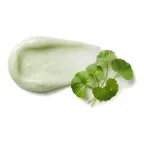 Madecassoside
 Sodium Hyaluronate
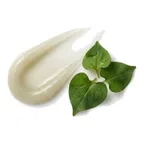 Heartleaf Extract
 Niacinamide
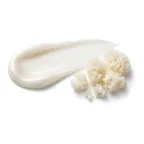 Collagen
Warning
- AverageOily Skin Fit
- AverageEffectiveness
- WarningSafety
A poor match for oily skin; the nourishing masks alongside fit it better.
This fit is calculated for the concerns frequently associated with oily skin: shine, enlarged pores, blackheads, and blemishes. For scores and recommendations based on your full skin profile, including your 12D face scan results and any goals or preferences you have, please use the Lovi app.
Updated How the Fit score works
Buy online

Prices checked 20 Nov 2026
The Lovi Fit is the same in every country; only the stores and prices differ, and the ones here are for Europe.
How to apply
- Could be used as part of your AM or PM routine. Start using your sheet mask 3 times a week and increase if your skin likes it.
- Apply your sheet mask after cleansing and toning, but before putting on your moisturizer.
- Place the sheet mask smoothly over your face and gently press it down without rubbing.
- Put the mask on clean and slightly dry skin for the best results and comfort.
- Avoid the eye area and do a simple patch test before using it for the first time.
Questions and answers
Why does Lovi advise against Abib Gummy Sheet Mask for oily skin?
This mask does not provide the oil control or mattifying properties that oily skin typically requires. Oily skin needs a product of this type that offers lightweight hydration and oil-balancing ingredients to keep excess shine in check.
Which ingredients make this mask a poor fit for oily skin?
This mask is a poor fit for oily skin because it contains heavy moisturizing ingredients and oils that may add too much hydration and fail to control excess oil. Oily skin needs lightweight, oil-free formulas with balancing and mattifying ingredients like salicylic acid or niacinamide to keep the face clear and fresh.
What does Madecassoside do for oily skin?
Madecassoside helps calm oily skin by reducing redness and soothing inflammation, while supporting skin barrier repair. It is unlikely to clog pores and helps manage acne-prone skin by easing irritation and keeping the skin balanced.
Molecules, 2023Bioscience, Biotechnology, and Biochemistry, 2019
What does Hyaluronic Acid do for oily skin?
Hyaluronic acid helps calm oily skin by lowering sebum production and decreasing oil synthesis in the glands. It may also help keep the skin barrier strong while keeping the face feeling balanced.
The Journal of Investigative Dermatology, 2017Journal of Cosmetic Dermatology, 2022
Where does this mask go in a skincare routine for oily skin?
This mask is a poor match for oily skin and is not recommended for your routine. Oily skin needs lightweight, oil-controlling products with ingredients like niacinamide and salicylic acid to keep pores clear and skin balanced without adding heavy moisture.
Can I use this mask with retinol, and in what order?
This mask is a poor match for oily skin, so it is best to avoid it in your routine even when using retinol. Oily skin needs lightweight, balancing formulas with niacinamide and green tea extract that help control extra shine without clogging pores.
How often should I use this mask?
This mask is a poor match for oily skin, so Lovi advises against using it. Oily skin needs a nourishing mask of this type to feature lightweight, oil-balancing ingredients that hydrate without clogging pores.
Can this mask clog pores, cause breakouts or purging for oily skin?
This mask may feel too heavy and is unlikely to be a good match for oily skin since it can clog pores and trigger breakouts. Oily skin needs lightweight, oil-controlling ingredients and soothing hydrators that keep the face fresh without feeling greasy.
What the research says
A single application of a moisturizing fluid containing hyaluronic acid 1%, glycerin 5%, and Centella asiatica stem cells extract significantly increased skin hydration by 29% and reduced transepidermal water loss at 24 hours compared to baseline and an untreated control site in twenty healthy women.
Clinical, Cosmetic and Investigational Dermatology, 2017Topical treatment with 5% vitamin C and 0.1% madecassoside significantly improved clinical scores for wrinkles, suppleness, firmness, roughness, and skin hydration, along with functional and structural remodeling of the elastic fiber network in 20 female volunteers with photoaged skin after 6 months compared to baseline.
Experimental Dermatology, 2008Treatment with an asiaticoside-containing cream applied twice daily for 12 weeks significantly improved periorbital wrinkles in 65% of 27 female volunteers compared to a vehicle control cream.
International Journal of Cosmetic Science, 2008Topical application of 0.1% hyaluronic acid formulations of different molecular weights led to significant improvements in skin hydration and elasticity, with low-molecular-weight formulations also significantly reducing wrinkle depth in seventy-six female subjects compared to a vehicle control.
Journal of Drugs in Dermatology, 2011Topical hyaluronic acid serum used twice daily by 40 females with facial photoaging produced an immediate 134% increase in skin hydration, a sustained 55% increase at week 6, and significant improvements in smoothness, plumping, fine lines, wrinkles, and global appearance without causing irritation.
Dermatology and Therapy, 2021A topical antioxidant serum significantly reduced air pollution-induced skin pigmentation and proinflammatory gene expression ex vivo, and improved skin aging signs in 40 healthy adult females after 90 days of daily use.
Journal of Cosmetic Dermatology, 2022Quercetin phospholipids 1% cream significantly reduced UV-, histamine-, and chemical-induced skin erythema (-10.05%) and mean wheal diameter in 30 healthy human volunteers, showing comparable efficacy to 1% dexchlorpheniramine cream.
Clinical, Cosmetic and Investigational Dermatology, 2016Optimized rutin-loaded glycerosomes formulated into a nanosunscreen gel demonstrated sustained drug release, greater skin permeation, good antioxidant activity, and better epidermal retention compared to the dermis, indicating high safety, stability, and sun protection factor values for topical administration.
Gels, 2023Topical formulations containing 1.25% Malus sp. extract or 0.75% rutin protected against UVB-induced sunburn cells, caspase-3 activation, cyclobutane pyrimidine dimers, lipid peroxidation, and metalloproteinase formation in ex vivo skin explants and 3D tissue-engineered skin.
Rejuvenation Research, 2020Topical nicotinamide prevented solar-simulated UV-induced immunosuppression in healthy volunteers, and men experienced immunosuppression at solar-simulated UV doses three times lower than those required for women.
The Journal of Investigative Dermatology, 2008Topical 5% niacinamide applied twice daily for 12 weeks reduced fine lines and wrinkles, hyperpigmented spots, red blotchiness, and skin sallowness, and improved skin elasticity compared to vehicle control in 50 female white subjects with facial photoaging.
Dermatologic Surgery, 2005Topical 2% niacinamide significantly decreased sebum excretion rate in Japanese individuals and casual sebum levels in Caucasian individuals compared to placebo or baseline.
Journal of Cosmetic and Laser Therapy, 2006Topical application of TAC/Collagen postbiotics gel improved skin moisture score and inflammation index, and reduced porphyrins and brown spots in 20 volunteers with acne vulgaris.
Journal of Cosmetic Dermatology, 2022Topical collagen tripeptide application improved skin wrinkles, elasticity, and density while reducing advanced glycated end products in 22 Asian women over 4 weeks.
International Journal of Molecular Sciences, 2022Marine collagen extracted from Greenland halibut skin showed a non-cytotoxic effect on fibroblast cells and provided a slight skin hydration effect when incorporated into cosmetic hydrogel formulations at dosages of 0.1, 0.25, and 0.5% in 23 healthy volunteers.
Marine Drugs, 2023
Ingredients
Water, Dipropylene Glycol, Glycerin, Butylene Glycol, Paeonia Suffruticosa Root Extract, Centella Asiatica Extract, 1,2-Hexanediol, Carbomer, Chamomilla Recutita Flower Extract Matricaria Flower Extract, Glyceryl Caprylate, Xanthan Gum, Ethylhexylglycerin, Sodium Hyaluronate, Disodium Edta, Glycereth-26, Houttuynia Cordata Extract, Allantoin, Anhydroxylitol, Methyl Glucose Sesquistearate, Polyglyceryl-3 Methylglucose Distearate, Panthenol, Glucose, Silica, Hydroxycitronellal, Polyglyceryl-10 Laurate, Glyceryl Stearate Se, Raspberry Ketone, Cetyl Ethylhexanoate, Inonotus Obliquus Extract Mushroom Extract, Xylitylglucoside, Benzyl Glycol, Propanediol, Cetearyl Ethylhexanoate, Squalane, Glyceryl Stearate, Bergamot Oil Fruit, Bis-Peg-18 Methyl Ether Dimethyl Silane, Pyrus Malus Fruit Extract, Witch Hazel Water, Peg-100 Stearate, Linalool, Hydrolyzed Glycosaminoglycans, Ethoxydiglycol, Limonene, Hydrolyzed Hyaluronic Acid, Trehalose, Hydroxyethylcellulose, Butylphenyl Methylpropional, Bht, Hydrogenated Lecithin, Hippophae Rhamnoides Fruit Extract, Potassium Hydroxide, Prunus Serotina Fruit Extract Prunus Avium Fruit Extract, Polyquaternium-51, Arginine, Ceramide Np, Moringa Oleifera Seed Extract, Palmitoyl Tripeptide-5, Phenoxyethanol, Niacinamide, Dimethicone, Rosewood Oil Wood, Witch Hazel Extract, Pantolactone, Peg Ppg-17 6 Copolymer, Portulaca Oleracea Extract, Xylitol, Extract Milk Protein, Pyrus Malus Seed Extract, Caprylic Capric Triglyceride, Sodium Hyaluronate Crosspolymer, Ammonium Acryloyldimethyltaurate Vp Copolymer, Madecassoside, Hydroxyacetophenone, Caprylyl Glycol, Dipotassium Glycyrrhizate, Rosmarinus Officinalis Leaf Extract Rosemary Leaf Extract, Melaleuca Alternifolia Tree Extract, Asiaticoside, Asiatic Acid, Madecassic Acid, Quercetin, Bioflavonoids, Tannic Acid, Methyl Diisopropyl Propionamide, Menthyl Lactate, Sodium Guaiazulene Sulfonate, Sodium Acetylated Hyaluronate, Collagen Extract, Lactobacillus Soymilk Ferment Filtrate, Adenosine, Tocopheryl Acetate, Cyanocobalamin, Glutathione
Behind this fit score
Lovi calculates every fit score from the full ingredient list with brand-independent rules our dermatologists and cosmetic chemists build and review, and personalizes every pick with AI trained on the real results of millions of users. Lovi trains its fit score models on a proprietary dataset built from more than 10,000 expert-labeled products and more than 100,000 simulated examples, following an internally consistent methodology presented at Cosmoprof, AMWC, and Skin of Color Update.
-

Co-founder, Medical Director
Cosmetic chemist, cosmetologist, aesthetic products developer
-

Co-founder, CEO and CTO
PhD in computer science, 3x US patent holder, ex-Google, ex-Yandex
-

Dr. Sofía Perea Pérez, MD, MSc
Medical Board
Aesthetic medicine practitioner, MSc in Longevity and Anti-Aging Medicine
-

Medical Board
Specialist dermatologist, MBBS, MD, IFAAD
-

Medical Board
Cosmetic chemist, SCS, IFSCC member
-

Medical Board, Medical Advisor
Dermatology MD
-

Elina Nazarenko, MD
Medical Board
Dermatology and diagnostic consultant
-

Victoria Derkova, MS
Medical Board
Cosmetic chemist, cosmetic development technologist


How does it fit your skin?
Scan your face, then any product: Lovi shows how well it fits you and what fits even better.