
A'pieu Glycolic Acid Cream for skin with dark spots

 Glycolic Acid
 Salicylic Acid
 Niacinamide
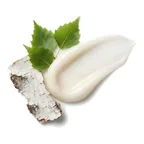 Betula Alba Juice
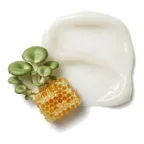 Panthenol
High
- HighNormal Skin Fit
- AverageEffectiveness
- HighSafety
One of the best products for skin with dark spots.
This fit is calculated for the concerns frequently associated with dark spots: hyperpigmentation, sun spots, and uneven skin tone. For scores and recommendations based on your full skin profile, including your 12D face scan results and any goals or preferences you have, please use the Lovi app.
Updated How the Fit score works
Lovi Assistant explains
- Offers moderate exfoliation for pigmentation on your normal skin due to glycolic acid and salicylic acid, which provide chemical exfoliation and texture smoothing, complemented by niacinamide for barrier support.
- The inclusion of panthenol and various plant extracts further aids in soothing and hydrating the skin, enhancing the overall efficacy for your concerns.
- The product is safe for your normal skin, as it lacks any harsh or prohibited ingredients that could cause irritation.
How to apply
- Use your exfoliant PM once a week to start, moving up to twice a week if your skin likes it. Always apply SPF during the day while using this product.
- Apply this exfoliant step right after your cleanser and toner, and before your moisturizer.
- Gently press 2-3 drops of the exfoliant into your skin and let it dry. Avoid rubbing your face hard.
- Apply the product on clean, completely dry skin to make sure it works best for your pigmentation goals.
- Remember to avoid the delicate eye area and do a quick patch test before using it for the first time.
People Say
★4.2Overall rating based on 100+ reviewsBased on limited data, this cream is a popular choice for individuals with dull, blemish-prone, or rough skin who seek a mild, daily-use exfoliant that hydrates while refining skin texture. Users frequently report waking up to softer, smoother, and brighter skin, though results for deeper acne or severe hyperpigmentation may require consistent, long-term use.
Highlights
Smooths skin texture Mostly Mentioned
- “Skin feels so soft and smooth”
- “noticeably smooths skin texture”
- “makes skin super smooth”
Deeply moisturizing Often Mentioned
- “Deeply moisturizing effect”
- “provides ample moisture”
- “doesn't strip the skin”
Gentle exfoliation Often Mentioned
- “Gently sloughs off dead skin”
- “no irritation”
- “gentle enough for frequent use”
Brightens complexion Sometimes Noted
- “Leaves skin brighter”
- “improves radiance”
- “wake up with even skin”
Availability concerns Sometimes Noted
- “Increasingly difficult to find”
- “feels discontinued”
- “website keeps putting it on sale”
Heavy/sticky feel Sometimes Noted
- “Sits on the surface”
- “slight residue feeling”
- “feels a bit sticky”
Skin barrier irritation Sometimes Noted
- “Destroyed my skin barrier”
- “tingling sensation”
- “avoided with sensitive skin”
Comedogenic ingredients Rarely Noted
- “May worsen fungal acne”
- “not ideal for oily skin”
- “contains comedogenic ingredients”
Sources: lovi.care, gopicky.com, hwahae.com, niasha.ch, reddit.com, ulta.com, and more
Questions and answers
What makes A'pieu Glycolic Acid Cream a great fit for skin with dark spots?
A'pieu Glycolic Acid Cream is a great fit because glycolic acid and salicylic acid gently smooth skin texture and help fade dark spots. Niacinamide supports your skin barrier while panthenol and plant extracts keep your skin calm and hydrated.
Which ingredients make this cream a good fit for skin with dark spots?
Glycolic acid and salicylic acid make this cream a good fit because they provide chemical exfoliation to smooth texture and fade dark spots, while niacinamide supports your skin barrier. Panthenol and plant extracts also help by soothing and hydrating your skin to enhance the overall results.
What does Glycolic Acid do for skin with dark spots?
Glycolic acid helps fade dark spots and uneven skin tone by clearing away dull surface cells, though it may increase tanning when exposed to the sun. Using it as part of your routine can significantly improve stubborn pigmentation with a very safe and well-tolerated profile.
What does Salicylic Acid do for skin with dark spots?
Salicylic acid helps clear dark spots left behind by acne and evens out skin tone, particularly when used in chemical peels or targeted treatments. It is generally well-tolerated on darker skin types, though mild side effects may occasionally occur.
International Journal of Dermatology, 2020Dermatologic Surgery, 1999
Where does this cream go in a skincare routine for skin with dark spots?
This cream goes in the evening routine as a treatment step, used once a week to start. It may be used more often if your skin tolerates it well and shows good results.
Can I use this cream with retinol, and in what order?
You can use this cream in the evening after cleansing, but it is best to use it on alternate nights from your retinol rather than layering them together to keep your skin calm. Using strong acids and retinol at the same time may easily lead to dryness and irritation, so spacing them out helps your skin stay smooth and comfortable.
How often should I use this cream?
Start using this cream just once a week in the evening, and if your skin feels comfortable and you see good results, you can carefully use it more often. Glycolic acid and salicylic acid help smooth the skin and fade dark spots, while niacinamide and panthenol support your skin barrier and keep it calm.
Journal of Cosmetic Dermatology, 2021Journal of Cosmetic Dermatology, 2024
Can this cream clog pores, cause breakouts or purging for skin with dark spots?
This cream is unlikely to clog pores for skin with dark spots because it has low comedogenic ingredients, though it may cause some mild skin barrier irritation. The exfoliating ingredients help clear dark spots while soothing ingredients calm the skin.
The Journal of Dermatological Treatment, 2017American Journal of Clinical Dermatology, 2002
Is this cream fragrance-free and alcohol-free?
Yes, it has no fragrance and no drying alcohol. Cetearyl alcohol is a fatty alcohol, which soften the skin.
What the research says
A new topical panthenol-containing emollient significantly improved transepidermal water loss reduction, stratum corneum hydration, and intercellular lipid lamellae length compared with control in healthy subjects without negatively impacting bacterial viability.
The Journal of Dermatological Treatment, 2017Topical dexpanthenol acts as a moisturizer, improves stratum corneum hydration, accelerates wound healing and epidermal regeneration, reduces erythema, and improves symptoms of skin irritation compared to vehicle or no pretreatment.
American Journal of Clinical Dermatology, 2002Serial glycolic acid peels combined with a modified Kligman formula significantly reduced facial PIH severity in Indian patients compared to the modified Kligman formula alone.
Dermatologic Surgery, 2017Short contact therapy with a tretinoin, clindamycin, and glycolic acid gel significantly improved skin tolerability and reduced acne severity scores compared to standard application therapy in patients with mild-to-moderate acne.
Dermatologic Therapy, 2021A moisturizer containing licochalcone A, 1,2-decanediol, L-carnitine, and salicylic acid significantly reduced noninflammatory, inflammatory, and total acne lesion counts compared to a vehicle control in Thai patients during a 12-week maintenance phase.
BioMed Research International, 2020Treatment with 2% supramolecular salicylic acid hydrogel resulted in a regression and markedly improvement rate of 51.01% compared to 43.10% for Adapaline gel in patients with mild to moderate facial acne vulgaris, showing no significant difference in efficacy.
Journal of Cosmetic Dermatology, 2024Topical 5% benzoyl peroxide plus salicylic acid achieved the greatest lesion reduction at early 2 to 4 week time points compared to benzoyl peroxide, clindamycin, and combination benzoyl peroxide/clindamycin, while 5% benzoyl peroxide plus salicylic acid and combination benzoyl peroxide/clindamycin showed similar efficacy at 10 to 12 weeks in acne patients.
Journal of the American Academy of Dermatology, 2010Topical nicotinamide prevented solar-simulated UV-induced immunosuppression in healthy volunteers, and men experienced immunosuppression at solar-simulated UV doses three times lower than those required for women.
The Journal of Investigative Dermatology, 2008Topical 5% niacinamide applied twice daily for 12 weeks reduced fine lines and wrinkles, hyperpigmented spots, red blotchiness, and skin sallowness, and improved skin elasticity compared to vehicle control in 50 female white subjects with facial photoaging.
Dermatologic Surgery, 2005Topical 2% niacinamide significantly decreased sebum excretion rate in Japanese individuals and casual sebum levels in Caucasian individuals compared to placebo or baseline.
Journal of Cosmetic and Laser Therapy, 2006Betula alba bark extract and Empetrum nigrum fruit juice upregulated barrier genes, strengthened the skin barrier, and showed significantly better skin restructuring, hydration, and TEWL compared to placebo and 3% niacinamide.
International Journal of Molecular Sciences, 2022Topical dexpanthenol formulated in lipophilic vehicles improved stratum corneum hydration and reduced transepidermal water loss compared to vehicle control in humans.
Arzneimittel-Forschung, 2000A combination serum containing galactomyces ferment filtrate, dexpanthenol, and Centella asiatica effectively treated post-acne hyperpigmentation in subjects with colored skin by significantly increasing lightness scores in Fitzpatrick skin type V and reducing the melanin index in Fitzpatrick skin type IV compared to placebo.
Skinmed, 2021A cream containing panthenol, prebiotics, and probiotic lysate improved facial sensitive skin symptoms and skin barrier function in 110 participants over 28 days.
Skin Research and Technology, 2024
Ingredients
Betula Alba Juice, Water, Propanediol, Tromethamine, Glycolic Acid, Cetearyl Alcohol, Glycereth-26, 1,2-Hexanediol, Niacinamide, Butylene Glycol, Glycerin, Cyclopentasiloxane, Beeswax, Dimethicone, Polysorbate 60, Cyclohexasiloxane, Sorbitan Stearate, Peg-240 Hdi Copolymer Bis-Decyltetradeceth-20 Ether, Glyceryl Stearate, Panthenol, Salicylic Acid, Artemisia Princeps Leaf Extract, Xanthan Gum, Hydroxyacetophenone, Sodium Acrylate Sodium Acryloyldimethyl Taurate Copolymer, Peg-100 Stearate, Isohexadecane, Peg-2m, Hydrogenated Lecithin, Allantoin, Sucrose Distearate, Polysorbate 80, Adenosine, Sorbitan Oleate, Disodium Edta, Pantolactone, Lactobacillus Pumpkin Extract Ferment, Phenoxyethanol, Pineapple Fruit Extract, Alchemilla Vulgaris Extract, Arnica Montana Flower Extract, Actinidia Chinensis Fruit Extract, Pyrus Malus Fruit Extract, Gaultheria Procumbens Leaf Extract
Behind this fit score
Lovi calculates every fit score from the full ingredient list with brand-independent rules our dermatologists and cosmetic chemists build and review, and personalizes every pick with AI trained on the real results of millions of users. Lovi trains its fit score models on a proprietary dataset built from more than 10,000 expert-labeled products and more than 100,000 simulated examples, following an internally consistent methodology presented at Cosmoprof, AMWC, and Skin of Color Update.
-

Co-founder, Medical Director
Cosmetic chemist, cosmetologist, aesthetic products developer
-

Co-founder, CEO and CTO
PhD in computer science, 3x US patent holder, ex-Google, ex-Yandex
-

Dr. Sofía Perea Pérez, MD, MSc
Medical Board
Aesthetic medicine practitioner, MSc in Longevity and Anti-Aging Medicine
-

Medical Board
Specialist dermatologist, MBBS, MD, IFAAD
-

Medical Board
Cosmetic chemist, SCS, IFSCC member
-

Medical Board, Medical Advisor
Dermatology MD
-

Elina Nazarenko, MD
Medical Board
Dermatology and diagnostic consultant
-

Victoria Derkova, MS
Medical Board
Cosmetic chemist, cosmetic development technologist


How does it fit your skin?
Scan your face, then any product: Lovi shows how well it fits you and what fits even better.