SkinCeuticals Sheer Physical UV Defense SPF 50 for acne-prone skin

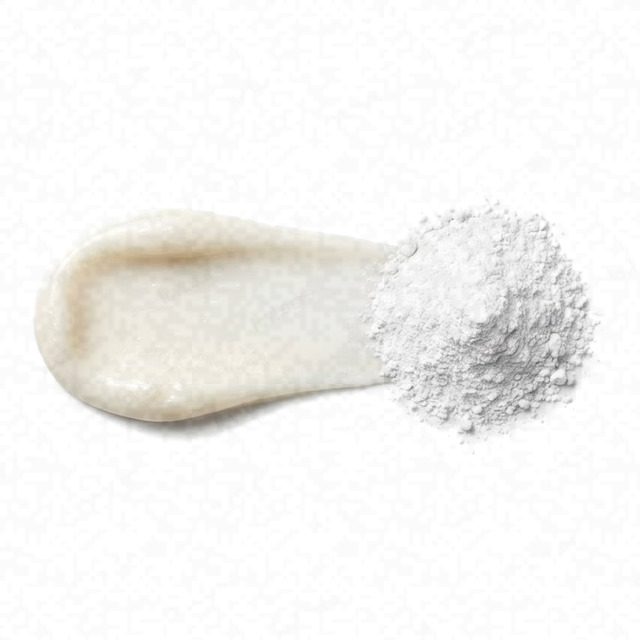 Titanium Dioxide
 Zinc Oxide
 Dimethicone
 Vitamin E
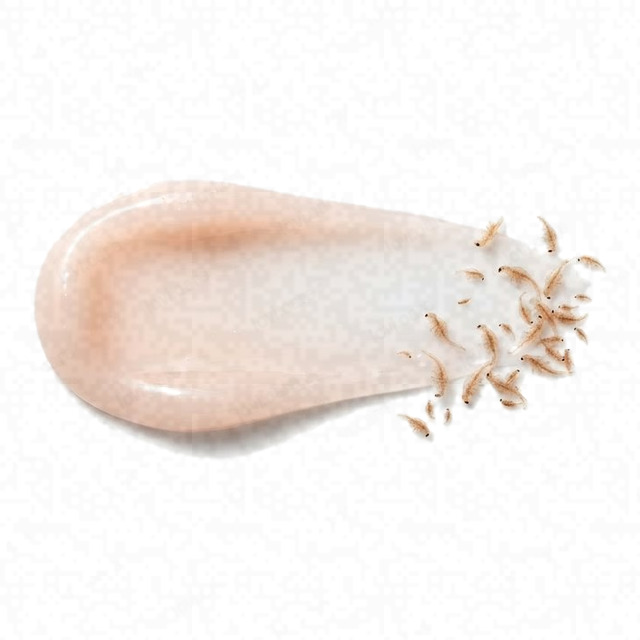 Artemia Extract
High
- HighCombination Skin Fit
- HighEffectiveness
- ExcellentSafety
A great choice for acne-prone skin; a few sunscreens fit it even better.
This fit is calculated for the concerns frequently associated with acne-prone skin: breakouts, blackheads, and post-acne marks. For scores and recommendations based on your full skin profile, including your 12D face scan results and any goals or preferences you have, please use the Lovi app.
Page built Nov 8, 2026How the Fit score works
Lovi Assistant explains
- Highly suitable for your combination skin, the titanium dioxide and zinc oxide offer excellent physical sun protection without exacerbating oiliness, while also calming inflammation and absorbing excess oil to address your acne and blemishes.
- Artemia extract provides additional soothing benefits, contributing to the product's overall efficacy for your skin concerns.
- The safety profile is excellent, with no risks of irritation due to the absence of harsh ingredients and the presence of soothing components.
How to apply
- Apply this sunscreen every morning as the final step of your skincare routine. Reapply every two hours if you are outdoors for best protection against breakouts.
- Apply the sunscreen after your moisturizer and before applying any makeup. Let it absorb completely ⏱ before going outside.
- Take a nickel-sized amount and gently pat it evenly across your face and neck. Avoid rubbing aggressively to keep your combination skin calm.
- Apply the sunscreen on clean, dry skin to ensure an even protective layer. This helps manage excess shine without clogging your pores.
- Avoid the immediate eye area and do a quick patch test before first use. Stop using it if you notice any irritation and consult a specialist.
People Say
★4.3Overall rating based on 300+ reviewsThis mineral sunscreen is highly favored by users with sensitive and oily skin for its ultra-lightweight, fluid texture that provides a matte finish without causing breakouts. Users with dry skin report it can be dehydrating, and those with medium-to-deep skin tones frequently observe a noticeable white cast despite the product's sheer claim.
Highlights
Matte finish Often Mentioned
- “non-greasy”
- “dries down matte”
- “no sticky residue”
- “controls oil”
Weightless texture Often Mentioned
- “feels like nothing”
- “very thin liquid”
- “absorbs instantly”
- “super lightweight”
Leaves white cast Often Mentioned
- “ghostly cast”
- “pale residue”
- “not sheer on dark skin”
- “purple tint”
Good makeup base Sometimes Noted
- “makeup sits well”
- “acts like primer”
- “smooth canvas”
- “no pilling”
Sensitive skin friendly Sometimes Noted
- “no stinging”
- “doesn't irritate eyes”
- “gentle on acne”
Drying formula Sometimes Noted
- “clings to dry patches”
- “feels tight”
- “emphasizes texture”
- “dehydrating over time”
High price Sometimes Noted
- “expensive for size”
- “small bottle”
- “pricey daily wear”
- “costly repurchase”
Liquidy consistency Rarely Noted
- “runny like water”
- “spills easily”
- “hard to control”
- “messy application”
Sources: lovi.care, lovelyskin.com, skinceuticals.com, bluemercury.com, makeupalley.com, reddit.com, and more
Questions and answers
What makes SkinCeuticals Sheer Physical UV Defense a great fit for acne-prone skin?
SkinCeuticals Sheer Physical UV Defense SPF 50 is a great fit for acne-prone skin because its titanium dioxide and zinc oxide protect your skin without making it oily, while also calming redness and clearing blemishes. Artemia extract and vitamin E add extra soothing care, and the formula is very safe with little risk of irritation.
Journal of Controlled Release, 2025Journal of Cosmetic Dermatology, 2024
Which ingredients make this sunscreen a good fit for acne-prone skin?
Titanium dioxide and zinc oxide make this sunscreen a great fit for acne-prone skin because they provide sun protection without adding extra oil, while also calming redness and absorbing excess oil. Artemia extract and vitamin E help by offering extra soothing benefits to keep your skin calm and clear.
Journal of Controlled Release, 2025Journal of Cosmetic Dermatology, 2024
What does Titanium Dioxide do for acne-prone skin?
Titanium dioxide sits on the surface of your skin to block UV rays without sinking in, which is generally safe for acne-prone skin. However, a product for this skin type needs extra soothing ingredients and oil control to help manage breakouts.
International Journal of Cosmetic Science, 2000Skin Pharmacology and Applied Skin Physiology, 2001
What does Zinc Oxide do for acne-prone skin?
Zinc oxide helps calm acne-prone skin by reducing breakouts, redness, and the bacteria linked to pimples. Studies show that using it on your skin is generally safe and unlikely to cause irritation.
Where does this sunscreen go in a skincare routine for acne-prone skin?
This sunscreen goes as the last step of your morning skincare routine, right after your moisturizer. It offers physical sun protection while helping calm inflammation and absorbing excess oil without clogging your pores.
Can I use this sunscreen with retinol, and in what order?
You can use this sunscreen in the morning as the final step of your skincare routine after applying your moisturizer. It has a very safe profile with no harsh ingredients, making it unlikely to cause irritation when paired with retinol.
How often should I use this sunscreen?
You should use this sunscreen every morning as the final step of your daytime routine. Using it daily helps protect your skin from sun damage while calming inflammation and absorbing excess oil without causing irritation.
Journal of Drugs in Dermatology, 2023Journal of Controlled Release, 2025
Can this sunscreen clog pores, cause breakouts or purging for acne-prone skin?
This sunscreen is a great fit for acne-prone skin because the titanium dioxide and zinc oxide offer sun protection without adding oiliness, while calming inflammation and absorbing excess oil. It is very unlikely to cause irritation or breakouts.
Is this sunscreen fragrance-free and alcohol-free?
Yes, it has no fragrance and no drying alcohol.
What the research says
Biomimetic hyaluronic acid-stabilized zinc oxide nanoparticles selectively inhibited C. acnes, outperformed erythromycin in preclinical acne models, and safely reduced acne lesions and redness in a clinical trial.
Journal of Controlled Release, 2025Topical 0.5% hyaluronic-ZnO nanogel applied twice daily reduced inflammatory-lesion counts by 58% at week four in human subjects compared to baseline without causing erythema.
Biomedicines, 2025Topical application of tocopherol succinate ethosomal gel decreased erythema, melanin, and sebum levels while improving moisture content and skin elasticity in 34 human women.
Journal of Cosmetic Dermatology, 2024Microfine titanium dioxide does not penetrate human skin when formulated in an oil-in-water emulsion with the pigment dispersed in the aqueous phase, compared to oily dispersions and liposomal encapsulation which allow deeper skin penetration.
International Journal of Cosmetic Science, 2000Replacing microsized titanium dioxide and zinc oxide with nanoparticles in sunscreens eliminates opaqueness and alters UV protection balance while inducing (photo)cyto- and genotoxicity and penetrating viable skin layers during long-term exposures.
Nanotechnology, Science and Applications, 2011Microfine zinc oxide and titanium dioxide do not penetrate the stratum corneum of porcine skin in vitro, indicating that their use in sunscreens does not pose a health risk from internal exposure.
Toxicology in Vitro, 2006Nels cream achieved a similar reduction in inflammatory and noninflammatory lesion counts compared to 5% benzoyl peroxide in acne vulgaris patients, but caused significantly fewer side-effects such as peeling and dryness.
Clinical and Experimental Dermatology, 2000Topically applied coated and uncoated zinc oxide nanoparticles under flexing and massage are retained in the stratum corneum with no significant penetration into the viable epidermis and no cellular toxicity in human skin.
Nanomedicine, 2016Wearing an N95 mask alone compared to using dimethicone cream or hydrocolloid dressing caused more adverse skin reactions among 73 military health care workers, with no significant differences in fit test failure rates between groups.
Military Medicine, 2024Treatment with a moisturizer containing dimethicone and glycerine increased epidermal thickness by 0.019 mm, improved barrier function by decreasing transepidermal water loss by 13%, decreased melanin intensity, and induced keratins 6 and 16 in fifteen women with moderately photoaged forearms.
Clinical and Experimental Dermatology, 2007Externally applied substances such as ceramides, hyaluronic acid, licorice extracts, dimethicone, petrolatum, and paraffin wax treat skin disease resulting from damage to the skin barrier.
Clinics in Dermatology, 2012Topical application of an antioxidant serum containing 15% ascorbic acid, 0.5% ferulic acid, and 1% tocopherol prevented particulate matter-induced degradation of extracellular matrix components, inflammation, and oxidative stress in the skin of 15 female volunteers compared to untreated controls.
Journal of Cosmetic Dermatology, 2025Dermatological products containing d-alpha tocopheryl acetate showed non-comedogenic potential with less than a 50% increase in microcomedones in 12 healthy male subjects compared to octyl palmitate.
Contemporary Clinical Trials Communications, 2021Topical application of an antioxidant mix containing 15% ascorbic acid, 0.5% ferulic acid, and 1% tocopherol prevented PM and UV-induced skin barrier perturbation, lipid peroxidation, inflammatory markers, MMP9 activation, and Type I collagen loss in 15 healthy females compared to untreated exposed skin.
Journal of Cosmetic Dermatology, 2024
Ingredients
Water, Titanium Dioxide, Zinc Oxide, Dimethicone, Isododecane, C12-15 Alkyl Benzoate, Undecane, Triethylhexanoin, Isohexadecane, Nylon-12, Caprylyl Methicone, Butyloctyl Salicylate, Phenethyl Benzoate, Styrene Acrylates Copolymer, Silica, Tridecane, Dicaprylyl Carbonate, Dicaprylyl Ether, Talc, Dimethicone Peg-10 15 Crosspolymer, Aluminum Stearate, Pentylene Glycol, Peg-9 Polydimethylsiloxyethyl Dimethicone, Alumina, Polyhydroxystearic Acid, Phenoxyethanol, Magnesium Sulfate, Caprylyl Glycol, Peg-8 Laurate, Disteardimonium Hectorite, Tocopherol, Propylene Carbonate, Artemia Extract, Benzoic Acid, Peg-9
Behind this fit score
Lovi calculates every fit score from the full ingredient list with brand-independent rules our dermatologists and cosmetic chemists build and review, and personalizes every pick with AI trained on the real results of millions of users. Lovi trains its fit score models on a proprietary dataset built from more than 10,000 expert-labeled products and more than 100,000 simulated examples, following an internally consistent methodology presented at Cosmoprof, AMWC, and Skin of Color Update.
-

Co-founder, Medical Director
Cosmetic chemist, cosmetologist, aesthetic products developer
-

Co-founder, CEO and CTO
PhD in computer science, 3x US patent holder, ex-Google, ex-Yandex
-

Dr. Sofía Perea Pérez, MD, MSc
Medical Board
Aesthetic medicine practitioner, MSc in Longevity and Anti-Aging Medicine
-

Medical Board
Specialist dermatologist, MBBS, MD, IFAAD
-

Medical Board
Cosmetic chemist, SCS, IFSCC member
-

Medical Board, Medical Advisor
Dermatology MD
-

Elina Nazarenko, MD
Medical Board
Dermatology and diagnostic consultant
-

Victoria Derkova, MS
Medical Board
Cosmetic chemist, cosmetic development technologist


How does it fit your skin?
Scan your face, then any product: Lovi shows how well it fits you and what fits even better.