RoC Retinol Correxion Deep Wrinkle Daily Moisturizer for acne-prone skin

 Retinol
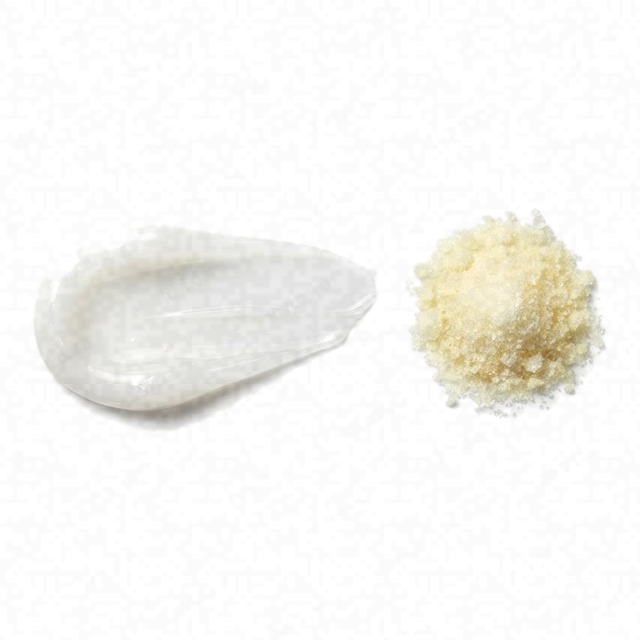 Avobenzone
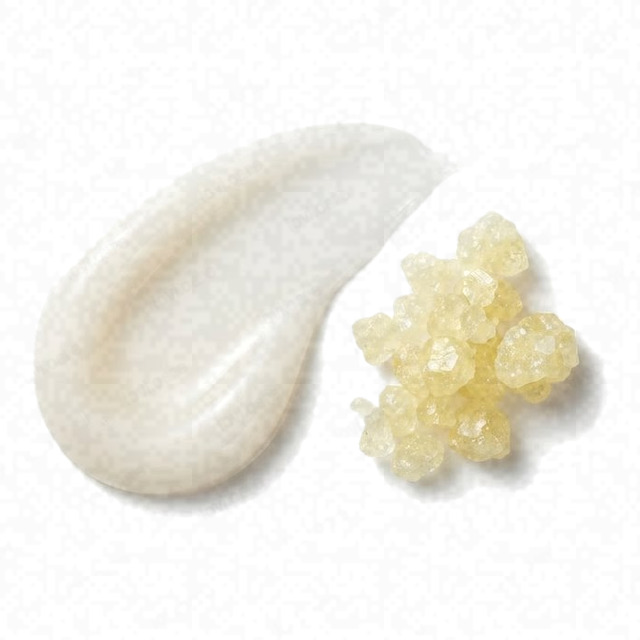 Homosalate
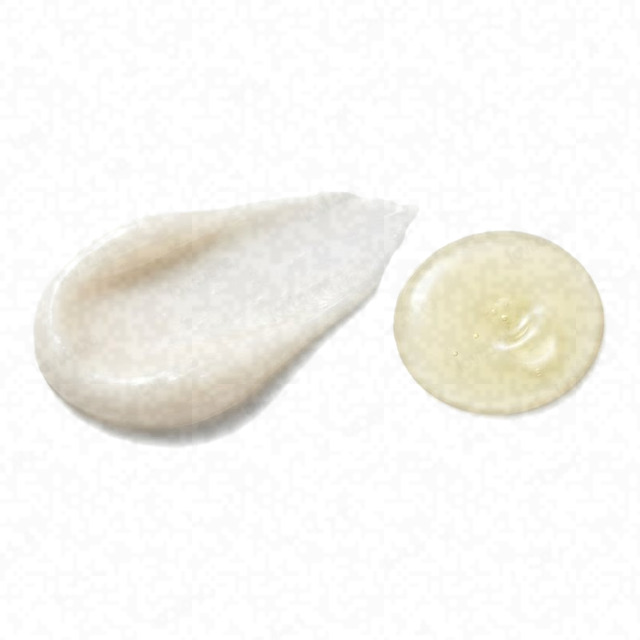 Octocrylene
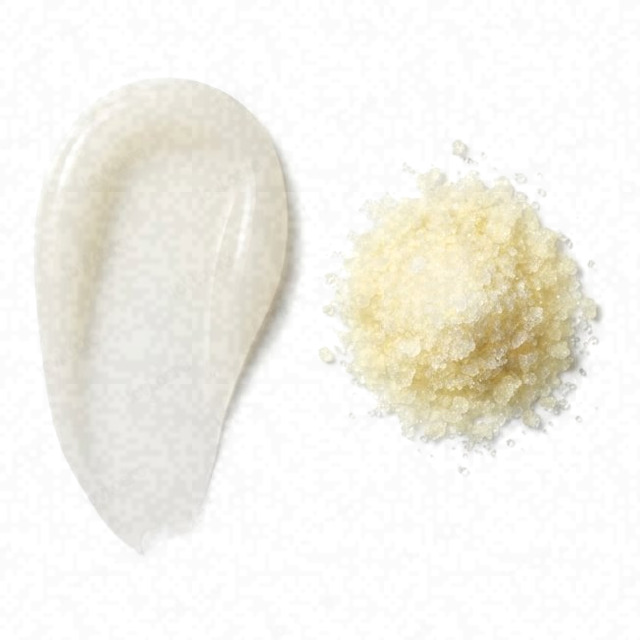 Oxybenzone
Average
- AverageCombination Skin Fit
- AverageEffectiveness
- HighSafety
Works for acne-prone skin; other sunscreens fit it better.
This fit is calculated for the concerns frequently associated with acne-prone skin: breakouts, blackheads, and post-acne marks. For scores and recommendations based on your full skin profile, including your 12D face scan results and any goals or preferences you have, please use the Lovi app.
Page built Nov 8, 2026How the Fit score works
Lovi Assistant explains
- Offers moderate moisturizing and sun protection for your combination skin due to glycerin and a blend of UV filters, though it lacks sufficient oil-controlling ingredients for optimal results.
- The inclusion of allantoin provides soothing benefits, which are supportive for acne-prone skin, but specialized ingredients to directly target breakouts are absent.
- The safety profile is good, with no risks of irritation for your combination skin due to the absence of harsh ingredients and the presence of soothing components.
How to apply
- Apply this moisturizing sunscreen AM every morning as the final step of your daily routine.
- Layer the moisturizing sunscreen after your moisturizer has fully absorbed, right before heading out into the sun .
- Smooth a nickel-sized amount of the moisturizing sunscreen evenly over your face, avoiding harsh rubbing.
- Apply the moisturizing sunscreen onto clean, dry skin to ensure even coverage and protection.
- Perform a patch test before first use and avoid direct contact with the eyes.
Questions and answers
How well does RoC Retinol Correxion Deep Wrinkle Daily Moisturizer work for acne-prone skin?
This moisturizer works decently for acne-prone skin by offering basic hydration and sun protection, though it lacks oil-controlling ingredients and breakout-fighting components. An ideal product of this type for acne-prone skin needs ingredients that hydrate without adding excess oil, target blemishes directly, and support the skin barrier.
Clinical, Cosmetic and Investigational Dermatology, 2017Journal of Drugs in Dermatology, 2025
Which ingredients make this cream a good fit for acne-prone skin?
This cream works for acne-prone skin because it contains glycerin for moderate hydration and allantoin for soothing benefits. However, a product of this type needs specialized blemish-targeting ingredients like niacinamide, oil-controlling elements to prevent excess shine, and barrier-supporting components like ceramides to truly excel for this skin type.
What does Retinol do for acne-prone skin?
Retinol helps acne-prone skin by speeding up cell turnover and clearing pores to reduce breakouts. It regulates skin growth and fights inflammation, though it may cause some mild peeling or stinging when you first start using it.
Journal of Drugs in Dermatology, 2022The Journal of Dermatological Treatment, 2017
What does Avobenzone do for acne-prone skin?
Avobenzone protects acne-prone skin from UV rays that can worsen dark spots and inflammation, though it does not directly treat breakouts. To properly care for acne-prone skin, sunscreens should also feel light, clog-free, and non-greasy.
Where does it go in a skincare routine for acne-prone skin?
Apply this moisturizer in the morning as your final step before sunscreen, or use it alone since it includes sun protection. For acne-prone skin, a product of this type needs added oil-controlling ingredients and blemish-clearing actives to give you optimal results.
Can I use this cream with niacinamide, and in what order?
You can use this cream alongside niacinamide by applying your niacinamide serum first and following it with this moisturizer. This product works for your acne-prone skin, though an average fit like this needs specialized ingredients to directly target breakouts and oil-controlling ingredients for optimal results.
How often should I use it?
You can use this moisturizer with SPF every morning to keep your skin protected and hydrated throughout the day. A product for this skin type needs oil-controlling ingredients and blemish-targeting actives to work best.
Can this cream clog pores, cause breakouts or purging for acne-prone skin?
This cream is unlikely to cause irritation or breakouts on acne-prone skin, though other products fit this skin better because it lacks specialized oil-controlling ingredients to directly target breakouts. A moisturizer for this skin needs oil-controlling agents and ingredients that specifically clear pores.
Journal of Drugs in Dermatology, 2025Archives of Dermatological Research, 2024
Is it fragrance-free and alcohol-free?
Yes, it has no fragrance and no drying alcohol. Cetyl alcohol is a fatty alcohol, which soften the skin.
What the research says
A single application of a moisturizing fluid containing hyaluronic acid 1%, glycerin 5%, and Centella asiatica stem cells extract significantly increased skin hydration by 29% and reduced transepidermal water loss at 24 hours compared to baseline and an untreated control site in twenty healthy women.
Clinical, Cosmetic and Investigational Dermatology, 2017Chemical sunscreens containing avobenzone, octocrylene, homosalate, and octisalate showed no to minimal risks of dermal irritation, sensitization, photo-allergy, and photo-irritation in human subjects.
Journal of Drugs in Dermatology, 2025The application of a sunscreen formulation containing ethylhexyl methoxycinnamate, ethylhexyl salicylate, methyl anthranilate, and octocrylene does not significantly affect critical acne-related species such as Cutibacterium acnes and Staphylococcus epidermidis, refuting the induction of facial dysbiosis in men.
Archives of Dermatological Research, 2024Topical 0.4% retinol significantly increased epidermal thickness, dermal vascularity, and extracellular matrix production by stimulating keratinocyte proliferation, endothelial cell proliferation, and fibroblast activation in naturally aged human skin compared to vehicle.
International Journal of Cosmetic Science, 2017Topical bakuchiol 0.5% applied twice daily compared with retinol 0.5% applied daily significantly decreased wrinkle surface area and hyperpigmentation with no statistical difference between the compounds in 44 patients over 12 weeks, while retinol users reported more facial skin scaling and stinging.
The British Journal of Dermatology, 2019Silicone particles encapsulating retinol increased its half-life by 9-fold and yielded 12-23% lower skin irritation in human subjects compared to Microsponge particles while maintaining biological activity.
Journal of Controlled Release, 2018Encapsulation of ethylhexyl methoxycinnamate and butyl methoxydibenzoylmethane in lipid microparticles significantly reduced their in vivo human skin penetration compared to nonencapsulated filters.
Skin Pharmacology and Physiology, 2011Microencapsulation of the BMDBM/HP-beta-CD complex in lipid microparticles significantly decreased the percutaneous penetration of the UV filter into the stratum corneum of human volunteers compared to the non-encapsulated sunscreen agent.
Journal of Pharmaceutical and Biomedical Analysis, 2011Following human skin application of an O/W emulsion containing 2% BMDBM loaded in lipospheres, 15% of the sunscreen accumulated in the uppermost layers of the stratum corneum without remarkably modifying skin permeation compared to unencapsulated sunscreen.
Skin Pharmacology and Physiology, 2008Dermal application of a sunscreen containing 10% homosalate in four volunteers resulted in delayed elimination with terminal half-times around 24 h and a bioavailability of cis-homosalate a factor of 2 lower than trans-homosalate, while metabolite ratios supported using oral-route urinary excretion fractions for dermal exposure assessments.
Archives of Toxicology, 2024Homosalate exhibited the highest permeation among tested filters with a relative permeability rate of 4.2% and a depth of 60 um, and specific thickeners and emulsifiers successfully reduced its permeation without inhibiting the skin permeation of niacinamide.
Photodermatology, Photoimmunology & Photomedicine, 2026An online-SPE-LC-MS/MS method successfully quantified specific urinary homosalate metabolites for up to 96 hours after dermal sunscreen application in a volunteer and detected metabolites exclusively in three German pilot participants who had used sunscreen within five days.
Analytica Chimica Acta, 2021Incorporating rosmarinic acid into sunscreens enhanced the in vivo SPF of octocrylene by over 157% and reduced lipid peroxidation in the human stratum corneum.
Antioxidants, 2025Early application of sunscreen after ablative fractional skin resurfacing significantly increased the sensitization rate of the UV-filter, octocrylene, and the sunscreen compared to intact skin.
The Journal of Dermatological Treatment, 2015Dermal sunscreen exposure in 20 healthy volunteers led to plasma concentrations of avobenzone, octocrylene, and its metabolite CDAA reaching up to 11 μg/L, 25 μg/L, and 1352 μg/L, respectively.
Environment International, 2019Daily whole-body topical application of sunscreens benzophenone-3, octyl-methoxycinnamate, and 3-(4-methylbenzylidene) camphor results in systemic absorption in healthy human volunteers but does not alter endogenous reproductive hormone levels.
The Journal of Investigative Dermatology, 2004Topical application of sunscreen agents in human volunteers resulted in significant skin penetration of all agents and systemic absorption of oxybenzone and its metabolites.
Journal of Chromatography. B, Analytical Technologies in the Biomedical and Life Sciences, 2004Benzophenone-3 loaded starch microsponges provided improved photoprotection, higher sun protection factor, and reduced cutaneous penetration compared to raw benzophenone-3 cream.
Materials Science & Engineering. C, Materials for Biological Applications, 2019
Why other sunscreens fit acne-prone skin better
Biomimetic hyaluronic acid-stabilized zinc oxide nanoparticles selectively inhibited C. acnes, outperformed erythromycin in preclinical acne models, and safely reduced acne lesions and redness in a clinical trial.
Journal of Controlled Release, 2025Topical 0.5% hyaluronic-ZnO nanogel applied twice daily reduced inflammatory-lesion counts by 58% at week four in human subjects compared to baseline without causing erythema.
Biomedicines, 2025Malaysian thermal spring water as an adjunct to standard acne therapy improved skin hydration, reduced dryness and stinging, enhanced overall tolerability, and improved the acne disability index in patients with mild to moderate acne.
The Medical Journal of Malaysia, 2024
Ingredients
Avobenzone, Homosalate, Octocrylene, Oxybenzone, Water, Glycerin, Tetrahydroxypropyl Ethylenediamine, Dimethicone, Cyclohexasiloxane, Butylene Glycol, Butyrospermum Parkii Butter Shea Butter, Squalane, Ppg-2 Myristyl Ether Propionate, Pentaerythrityl Tetraethylhexanoate, Cetyl Alcohol, Glyceryl Stearate, Diethylhexyl 2,6-Naphthalate, Aluminum Octenylsuccinate Starch, Peg-75 Stearate, Polyacrylamide, Glycolic Acid, Phenoxyethanol, Pentylene Glycol, Ammonium Acryloyldimethyltaurate Vp Copolymer, C13-14 Isoparaffin, Ceteth-20, Steareth-20, Methylparaben, Tocopheryl Acetate, Propylparaben, Ethylparaben, Laureth-7, Bht, Disodium Edta, Cyclopentasiloxane, P-Anisic Acid, Allantoin, Polysorbate 20, Retinol, Ascorbic Acid, Hydroxyphenyl Propamidobenzoic Acid, Sodium Hydroxide
Behind this fit score
Lovi calculates every fit score from the full ingredient list with brand-independent rules our dermatologists and cosmetic chemists build and review, and personalizes every pick with AI trained on the real results of millions of users. Lovi trains its fit score models on a proprietary dataset built from more than 10,000 expert-labeled products and more than 100,000 simulated examples, following an internally consistent methodology presented at Cosmoprof, AMWC, and Skin of Color Update.
-

Co-founder, Medical Director
Cosmetic chemist, cosmetologist, aesthetic products developer
-

Co-founder, CEO and CTO
PhD in computer science, 3x US patent holder, ex-Google, ex-Yandex
-

Dr. Sofía Perea Pérez, MD, MSc
Medical Board
Aesthetic medicine practitioner, MSc in Longevity and Anti-Aging Medicine
-

Medical Board
Specialist dermatologist, MBBS, MD, IFAAD
-

Medical Board
Cosmetic chemist, SCS, IFSCC member
-

Medical Board, Medical Advisor
Dermatology MD
-

Elina Nazarenko, MD
Medical Board
Dermatology and diagnostic consultant
-

Victoria Derkova, MS
Medical Board
Cosmetic chemist, cosmetic development technologist


How does it fit your skin?
Scan your face, then any product: Lovi shows how well it fits you and what fits even better.