Murad Vita-C Triple Exfoliating Facial for acne-prone skin

 Ascorbic Acid
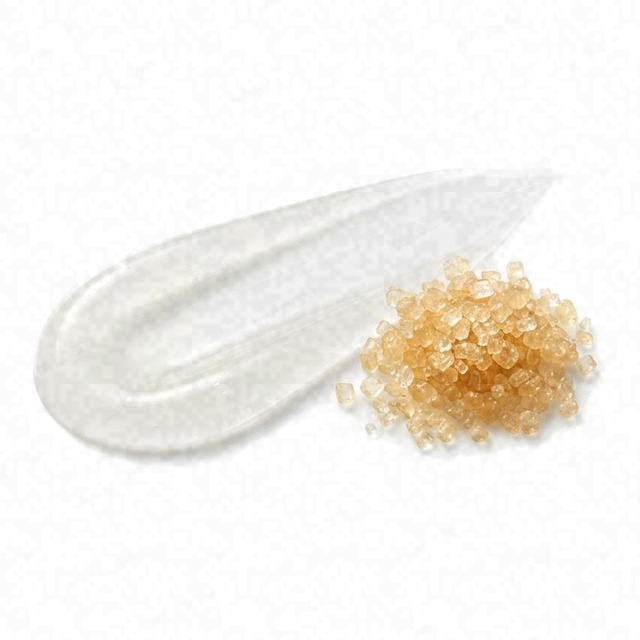 Glycolic Acid
 Salicylic Acid
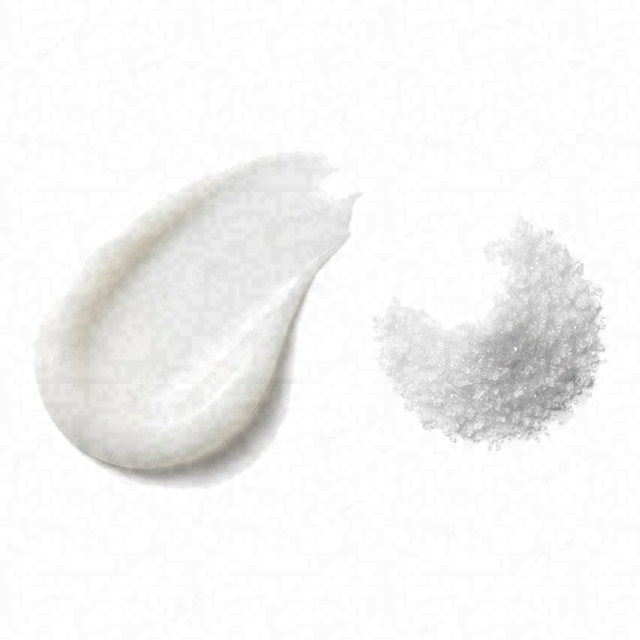 Glutathione
High
- AverageCombination Skin Fit
- HighEffectiveness
- HighSafety
A great choice for acne-prone skin; a few products fit it even better.
This fit is calculated for the concerns frequently associated with acne-prone skin: breakouts, blackheads, and post-acne marks. For scores and recommendations based on your full skin profile, including your 12D face scan results and any goals or preferences you have, please use the Lovi app.
Page built Nov 8, 2026How the Fit score works
Lovi Assistant explains
- Offers high suitability for your combination skin and acne concerns, as glycolic acid, lactic acid, and salicylic acid provide effective chemical exfoliation to smooth texture and brighten tone.
- While the blend offers excellent exfoliation, it lacks sufficient hydrating ingredients like glycerin to fully address drier areas of your combination skin.
- The formula is safe for your skin, containing no harsh or prohibited ingredients that would cause irritation.
How to apply
- Use this exfoliant PM once a week to start, and gradually increase if your combination skin tolerates it well. Always apply SPF the next morning to protect your clear skin.
- Apply the exfoliant after cleansing and toning, but right before your moisturizer step. This ensures the treatment targets blemishes effectively.
- Gently press 2-3 drops of the exfoliant into your skin without rubbing. Let it absorb for a minute before moving to the next step.
- Apply the exfoliant on clean, dry skin to help control breakouts safely. Since your skin is not sensitive, this dry application method ensures good product absorption.
- Avoid the sensitive eye area and do a patch test before your first use. Do not mix this exfoliant with other strong acids in the same routine.
People Say
★4.7Overall rating based on 800+ reviewsUsers love this product for its ability to provide professional-level exfoliation at home, resulting in noticeably softer and brighter skin. The triple-exfoliation formula is highly effective for dullness and uneven texture. Some users find the price high and the physical grains difficult to rinse off completely.
Highlights
Smoother skin Mostly Mentioned
- “baby soft skin”
- “smooth as glass”
- “microdermabrasion-like results”
- “removes dead skin”
Gentle effectiveness Often Mentioned
- “no stinging”
- “gentle on sensitive skin”
- “non-irritating”
- “effective but not harsh”
Instant brightness Often Mentioned
- “immediate glow”
- “radiant complexion”
- “looks brighter”
- “dewy finish”
Expensive product Often Mentioned
- “very expensive”
- “pricey for amount”
- “luxury splurge”
- “wish it was cheaper”
Color-changing guide Sometimes Noted
- “turns orange to white”
- “helpful visual cue”
- “ensures even application”
- “fun to use”
Pleasant scent Sometimes Noted
- “fresh citrus smell”
- “light orange scent”
- “smells like a spa”
- “not overpowering”
Difficult to rinse Sometimes Noted
- “grains stick to skin”
- “hard to wash off”
- “need a washcloth”
- “residue in hairline”
Packaging issues Rarely Noted
- “hard to squeeze”
- “dispenses too much”
- “messy cap”
- “stiff tube”
Potential irritation Rarely Noted
- “slight tingling”
- “caused breakout”
- “too abrasive for some”
- “warm sensation”
Sources: lovi.care, sephora.com, ulta.com, kohls.com, dermstore.com, spacenk.com, and more
Questions and answers
What makes Murad Vita-C Triple Exfoliating Facial a great fit for acne-prone skin?
Murad Vita-C Triple Exfoliating Facial is a great fit for your acne-prone skin because glycolic acid, lactic acid, and salicylic acid provide effective chemical exfoliation to smooth texture and brighten tone. The formula is safe for your skin, containing no harsh or prohibited ingredients that would cause irritation.
BioMed Research International, 2020Clinical, Cosmetic and Investigational Dermatology, 2019
Which ingredients make this exfoliant a good fit for acne-prone skin?
This exfoliant is a great fit for your acne-prone skin because glycolic acid, lactic acid, and salicylic acid provide effective chemical exfoliation to smooth texture and brighten tone. The formula is safe for your skin, containing no harsh or prohibited ingredients that would cause irritation.
BioMed Research International, 2020Clinical, Cosmetic and Investigational Dermatology, 2019
What does Vitamin C do for acne-prone skin?
Vitamin C helps brighten skin, smooth out uneven tones, and fade dark spots left behind by breakouts. It is also packed with antioxidants that may help protect acne-prone skin from everyday environmental stress.
Journal of Cosmetic Dermatology, 2023Journal of Drugs in Dermatology, 2024
What does Glycolic Acid do for acne-prone skin?
Glycolic acid helps clear acne-prone skin by reducing pimples and breakouts. It also helps fade dark spots left behind by acne and controls skin oiliness, with very few side effects when used properly.
Journal of Cosmetic Dermatology, 2021Dermatologic Surgery, 2014
Where does this exfoliant go in a skincare routine for acne-prone skin?
This exfoliant goes in your evening routine once a week. You may carefully use it more often if your skin tolerates it well and sees good results.
Can I use it with retinol, and in what order?
This exfoliant treatment is a great fit for your acne-prone skin, as glycolic acid, lactic acid, and salicylic acid provide effective chemical exfoliation to smooth texture and brighten tone. However, using it with retinol may increase the likelihood of irritation, so it is best to alternate nights or use retinol in your evening routine and this treatment weekly.
American Family Physician, 2012Clinical, Cosmetic and Investigational Dermatology, 2019
How often should I use this exfoliant?
Start using this exfoliant treatment once a week in your evening routine, and carefully use it more often only if your skin tolerates it well and shows good results. This gradual approach helps you manage breakouts while keeping your skin calm and smooth.
Can it clog pores, cause breakouts or purging for acne-prone skin?
This exfoliant treatment is a great fit for acne-prone skin because glycolic acid, lactic acid, and salicylic acid clear away dead cells to smooth texture and brighten tone. The formula is very safe for your skin and is unlikely to cause irritation, though it lacks extra hydrating ingredients to fully comfort dry spots.
BioMed Research International, 2020Clinical, Cosmetic and Investigational Dermatology, 2019
Is this exfoliant fragrance-free and alcohol-free?
It has no drying alcohol and contains fragrance (limonene and parfum).
What the research says
A moisturizer containing licochalcone A, 1,2-decanediol, L-carnitine, and salicylic acid significantly reduced noninflammatory, inflammatory, and total acne lesion counts compared to a vehicle control in Thai patients during a 12-week maintenance phase.
BioMed Research International, 2020Glycolic acid, salicylic acid, gluconolactone, and licochalcone A combined with 0.1% adapalene showed no hindrance compared to adapalene monotherapy and provided benefits in reducing complications in 25 subjects with mild-to-moderate acne vulgaris.
Clinical, Cosmetic and Investigational Dermatology, 2019Twice daily application of a multitargeted dermocosmetic cream provided comparable efficacy to benzoyl peroxide 5% gel in reducing inflammatory, non-inflammatory, and total lesions in 150 Caucasian subjects with mild-to-moderate acne over 56 days, while demonstrating superior skin tolerability.
Journal of Cosmetic Dermatology, 2024Topical application of 5% vitamin C cream significantly improved global clinical scores, increased skin microrelief density, and induced elastic tissue repair in photoaged skin compared to excipient control in healthy female volunteers.
Experimental Dermatology, 2003Ascorbic acid 2-glucoside gel significantly reduced gingival melanin pigmentation after 4 weeks compared to placebo in 73 subjects with symmetric pigmentation.
Journal of Periodontology, 2009Topical application of VC-IP cream twice daily for 8 weeks reduces periorbital wrinkles in female subjects compared to a placebo cream.
Journal of Cosmetic Dermatology, 2022Repeated short-contact 70% glycolic acid peels provided superior results in atrophic acne scars compared to daily low-strength glycolic acid cream or placebo in 58 women over 24 weeks.
International Journal of Dermatology, 2000Serial glycolic acid peels combined with a modified Kligman formula significantly reduced facial PIH severity in Indian patients compared to the modified Kligman formula alone.
Dermatologic Surgery, 2017Cryotherapy with liquid nitrogen achieved a higher cure rate (39%) than salicylic acid (24%) and a wait-and-see approach (16%) for cutaneous warts at 13 weeks in primary care patients.
CMAJ, 2010Treatment with 2% supramolecular salicylic acid hydrogel resulted in a regression and markedly improvement rate of 51.01% compared to 43.10% for Adapaline gel in patients with mild to moderate facial acne vulgaris, showing no significant difference in efficacy.
Journal of Cosmetic Dermatology, 2024Topical 5% benzoyl peroxide plus salicylic acid achieved the greatest lesion reduction at early 2 to 4 week time points compared to benzoyl peroxide, clindamycin, and combination benzoyl peroxide/clindamycin, while 5% benzoyl peroxide plus salicylic acid and combination benzoyl peroxide/clindamycin showed similar efficacy at 10 to 12 weeks in acne patients.
Journal of the American Academy of Dermatology, 2010Glutathione amino acid precursors effectively increase cellular glutathione levels, reducing oxidative stress, ATP depletion, and DNA damage in human keratinocytes, clinical subjects, and ex vivo skin compared to controls.
Journal of the European Academy of Dermatology and Venereology, 2024Topical oxidized glutathione significantly decreases the skin melanin index and improves moisture content, smoothness, wrinkle formation, and elasticity compared to placebo in healthy women.
Clinical, Cosmetic and Investigational Dermatology, 2014Topical glutathione improves hyperpigmentation, reduces ultraviolet-induced erythema and wrinkles, decreases transepidermal water loss, and enhances antioxidant capacity.
The Journal of Clinical and Aesthetic Dermatology, 2025
Ingredients
Glycerin, Silica, Water, Glycolic Acid, Propanediol, Sodium Hydroxide, Pentylene Glycol, Polyglyceryl-10 Tristearate, Lactic Acid, Titanium Dioxide Ci 77891, Synthetic Beeswax, Pyrus Malus Fruit Extract, Salicylic Acid, Tetrahexyldecyl Ascorbate, Ascorbic Acid, Glutathione, Urea, Yeast Amino Acids, Trehalose, Inositol, Taurine, Betaine, Hydrolyzed Opuntia Ficus-Indica Flower Extract, Maltodextrin, Polyacrylate Crosspolymer-6, Cellulose Acetate, Boron Nitride, Propylene Glycol Stearate, Sodium Acrylates Copolymer, Polyglyceryl-10 Stearate, Hydrogenated Polyisobutene, Helianthus Annuus Seed Oil Sunflower Seed Oil, Acrylates Ammonium Methacrylate Copolymer, Acrylates C10-30 Alkyl Acrylate Crosspolymer, Sorbitol, Xanthan Gum, Protease, Lipase, Gold, Phenoxyethanol, Limonene, Parfum, Ci 15510, Yellow 5 Ci 19140, Tocopherol
Behind this fit score
Lovi calculates every fit score from the full ingredient list with brand-independent rules our dermatologists and cosmetic chemists build and review, and personalizes every pick with AI trained on the real results of millions of users. Lovi trains its fit score models on a proprietary dataset built from more than 10,000 expert-labeled products and more than 100,000 simulated examples, following an internally consistent methodology presented at Cosmoprof, AMWC, and Skin of Color Update.
-

Co-founder, Medical Director
Cosmetic chemist, cosmetologist, aesthetic products developer
-

Co-founder, CEO and CTO
PhD in computer science, 3x US patent holder, ex-Google, ex-Yandex
-

Dr. Sofía Perea Pérez, MD, MSc
Medical Board
Aesthetic medicine practitioner, MSc in Longevity and Anti-Aging Medicine
-

Medical Board
Specialist dermatologist, MBBS, MD, IFAAD
-

Medical Board
Cosmetic chemist, SCS, IFSCC member
-

Medical Board, Medical Advisor
Dermatology MD
-

Elina Nazarenko, MD
Medical Board
Dermatology and diagnostic consultant
-

Victoria Derkova, MS
Medical Board
Cosmetic chemist, cosmetic development technologist


How does it fit your skin?
Scan your face, then any product: Lovi shows how well it fits you and what fits even better.