
Minimalist SPF 50 Sunscreen

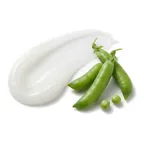 Niacinamide
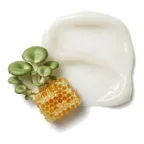 Panthenol Vitamin B5
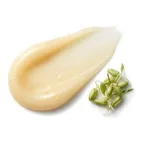 Tocopheryl Acetate Vitamin E
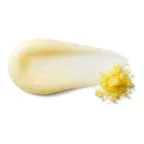 Retinol
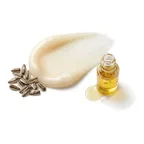 Linoleic Acid
Niacinamide, panthenol, and retinol control shine, hydrate, and smooth fine lines, so it suits every skin type. Where to buy in Spain: Amazon.de, €15.00.
Each fit is calculated for the concerns frequently associated with that skin type. For scores and recommendations based on your full skin profile, including your 12D face scan results and goals, use the Lovi app.
Updated How the Fit score works
Fit for every skin type
Every skin type High
Oily Skin, Dry Skin, Combination Skin, Sensitive Skin, Acne-Prone Skin, Skin with Dark Spots, Mature Skin, Dry Sensitive Skin, Oily Acne-Prone Skin
A great choice for oily skin; a few sunscreens fit it even better.
- Offers excellent sun protection for your oily skin due to UV filters like Octocrylene and Butyl Methoxydibenzoylmethane, while Niacinamide and Retinol work to control sebum and promote cell turnover, addressing oily shine.
Buy online

Prices checked 22 Nov 2026
The Lovi Fit is the same in every country; only the stores and prices differ, and the ones here are for Spain.
How to apply
- Apply this sunscreen during your AM routine every single day. Reapply every two hours if you are staying outdoors.
- Apply the sunscreen as the final step of your morning skincare routine after your moisturizer. Allow your moisturizer to absorb fully before putting it on.
- Squeeze a generous amount and pat it gently all over your face and neck. Avoid rubbing the product harshly into your skin.
- Avoid getting the product directly into your eyes and stop using it if any irritation occurs.
People Say
★4.3Overall rating based on 130.0k+ reviewsBased on a very large amount of data, this sunscreen is highly favored by users with dry to normal skin for its moisturizing, dewy finish and lack of white cast. However, users with oily or acne-prone skin frequently report it feels too heavy or greasy, and some experience pilling when layering or stinging around the eyes.
Highlights
No white cast Mostly Mentioned
- “leaves absolutely no white cast”
- “blends in perfectly”
- “clear finish on dark skin”
Effective protection Often Mentioned
- “prevented tanning on vacation”
- “good sun protection”
- “no sunburns”
Moisturizing formula Often Mentioned
- “very moisturizing”
- “gives a dewy glow”
- “skips moisturizer step”
Greasy/oily finish Often Mentioned
- “makes face very oily”
- “too greasy for summer”
- “sweats off easily”
Beneficial ingredients Sometimes Noted
- “love the niacinamide”
- “fragrance-free is great”
- “good ingredients list”
Difficult blending Sometimes Noted
- “takes time to blend”
- “requires 10 mins to settle”
- “hard to spread”
Pilling issues Sometimes Noted
- “pills under makeup”
- “balls up if rubbed”
- “hard to layer”
Eye irritation Rarely Noted
- “stings my eyes”
- “makes eyes water”
- “burns if it migrates”
Sources: lovi.care, nykaa.com, flipkart.com, 1mg.com, reddit.com, bemininimalist.co, and more
Questions and answers
What makes Minimalist SPF 50 Sunscreen a great fit for oily skin?
Minimalist SPF 50 Sunscreen is a great fit for oily skin because its UV filters provide strong sun protection while ingredients like niacinamide and retinol help control shine. It also includes panthenol and sodium hyaluronate to keep your skin balanced with light hydration, and it is safe without harsh irritation risks.
American Journal of Clinical Dermatology, 2002The Journal of Dermatological Treatment, 2017
Is this sunscreen fragrance-free and alcohol-free?
Yes, it has no fragrance and no drying alcohol. Arachidyl alcohol and behenyl alcohol are fatty alcohols, which soften the skin.
What makes Minimalist SPF 50 Sunscreen a great fit for dry skin?
Minimalist SPF 50 Sunscreen is a great fit because Sodium Hyaluronate and Panthenol give dry skin deep hydration, while Linoleic Acid and Linolenic Acid soften dry and flaky spots. It also provides strong UV protection that supports your skin barrier without causing irritation.
American Journal of Clinical Dermatology, 2002The Journal of Dermatological Treatment, 2017
What makes Minimalist SPF 50 Sunscreen a great fit for combination skin?
Minimalist Minimalist SPF 50 Sunscreen is a great fit for combination skin because its chemical and mineral filters provide high sun protection while ingredients like niacinamide and retinol help control oily shine and refine skin texture. Panthenol also supports your skin by providing essential hydration and keeping the formula safe and soothing.
American Journal of Clinical Dermatology, 2002The Journal of Dermatological Treatment, 2017
What makes Minimalist SPF 50 Sunscreen a great fit for sensitive skin?
Minimalist SPF 50 Sunscreen is a great fit because it is safe for sensitive skin since it lacks harsh ingredients and poses no risk of irritation, while offering excellent UV protection with chemical and physical filters. Niacinamide and panthenol also provide antioxidant and moisture-holding benefits.
American Journal of Clinical Dermatology, 2002The Journal of Dermatological Treatment, 2017
What makes Minimalist SPF 50 Sunscreen a great fit for acne-prone skin?
Minimalist SPF 50 Sunscreen is a great fit because it offers strong sun protection while managing blemishes and breakouts using niacinamide and retinol to calm inflammation and support cell turnover. The formula also helps balance oil production and strengthens your skin barrier with linoleic acid.
What makes Minimalist SPF 50 Sunscreen a great fit for skin with dark spots?
Minimalist SPF 50 Sunscreen is a great fit because it provides high UV protection that helps prevent dark spots from getting darker. Ingredients like niacinamide and panthenol also support overall skin health and hydration while keeping your skin calm.
Journal of the American Academy of Dermatology, 1987American Journal of Clinical Dermatology, 2002
What makes Minimalist SPF 50 Sunscreen a great fit for mature skin?
Minimalist Minimalist SPF 50 Sunscreen is a great fit for mature skin because it offers strong UV protection while targeting fine lines and wrinkles with retinol and niacinamide. These ingredients help smooth the skin and support its natural barrier. Its gentle formula is very unlikely to cause irritation.
What makes Minimalist SPF 50 Sunscreen a great fit for dry sensitive skin?
Minimalist Minimalist SPF 50 Sunscreen is a great fit for dry sensitive skin because it contains sodium hyaluronate and caprylic capric triglyceride, which help retain moisture and keep your skin smooth. It also includes niacinamide and panthenol to support hydration and soothe your skin, while its gentle formula is unlikely to cause irritation.
What makes Minimalist SPF 50 Sunscreen a great fit for oily acne-prone skin?
Minimalist SPF 50 Sunscreen is a great fit because it shields your oily skin from sun damage with UV filters while using niacinamide and retinol to help manage oil and breakouts. It is also unlikely to cause irritation since it lacks harsh ingredients.
What the research says
Topical dexpanthenol acts as a moisturizer, improves stratum corneum hydration, accelerates wound healing and epidermal regeneration, reduces erythema, and improves symptoms of skin irritation compared to vehicle or no pretreatment.
American Journal of Clinical Dermatology, 2002Topical nicotinamide prevented solar-simulated UV-induced immunosuppression in healthy volunteers, and men experienced immunosuppression at solar-simulated UV doses three times lower than those required for women.
The Journal of Investigative Dermatology, 2008Topical 5% niacinamide applied twice daily for 12 weeks reduced fine lines and wrinkles, hyperpigmented spots, red blotchiness, and skin sallowness, and improved skin elasticity compared to vehicle control in 50 female white subjects with facial photoaging.
Dermatologic Surgery, 2005Topical 2% niacinamide significantly decreased sebum excretion rate in Japanese individuals and casual sebum levels in Caucasian individuals compared to placebo or baseline.
Journal of Cosmetic and Laser Therapy, 2006Topical dexpanthenol formulated in lipophilic vehicles improved stratum corneum hydration and reduced transepidermal water loss compared to vehicle control in humans.
Arzneimittel-Forschung, 2000A combination serum containing galactomyces ferment filtrate, dexpanthenol, and Centella asiatica effectively treated post-acne hyperpigmentation in subjects with colored skin by significantly increasing lightness scores in Fitzpatrick skin type V and reducing the melanin index in Fitzpatrick skin type IV compared to placebo.
Skinmed, 2021A topical serum containing vitamin C, vitamin E, and raspberry leaf cell culture extract improved skin color, elasticity, radiance, smoothness, scaliness, and wrinkles compared to the untreated contralateral side in fifty female volunteers.
Journal of Cosmetic Dermatology, 2020A nighttime topical antioxidant containing resveratrol, baicalin, and vitamin E significantly improved fine lines, wrinkles, firmness, elasticity, laxity, hyperpigmentation, radiance, roughness, and dermal thickness in subjects with mild to moderately photodamaged skin over 12 weeks.
Journal of Drugs in Dermatology, 2014A topical antioxidant serum significantly reduced air pollution-induced skin pigmentation and proinflammatory gene expression ex vivo, and improved skin aging signs in 40 healthy adult females after 90 days of daily use.
Journal of Cosmetic Dermatology, 2022Topical bakuchiol 0.5% applied twice daily compared with retinol 0.5% applied daily significantly decreased wrinkle surface area and hyperpigmentation with no statistical difference between the compounds in 44 patients over 12 weeks, while retinol users reported more facial skin scaling and stinging.
The British Journal of Dermatology, 2019Topical 0.3% and 1% retinol comparably improved biomarkers of cutaneous photoageing in photoaged volunteers, while 0.3% retinol demonstrated better tolerance with fewer and milder adverse events compared to 1% retinol in a daily escalation regimen.
International Journal of Cosmetic Science, 2022Daily application of 0.3% and 0.5% retinol serums in 37 volunteers over 12 weeks reduced skin hyperpigmentation, unevenness, and wrinkles on both sides of the face, with the 0.5% concentration causing more frequent and intense skin irritation.
Skin Pharmacology and Physiology, 2020Topical application of linoleic acid achieved an almost 25% reduction in the overall size of follicular casts and microcomedones over a 1-month treatment period in patients with mild acne compared to no change at placebo-treated sites.
Clinical and Experimental Dermatology, 1998A lotion containing triethyl citrate and ethyl linoleate reduced Leeds grading, total, inflammatory, and noninflammatory lesion counts, and sebum production compared with a placebo in patients with mild to moderate acne.
The British Journal of Dermatology, 2007Liposomal formulation of linoleic acid significantly enhances its skin whitening effect compared to non-liposomal forms in UV-stimulated guinea pig and human skin.
Biological & Pharmaceutical Bulletin, 2004A new topical panthenol-containing emollient significantly improved transepidermal water loss reduction, stratum corneum hydration, and intercellular lipid lamellae length compared with control in healthy subjects without negatively impacting bacterial viability.
The Journal of Dermatological Treatment, 2017A cream containing panthenol, prebiotics, and probiotic lysate improved facial sensitive skin symptoms and skin barrier function in 110 participants over 28 days.
Skin Research and Technology, 2024Parsol 1789 and Eusolex 8020 provided slightly better photoprotection than oxybenzone in both normal and sensitized human skin when assessed using pigmentation end points, whereas all three sunscreens performed similarly against UVA-induced erythema.
Journal of the American Academy of Dermatology, 1987The application of a sunscreen formulation containing ethylhexyl methoxycinnamate, ethylhexyl salicylate, methyl anthranilate, and octocrylene does not significantly affect critical acne-related species such as Cutibacterium acnes and Staphylococcus epidermidis, refuting the induction of facial dysbiosis in men.
Archives of Dermatological Research, 2024Dermatological products containing d-alpha tocopheryl acetate showed non-comedogenic potential with less than a 50% increase in microcomedones in 12 healthy male subjects compared to octyl palmitate.
Contemporary Clinical Trials Communications, 2021Topical application of retinol and retinoic acid both increased epidermal thickness and upregulated collagen genes and proteins in human skin, with retinol producing similar histological and molecular changes to retinoic acid alongside a significant reduction in facial wrinkles after 12 weeks.
Journal of Cosmetic Dermatology, 2016Incorporating rosmarinic acid into sunscreens enhanced the in vivo SPF of octocrylene by over 157% and reduced lipid peroxidation in the human stratum corneum.
Antioxidants, 2025Encapsulating avobenzone in low-porosity TiO2-embedded mesoporous silica (TiO2/SBA-S) reduced cutaneous avobenzone absorption from 0.76 to 0.50 nmol/mg while providing effective pollutant adsorbability, UVA protection, and a two- to three-fold reduction in photoaged skin cytokines/chemokines compared to the non-treatment control.
European Journal of Pharmaceutical Sciences, 2023Topical application of an emollient emulsion containing 15.0% caprylic/capric triglyceride doubled the amount of urocanic acid isomers and increased skin hydration with reduced transepidermal water loss in healthy subjects, though it did not prevent ultraviolet-induced urocanic acid isomerization.
Life, 2023Hyaluronic acid-based formulations exhibit remarkable anti-wrinkle, anti-aging, and skin rejuvenating effects via soft tissue augmentation, improved skin hydration, and face volume restoration.
International Journal of Biological Macromolecules, 2018
Ingredients
Water, Octocrylene, Diisopropyl Adipate, Propylene Glycol Dicaprylate Dicaprate, C12-15 Alkyl Benzoate, Diisopropyl Sebacate, Butyl Methoxydibenzoylmethane, Isododecane, Niacinamide, Arachidyl Alcohol, Behenyl Alcohol, Arachidyl Glucoside, Caprylic Capric Triglyceride, Titanium Dioxide, Ethylhexyl Triazone, Peg-100 Stearate, Glyceryl Stearate, Butylene Glycol, Linoleic Acid, Linolenic Acid, Panthenol, Sodium Hyaluronate, Allantoin, Tocopheryl Acetate, Retinol, Polysorbate 20, Hydroxyethyl Acrylate Sodium Acryloyldimethyl Taurate Copolymer, Xanthan Gum, Polyacrylate Crosspolymer-6, Silica, Acacia Senegal Gum, Phenoxyethanol, Ethylhexylglycerin, Trisodium Ethylenediamine Disuccinate
Behind these fit scores
Lovi calculates every fit score from the full ingredient list with brand-independent rules our dermatologists and cosmetic chemists build and review, and personalizes every pick with AI trained on the real results of millions of users. Lovi trains its fit score models on a proprietary dataset built from more than 10,000 expert-labeled products and more than 100,000 simulated examples, following an internally consistent methodology presented at Cosmoprof, AMWC, and Skin of Color Update.
-

Co-founder, Medical Director
Cosmetic chemist, cosmetologist, aesthetic products developer
-

Co-founder, CEO and CTO
PhD in computer science, 3x US patent holder, ex-Google, ex-Yandex
-

Dr. Sofía Perea Pérez, MD, MSc
Medical Board
Aesthetic medicine practitioner, MSc in Longevity and Anti-Aging Medicine
-

Medical Board
Specialist dermatologist, MBBS, MD, IFAAD
-

Medical Board
Cosmetic chemist, SCS, IFSCC member
-

Medical Board, Medical Advisor
Dermatology MD
-

Elina Nazarenko, MD
Medical Board
Dermatology and diagnostic consultant
-

Victoria Derkova, MS
Medical Board
Cosmetic chemist, cosmetic development technologist


How does it fit your skin?
Scan your face, then any product: Lovi shows how well it fits you and what fits even better.