Ma:nyo Our Vegan Basic Daily Sun Cream for acne-prone skin

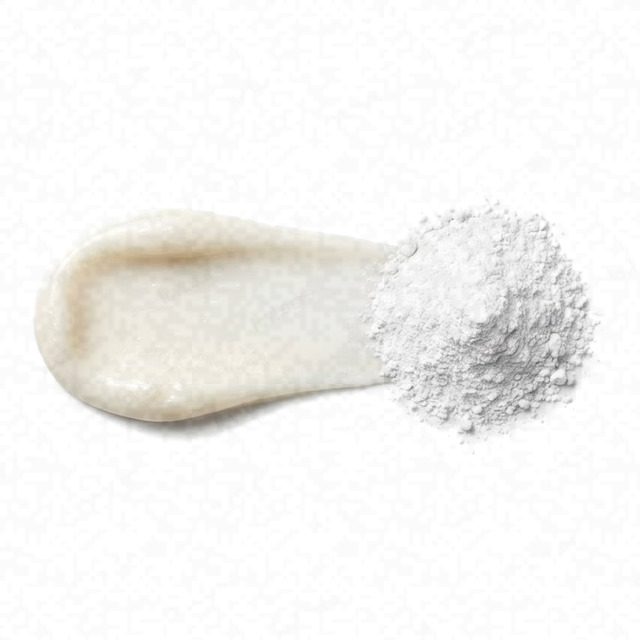 Titanium Dioxide Ci 77891
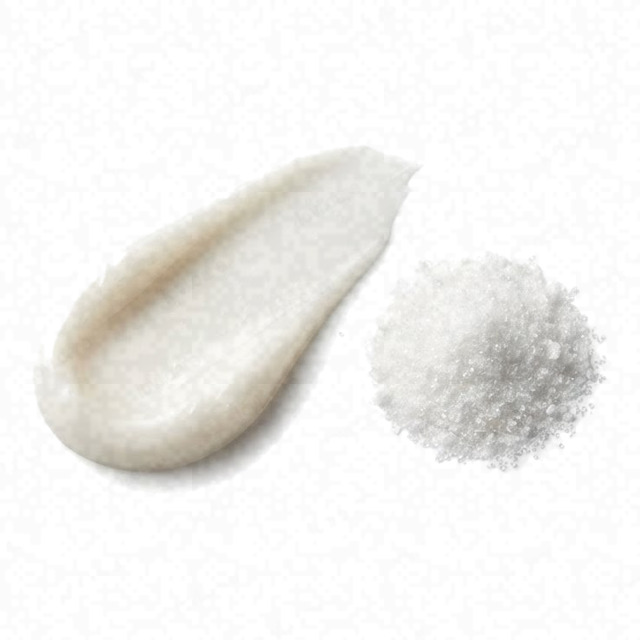 Diethylamino Hydroxybenzoyl Hexyl Benzoate
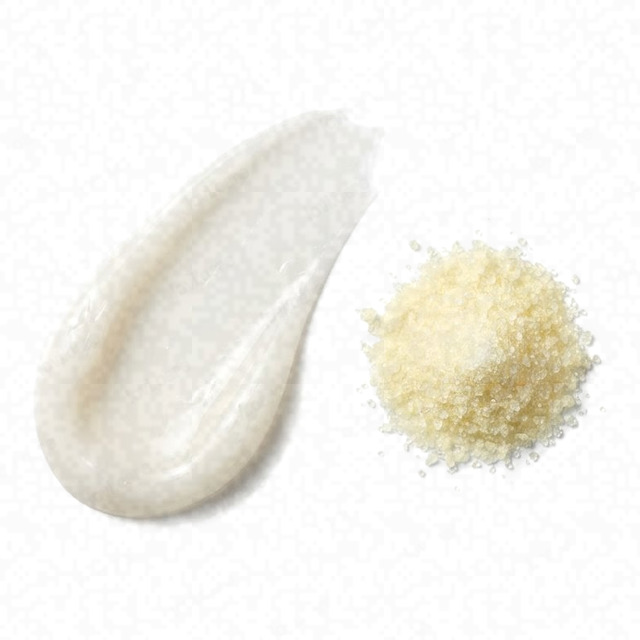 Bis-Ethylhexyloxyphenol Methoxyphenyl Triazine
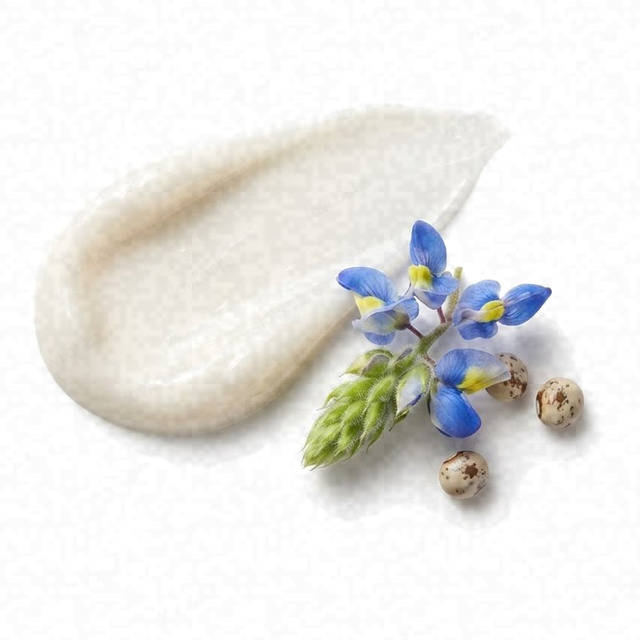 White Lupin Collagen
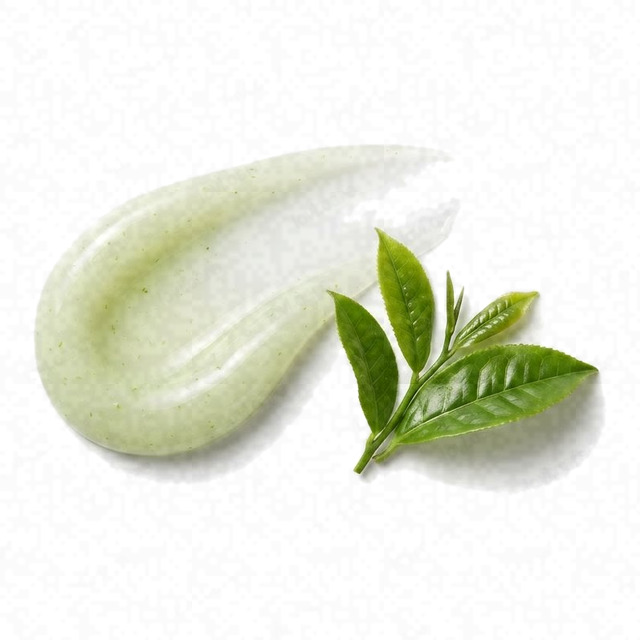 Camellia Sinensis Leaf Extract
High
- HighCombination Skin Fit
- HighEffectiveness
- HighSafety
A great choice for acne-prone skin; a few sunscreens fit it even better.
This fit is calculated for the concerns frequently associated with acne-prone skin: breakouts, blackheads, and post-acne marks. For scores and recommendations based on your full skin profile, including your 12D face scan results and any goals or preferences you have, please use the Lovi app.
Page built Nov 8, 2026How the Fit score works
Lovi Assistant explains
- Highly suitable for your combination skin, this sunscreen offers excellent sun protection with ethylhexyl triazone and bis-ethylhexyloxyphenol methoxyphenyl triazine to shield against UV damage.
- It also provides moderate benefits for your acne-prone skin, as Glycyrrhiza Glabra Root Extract and Camellia Sinensis Leaf Extract work to calm inflammation and provide antioxidant support.
- The formula is safe for your skin, with no risks of irritation due to the absence of harsh ingredients.
How to apply
- Apply this moisturizing sunscreen AM every morning as the final step of your daily routine.
- Layer the moisturizing sunscreen after your moisturizer has fully absorbed, right before heading out into the sun .
- Smooth a nickel-sized amount of the moisturizing sunscreen evenly over your face, avoiding harsh rubbing.
- Apply the moisturizing sunscreen onto clean, dry skin to ensure even coverage and protection.
- Perform a patch test before first use and avoid direct contact with the eyes.
People Say
★3.9Overall rating based on 100+ reviewsBased on limited data, this vegan sunscreen is appreciated for its moisturizing properties and gentle formula, making it suitable for dry or sensitive skin. A significant number of users report a white cast, especially on non-pale skin tones, and pilling when layered with other products.
Highlights
Hydrating moisturizer Often Mentioned
- “doubles as moisturizer”
- “leaves skin soft”
- “hydrating botanical extracts”
Pilling issues Often Mentioned
- “conflicts with products”
- “causes pilling”
- “rolls off like dirt”
White cast Often Mentioned
- “noticeable white cast”
- “tone-up effect”
- “ghostly on darker skin”
Gentle formula Sometimes Noted
- “no eye irritation”
- “good for sensitive skin”
- “calming vegan formula”
Smooth application Sometimes Noted
- “spreads smoothly”
- “velvety texture”
- “absorbs quickly”
Greasy finish Sometimes Noted
- “bit shiny”
- “greasy residue”
- “too rich for summer”
Sources: lovi.care, hwahae.co.kr, reddit.com, yesstyle.com, incidecoder.com, koolseoul.com, and more
Questions and answers
What makes Ma:nyo Our Vegan Basic Daily Sun Cream a great fit for acne-prone skin?
This sunscreen is a great fit because it shields your skin from the sun while helping to calm redness and swelling with licorice root extract and green tea leaf extract. It is also unlikely to cause irritation since it leaves out harsh ingredients.
Which ingredients make this cream a good fit for acne-prone skin?
This cream is a great fit for your acne-prone skin because it includes licorice root extract and green tea extract, which help to calm inflammation and provide antioxidant support. The formula is very safe for your skin, as it is unlikely to cause irritation.
What does Titanium Dioxide do for acne-prone skin?
Titanium dioxide is generally used as a mineral sunscreen or color pigment in makeup, but it does not directly treat or improve acne breakouts. Acne-prone skin requires ingredients that help clear pores, calm redness, and reduce oil.
What does Diethylamino Hydroxybenzoyl Hexyl Benzoate do for acne-prone skin?
Diethylamino Hydroxybenzoyl Hexyl Benzoate is a sunscreen ingredient that protects acne-prone skin from UV rays without clogging pores. Because it shields against the sun, it helps prevent dark spots from lingering after breakouts heal.
Where does it go in a skincare routine for acne-prone skin?
This sunscreen goes as the last step in your morning routine, right after your moisturizer. It shields your skin from UV damage while calming inflammation and providing antioxidant support with green tea and licorice root extracts.
Can I use this cream with retinol, and in what order?
Yes, you can use this moisturizing SPF in the morning after applying your retinol treatment the night before. This sunscreen shields against UV damage while helping to calm inflammation, keeping your skin safe and protected throughout the day.
How often should I use it?
Use this sunscreen every morning as the final step of your daytime routine to protect against UV damage. Reapply it throughout the day if you are exposed to direct sunlight for extended periods.
Can it clog pores, cause breakouts or purging for acne-prone skin?
This sunscreen is a great fit for your acne-prone skin because it includes ingredients like Camellia Sinensis Leaf Extract that help calm inflammation. It has a safe profile with no harsh elements, making it unlikely to clog pores or trigger breakouts.
Is this cream fragrance-free and alcohol-free?
It has no fragrance and contains drying alcohol (alcohol).
What the research says
A topical sunscreen containing octyl triazone, phenylbenzimidazole sulfonic acid, and methylbenzylidene camphor prevented UVB-induced suppression of intercellular adhesion molecule-1 expression and mixed-lymphocyte reaction in epidermal cell cultures compared to control sunscreens with comparable SPF lacking octyl triazone.
Toxicology in Vitro, 1994An anti-acne hydrogel containing Aloe barbadensis, Garcinia mangostana, and Camellia sinensis extracts showed superior antiacne and antiblotch activities compared to 1% clindamycin gel in sixty subjects with mild-moderate acne.
Clinical, Cosmetic and Investigational Dermatology, 2019Microfine titanium dioxide does not penetrate human skin when formulated in an oil-in-water emulsion with the pigment dispersed in the aqueous phase, compared to oily dispersions and liposomal encapsulation which allow deeper skin penetration.
International Journal of Cosmetic Science, 2000Replacing microsized titanium dioxide and zinc oxide with nanoparticles in sunscreens eliminates opaqueness and alters UV protection balance while inducing (photo)cyto- and genotoxicity and penetrating viable skin layers during long-term exposures.
Nanotechnology, Science and Applications, 2011Microfine zinc oxide and titanium dioxide do not penetrate the stratum corneum of porcine skin in vitro, indicating that their use in sunscreens does not pose a health risk from internal exposure.
Toxicology in Vitro, 2006Oral and dermal administration of Uvinul A plus resulted in three major urinary metabolites accounting for 52% of the oral dose, with a very low estimated daily systemic exposure of 8.1-9.3 μg/d in volunteers not intentionally exposed.
International Journal of Hygiene and Environmental Health, 2020Maximal topical applications of 6% bemotrizinol in a model sunscreen formulation did not result in meaningful systemic exposure in humans.
Regulatory Toxicology and Pharmacology, 2023Topical green tea extract significantly improved clinical symptoms, tear breakup times, and meibomian gland health compared to standard treatment in patients with dry eye and Meibomian Gland Dysfunction.
Journal of Clinical and Diagnostic Research, 2017Topical low-dose green tea extract reduces UVB-induced p53 expression and apoptosis in human skin keratinocytes compared to placebo.
Experimental Dermatology, 2009Topical application of green tea extract encapsulated chitosan microparticles improved skin elasticity, melanin index, and facial wrinkles compared to a placebo in female volunteers without causing skin irritation.
Journal of Cosmetic Dermatology, 2022
Ingredients
Water, Dibutyl Adipate, Glycerin, Alcohol, Ethylhexyl Triazone, C12-15 Alkyl Benzoate, Dicaprylyl Carbonate, Propanediol, Titanium Dioxide Ci 77891, Glycereth-26, Polymethyl Methacrylate, Diethylamino Hydroxybenzoyl Hexyl Benzoate, 1,2-Hexanediol, Betaine, Bis-Ethylhexyloxyphenol Methoxyphenyl Triazine, Brassica Oleracea Capitata Leaf Extract, Lupinus Albus Seed Extract, Brassica Oleracea Italica Extract, Brassica Oleracea Acephala Leaf Extract, Daucus Carota Sativa Root Extract Carrot Root Extract, Camellia Sinensis Leaf Extract, Perilla Frutescens Leaf Extract, Pyrus Malus Leaf Extract, Rosmarinus Officinalis Leaf Extract Rosemary Leaf Extract, Origanum Vulgare Extract, Lavandula Angustifolia Flower Extract Lavender Flower Extract, Thymus Vulgaris Stem Extract Flower Leaf, Tocopherol, Glycyrrhiza Glabra Root Extract Licorice Root Extract, Agrimonia Eupatoria Extract, Inositol, Alumina, Vanilla Planifolia Fruit Extract, Ammonium Acryloyldimethyltaurate Beheneth-25 Methacrylate Crosspolymer, Jasmine Flower Extract, Aluminum Stearate, Cardiospermum Halicacabum Vine Extract Flower Leaf, Butylene Glycol, Pumpkin Fruit Extract, Echium Plantagineum Seed Oil, Polyhydroxystearic Acid, Helianthus Annuus Seed Oil Sunflower Seed Oil, Styrene Acrylates Copolymer, Acrylates C10-30 Alkyl Acrylate Crosspolymer, Tromethamine, Pentylene Glycol, Ethylhexylglycerin, Xanthan Gum, Carbomer, Octyldodecanol, Arachidyl Alcohol, Behenyl Alcohol, Arachidyl Glucoside, Bitter Almond Kernel Oil, Glucose
Behind this fit score
Lovi calculates every fit score from the full ingredient list with brand-independent rules our dermatologists and cosmetic chemists build and review, and personalizes every pick with AI trained on the real results of millions of users. Lovi trains its fit score models on a proprietary dataset built from more than 10,000 expert-labeled products and more than 100,000 simulated examples, following an internally consistent methodology presented at Cosmoprof, AMWC, and Skin of Color Update.
-

Co-founder, Medical Director
Cosmetic chemist, cosmetologist, aesthetic products developer
-

Co-founder, CEO and CTO
PhD in computer science, 3x US patent holder, ex-Google, ex-Yandex
-

Dr. Sofía Perea Pérez, MD, MSc
Medical Board
Aesthetic medicine practitioner, MSc in Longevity and Anti-Aging Medicine
-

Medical Board
Specialist dermatologist, MBBS, MD, IFAAD
-

Medical Board
Cosmetic chemist, SCS, IFSCC member
-

Medical Board, Medical Advisor
Dermatology MD
-

Elina Nazarenko, MD
Medical Board
Dermatology and diagnostic consultant
-

Victoria Derkova, MS
Medical Board
Cosmetic chemist, cosmetic development technologist


How does it fit your skin?
Scan your face, then any product: Lovi shows how well it fits you and what fits even better.