
La Roche-Posay Anthelios UVMune 400 Oil Control Fluid SPF 50+

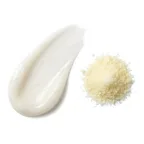 Bis-Ethylhexyloxyphenol Methoxyphenyl Triazine
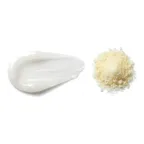 Butyl Methoxydibenzoylmethane
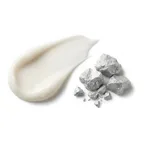 Zinc Pca
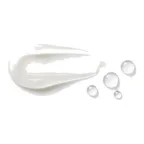 Glycerin
 Drometrizole Trisiloxane
Bis-ethylhexyloxyphenol methoxyphenyl triazine, zinc PCA, and glycerin provide sun protection, control oil, and hydrate, so it suits oily skin, combination skin, and oily acne-prone skin best. For skin that needs soothing, sunscreens with allantoin and centella get higher fit scores. Where to buy in Spain: Amazon.de, Notino, and Lookfantastic, €13.90 to €18.65.
Each fit is calculated for the concerns frequently associated with that skin type. For scores and recommendations based on your full skin profile, including your 12D face scan results and goals, use the Lovi app.
Updated How the Fit score works
Where it fits best and least
Best fit High
Oily Skin, Combination Skin, Oily Acne-Prone Skin
A great choice for oily skin; a few sunscreens fit it even better.
- Highly suitable for your oily skin, this product effectively controls sebum production with Zinc PCA and Bixa Orellana Seed Extract, addressing your concern of oily shine.
Lowest fit Low
A weak match for dry skin.
- Offers moderate hydration benefits due to glycerin, but the alcohol denat and silica may worsen your dry or flaky skin by causing dryness and flakiness.
Other skin types
Buy online


Prices checked 22 Nov 2026
The Lovi Fit is the same in every country; only the stores and prices differ, and the ones here are for Spain.
How to apply
- Apply this sunscreen during your AM routine every single day. Reapply every two hours if you are staying outdoors.
- Apply the sunscreen as the final step of your morning skincare routine after your moisturizer. Allow your moisturizer to absorb fully before putting it on.
- Squeeze a generous amount and pat it gently all over your face and neck. Avoid rubbing the product harshly into your skin.
- Avoid getting the product directly into your eyes and stop using it if any irritation occurs.
People Say
★4.6Overall rating based on 700+ reviewsThis sunscreen is highly regarded for its ultra-lightweight, fluid texture, making it a favorite for oily, combination, and acne-prone skin types. It absorbs quickly without leaving a white cast and is effective at controlling sebum for many users. While generally well-tolerated and providing good protection, some users find the finish to be more natural than matte, and a few report issues with makeup application or notice a strong scent.
Highlights
Lightweight and invisible Mostly Mentioned
- “Invisible, weightless fluid texture”
- “melts into skin”
- “no white cast on dark skin”
- “feels like nothing on”
Effective oil control Often Mentioned
- “Skin remains oil-free all day”
- “absorbs sebum”
- “less oily than the original”
- “keeps forehead matte”
Non-irritating, acne-safe Often Mentioned
- “Did not break me out”
- “no irritation on sensitive skin”
- “suitable for acne-prone skin”
- “doesn't clog pores”
High protection Sometimes Noted
- “Prevents pigmentation”
- “excellent protection”
- “trust the UVMune filter”
- “great for high UV”
Not truly matte Sometimes Noted
- “Not as matte as envisioned”
- “leaves a slight sheen”
- “more natural than matte”
- “still a bit shiny”
Makeup issues Rarely Noted
- “Makes makeup separate”
- “looks patchy under foundation”
- “pills with certain products”
- “makeup slides off”
Strong scent Rarely Noted
- “Smells like alcohol”
- “fragrance is strong”
- “smells weird”
- “stings eyes slightly”
Yellow staining Rarely Noted
- “Fluid is yellow”
- “stains collars”
- “leaves yellow marks on white clothes”
Sources: lovi.care, boots.com, escentual.com, reddit.com, hometesterclub.com, youtube.com, and more
Questions and answers
What makes La Roche-Posay Anthelios UVMune 400 Oil Control Fluid SPF 50+ a great fit for oily skin?
La Roche-Posay Anthelios UVMune 400 Oil Control Fluid SPF 50+ is a great fit for oily skin because it uses zinc PCA and bixa orellana seed extract to help control oily shine. It also provides reliable UV protection while keeping a gentle formula that is unlikely to cause irritation.
How well does La Roche-Posay Anthelios UVMune 400 Oil Control Fluid SPF 50+ work for sensitive skin?
This product works for sensitive skin, though other sun protection products may fit your skin better. To better suit sensitive skin, a product of this type needs soothing ingredients, gentle hydration, and high-quality sun protection that does not trigger irritation.
How well does La Roche-Posay Anthelios UVMune 400 Oil Control Fluid work for acne-prone skin?
La Roche-Posay Anthelios UVMune 400 Oil Control Fluid SPF 50+ works moderately well for acne-prone skin, providing strong sun protection alongside mild oil control and hydration. It is safe for this skin type and is unlikely to cause irritation. To fit acne-prone skin even better, a sunscreen of this type needs soothing and anti-aging ingredients like niacinamide, zinc oxide, and centella asiatica, along with formulations that hydrate and protect without clogging pores.
The Journal of Clinical and Aesthetic Dermatology, 2020Clinical, Cosmetic and Investigational Dermatology, 2017
Why is La Roche-Posay Oil Control Fluid SPF 50+ a weak match for dry skin?
This fluid is a weak match for dry skin because ingredients like alcohol and silica may worsen dryness and flakiness. To care for dry skin properly, a sunscreen of this type needs rich moisturizing ingredients that lock in moisture and support the skin barrier without causing irritation.
Why is La Roche-Posay Anthelios UVMune 400 Oil Control Fluid SPF 50+ a weak match for dry sensitive skin?
This fluid is a weak match for your dry and sensitive skin because it contains alcohol, which can be drying, and lacks the nourishing, softening ingredients needed to keep your skin smooth. Sun protection for dry sensitive skin needs gentle, hydrating ingredients and moisturizing agents that protect against dryness without irritation.
Can I use this fluid with retinol, and in what order?
You can use this fluid in the morning as the final step after your retinol treatment, which is applied the night before. This sunscreen helps protect your skin while managing oily shine.
Is this fluid fragrance-free and alcohol-free?
It contains fragrance (parfum) and drying alcohol (alcohol denat).
What makes La Roche-Posay Anthelios UVMune 400 Oil Control Fluid SPF 50+ a great fit for combination skin?
This sunscreen is a great fit because Zinc PCA and silica help control excess oil and keep combination skin matte, while offering strong sun protection. It has an excellent safety profile and is unlikely to cause irritation.
The Journal of Clinical and Aesthetic Dermatology, 2020Toxics, 2025
How well does La Roche-Posay Anthelios UVMune 400 Oil Control Fluid SPF 50+ work for skin with dark spots?
This sunscreen works for skin with dark spots, though other products fit it better. It shields your skin from sun damage and controls oil, but lacks specialized ingredients to directly target dark spots. A product of this type needs mineral sunscreen agents, nourishing oils, and antioxidants like ascorbic acid to effectively protect and fade pigmentation.
What makes La Roche-Posay Anthelios UVMune 400 Oil Control Fluid SPF 50+ a great fit for oily acne-prone skin?
La Roche-Posay Anthelios UVMune 400 Oil Control Fluid SPF 50+ is a great fit because it features zinc PCA and bixa orellana seed extract to help control oil and combat shine on oily skin. It also includes broad-spectrum UV filters that protect against sun damage, which can make acne worse, while maintaining a safe formula that is unlikely to irritate your skin.
The Journal of Clinical and Aesthetic Dermatology, 2020Frontiers in Pharmacology, 2018
How well does La Roche-Posay Anthelios UVMune 400 Oil Control Fluid SPF 50+ work for mature skin?
This fluid works moderately well for mature skin because it provides sun protection and hydration with glycerin, though it lacks specialized ingredients to directly target wrinkles. A sunscreen for mature skin needs dedicated anti-aging ingredients and nourishing oils to support firmness and keep the skin smooth.
What the research says
Maximal topical applications of 6% bemotrizinol in a model sunscreen formulation did not result in meaningful systemic exposure in humans.
Regulatory Toxicology and Pharmacology, 2023Methoxy-monobenzoylmethane protects human skin against UV-induced damage by converting to avobenzone under UVB light irradiation and demonstrating antioxidant and radical scavenging properties in vitro and in cell assays.
Molecules, 2021Encapsulation of ethylhexyl methoxycinnamate and butyl methoxydibenzoylmethane in lipid microparticles significantly reduced their in vivo human skin penetration compared to nonencapsulated filters.
Skin Pharmacology and Physiology, 2011Microencapsulation of the BMDBM/HP-beta-CD complex in lipid microparticles significantly decreased the percutaneous penetration of the UV filter into the stratum corneum of human volunteers compared to the non-encapsulated sunscreen agent.
Journal of Pharmaceutical and Biomedical Analysis, 2011Topical 0.5% hyaluronic-ZnO nanogel applied twice daily reduced inflammatory-lesion counts by 58% at week four in human subjects compared to baseline without causing erythema.
Biomedicines, 2025Daily use of a deep cleansing gel containing salicylic acid 2%, zinc gluconate 0.2% and lipohydroxy acid 0.05% significantly reduced total lesion count by 56.3% after 84 days in 35 subjects with mild to moderate truncal acne.
Clinical, Cosmetic and Investigational Dermatology, 2023Topical zinc oxide nanogels formulated using Dendrobium anosmum showed greater effectiveness against Gram-positive acne-causing bacteria compared to chemogenic nanoparticles.
Molecules, 2023A single application of a moisturizing fluid containing hyaluronic acid 1%, glycerin 5%, and Centella asiatica stem cells extract significantly increased skin hydration by 29% and reduced transepidermal water loss at 24 hours compared to baseline and an untreated control site in twenty healthy women.
Clinical, Cosmetic and Investigational Dermatology, 2017The emollient V0034CR significantly reduced TEWL compared to vehicle and vehicle plus glycerol, and significantly increased corneometry scores compared to vehicle and vehicle plus petrolatum in healthy volunteers with dry skin, demonstrating combined barrier function improvement from petrolatum and hydration improvement from glycerol.
Journal of Cosmetic Dermatology, 2020Ten days of treatment with a cream containing 20% glycerin significantly increased skin hydration measured by corneometer values in 17 healthy volunteers compared to a placebo cream, but showed no influence on transepidermal water loss or skin sensitivity to an irritating surfactant.
International Journal of Cosmetic Science, 2001Niacinamide/glycerin body moisturizers provided better rapid and prolonged improvement of cosmetic xerosis through functional improvement of stratum corneum barrier function compared to no treatment and conventional moisturizers in female subjects.
Journal of Drugs in Dermatology, 2012A topical antioxidant serum significantly reduced air pollution-induced skin pigmentation and proinflammatory gene expression ex vivo, and improved skin aging signs in 40 healthy adult females after 90 days of daily use.
Journal of Cosmetic Dermatology, 2022Hydrogels containing vitamin E-loaded nanostructured lipid carriers exhibited better occlusive properties and long-lasting effects, while vitamin E-loaded nanoemulsions performed a faster skin hydration effect and were selected as more attractive for skin application.
Colloids and Surfaces. B, Biointerfaces, 2019Topical nicotinamide plus an antibacterial adhesive agent and zinc-pyrrolidone carboxylic acid combined with adapalene significantly reduced noninflammatory acne lesions by the second week of therapy compared to placebo with adapalene in patients with moderate acne vulgaris.
The Journal of Clinical and Aesthetic Dermatology, 2020The combination of anionic and nonionic surfactants with silica nanoparticles generally mitigates surfactant toxicity and can reduce skin irritation, although nanoparticles reduce biodegradation efficacy.
Toxics, 2025PEG-coated silanized quantum dots induce negligible toxicity and minimal gene expression changes in human fibroblasts even at high dosages of 8 and 80 nM.
Nano Letters, 2006A topical serum containing vitamin C, vitamin E, and raspberry leaf cell culture extract improved skin color, elasticity, radiance, smoothness, scaliness, and wrinkles compared to the untreated contralateral side in fifty female volunteers.
Journal of Cosmetic Dermatology, 2020A nighttime topical antioxidant containing resveratrol, baicalin, and vitamin E significantly improved fine lines, wrinkles, firmness, elasticity, laxity, hyperpigmentation, radiance, roughness, and dermal thickness in subjects with mild to moderately photodamaged skin over 12 weeks.
Journal of Drugs in Dermatology, 2014Ethanol enhances skin lipid bilayer permeability through the dual actions of lipid extraction and increasing lipid chain mobility, driven by its superior ability to form hydrogen bonds with lipid headgroups.
RSC Advances, 2020
Ingredients
Water, Alcohol Denat, Triethyl Citrate, Diisopropyl Sebacate, Silica, Bis-Ethylhexyloxyphenol Methoxyphenyl Triazine, Ethylhexyl Salicylate, Ethylhexyl Triazone, Butyl Methoxydibenzoylmethane, Glycerin, Propanediol, C12-22 Alkyl Acrylate Hydroxyethylacrylate Copolymer, C12-15 Alkyl Benzoate, Sodium Citrate, Methoxypropylamino Cyclohexenylidene Ethoxyethylcyanoacetate, Perlite, Tocopherol, Caprylic Capric Triglyceride, Acrylates C10-30 Alkyl Acrylate Crosspolymer, Bixa Orellana Seed Extract, Caprylyl Glycol, Citric Acid, Diethylamino Hydroxybenzoyl Hexyl Benzoate, Drometrizole Trisiloxane, Hydroxyacetophenone, Hydroxyethylcellulose, Maltodextrin, Pentylene Glycol, Silica Silylate, Sodium Stearoyl Glutamate, Terephthalylidene Dicamphor Sulfonic Acid, Triethanolamine, Trisodium Ethylenediamine Disuccinate, Zinc Pca, Parfum
Behind these fit scores
Lovi calculates every fit score from the full ingredient list with brand-independent rules our dermatologists and cosmetic chemists build and review, and personalizes every pick with AI trained on the real results of millions of users. Lovi trains its fit score models on a proprietary dataset built from more than 10,000 expert-labeled products and more than 100,000 simulated examples, following an internally consistent methodology presented at Cosmoprof, AMWC, and Skin of Color Update.
-

Co-founder, Medical Director
Cosmetic chemist, cosmetologist, aesthetic products developer
-

Co-founder, CEO and CTO
PhD in computer science, 3x US patent holder, ex-Google, ex-Yandex
-

Dr. Sofía Perea Pérez, MD, MSc
Medical Board
Aesthetic medicine practitioner, MSc in Longevity and Anti-Aging Medicine
-

Medical Board
Specialist dermatologist, MBBS, MD, IFAAD
-

Medical Board
Cosmetic chemist, SCS, IFSCC member
-

Medical Board, Medical Advisor
Dermatology MD
-

Elina Nazarenko, MD
Medical Board
Dermatology and diagnostic consultant
-

Victoria Derkova, MS
Medical Board
Cosmetic chemist, cosmetic development technologist


How does it fit your skin?
Scan your face, then any product: Lovi shows how well it fits you and what fits even better.