innisfree Daily Mild Sunscreen for oily acne-prone skin

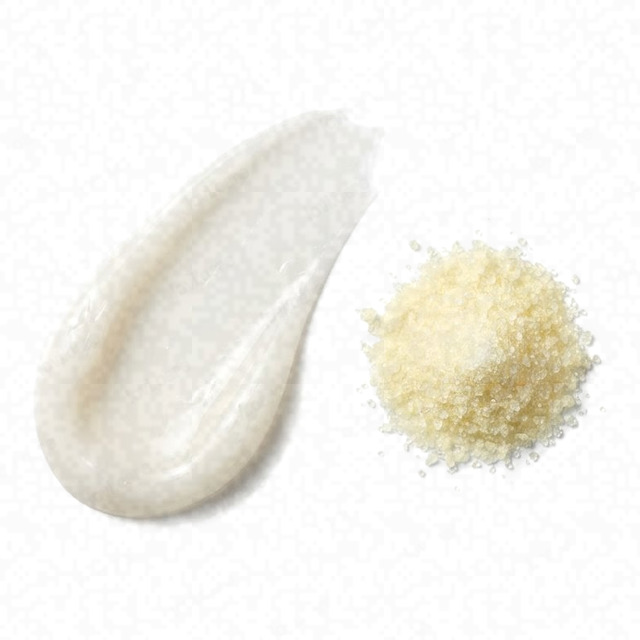 Bis-Ethylhexyloxyphenol Methoxyphenyl Triazine
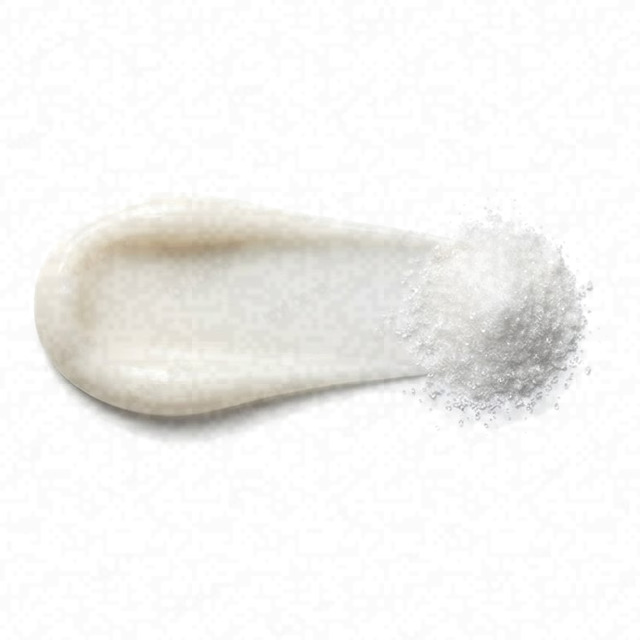 Ethylhexyl Triazone
 Aloe Barbadensis Leaf Extract
 Glycerin
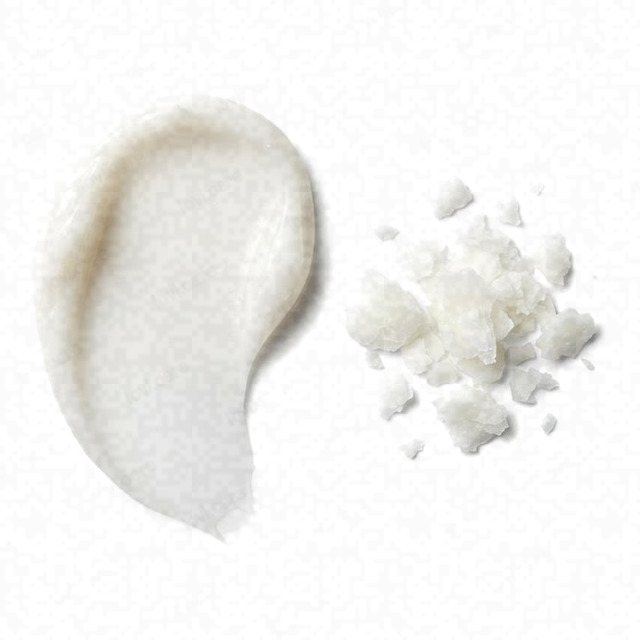 Cetearyl Alcohol
Superior
- SuperiorOily Skin Fit
- SuperiorEffectiveness
- ExcellentSafety
One of the best sunscreens for oily acne-prone skin.
This fit is calculated for the concerns frequently associated with oily acne-prone skin: shine, breakouts, blemishes, and enlarged pores. For scores and recommendations based on your full skin profile, including your 12D face scan results and any goals or preferences you have, please use the Lovi app.
Page built Nov 8, 2026How the Fit score works
Lovi Assistant explains
- Excellent suitability for your oily skin is provided by Polymethylsilsesquioxane and Dicaprylyl Carbonate, which mattify and control sebum, while Aloe Barbadensis Leaf Extract and Tocopherol offer soothing and antioxidant benefits for your acne and breakouts.
- The high concentrations of Bis-Ethylhexyloxyphenol Methoxyphenyl Triazine and Ethylhexyl Triazone ensure excellent UV protection, complementing the product's overall efficacy for your skin concerns.
- The safety profile is excellent, with no risks of irritation due to the absence of harsh ingredients and the inclusion of soothing components like Aloe Barbadensis Leaf Extract and Glycerin.
How to apply
- Apply this sunscreen AM as the final step of your morning skincare routine. Reapply every two hours when exposed to the sun for continuous protection.
- Apply after your moisturizer as the last step before makeup. Do not apply anything on top of your sunscreen.
- Gently spread a coin-sized amount evenly across your face and neck. Avoid harsh rubbing to prevent disturbing the protective layer.
- Apply on completely dry skin after your moisturizer has fully absorbed. This ensures the sunscreen forms an even, protective barrier.
- Avoid direct contact with your eyes during application. Do a patch test before first use to ensure no irritation occurs.
People Say
★4.1Overall rating based on 2.5k+ reviewsBased on a very large amount of data, users generally praise this water-based sunscreen for its lightweight, lotion-like texture that absorbs quickly without leaving a white cast, making it ideal for dry to normal skin types seeking a dewy finish. Users with sensitive or oily skin frequently report issues with the strong floral fragrance, potential eye stinging, and a finish that can become too greasy or shiny throughout the day.
Highlights
Lightweight, absorbent Mostly Mentioned
- “quickly absorbed into the skin”
- “very lightweight mild formula”
- “spreads on really nicely”
- “feels like a light moisturizer”
No white cast Often Mentioned
- “minimal white cast”
- “leaves no chalky residue”
- “transparent finish”
- “blends seamlessly”
Strong fragrance Often Mentioned
- “overpowering and unpleasant”
- “strong floral smell”
- “lingered on my skin for hours”
- “smells like chemical flowers”
Good makeup base Sometimes Noted
- “sits well under makeup”
- “suitable for under foundation”
- “doesn't pill”
- “makeup applies smoothly over it”
Moisturizing, dewy Sometimes Noted
- “nicely moisturized”
- “leaves a dewy glow”
- “hydrating without being heavy”
- “makes skin soft”
Eye stinging Sometimes Noted
- “stings my eyes terribly”
- “eyes watered all day”
- “migrates into eyes and burns”
Greasy finish Sometimes Noted
- “incredibly greasy”
- “face looked like an oil slick”
- “too shiny for summer”
- “makeup slid off”
Caused breakouts Rarely Noted
- “caused small red zits”
- “broke me out”
- “clogged my pores”
- “caused comedones”
Sources: lovi.care, amazon.com, yesstyle.com, stylevana.com, purplle.com, influenster.com, and more
Questions and answers
What makes innisfree Daily Mild Sunscreen one of the best fits for oily acne-prone skin?
Innisfree Daily Mild Sunscreen is a superior fit for oily acne-prone skin because Polymethylsilsesquioxane and Dicaprylyl Carbonate help mattify and control sebum. At the same time, Aloe Barbadensis Leaf Extract and Tocopherol provide soothing and antioxidant benefits to help calm breakouts, backed by an excellent safety profile with no harsh ingredients.
Clinical Pharmacology, 2018Journal of Cosmetic Dermatology, 2020
Which ingredients make this sunscreen a good fit for oily acne-prone skin?
Polymethylsilsesquioxane and Dicaprylyl Carbonate make this sunscreen a great fit by mattifying and controlling oil, while Aloe Barbadensis Leaf Extract and Tocopherol help soothe breakouts and calm the skin. Its reliable formula is unlikely to cause irritation and provides strong UV protection without adding extra shine.
What does Bis-Ethylhexyloxyphenol Methoxyphenyl Triazine do for oily acne-prone skin?
Bis-Ethylhexyloxyphenol Methoxyphenyl Triazine provides broad-spectrum sun protection that helps shield oily, acne-prone skin from UV damage without feeling overly heavy. This UV filter supports a safe daily routine when you want to prevent sun-induced inflammation, though oily skin types generally need a lightweight, non-greasy formula that controls shine and won't clog pores.
European Journal of Pharmaceutical Sciences, 2019Journal of Photochemistry and Photobiology. B, Biology, 2025
What does Ethylhexyl Triazone do for oily acne-prone skin?
Ethylhexyl Triazone is a sunscreen ingredient that filters UV rays to protect skin from sun damage without clogging pores or feeling heavy. It is unlikely to cause breakouts, making it a safe choice to shield oily and acne-prone skin from the sun.
Where does this sunscreen go in a skincare routine for oily acne-prone skin?
This sunscreen is a great fit and goes in the morning step of your routine as the final layer after your moisturizer. It helps mattify and control sebum while soothing breakouts, and is unlikely to cause irritation.
Can I use this sunscreen with retinol, and in what order?
You can use this sunscreen every morning as the final step of your skincare routine after your moisturizer, and it is best paired with retinol applied at night. This product helps protect your skin from UV rays while keeping excess oil under control without causing irritation.
How often should I use this sunscreen?
You can use this sunscreen every morning as the final step of your daytime skincare routine. It is specially designed to mattify and control oil while keeping your skin calm and protected throughout the day.
Can this sunscreen clog pores, cause breakouts or purging for oily acne-prone skin?
This sunscreen is unlikely to clog pores or cause breakouts for oily acne-prone skin because it contains soothing components like Aloe Barbadensis Leaf Extract and lacks harsh ingredients that could irritate your face.
Is this sunscreen fragrance-free and alcohol-free?
It has no drying alcohol and contains fragrance (parfum). Behenyl alcohol, c20-22 alcohols, and cetearyl alcohol are fatty alcohols, which soften the skin.
What the research says
A cream combining propolis, tea tree oil, and Aloe vera reduced erythema scars, acne severity index, and total lesion count better than erythromycin cream in sixty patients with mild to moderate acne vulgaris compared to placebo.
Clinical Pharmacology, 2018A topical serum containing vitamin C, vitamin E, and raspberry leaf cell culture extract improved skin color, elasticity, radiance, smoothness, scaliness, and wrinkles compared to the untreated contralateral side in fifty female volunteers.
Journal of Cosmetic Dermatology, 2020Maximal topical applications of 6% bemotrizinol in a model sunscreen formulation did not result in meaningful systemic exposure in humans.
Regulatory Toxicology and Pharmacology, 2023Microencapsulation of ethylhexyl triazone in lipid microparticles significantly reduced its in vivo human stratum corneum penetration by 45.7% compared to the nonencapsulated sunscreen.
Skin Pharmacology and Physiology, 2019A topical sunscreen containing octyl triazone, phenylbenzimidazole sulfonic acid, and methylbenzylidene camphor prevented UVB-induced suppression of intercellular adhesion molecule-1 expression and mixed-lymphocyte reaction in epidermal cell cultures compared to control sunscreens with comparable SPF lacking octyl triazone.
Toxicology in Vitro, 1994Topical aloe vera gel significantly accelerated split-thickness skin graft donor-site healing compared to placebo in 12 patients, but showed no significant difference in pain relief.
Plastic and Reconstructive Surgery, 2018Topical application of Aloe vera cream reduced postoperative pain at rest and during defecation, accelerated wound healing at two weeks, and decreased analgesic requirements in patients after open hemorrhoidectomy compared to placebo.
Journal of Alternative and Complementary Medicine, 2010Formulations containing 0.10%, 0.25%, and 0.50% freeze-dried Aloe vera extract increased stratum corneum water content compared with the vehicle in 20 female subjects, while transepidermal water loss was not modified.
Skin Research and Technology, 2006A single application of a moisturizing fluid containing hyaluronic acid 1%, glycerin 5%, and Centella asiatica stem cells extract significantly increased skin hydration by 29% and reduced transepidermal water loss at 24 hours compared to baseline and an untreated control site in twenty healthy women.
Clinical, Cosmetic and Investigational Dermatology, 2017The emollient V0034CR significantly reduced TEWL compared to vehicle and vehicle plus glycerol, and significantly increased corneometry scores compared to vehicle and vehicle plus petrolatum in healthy volunteers with dry skin, demonstrating combined barrier function improvement from petrolatum and hydration improvement from glycerol.
Journal of Cosmetic Dermatology, 2020Ten days of treatment with a cream containing 20% glycerin significantly increased skin hydration measured by corneometer values in 17 healthy volunteers compared to a placebo cream, but showed no influence on transepidermal water loss or skin sensitivity to an irritating surfactant.
International Journal of Cosmetic Science, 2001
Ingredients
1,2-Hexanediol, Aloe Barbadensis Leaf Extract, Behenyl Alcohol, Bis-Ethylhexyloxyphenol Methoxyphenyl Triazine, Butylene Glycol, C12-20 Alkyl Glucoside, C14-22 Alcohols, C20-22 Alcohols, C20-22 Alkyl Phosphate, Caprylyl Capryl Glucoside, Carbomer, Cetearyl Alcohol, Cetearyl Glucoside, Cetearyl Olivate, Dibutyl Adipate, Dicaprylyl Carbonate, Diethylamino Hydroxybenzoyl Hexyl Benzoate, Ethylhexyl Triazone, Ethylhexylglycerin, Parfum, Fructooligosaccharides, Glycerin, Glyceryl Stearate, Methylpropanediol, Pentylene Glycol, Polyisobutene, Polymethylsilsesquioxane, Pullulan, Saccharide Hydrolysate, Sodium Acrylate Sodium Acryloyldimethyl Taurate Copolymer, Sorbitan Oleate, Sorbitan Olivate, Tocopherol, Tromethamine, Water
Behind this fit score
Lovi calculates every fit score from the full ingredient list with brand-independent rules our dermatologists and cosmetic chemists build and review, and personalizes every pick with AI trained on the real results of millions of users. Lovi trains its fit score models on a proprietary dataset built from more than 10,000 expert-labeled products and more than 100,000 simulated examples, following an internally consistent methodology presented at Cosmoprof, AMWC, and Skin of Color Update.
-

Co-founder, Medical Director
Cosmetic chemist, cosmetologist, aesthetic products developer
-

Co-founder, CEO and CTO
PhD in computer science, 3x US patent holder, ex-Google, ex-Yandex
-

Dr. Sofía Perea Pérez, MD, MSc
Medical Board
Aesthetic medicine practitioner, MSc in Longevity and Anti-Aging Medicine
-

Medical Board
Specialist dermatologist, MBBS, MD, IFAAD
-

Medical Board
Cosmetic chemist, SCS, IFSCC member
-

Medical Board, Medical Advisor
Dermatology MD
-

Elina Nazarenko, MD
Medical Board
Dermatology and diagnostic consultant
-

Victoria Derkova, MS
Medical Board
Cosmetic chemist, cosmetic development technologist


How does it fit your skin?
Scan your face, then any product: Lovi shows how well it fits you and what fits even better.