Hawaiian Tropic Sheer Touch Lotion Sunscreen for skin with dark spots

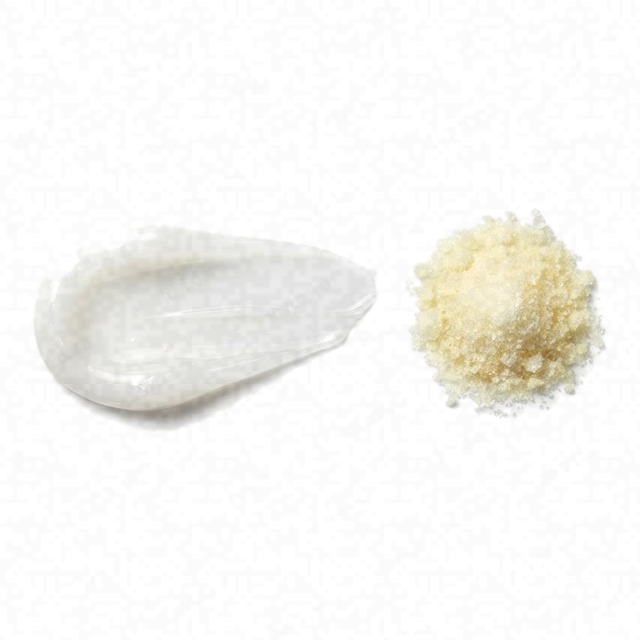 Avobenzone
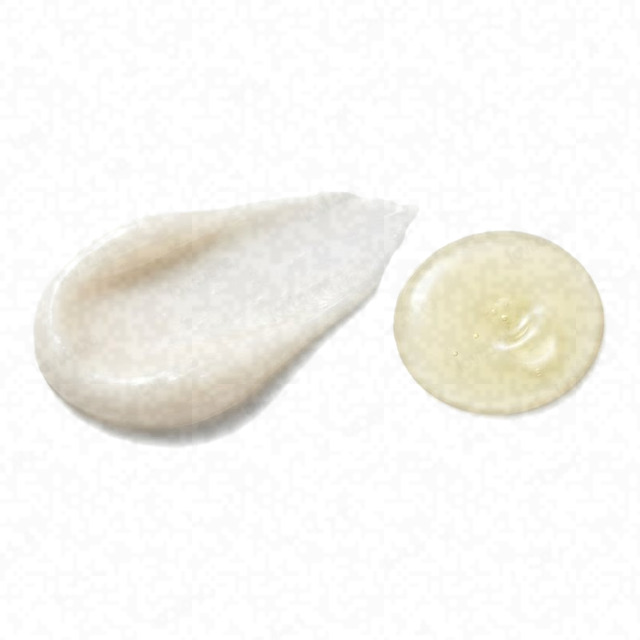 Octocrylene
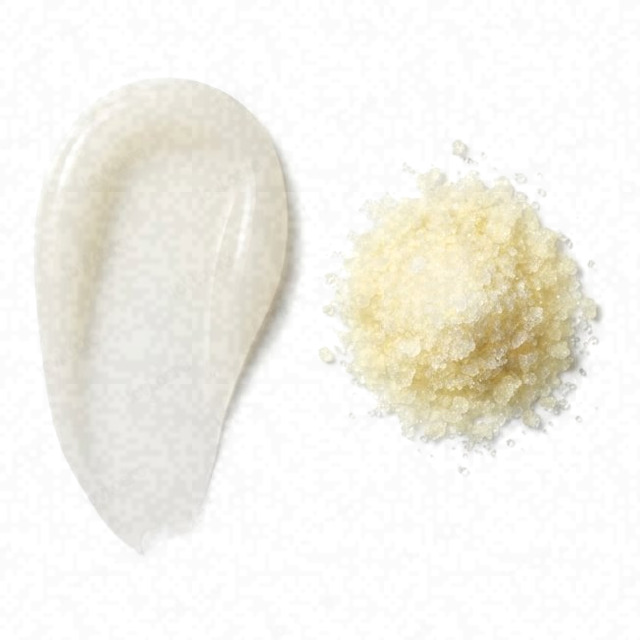 Oxybenzone
 Aloe Barbadensis Leaf Juice
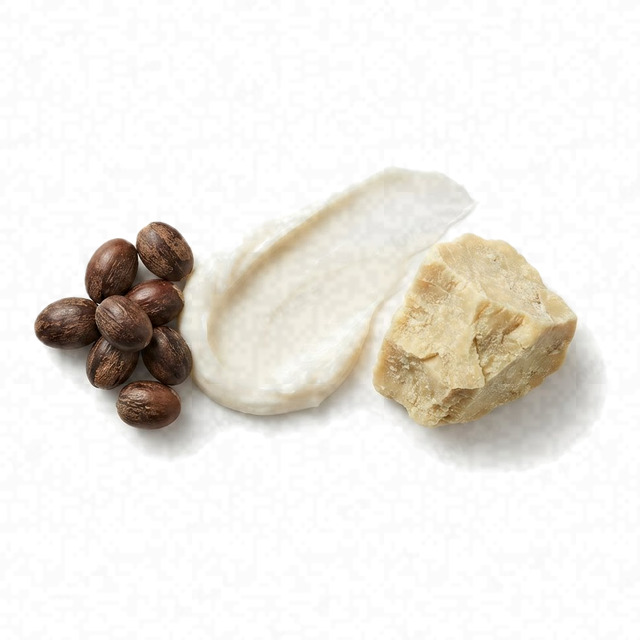 Butyrospermum Parkii Butter Shea Butter
Average
- HighNormal Skin Fit
- AverageEffectiveness
- HighSafety
Works for skin with dark spots; other sunscreens fit it better.
This fit is calculated for the concerns frequently associated with dark spots: hyperpigmentation, sun spots, and uneven skin tone. For scores and recommendations based on your full skin profile, including your 12D face scan results and any goals or preferences you have, please use the Lovi app.
Page built Nov 8, 2026How the Fit score works
Lovi Assistant explains
- Suitable for normal skin, this sunscreen offers excellent sun protection with avobenzone and octocrylene to shield against UV rays, while ingredients like Retinyl Palmitate and Ascorbic Acid provide antioxidant benefits. Aloe Barbadensis Leaf Juice and Butyrospermum Parkii Butter Shea Butter offer general hydration and soothing effects, which are supportive but not directly targeted at your main goal of pigmentation.
- The formulation is safe for your normal skin, as it lacks harsh ingredients and includes soothing Aloe Barbadensis Leaf Juice, minimizing irritation risk.
- While functional for sun protection and general skin health, the product's benefits do not directly address your primary concern of pigmentation.
How to apply
- Use this moisturizing sunscreen AM daily to protect your normal skin and fight dark spots.
- Apply this product as the final step of your morning routine after your moisturizer.
- Gently spread a coin-sized amount evenly over your face, avoiding rough rubbing.
- Apply this product on clean, dry skin for the best coverage and protection.
- Avoid the sensitive eye area and reapply every two hours when outdoors.
Questions and answers
How well does Hawaiian Tropic Sheer Touch work for skin with dark spots?
Hawaiian Tropic Sheer Touch Lotion Sunscreen works for skin with dark spots, though other sunscreens fit it better because its soothing and hydrating ingredients do not directly target pigmentation. To better manage dark spots, a product of this type needs targeted brightening ingredients and strong UV protection.
Which ingredients make this sunscreen a good fit for skin with dark spots?
This sunscreen is an average fit for skin with dark spots because, while it provides sun protection and antioxidants, its ingredients do not directly target your pigmentation. Ascorbic acid and retinyl palmitate help improve uneven skin, but a product for this skin needs dedicated brightening ingredients and powerful dark spot correctors to give you the best results.
What does Avobenzone do for skin with dark spots?
Avobenzone helps protect dark spots from darkening further by absorbing UVA rays that trigger pigment changes, though because it can break down in sunlight, it works best when paired with stabilizers or antioxidants. A product for dark spots with uneven skin tone also needs antioxidants like vitamin C or soothing plant extracts to help fade existing marks and brighten the skin.
European Journal of Pharmaceutical Sciences, 2023Journal of Photochemistry and Photobiology. B, Biology, 2015
What does Octocrylene do for skin with dark spots?
Octocrylene itself primarily acts as a UV filter to protect skin from sun damage that can cause or worsen dark spots. However, it does not actively fade existing dark spots, so a product for this skin type needs added brightening ingredients like vitamin C or niacinamide to help even out skin tone.
Where does this sunscreen go in a skincare routine for skin with dark spots?
This sunscreen goes as the last step of your morning skincare routine after your moisturizer, providing broad-spectrum UV protection with avobenzone and octocrylene. Because it offers average support for dark spots, this skin needs targeted brightening ingredients like vitamin C or niacinamide used in dedicated serums to effectively fade discoloration.
Can I use this sunscreen with retinol, and in what order?
You can use this sunscreen in the morning as the last step before makeup, placed after your moisturizer and retinol routine. It helps protect your skin with UV filters and antioxidants, though skin with dark spots also needs targeted brightening ingredients to properly fade discoloration.
How often should I use this sunscreen?
This sunscreen is safe for daily use and should be applied in the morning as the final step of your daytime routine. It offers good sun protection and hydration, but skin with dark spots needs dedicated brightening ingredients like vitamin C serums or exfoliating acids to effectively target pigmentation.
Can this sunscreen clog pores, cause breakouts or purging for skin with dark spots?
This sunscreen is unlikely to clog pores or cause breakouts on your skin, as it lacks harsh ingredients and includes soothing aloe vera to help keep irritation low. However, because it is an average fit for skin with dark spots, this skin type needs targeted brightening ingredients like vitamin C or niacinamide to effectively fade dark spots.
Is this sunscreen fragrance-free and alcohol-free?
Yes, it has no fragrance and no drying alcohol. Cetearyl alcohol is a fatty alcohol, which soften the skin.
What the research says
Vitamin C mesotherapy produced a significant and earlier reduction in gingival pigmentation and higher patient satisfaction compared to topical gel in twenty healthy non-smokers with hyperpigmented gingiva, with both methods reducing the mean area fraction of melanin-forming cells at 6 months without causing pain.
Clinical Oral Investigations, 2021Solid lipid nanoparticles bearing 5% oxybenzone incorporated into a cream base showed slower drug release, enhanced sun protection factor above 25, and prolonged retention in the stratum corneum compared to a plain cream base containing 5% oxybenzone.
Journal of Microencapsulation, 2010Encapsulation of ethylhexyl methoxycinnamate and butyl methoxydibenzoylmethane in lipid microparticles significantly reduced their in vivo human skin penetration compared to nonencapsulated filters.
Skin Pharmacology and Physiology, 2011Microencapsulation of the BMDBM/HP-beta-CD complex in lipid microparticles significantly decreased the percutaneous penetration of the UV filter into the stratum corneum of human volunteers compared to the non-encapsulated sunscreen agent.
Journal of Pharmaceutical and Biomedical Analysis, 2011Following human skin application of an O/W emulsion containing 2% BMDBM loaded in lipospheres, 15% of the sunscreen accumulated in the uppermost layers of the stratum corneum without remarkably modifying skin permeation compared to unencapsulated sunscreen.
Skin Pharmacology and Physiology, 2008Incorporating rosmarinic acid into sunscreens enhanced the in vivo SPF of octocrylene by over 157% and reduced lipid peroxidation in the human stratum corneum.
Antioxidants, 2025The application of a sunscreen formulation containing ethylhexyl methoxycinnamate, ethylhexyl salicylate, methyl anthranilate, and octocrylene does not significantly affect critical acne-related species such as Cutibacterium acnes and Staphylococcus epidermidis, refuting the induction of facial dysbiosis in men.
Archives of Dermatological Research, 2024Early application of sunscreen after ablative fractional skin resurfacing significantly increased the sensitization rate of the UV-filter, octocrylene, and the sunscreen compared to intact skin.
The Journal of Dermatological Treatment, 2015Daily whole-body topical application of sunscreens benzophenone-3, octyl-methoxycinnamate, and 3-(4-methylbenzylidene) camphor results in systemic absorption in healthy human volunteers but does not alter endogenous reproductive hormone levels.
The Journal of Investigative Dermatology, 2004Topical application of sunscreen agents in human volunteers resulted in significant skin penetration of all agents and systemic absorption of oxybenzone and its metabolites.
Journal of Chromatography. B, Analytical Technologies in the Biomedical and Life Sciences, 2004Benzophenone-3 loaded starch microsponges provided improved photoprotection, higher sun protection factor, and reduced cutaneous penetration compared to raw benzophenone-3 cream.
Materials Science & Engineering. C, Materials for Biological Applications, 2019A cream combining propolis, tea tree oil, and Aloe vera reduced erythema scars, acne severity index, and total lesion count better than erythromycin cream in sixty patients with mild to moderate acne vulgaris compared to placebo.
Clinical Pharmacology, 2018Topical aloe vera gel significantly accelerated split-thickness skin graft donor-site healing compared to placebo in 12 patients, but showed no significant difference in pain relief.
Plastic and Reconstructive Surgery, 2018Topical application of Aloe vera cream reduced postoperative pain at rest and during defecation, accelerated wound healing at two weeks, and decreased analgesic requirements in patients after open hemorrhoidectomy compared to placebo.
Journal of Alternative and Complementary Medicine, 2010A combination cream of stimu-tex AS and saccharide isomerate reduced erythema, increased skin capacitance, and reduced transepidermal water loss compared to placebo in 20 subjects after fractional CO2 laser procedure without causing serious adverse events.
Lasers in Medical Science, 2025A skin barrier restoring cream with shea butter, silkflo, and vitamin E increased type I procollagen synthesis, enhanced antioxidant enzyme activity, decreased reactive oxygen species generation, and promoted hyaluronic acid production in H2O2-stimulated human keratinocyte cells compared to untreated cells.
International Journal of Cosmetic Science, 2025
Why other sunscreens fit skin with dark spots better
Application of 0.1% and 0.05% litchi serum significantly increased skin lightening compared to placebo, while 0.1% litchi serum additionally improved skin elasticity and reduced wrinkles in 29 volunteers over 112 days.
Annales Pharmaceutiques Francaises, 2020
Ingredients
Avobenzone, Octocrylene, Oxybenzone, Water, Ethylhexyl Benzoate, Butyloctyl Salicylate, Cetearyl Alcohol, Dicetyl Phosphate, Ceteth-10 Phosphate, Retinyl Palmitate Vitamin A, Ascorbic Acid, Tocopheryl Acetate Vitamin E, Peg-8 Dimethicone, Sodium Propoxyhydroxypropyl Thiosulfate Silica, Octyldodecanol, Silica, Carica Papaya Fruit Extract, Mangifera Indica Fruit Extract, Plumeria Acutifolia Flower Extract Plumeria Flower Extract, Colocasia Antiquorum Root Extract, Psidium Guajava Fruit Extract, Passiflora Incarnata Fruit Extract, Aloe Barbadensis Leaf Juice, Butyrospermum Parkii Butter Shea Butter, Mangifera Indica Seed Butter, Phenethyl Benzoate, Polymethylsilsesquioxane, Neopentyl Glycol Diheptanoate, Vp Eicosene Copolymer, Coco-Glucoside, Caprylyl Glycol, Glycerin, Dimethicone, Paraffin, Acrylates C10-30 Alkyl Acrylate Crosspolymer, Disodium Edta, Xanthan Gum, Triethanolamine, Phenoxyethanol, Propylparaben, Methylparaben
Behind this fit score
Lovi calculates every fit score from the full ingredient list with brand-independent rules our dermatologists and cosmetic chemists build and review, and personalizes every pick with AI trained on the real results of millions of users. Lovi trains its fit score models on a proprietary dataset built from more than 10,000 expert-labeled products and more than 100,000 simulated examples, following an internally consistent methodology presented at Cosmoprof, AMWC, and Skin of Color Update.
-

Co-founder, Medical Director
Cosmetic chemist, cosmetologist, aesthetic products developer
-

Co-founder, CEO and CTO
PhD in computer science, 3x US patent holder, ex-Google, ex-Yandex
-

Dr. Sofía Perea Pérez, MD, MSc
Medical Board
Aesthetic medicine practitioner, MSc in Longevity and Anti-Aging Medicine
-

Medical Board
Specialist dermatologist, MBBS, MD, IFAAD
-

Medical Board
Cosmetic chemist, SCS, IFSCC member
-

Medical Board, Medical Advisor
Dermatology MD
-

Elina Nazarenko, MD
Medical Board
Dermatology and diagnostic consultant
-

Victoria Derkova, MS
Medical Board
Cosmetic chemist, cosmetic development technologist


How does it fit your skin?
Scan your face, then any product: Lovi shows how well it fits you and what fits even better.