Babyganics SPF 50 Baby Mineral Sunscreen Lotion for dry sensitive skin

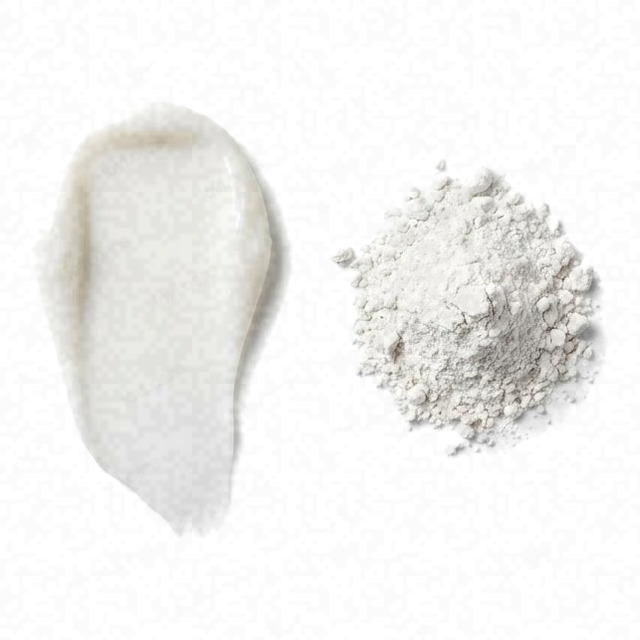 Zinc Oxide
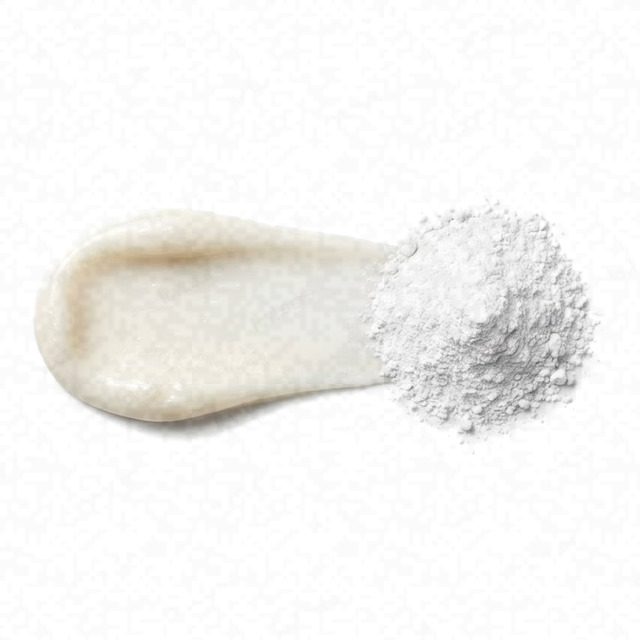 Titanium Dioxide
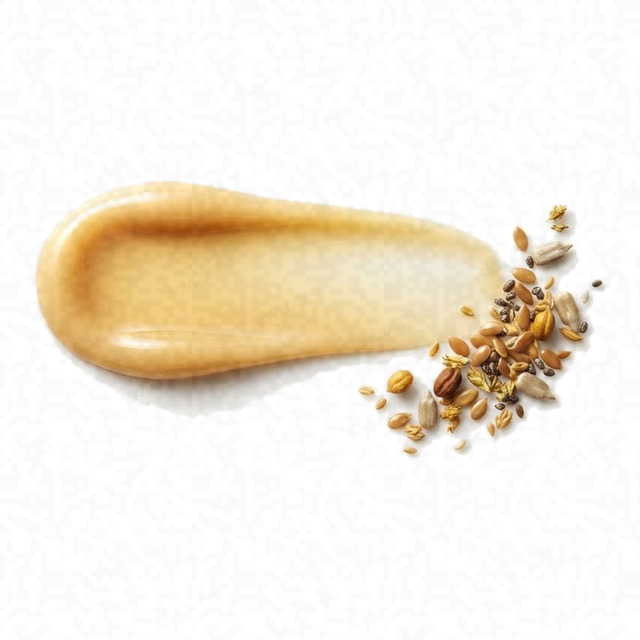 Neonourish Blend Seed Oil
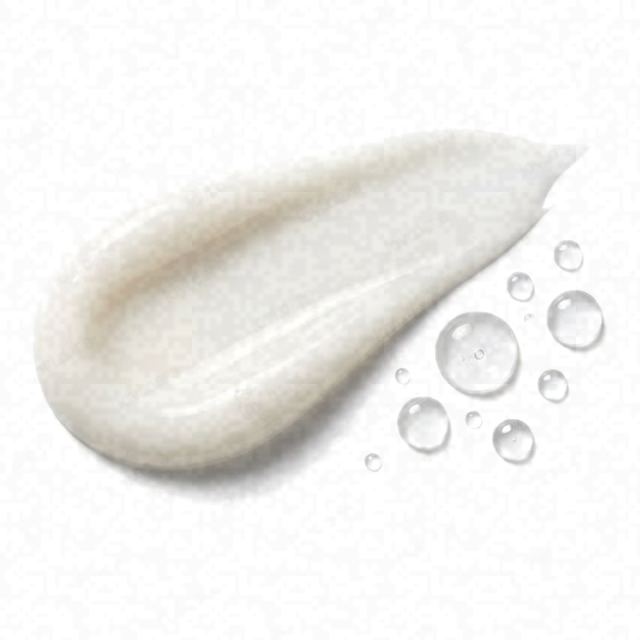 Octisalate
 Butyloctyl Salicylate
High
- HighDry Skin Fit
- HighEffectiveness
- HighSafety
A great choice for dry sensitive skin; a few sunscreens fit it even better.
This fit is calculated for the concerns frequently associated with dry sensitive skin: flakiness, tightness, redness, fine lines, and wrinkles. For scores and recommendations based on your full skin profile, including your 12D face scan results and any goals or preferences you have, please use the Lovi app.
Page built Nov 8, 2026How the Fit score works
Lovi Assistant explains
- Highly suitable for your dry and sensitive skin, this sunscreen provides excellent UV protection with titanium dioxide and zinc oxide, while glycerin and jojoba esters offer moderate hydration to combat dryness and flakiness.
- Bisabolol further soothes your sensitive skin, ensuring a comfortable application and reducing the risk of irritation.
- The formulation is safe for your skin, containing no harsh ingredients and prioritizing gentle, protective components.
How to apply
- Use your sunscreen as part of your AM routine every morning. Reapply every two hours when exposed to the sun.
- Apply the sunscreen after your moisturizer as the final step of your morning skincare routine.
- Gently press a coin-sized amount of sunscreen evenly into your skin, and avoid rubbing it harshly. Let it set for a minute before going outdoors.
- Since your skin is sensitive , apply the sunscreen over your dry moisturizer to ensure better comfort and protection.
- Always do a patch test before your first use and avoid direct contact with the eyes.
People Say
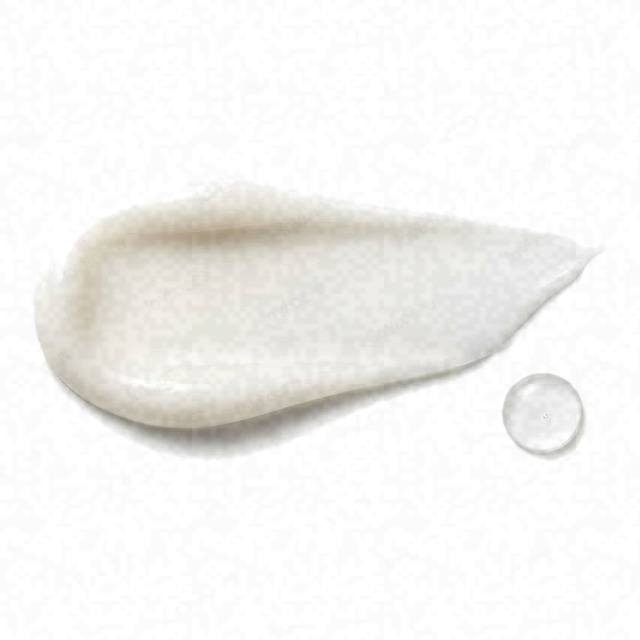
★4.1Overall rating based on 200+ reviewsA significant number of users note a very noticeable white cast and difficulty with application due to its thick consistency.
Highlights
Leaves white cast Mostly Mentioned
- “leaves a whitish cast to the skin”
- “super white cast”
- “look like you put white clay on your face”
Effective sun protection Often Mentioned
- “offers such great protection”
- “has not had a sunburn yet”
- “prefer that over burns”
Safe, clean ingredients Often Mentioned
- “doesn't have any harmful ingredients”
- “love this brand for its clean ingredient mission”
- “contains the most helpful sunscreen ingredients”
Thick, hard to apply Often Mentioned
- “very thick, pasty”
- “hard to rub in”
- “doesn't move smoothly across skin”
Fragrance-free Sometimes Noted
- “doesn't have the smell of regular sunscreen”
- “fragrance isn't strong at all”
- “no perfumes or artificial scents”
Gentle on sensitive skin Sometimes Noted
- “only sunscreen my granddaughter can wear”
- “tear free and non-allergenic”
Inconsistent texture Sometimes Noted
- “texture looks a little chunky”
- “started feeling more watery”
- “clumping up in my facial hair”
Drying effect Rarely Noted
- “highlight the dry patches”
- “exposing my dry skin areas”
- “clumping up in dry areas”
Sources: lovi.care, walmart.com, thingtesting.com, youtube.com, reddit.com, and more
Questions and answers
What makes Babyganics SPF 50 Baby Mineral Sunscreen Lotion a great fit for dry sensitive skin?
This sunscreen is a great fit because it uses titanium dioxide and zinc oxide for UV protection while glycerin and jojoba esters add moderate hydration to tackle dryness and flakiness. Bisabolol helps calm your sensitive skin to keep it comfortable and lower the chance of irritation.
Journal of Cosmetic Dermatology, 2008Clinical, Cosmetic and Investigational Dermatology, 2017
Which ingredients make this sunscreen a good fit for dry sensitive skin?
Titanium dioxide and zinc oxide provide gentle UV protection, while glycerin and jojoba esters help hydrate dry skin and reduce flakiness. Bisabolol further calms sensitive skin to help ensure a comfortable, low-irritation application.
Journal of Cosmetic Dermatology, 2008Clinical, Cosmetic and Investigational Dermatology, 2017
What does Zinc Oxide do for dry sensitive skin?
Zinc oxide helps calm dry, sensitive skin by reducing redness and soothing irritation while protecting a delicate skin barrier. It is unlikely to cause irritation and is commonly used to keep skin comfortable.
What does Titanium Dioxide do for dry sensitive skin?
Titanium dioxide acts as a physical shield on the skin surface to block UV rays without irritating dry sensitive skin. Because it sits on the outer layer rather than absorbing deeply, it is unlikely to cause allergic reactions or clog pores.
Skin Pharmacology and Applied Skin Physiology, 2001Current Problems in Dermatology, 2021
Where does this sunscreen go in a skincare routine for dry sensitive skin?
This sunscreen goes as the last step in your morning routine, right after your moisturizer. It provides mineral sun protection while helping to hydrate and soothe dry, sensitive skin.
Can I use this sunscreen with retinol, and in what order?
You can use this sunscreen in the morning as the last step after your retinol has been absorbed and your moisturizer is applied. This mineral formula helps protect sensitive skin from UV rays while keeping it calm and comfortable.
How often should I use this sunscreen?
You can use this sunscreen every morning as the final step of your morning skincare routine to protect your skin throughout the day. Its mineral filters and gentle ingredients provide reliable UV defense while helping keep your skin comfortable and hydrated.
The Journal of Dermatological Treatment, 2022Journal of Drugs in Dermatology, 2023
Can this sunscreen clog pores, cause breakouts or purging for dry sensitive skin?
This sunscreen is unlikely to clog pores or cause breakouts for dry sensitive skin. Its gentle mineral formula with zinc oxide and titanium dioxide protects your skin without heavy oils that typically trigger breakouts.
Is this sunscreen fragrance-free and alcohol-free?
Yes, it has no fragrance and no drying alcohol. Cetearyl alcohol is a fatty alcohol, which soften the skin.
What the research says
Topical formulations containing 3.75% glycerol and 1.25% hydrolyzed jojoba esters produced significantly lower evaporative TEWL values compared to glycerol alone at 8 and 24 hours posttreatment in human subjects.
Journal of Cosmetic Dermatology, 2008A single application of a moisturizing fluid containing hyaluronic acid 1%, glycerin 5%, and Centella asiatica stem cells extract significantly increased skin hydration by 29% and reduced transepidermal water loss at 24 hours compared to baseline and an untreated control site in twenty healthy women.
Clinical, Cosmetic and Investigational Dermatology, 2017Topical 0.5% hyaluronic-ZnO nanogel applied twice daily reduced inflammatory-lesion counts by 58% at week four in human subjects compared to baseline without causing erythema.
Biomedicines, 2025Nels cream achieved a similar reduction in inflammatory and noninflammatory lesion counts compared to 5% benzoyl peroxide in acne vulgaris patients, but caused significantly fewer side-effects such as peeling and dryness.
Clinical and Experimental Dermatology, 2000Topically applied coated and uncoated zinc oxide nanoparticles under flexing and massage are retained in the stratum corneum with no significant penetration into the viable epidermis and no cellular toxicity in human skin.
Nanomedicine, 2016Microfine titanium dioxide does not penetrate human skin when formulated in an oil-in-water emulsion with the pigment dispersed in the aqueous phase, compared to oily dispersions and liposomal encapsulation which allow deeper skin penetration.
International Journal of Cosmetic Science, 2000Replacing microsized titanium dioxide and zinc oxide with nanoparticles in sunscreens eliminates opaqueness and alters UV protection balance while inducing (photo)cyto- and genotoxicity and penetrating viable skin layers during long-term exposures.
Nanotechnology, Science and Applications, 2011Microfine zinc oxide and titanium dioxide do not penetrate the stratum corneum of porcine skin in vitro, indicating that their use in sunscreens does not pose a health risk from internal exposure.
Toxicology in Vitro, 2006Simulated real-life dermal sunscreen exposure in twenty human volunteers leads to the systemic bioavailability and urinary excretion of the UV filter 2-ethylhexyl salicylate and its metabolite, reaching concentration peaks at 7 to 8 hours with 70-80% of overall excretion within 24 hours.
Archives of Toxicology, 2019The application of a sunscreen formulation containing ethylhexyl methoxycinnamate, ethylhexyl salicylate, methyl anthranilate, and octocrylene does not significantly affect critical acne-related species such as Cutibacterium acnes and Staphylococcus epidermidis, refuting the induction of facial dysbiosis in men.
Archives of Dermatological Research, 2024Controlled single dermal exposure to an EHS-containing sunscreen in three volunteers resulted in delayed systemic resorption with elimination half-lives between 6.6 and 9.7 hours, where the parent compound EHS occurred as the dominant urinary parameter.
Archives of Toxicology, 2024
Ingredients
Titanium Dioxide, Zinc Oxide, Water, Ethylhexyl Palmitate, Butyloctyl Salicylate, Caprylic Capric Triglyceride, Trimethylpentanediol Adipic Acid Glycerin Crosspolymer, Cetearyl Olivate, Glycerin, Sorbitan Olivate, Tocopheryl Acetate, Phenoxyethanol, Cetearyl Alcohol, Cetearyl Glucoside, Propanediol, Alumina, Xanthan Gum, Jojoba Esters, 1,2-Hexanediol, Bisabolol, Helianthus Annuus Seed Oil Sunflower Seed Oil, Solanum Lycopersicum Seed Oil Tomato Seed Oil, Lecithin, Polyhydroxystearic Acid, Caprylhydroxamic Acid, Citric Acid, Isopropyl Myristate, Isostearic Acid, Polyglyceryl-3 Polyricinoleate, Cranberry Seed Oil, Nigella Sativa Seed Oil, Rubus Idaeus Seed Oil Raspberry Seed Oil
Behind this fit score
Lovi calculates every fit score from the full ingredient list with brand-independent rules our dermatologists and cosmetic chemists build and review, and personalizes every pick with AI trained on the real results of millions of users. Lovi trains its fit score models on a proprietary dataset built from more than 10,000 expert-labeled products and more than 100,000 simulated examples, following an internally consistent methodology presented at Cosmoprof, AMWC, and Skin of Color Update.
-

Co-founder, Medical Director
Cosmetic chemist, cosmetologist, aesthetic products developer
-

Co-founder, CEO and CTO
PhD in computer science, 3x US patent holder, ex-Google, ex-Yandex
-

Dr. Sofía Perea Pérez, MD, MSc
Medical Board
Aesthetic medicine practitioner, MSc in Longevity and Anti-Aging Medicine
-

Medical Board
Specialist dermatologist, MBBS, MD, IFAAD
-

Medical Board
Cosmetic chemist, SCS, IFSCC member
-

Medical Board, Medical Advisor
Dermatology MD
-

Elina Nazarenko, MD
Medical Board
Dermatology and diagnostic consultant
-

Victoria Derkova, MS
Medical Board
Cosmetic chemist, cosmetic development technologist


How does it fit your skin?
Scan your face, then any product: Lovi shows how well it fits you and what fits even better.