SkinCeuticals Phyto Corrective Serum for oily acne-prone skin

 Sodium Hyaluronate
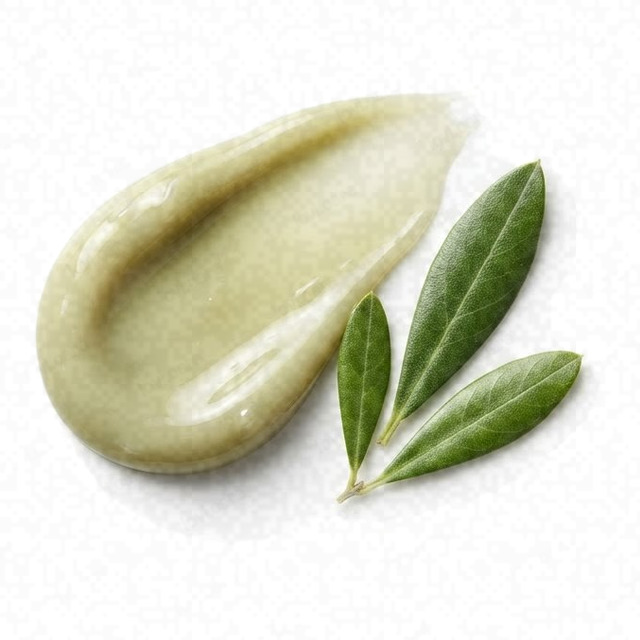 Olea Europaea Leaf Extract
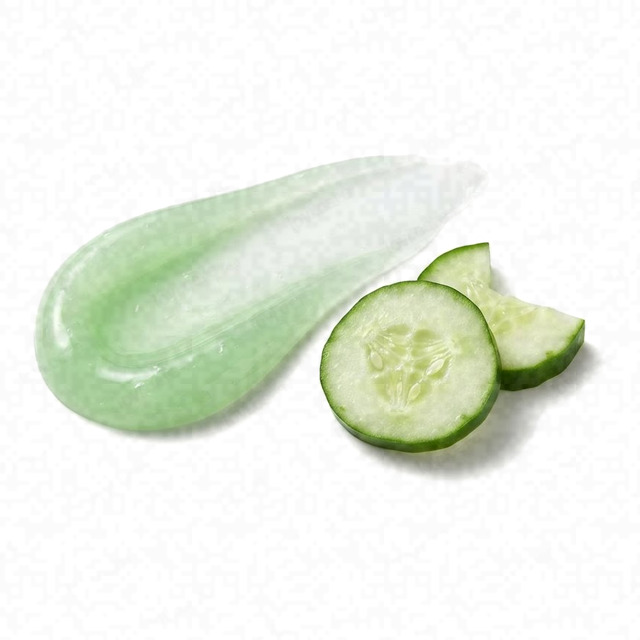 Cucumis Sativus Fruit Extract
 Lactic Acid
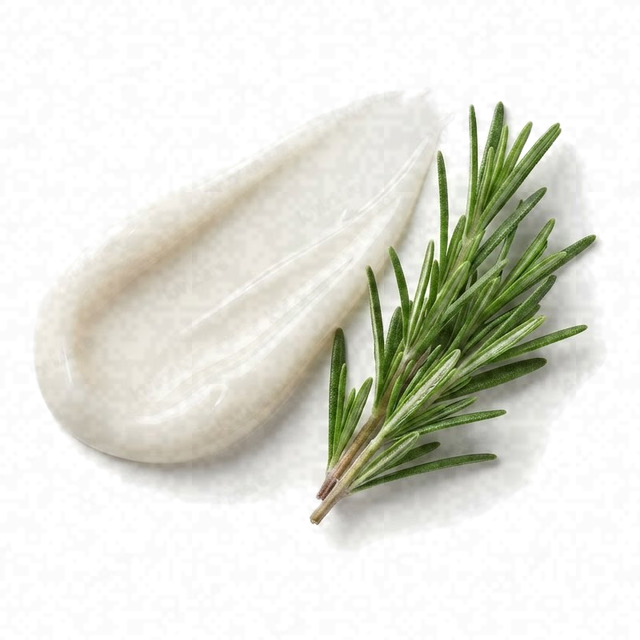 Rosmarinus Officinalis Leaf Extract
Average
- AverageOily Skin Fit
- AverageEffectiveness
- HighSafety
Works for oily acne-prone skin; other serums fit it better.
- Clinical, Cosmetic and Investigational Dermatology, 2017
- International Journal of Biological Macromolecules, 2024
This fit is calculated for the concerns frequently associated with oily acne-prone skin: shine, breakouts, blemishes, and enlarged pores. For scores and recommendations based on your full skin profile, including your 12D face scan results and any goals or preferences you have, please use the Lovi app.
Page built Nov 8, 2026How the Fit score works
Lovi Assistant explains
- Offers moderate suitability for oily skin as Glycerin and Sodium Hyaluronate provide humectant action to hydrate without exacerbating oiliness.
- While it offers general hydration and soothing benefits from cucumber fruit extract, it lacks targeted ingredients for your primary concerns of acne, blemishes, and breakouts.
- The safety profile is excellent, with no risks of irritation for your oily skin due to the absence of prohibited or harsh ingredients.
How to apply
- Could be used as part of your PM routine. Start 3 times a week and build up to daily use if your skin tolerates it well.
- Apply your serum after cleansing and toning, but before putting on your moisturizer.
- Gently press 2 to 3 drops of the serum into your skin and let it absorb for a minute.
- Apply the serum on clean, dry skin to help manage your blemishes safely.
- Do a patch test before your first use and avoid the delicate eye area.
People Say
★4.5Overall rating based on 4.5k+ reviewsWhile many find it an essential lightweight hydrator that helps fade post-acne marks, a minority of users feel it lacks sufficient moisturizing power for drier skin types or does not justify the high price tag.
Highlights
Calms redness immediately Mostly Mentioned
- “Calmed the condition immediately and after about a week the soreness has gone”
- “Subdues redness and helps to calm the skin”
- “Within hours of using this serum, the heat and redness dropped significantly”
- “No more rosey cheeks”
Lightweight and non-greasy Often Mentioned
- “Absorbs so well and I don't need to use much”
- “Sank in quickly and hydrated my skin without blocking my pores”
- “Lightweight, non-greasy texture”
- “Not a greasy or oily serum as it's oil free”
Soothes sensitive skin Often Mentioned
- “Ideal to calm and hydrate skin”
- “Soothes irritated skin”
- “Great recovery treatment”
- “Did not have any issues or discomfort at all”
Fades acne marks Sometimes Noted
- “Helping to fade my dark marks and hyperpigmentation quicker”
- “Great for scars”
- “Lightens dark spots and helps even skin tone”
- “Helps fade the appearance of discoloration”
High price tag Sometimes Noted
- “It was pricey... really a waste of money unfortunately”
- “Expensive for the amount you get”
- “I really didn't want to like it because of the price tag”
Ineffective for some Rarely Noted
- “Haven't noticed any difference whatsoever”
- “Didn't work at all for me”
- “No change”
Not hydrating enough Rarely Noted
- “Might not be hydrating enough for everyone”
- “Need additional barrier support”
- “Skin is quite dry typically”
Sources: lovi.care, dermstore.com, bluemercury.com, lovelyskin.com, cocooncenter.co.uk, adorebeauty.com.au, and more
Questions and answers
How well does Phyto Corrective Serum work for oily acne-prone skin?
SkinCeuticals Phyto Corrective Serum offers moderate suitability for oily acne-prone skin because it hydrates without making skin greasy, but it lacks targeted ingredients for breakouts. To fit this skin type best, a product needs effective ingredients like niacinamide and propolis that control excess oil and clear blemishes without causing irritation.
Clinical, Cosmetic and Investigational Dermatology, 2017International Journal of Biological Macromolecules, 2024
Which ingredients make this serum a good fit for oily acne-prone skin?
Glycerin and sodium hyaluronate make this serum a good fit for your skin by providing light hydration without adding extra oiliness, and cucumber fruit extract helps soothe the skin. However, for oily and acne-prone skin, a product of this type needs effective ingredients like niacinamide and propolis or vitamin c that target breakouts, blemishes, and excess oil.
Clinical, Cosmetic and Investigational Dermatology, 2017International Journal of Biological Macromolecules, 2024
What does Hyaluronic Acid do for oily acne-prone skin?
Hyaluronic acid helps calm oily acne-prone skin by reducing sebum production and lipid synthesis in sebaceous glands. It also supports skin barrier function and improves hydration while helping deliver treatments without causing irritation.
The Journal of Investigative Dermatology, 2017Journal of Cosmetic Dermatology, 2022
What does Olive Leaf Extract do for oily acne-prone skin?
Olive leaf extract helps hydrate the skin and keeps it feeling smooth while supporting skin barrier health. For oily and acne-prone skin, a product of this type needs lightweight hydrators and ingredients that balance oil production without clogging pores.
Where does this serum go in a skincare routine for oily acne-prone skin?
This treatment goes in the evening routine after cleansing and before moisturizing. Oily acne-prone skin needs a product that includes targeted blemish-fighting ingredients along with soothing and hydrating elements.
Can I use this serum with retinol, and in what order?
You can use this serum with retinol, and applying it before your retinol helps keep your skin calm and hydrated. This type of product works best for oily acne-prone skin when it also includes targeted ingredients like salicylic acid or benzoyl peroxide to actively clear blemishes and breakouts.
Journal of Cosmetic Dermatology, 2024American Family Physician, 2012
How often should I use this serum?
You can use this serum in your evening routine, applying it after your cleansing toner and before your moisturizer. It is unlikely to irritate oily skin, but to better care for acne and breakouts, an oily acne-prone routine needs targeted acne-fighting ingredients like salicylic acid or benzoyl peroxide.
Can this serum clog pores, cause breakouts or purging for oily acne-prone skin?
This serum is unlikely to clog pores or cause breakouts on oily acne-prone skin because it has a very safe profile without harsh ingredients. However, because it lacks targeted ingredients for breakouts, this skin type needs a product that includes acne-fighting ingredients like salicylic acid or benzoyl peroxide.
Is this serum fragrance-free and alcohol-free?
It has no drying alcohol and contains fragrance (parfum, benzyl alcohol, and linalool).
What the research says
A single application of a moisturizing fluid containing hyaluronic acid 1%, glycerin 5%, and Centella asiatica stem cells extract significantly increased skin hydration by 29% and reduced transepidermal water loss at 24 hours compared to baseline and an untreated control site in twenty healthy women.
Clinical, Cosmetic and Investigational Dermatology, 2017Transgenic cucumber expressing poly-γ-glutamic acid synthesis genes increased water content by 6-14%, reduced water loss by 11-12%, decreased facial wrinkles and roughness by 19.58% and 24.97%, decreased skin melanin by 5.27%, and improved facial elasticity in human skin and zebrafish compared to controls.
International Journal of Biological Macromolecules, 2024Topical application of 0.1% hyaluronic acid formulations of different molecular weights led to significant improvements in skin hydration and elasticity, with low-molecular-weight formulations also significantly reducing wrinkle depth in seventy-six female subjects compared to a vehicle control.
Journal of Drugs in Dermatology, 2011Topical application of hyaluronic acid in conjunction with free gingival graft significantly reduced donor site postoperative pain until day 7 compared to normal saline, with no significant differences in graft dimensions or patient satisfaction.
Clinical Oral Investigations, 2022Treatment with a hyaluronic acid-containing mouth rinse or topical gel led to significant lesion reduction, pain relief, and normalization of lesion color in adult patients with minor recurrent aphthous stomatitis, with the gel formulation showing an earlier healing onset at 3 days.
BMC Oral Health, 2019Topical herbal treatments including lemon balm, olive leaf extract, propolis, and sage-rhubarb cream reduce pain, swelling, lesion size, and healing time in patients with herpes labialis compared with placebo or acyclovir.
Journal of Integrative and Complementary Medicine, 2025Topical oleuropein formulations reduced erythema, transepidermal water loss, and blood flow by approximately 22%, 35%, and 30% in healthy volunteers with UVB-induced erythema.
International Journal of Cosmetic Science, 2008An oil-in-serum formulation containing olive extract standardized in hydroxytyrosol improved skin barrier function and significantly reduced hyperpigmentation in participants with post-inflammatory hyperpigmentation after 45 days of application.
AAPS PharmSciTech, 2026Copper Oxide nanoparticles synthesized using cucumber extract exhibited antibacterial, antifungal, UV protection, and reactive-oxygen species inhibition properties with low cellular toxicity and skin-rejuvenating effects when incorporated into skin cream.
Endocrine, Metabolic & Immune Disorders Drug Targets, 2021Topical treatment with Holothuria parva extract gel showed significant wound contraction compared to the negative control in full-thickness wounded rats.
The International Journal of Lower Extremity Wounds, 2024Application of a cream containing lactic acid 12% and pramoxine HCl 1% significantly improved skin dryness, hydration, and itch compared with a nontreated control in 24 women with a history of dry itchy skin.
Cutis, 2004Topical 12% ammonium lactate produced a significant sparing of epidermal and dermal atrophy induced by clobetasol propionate in human volunteers, without influencing the corticosteroid's bioavailability or antiinflammatory properties.
Journal of the American Academy of Dermatology, 1992A lactic acid/ceramide lotion significantly improved skin moisturization and desquamation compared to no treatment in women with dry, rough skin on the anterior shins.
The Journal of Clinical and Aesthetic Dermatology, 2020Topical application of rosemary essential oil-loaded lipid nanoparticles in gel vehicles significantly increased skin hydration compared to gels containing free oil, and increased elasticity to a lesser extent, in ten healthy volunteers.
Pharmaceutics, 2017Topical application of a cream containing the NHE1 activator rosmarinic acid decreased skin surface pH and transepidermal water loss while increasing skin hydration in 50-60-year-old adult females compared to vehicle cream and no treatment.
International Journal of Molecular Sciences, 2022An alcoholic extract of rosemary leaves, Rosm1, demonstrates strong antioxidant activity and inhibits oxidative alterations to skin surface lipids when evaluated in vitro and in vivo.
International Journal of Tissue Reactions, 2000
Why other serums fit oily acne-prone skin better
A cream combining propolis, tea tree oil, and Aloe vera reduced erythema scars, acne severity index, and total lesion count better than erythromycin cream in sixty patients with mild to moderate acne vulgaris compared to placebo.
Clinical Pharmacology, 2018Niacinamide and ferulic acid incorporated in a stable multiple emulsion successfully reduced melanin, sebum, and skin erythema while improving skin elasticity and hydration in human skin compared to a placebo.
BioMed Research International, 2022
Ingredients
Water, Glycerin, Propylene Glycol, Phenoxyethanol, Polysorbate 80, Sodium Benzoate, Sodium Hyaluronate, Hydroxyethylcellulose, Disodium Edta, Olea Europaea Olive Leaf Extract, Benzophenone-4, Butylene Glycol, Rosmarinus Officinalis Rosemary Leaf Extract, Parfum, Grapefruit Fruit Extract, Cucumis Sativus Cucumber Fruit Extract, Thymus Vulgaris Thyme Leaf Extract Flower, Lactic Acid, Benzyl Benzoate, Potassium Sorbate, Benzyl Alcohol, Alpha-Isomethyl Ionone, Morus Alba Root Extract, Linalool, Ci 19140 Yellow 5, Cl 42090 Blue 1
Behind this fit score
Lovi calculates every fit score from the full ingredient list with brand-independent rules our dermatologists and cosmetic chemists build and review, and personalizes every pick with AI trained on the real results of millions of users. Lovi trains its fit score models on a proprietary dataset built from more than 10,000 expert-labeled products and more than 100,000 simulated examples, following an internally consistent methodology presented at Cosmoprof, AMWC, and Skin of Color Update.
-

Co-founder, Medical Director
Cosmetic chemist, cosmetologist, aesthetic products developer
-

Co-founder, CEO and CTO
PhD in computer science, 3x US patent holder, ex-Google, ex-Yandex
-

Dr. Sofía Perea Pérez, MD, MSc
Medical Board
Aesthetic medicine practitioner, MSc in Longevity and Anti-Aging Medicine
-

Medical Board
Specialist dermatologist, MBBS, MD, IFAAD
-

Medical Board
Cosmetic chemist, SCS, IFSCC member
-

Medical Board, Medical Advisor
Dermatology MD
-

Elina Nazarenko, MD
Medical Board
Dermatology and diagnostic consultant
-

Victoria Derkova, MS
Medical Board
Cosmetic chemist, cosmetic development technologist


How does it fit your skin?
Scan your face, then any product: Lovi shows how well it fits you and what fits even better.