SkinCeuticals Glycolic Renewal Cleanser for acne-prone skin

 Glycolic Acid
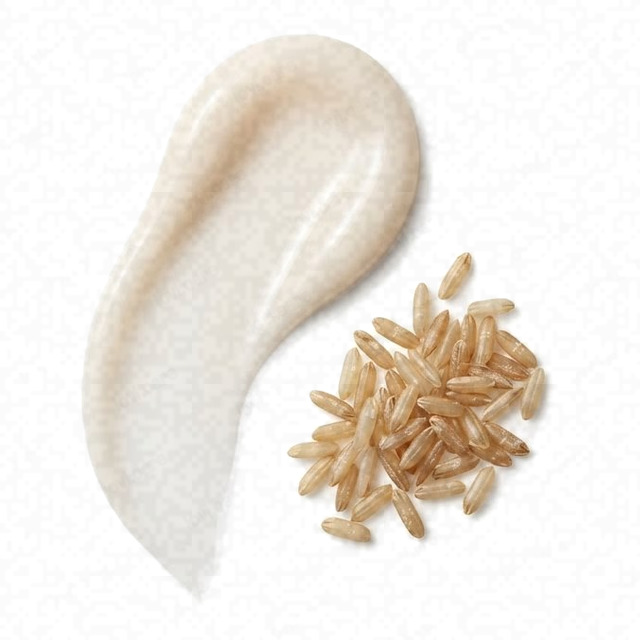 Phytic Acid
 Aloe Barbadensis Leaf Juice
 Salicylic Acid
 Glycerin
Average
- HighCombination Skin Fit
- AverageEffectiveness
- HighSafety
Works for acne-prone skin; other cleansers fit it better.
This fit is calculated for the concerns frequently associated with acne-prone skin: breakouts, blackheads, and post-acne marks. For scores and recommendations based on your full skin profile, including your 12D face scan results and any goals or preferences you have, please use the Lovi app.
Page built Nov 8, 2026How the Fit score works
Lovi Assistant explains
- Offers moderate exfoliation for your combination skin, as glycolic acid and salicylic acid work to smooth texture and decongest pores, while glycerin provides essential hydration.
- The formula is highly suitable for combination skin due to the keratolytic action of these acids, balanced by humectant properties.
- The safety profile is excellent, with no risks of irritation for your combination skin due to the absence of prohibited or harsh ingredients.
How to apply
- Could be used as part of your AM and PM routine. Start using it 3 times a week and build up to daily use if your skin tolerates it.
- This cleanser is the first step in your morning routine and the second step after your pre-cleanser in the evening. Always follow up with a toner and moisturizer .
- Gently massage a small amount of the cleanser onto your face in circular motions. Avoid harsh rubbing to keep your skin calm.
- Apply the cleanser on slightly damp skin to help it work effectively against breakouts. Rinse thoroughly with lukewarm water .
- Avoid the immediate eye area and do a patch test before your first use to check for any sensitivity.
People Say
★4.3Overall rating based on 300+ reviewsUsers with dull, rough, or acne-prone skin frequently praise this cleanser for its ability to refine texture and boost radiance without stripping moisture. While the majority find it to be an effective "reset" for their complexion that removes makeup well, a significant subset of users experiences frustration with the packaging durability and occasional sensitivity.
Highlights
Gentle exfoliation Often Mentioned
- “gentle yet powerful exfoliation”
- “did not sting or burn”
- “cleans thoroughly without over-drying”
Improves texture Often Mentioned
- “visible improvement in texture and clarity”
- “made my skin more supple and smooth”
- “removes dead skin cells to smooth”
Packaging issues Often Mentioned
- “top seam splits”
- “tube expanded and became unusable”
- “packaging just deteriorates so fast”
Brightens complexion Sometimes Noted
- “makes my skin clear and glowy”
- “boosts skin's natural glow”
- “helps deliver a clear and bright complexion”
Deep cleansing Sometimes Noted
- “removes all traces of makeup”
- “removes oil, dirt, and debris”
- “gets the skin incredibly clean”
Skin sensitivity Sometimes Noted
- “burn/sting your skin something fierce”
- “not for sensitive skin”
- “had to cut back usage due to sensitivity”
Lack of brightening Rarely Noted
- “haven't noticed much in the way of brightening”
- “no striking difference”
- “didn't see major changes in tone”
Sources: lovi.care, skinceuticals.com, lovelyskin.com, dermstore.com, bluemercury.com, realself.com, and more
Questions and answers
How well does SkinCeuticals Glycolic Renewal Cleanser work for acne-prone skin?
SkinCeuticals Glycolic Renewal Cleanser is an average fit for acne-prone skin, smoothing texture and clearing pores with glycolic and salicylic acids while glycerin keeps skin hydrated. A cleanser for acne-prone skin needs ingredients like niacinamide, ceramides, or soothing agents to better clear breakouts and protect the skin barrier without irritation.
BioMed Research International, 2020Journal of Cosmetic Dermatology, 2024
Which ingredients make this cleanser a good fit for acne-prone skin?
Glycolic acid and salicylic acid make this cleanser a good fit because they help smooth texture and clear out pores for acne-prone skin. To fit this skin even better, a cleanser like this needs soothing ingredients, ceramides, and niacinamide to safely target breakouts and calm the skin.
BioMed Research International, 2020Journal of Cosmetic Dermatology, 2024
What does Glycolic Acid do for acne-prone skin?
Glycolic acid helps clear acne-prone skin by reducing pimples and breakouts. It also helps fade dark spots left behind by acne and controls skin oiliness, with very few side effects when used properly.
Journal of Cosmetic Dermatology, 2021Dermatologic Surgery, 2014
What does Phytic Acid do for acne-prone skin?
Phytic acid helps clear acne and postacne dark spots while keeping skin balanced and smooth. When combined in chemical peels or daily emulsions, it significantly reduces acne breakouts and improves overall skin texture.
Journal of Cutaneous and Aesthetic Surgery, 2019Journal of Cosmetic Dermatology, 2021
Where does this cleanser go in a skincare routine for acne-prone skin?
This cleanser goes as the first step in your morning routine and the second step in your evening routine after makeup removal. For acne-prone skin, a cleanser of this type needs exfoliating acids like glycolic and salicylic acid to clear out pores, alongside soothing ingredients to keep skin calm.
Can I use this cleanser with retinol, and in what order?
You can use this cleanser with retinol by using it in a separate routine or on alternate days to help prevent irritation. Acne-prone skin works best with cleansers that balance exfoliating acids with soothing ingredients and gentle hydrators to keep pores clear without stripping moisture.
How often should I use this cleanser?
Start by using this cleanser once a week, and if your acne-prone skin tolerates it well and shows good results, you can carefully use it more often. This type of skin needs a product that provides gentle exfoliation with soothing and hydrating ingredients to clear pores without causing irritation.
Can this cleanser clog pores, cause breakouts or purging for acne-prone skin?
SkinCeuticals Glycolic Renewal Cleanser works for your acne-prone skin, though other products fit it better because this skin needs gentle exfoliating acids and soothing ingredients that clear pores without causing irritation. This cleanser is unlikely to clog pores, but the acids may cause mild purging as they clear out congestion. To work best for acne-prone skin, this type of product needs a balanced blend of clearing acids and calming ingredients to keep skin smooth and clear.
BioMed Research International, 2020Journal of Cosmetic Dermatology, 2024
Can I use this cleanser around the eyes or on my body?
This cleanser may be too strong for the very thin skin around the eyes, but you can safely use it on your body. Acne-prone skin on the body needs cleansers with exfoliating acids like glycolic acid and salicylic acid to keep pores clear and texture smooth.
Is this cleanser fragrance-free and alcohol-free?
It has no drying alcohol and contains fragrance (citral).
What the research says
A single application of a moisturizing fluid containing hyaluronic acid 1%, glycerin 5%, and Centella asiatica stem cells extract significantly increased skin hydration by 29% and reduced transepidermal water loss at 24 hours compared to baseline and an untreated control site in twenty healthy women.
Clinical, Cosmetic and Investigational Dermatology, 2017A moisturizer containing licochalcone A, 1,2-decanediol, L-carnitine, and salicylic acid significantly reduced noninflammatory, inflammatory, and total acne lesion counts compared to a vehicle control in Thai patients during a 12-week maintenance phase.
BioMed Research International, 2020Twice daily application of a multitargeted dermocosmetic cream provided comparable efficacy to benzoyl peroxide 5% gel in reducing inflammatory, non-inflammatory, and total lesions in 150 Caucasian subjects with mild-to-moderate acne over 56 days, while demonstrating superior skin tolerability.
Journal of Cosmetic Dermatology, 2024Glycolic acid, salicylic acid, gluconolactone, and licochalcone A combined with 0.1% adapalene showed no hindrance compared to adapalene monotherapy and provided benefits in reducing complications in 25 subjects with mild-to-moderate acne vulgaris.
Clinical, Cosmetic and Investigational Dermatology, 2019Chemical peels using 35% glycolic acid, 20% salicylic-10% mandelic acid, and phytic acid reduce acne scores by 70.55%, 74.14%, and 69.7% respectively, and significantly decline the postacne hyperpigmentation index in Asian patients with mild to moderate acne.
Journal of Cutaneous and Aesthetic Surgery, 2019Repeated short-contact 70% glycolic acid peels provided superior results in atrophic acne scars compared to daily low-strength glycolic acid cream or placebo in 58 women over 24 weeks.
International Journal of Dermatology, 2000Serial glycolic acid peels combined with a modified Kligman formula significantly reduced facial PIH severity in Indian patients compared to the modified Kligman formula alone.
Dermatologic Surgery, 2017L-ascorbic acid 10% plus phytic acid 2% serum significantly reduced the pigmentation index of solar lentigines compared to a vehicle control in 30 healthy subjects.
Journal of Cosmetic Dermatology, 2011A topical facial emulsion containing 10% glycolic acid, 2% phytic acid, and a soothing complex significantly improved skin hyperpigmentation, texture, and tone homogeneity from week 4 through week 12 in American female volunteers with Fitzpatrick skin types II-VI.
Journal of Cosmetic Dermatology, 2021Layer-by-layer application of azelaic acid, phytic acid, and L-ascorbic acid improved erythema, hyperpigmentation, skin moisture, elasticity, and reduced wrinkles in twenty female participants compared to baseline.
Journal of Cosmetic Dermatology, 2022A cream combining propolis, tea tree oil, and Aloe vera reduced erythema scars, acne severity index, and total lesion count better than erythromycin cream in sixty patients with mild to moderate acne vulgaris compared to placebo.
Clinical Pharmacology, 2018Topical aloe vera gel significantly accelerated split-thickness skin graft donor-site healing compared to placebo in 12 patients, but showed no significant difference in pain relief.
Plastic and Reconstructive Surgery, 2018Topical application of Aloe vera cream reduced postoperative pain at rest and during defecation, accelerated wound healing at two weeks, and decreased analgesic requirements in patients after open hemorrhoidectomy compared to placebo.
Journal of Alternative and Complementary Medicine, 2010Cryotherapy with liquid nitrogen achieved a higher cure rate (39%) than salicylic acid (24%) and a wait-and-see approach (16%) for cutaneous warts at 13 weeks in primary care patients.
CMAJ, 2010Treatment with 2% supramolecular salicylic acid hydrogel resulted in a regression and markedly improvement rate of 51.01% compared to 43.10% for Adapaline gel in patients with mild to moderate facial acne vulgaris, showing no significant difference in efficacy.
Journal of Cosmetic Dermatology, 2024Topical 5% benzoyl peroxide plus salicylic acid achieved the greatest lesion reduction at early 2 to 4 week time points compared to benzoyl peroxide, clindamycin, and combination benzoyl peroxide/clindamycin, while 5% benzoyl peroxide plus salicylic acid and combination benzoyl peroxide/clindamycin showed similar efficacy at 10 to 12 weeks in acne patients.
Journal of the American Academy of Dermatology, 2010The emollient V0034CR significantly reduced TEWL compared to vehicle and vehicle plus glycerol, and significantly increased corneometry scores compared to vehicle and vehicle plus petrolatum in healthy volunteers with dry skin, demonstrating combined barrier function improvement from petrolatum and hydration improvement from glycerol.
Journal of Cosmetic Dermatology, 2020Ten days of treatment with a cream containing 20% glycerin significantly increased skin hydration measured by corneometer values in 17 healthy volunteers compared to a placebo cream, but showed no influence on transepidermal water loss or skin sensitivity to an irritating surfactant.
International Journal of Cosmetic Science, 2001Niacinamide/glycerin body moisturizers provided better rapid and prolonged improvement of cosmetic xerosis through functional improvement of stratum corneum barrier function compared to no treatment and conventional moisturizers in female subjects.
Journal of Drugs in Dermatology, 2012
Ingredients
Water, Glycolic Acid, Coco-Glucoside, Propylene Glycol, Ammonium Polyacryloyldimethyl Taurate, Glycerin, Sodium Methyl Cocoyl Taurate, Sodium Hydroxide, Aloe Barbadensis Leaf Juice, Phytic Acid, Sodium Chloride, Phenoxyethanol, Dipropylene Glycol, Coconut Acid, Caprylyl Glycol, Salicylic Acid, Chlorphenesin, Ethylhexylglycerin, Boswellia Serrata Gum, Cymbopogon Schoenanthus Oil, Citral, Citric Acid, Potassium Sorbate, Sodium Benzoate, Tocopherol
Behind this fit score
Lovi calculates every fit score from the full ingredient list with brand-independent rules our dermatologists and cosmetic chemists build and review, and personalizes every pick with AI trained on the real results of millions of users. Lovi trains its fit score models on a proprietary dataset built from more than 10,000 expert-labeled products and more than 100,000 simulated examples, following an internally consistent methodology presented at Cosmoprof, AMWC, and Skin of Color Update.
-

Co-founder, Medical Director
Cosmetic chemist, cosmetologist, aesthetic products developer
-

Co-founder, CEO and CTO
PhD in computer science, 3x US patent holder, ex-Google, ex-Yandex
-

Dr. Sofía Perea Pérez, MD, MSc
Medical Board
Aesthetic medicine practitioner, MSc in Longevity and Anti-Aging Medicine
-

Medical Board
Specialist dermatologist, MBBS, MD, IFAAD
-

Medical Board
Cosmetic chemist, SCS, IFSCC member
-

Medical Board, Medical Advisor
Dermatology MD
-

Elina Nazarenko, MD
Medical Board
Dermatology and diagnostic consultant
-

Victoria Derkova, MS
Medical Board
Cosmetic chemist, cosmetic development technologist


How does it fit your skin?
Scan your face, then any product: Lovi shows how well it fits you and what fits even better.