Rodial Vit C Papaya Enzyme Scrub for skin with dark spots

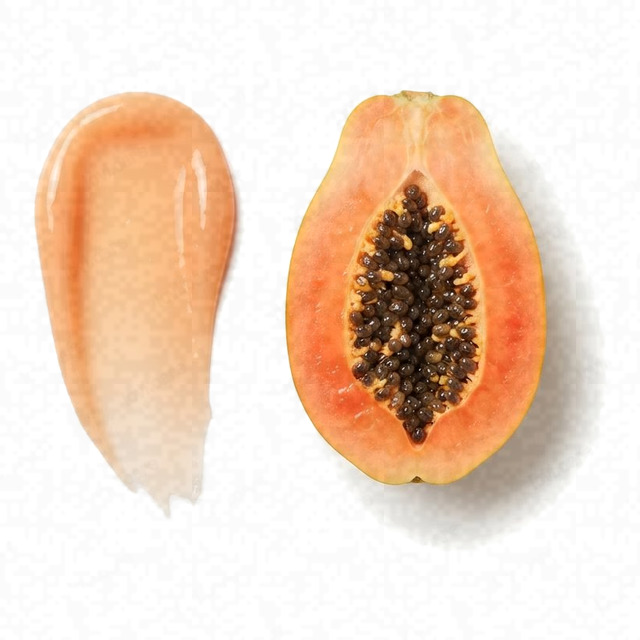 Papaya Enzymes
 Ascorbic Acid
 Sodium Hyaluronate
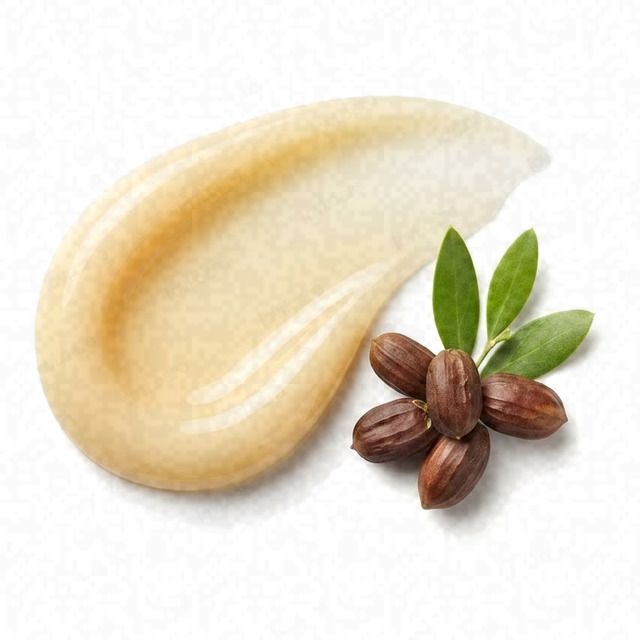 Hydrogenated Jojoba Oil
Average
- HighNormal Skin Fit
- AverageEffectiveness
- HighSafety
Works for skin with dark spots; other products fit it better.
This fit is calculated for the concerns frequently associated with dark spots: hyperpigmentation, sun spots, and uneven skin tone. For scores and recommendations based on your full skin profile, including your 12D face scan results and any goals or preferences you have, please use the Lovi app.
Page built Nov 8, 2026How the Fit score works
Lovi Assistant explains
- Offers moderate exfoliation and hydration suitable for your normal skin, with ingredients like papain from Lactobacillus Papaya Extract Fruit Ferment and Sodium Hyaluronate providing enzymatic exfoliation and humectant action respectively.
- While 3-O-Ethyl Ascorbic Acid is present for antioxidant benefits, its concentration may not be sufficient to significantly target your primary concern of pigmentation.
- The product is safe for your normal skin, as it lacks harsh ingredients and poses no irritation risks.
How to apply
- Use your exfoliant PM once a week to start, moving up to twice a week if your skin likes it. Always apply SPF during the day while using this product.
- Apply this exfoliant step right after your cleanser and toner, and before your moisturizer.
- Gently press 2-3 drops of the exfoliant into your skin and let it dry. Avoid rubbing your face hard.
- Apply the product on clean, completely dry skin to make sure it works best for your pigmentation goals.
- Remember to avoid the delicate eye area and do a quick patch test before using it for the first time.
People Say
★4.4Overall rating based on 1000+ reviewsThis gel-to-oil scrub is highly regarded for its gentle exfoliation, leaving skin brighter and with a healthy glow. Many users with sensitive skin appreciate its non-drying and hydrating properties. However, some users find the exfoliation too mild for rougher skin or significant congestion, and a few have noted the texture and price point could be improved.
Highlights
Gentle exfoliation Mostly Mentioned
- “gentle on my skin”
- “doesn't dry out the skin”
- “no micro-injuries”
- “good gentle exfoliator”
Brightening glow Often Mentioned
- “delivers a healthy glow”
- “brighter-looking complexion”
- “skin looks radiant”
- “leaves skin luminous”
Hydrating texture Sometimes Noted
- “keeps skin hydrated”
- “leaves skin smooth and polished”
- “nourishing gel-to-oil”
- “doesn't feel tight”
Pleasant scent Sometimes Noted
- “smells good”
- “citrus zing”
- “refreshing blend”
- “bright crisp scent”
Too gentle Sometimes Noted
- “don't notice much exfoliating”
- “didn't move the needle”
- “too gentle to do anything”
- “prefer a sugar scrub”
Price value Rarely Noted
- “ingredients are okay... prefer sugar scrub”
- “luxury price”
- “0/100 effectiveness (scientific review)”
Texture after-feel Rarely Noted
- “skin doesn't feel extremely soft”
- “didn't impact my skin”
- “slightly gritty texture”
Sources: lovi.care, ipsy.com, lookfantastic.com, thevelvetlife.com, wimj.com, rodial.com, and more
Questions and answers
How well does Rodial Vit C Papaya Enzyme Scrub work for skin with dark spots?
This scrub works moderately well for skin with dark spots, though other products fit it better. A product of this type needs a blend of effective antioxidants and soothing ingredients that provide significant benefits for dark spots without any risk of irritation.
Which ingredients make this exfoliant a good fit for skin with dark spots?
Papaya enzymes and Vitamin C help smooth and brighten your skin, while sodium hyaluronate keeps it soft and hydrated. To better target dark spots, this type of product needs a stronger blend of potent antioxidants and soothing ingredients that fade pigmentation without causing irritation.
What do Papaya Enzymes do for skin with dark spots?
Papaya enzymes help exfoliate the skin to gently clear away dead cells, which may help improve the look of dark spots over time. This type of product needs brightening ingredients like rice-derived components to help even out skin tone.
Journal of Cosmetic Dermatology, 2022Journal of Cosmetic Dermatology, 2022
What does Vitamin C do for skin with dark spots?
Vitamin C helps fade dark spots and brightens uneven skin. It works by slowing down pigment production and boosting overall skin clarity.
Journal of Cosmetic Dermatology, 2023Dermatologic Surgery, 2005
Where does this exfoliant go in a skincare routine for skin with dark spots?
This exfoliant treatment fits into a weekly skincare routine, starting at once a week and used more often if your skin tolerates it well. To better target dark spots, this skin needs products with higher amounts of brightening ingredients like vitamin C or specialized fading agents.
Can I use this exfoliant with retinol, and in what order?
You can use this exfoliant in the same routine as retinol, but it is best to alternate the nights you use them to keep your skin calm and avoid irritation. Using both strong treatments together can dry out your skin, so spacing them out helps your skin stay smooth and comfortable.
How often should I use this exfoliant?
Start using this exfoliant once a week, and if your skin feels comfortable and you see good results, you may carefully use it more often. Because this product works for dark spots only moderately, this skin needs treatments packed with strong brightening ingredients like vitamin C or kojic acid to significantly fade dark spots.
Can this exfoliant clog pores, cause breakouts or purging for skin with dark spots?
This exfoliant is unlikely to clog pores or cause breakouts on your skin. However, since it only offers an average fit for dark spots, this skin needs targeted brighteners like vitamin C and gentle exfoliants that deeply fade discoloration.
Is this exfoliant fragrance-free and alcohol-free?
It has no drying alcohol and contains fragrance (benzyl alcohol, parfum, limonene, linalool, geraniol, citral, and citronellol).
What the research says
Topical hyaluronic acid filler serum combined with Botulinum toxin type A lengthened the duration of the toxin's effect in reducing wrinkles compared to Botulinum toxin type A alone.
Dermatologic Therapy, 2022Hyaluronic acid extracts are safe and efficacious products for skin repair when used in tissue regeneration alone or in combination with herbal or Western medicine.
Journal of Pharmacy & Pharmaceutical Sciences, 2015Optimized transfersomes loaded with epigallocatechin-3-gallate and hyaluronic acid increased cell viability while reducing lipid peroxidation, intracellular ROS, and MMP expression in HaCaT cells, and exhibited higher skin permeation and deposition compared to plain EGCG.
Drug Delivery, 2017Topical papain treatment may slightly decrease pain within 30 minutes in humans stung by Chrysaora chinensis compared to placebo.
Wilderness & Environmental Medicine, 2016A fixed combination of hydroxypinacolone retinoate, retinol glycospheres, and papain glycospheres in aqueous gel applied once daily for 12 weeks achieved a 41% mean reduction in GAGS score and a 40.8% mean reduction in total lesions, with 15.3% of patients experiencing mild to moderate local side effects, in 94 evaluable patients with comedonal-papular, mild to moderate acne of the face.
Giornale Italiano Di Dermatologia E Venereologia, 2015Reflux extraction of Carica papaya leaves yielded higher antioxidant capacity and superior in vitro wound-healing activities including fibroblast proliferation, cell migration, and collagen synthesis in human skin fibroblasts compared to ultrasonic-assisted extraction and agitation.
Molecules, 2020Topical application of 5% vitamin C cream significantly improved global clinical scores, increased skin microrelief density, and induced elastic tissue repair in photoaged skin compared to excipient control in healthy female volunteers.
Experimental Dermatology, 2003Ascorbic acid 2-glucoside gel significantly reduced gingival melanin pigmentation after 4 weeks compared to placebo in 73 subjects with symmetric pigmentation.
Journal of Periodontology, 2009Topical application of VC-IP cream twice daily for 8 weeks reduces periorbital wrinkles in female subjects compared to a placebo cream.
Journal of Cosmetic Dermatology, 2022Topical application of 0.1% hyaluronic acid formulations of different molecular weights led to significant improvements in skin hydration and elasticity, with low-molecular-weight formulations also significantly reducing wrinkle depth in seventy-six female subjects compared to a vehicle control.
Journal of Drugs in Dermatology, 2011Topical application of hyaluronic acid in conjunction with free gingival graft significantly reduced donor site postoperative pain until day 7 compared to normal saline, with no significant differences in graft dimensions or patient satisfaction.
Clinical Oral Investigations, 2022Treatment with a hyaluronic acid-containing mouth rinse or topical gel led to significant lesion reduction, pain relief, and normalization of lesion color in adult patients with minor recurrent aphthous stomatitis, with the gel formulation showing an earlier healing onset at 3 days.
BMC Oral Health, 2019Clay jojoba oil facial masks reduced total skin lesions by a mean of 54% after 6 weeks in 133 participants with acne-prone, lesioned skin and mild acne compared to baseline.
Forschende Komplementarmedizin, 2012Topical application of jojoba wax reduced LPS-induced secretion of IL-6, IL-8, and TNFα by approximately 30% and increased the synthesis of pro-collagen III and hyaluronic acid compared to untreated skin in an ex-vivo human skin organ culture model.
Frontiers in Pharmacology, 2024Topical jojoba oil application in male mice decreased exercise-induced pro-inflammatory gene expression (Il-1b and Il-6 in soleus, Il-1b in gastrocnemius) compared to untreated exercised mice.
Biomolecules, 2025
Why other products fit skin with dark spots better
Niacinamide significantly decreased hyperpigmentation and increased skin lightness compared with vehicle alone after 4 weeks of use in women by inhibiting melanosome transfer.
The British Journal of Dermatology, 2002Daily application of a serum containing tetrahexyldecyl ascorbate and acetyl zingerone significantly decreased skin pigmentation, fine lines, wrinkles, and transepidermal water loss while increasing smoothness, firmness, and elasticity in 35 healthy individuals compared to baseline over 12 weeks.
Journal of Cosmetic Dermatology, 2024
Ingredients
Water, Peg-7 Glyceryl Cocoate, Poloxamer 188, Polysorbate 20, Ammonium Acryloyldimethyltaurate Vp Copolymer, Hydrogenated Jojoba Oil, Perlite, Lactobacillus Papaya Extract Fruit Ferment, Phenoxyethanol, Benzyl Alcohol, Citric Acid, Parfum, Limonene, Disodium Edta, Ethylhexylglycerin, 3-O-Ethyl Ascorbic Acid, Sodium Hyaluronate, Dehydroacetic Acid, Linalool, Leuconostoc Radish Root Ferment Filtrate, Bht, Geraniol, Citral, Citronellol, Amyl Cinnamal, Iron Oxides Ci 77492
Behind this fit score
Lovi calculates every fit score from the full ingredient list with brand-independent rules our dermatologists and cosmetic chemists build and review, and personalizes every pick with AI trained on the real results of millions of users. Lovi trains its fit score models on a proprietary dataset built from more than 10,000 expert-labeled products and more than 100,000 simulated examples, following an internally consistent methodology presented at Cosmoprof, AMWC, and Skin of Color Update.
-

Co-founder, Medical Director
Cosmetic chemist, cosmetologist, aesthetic products developer
-

Co-founder, CEO and CTO
PhD in computer science, 3x US patent holder, ex-Google, ex-Yandex
-

Dr. Sofía Perea Pérez, MD, MSc
Medical Board
Aesthetic medicine practitioner, MSc in Longevity and Anti-Aging Medicine
-

Medical Board
Specialist dermatologist, MBBS, MD, IFAAD
-

Medical Board
Cosmetic chemist, SCS, IFSCC member
-

Medical Board, Medical Advisor
Dermatology MD
-

Elina Nazarenko, MD
Medical Board
Dermatology and diagnostic consultant
-

Victoria Derkova, MS
Medical Board
Cosmetic chemist, cosmetic development technologist


How does it fit your skin?
Scan your face, then any product: Lovi shows how well it fits you and what fits even better.