Murad Retinol Youth Renewal Night Cream for acne-prone skin

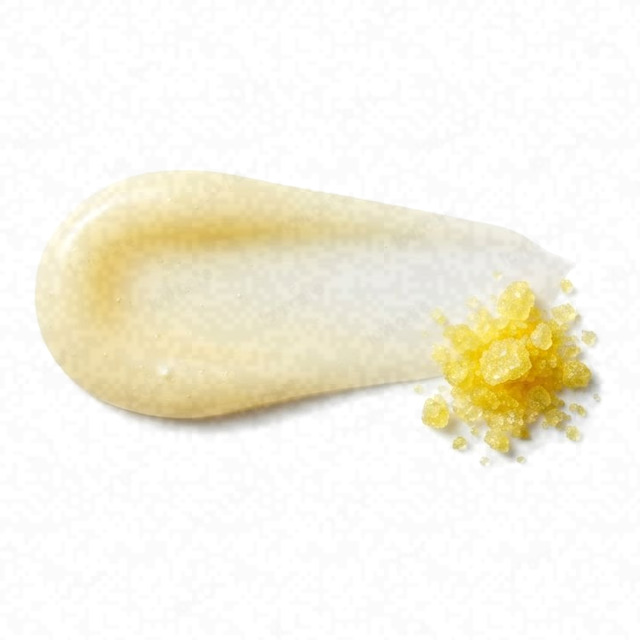 Retinol
 Niacinamide
 Sodium Hyaluronate
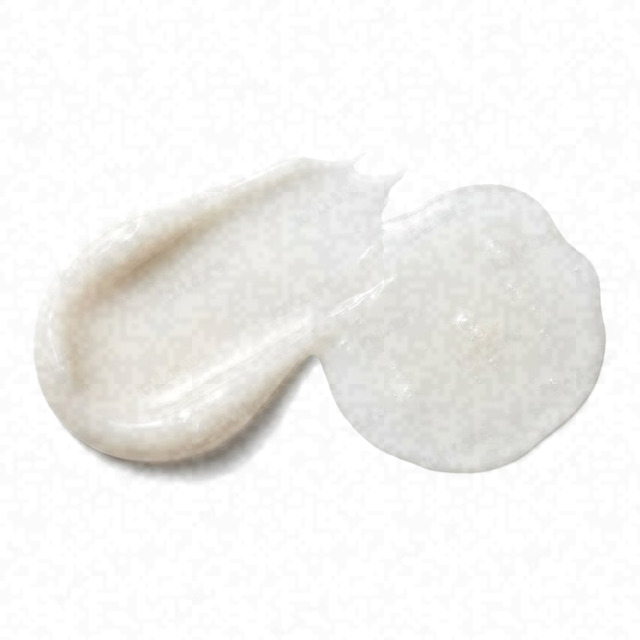 Hydrolyzed Yeast Extract
 Glycerin
High
- HighCombination Skin Fit
- AverageEffectiveness
- HighSafety
A great choice for acne-prone skin; a few moisturizers fit it even better.
- Clinical, Cosmetic and Investigational Dermatology, 2017
- International Journal of Cosmetic Science, 2017
This fit is calculated for the concerns frequently associated with acne-prone skin: breakouts, blackheads, and post-acne marks. For scores and recommendations based on your full skin profile, including your 12D face scan results and any goals or preferences you have, please use the Lovi app.
Page built Nov 8, 2026How the Fit score works
Lovi Assistant explains
- This formulation offers high suitability for your combination skin, as niacinamide helps regulate sebum and retinol aids in desquamation, which are beneficial for managing acne and breakouts.
- Sodium hyaluronate and glycerin provide essential hydration, supporting your skin's barrier function and overall health.
- The product is safe for your combination skin, with no identified risks of irritation due to the absence of harsh or prohibited ingredients.
How to apply
- Use your moisturizer twice a day in your AM and PM routines. Apply it daily to help keep breakouts under control.
- Apply after your cleanser and toner, and make sure to use your SPF right after in the morning.
- Gently spread a small amount of moisturizer over your face using soft motions. Let it absorb into the skin for a minute before getting dressed or applying makeup.
- Apply on slightly damp skin to help lock in extra moisture. This keeps your combination skin balanced without feeling heavy.
- Avoid the eye area and do a patch test before your first use. Stop using if you feel any irritation.
People Say
★4.5Overall rating based on 1.6k+ reviewsBased on a very large amount of data, users report this night cream effectively smooths fine lines and improves skin texture without the harsh irritation often associated with retinol. Many praise its hydrating, lightweight formula for creating a plump and radiant complexion, though a subset of users with sensitive skin experienced dryness or breakouts.
Highlights
Gentle and hydrating Mostly Mentioned
- “gentle enough to use every night”
- “doesn't dry out my skin”
- “no flake... skin looked soft”
Luxurious texture Often Mentioned
- “sinks in easily without leaving any residue”
- “creamy and light texture”
- “feels quite luxurious when you massage onto the skin”
Visible anti-aging Often Mentioned
- “diminished the fine lines and dark circles”
- “forehead wrinkles getting less noticeable”
- “skin looks soft, bouncy and happy”
Radiance and glow Sometimes Noted
- “skin will glow in the morning”
- “reduces uneven skin tone”
- “visibly reduces acne and clears skin”
High price point Sometimes Noted
- “product is costly but worth every penny”
- “definitely not worth the price”
- “expensive... quantity is very less”
Strong fragrance Sometimes Noted
- “get rid of the strong perfume”
- “fragrance is a little much for me”
- “good product, not a fan of fragrance”
Adverse reactions Rarely Noted
- “made my skin very dry”
- “works but dries out skin”
- “caused too much flaking and irritation”
Packaging issues Rarely Noted
- “pump wasn't really working as well anymore”
- “hard to tell how much is left”
- “dispenser clearly doesn't work”
Sources: lovi.care, ulta.com, kohls.com, dermstore.com, nykaa.com, sephora.co.uk, and more
Questions and answers
What makes Murad Retinol Youth Renewal Night Cream a great fit for acne-prone skin?
This cream is a great fit because niacinamide helps balance oil while retinol clears pores to manage breakouts, making it well-suited for acne-prone skin. At the same time, sodium hyaluronate and glycerin bring in essential hydration to keep the skin barrier healthy and comfortable.
Which ingredients make this cream a good fit for acne-prone skin?
Retinol and niacinamide make this cream a great fit for acne-prone skin because they help manage breakouts and regulate oil. Sodium hyaluronate and glycerin also support this by providing essential hydration.
What does Retinol do for acne-prone skin?
Retinol helps acne-prone skin by speeding up cell turnover and clearing pores to reduce breakouts. It regulates skin growth and fights inflammation, though it may cause some mild peeling or stinging when you first start using it.
Journal of Drugs in Dermatology, 2022The Journal of Dermatological Treatment, 2017
What does Niacinamide do for acne-prone skin?
Niacinamide helps acne-prone skin by reducing both inflamed and uninflamed breakouts and calming redness. It is also very helpful for keeping oily skin balanced by cutting down on excess oil production, and it is well tolerated by most people.
Where does this cream go in a skincare routine for acne-prone skin?
This cream goes in the evening routine as a moisturizing treatment applied after cleansing and toning, and before a final layer of moisturizer if needed. Treatments with active ingredients are placed in the evening for simplicity and extra safety around sun exposure.
Can I use this cream with vitamin C, and in what order?
You can use this cream with vitamin C by applying vitamin C in the morning and this cream at night, as using active ingredients separately helps lower the risk of skin irritation. This approach allows your skin to tolerate both products well while supporting a smooth and clear complexion.
How often should I use this cream?
This cream is a great fit for your acne-prone skin and is used in the evening as a nighttime treatment. Its retinol and niacinamide help manage breakouts and regulate oil, while sodium hyaluronate and glycerin keep skin hydrated with a low risk of irritation.
Journal of Cosmetic Dermatology, 2020Health Science Reports, 2021
Can this cream clog pores, cause breakouts or purging for acne-prone skin?
This cream is a great fit for acne-prone skin because niacinamide helps balance oil while retinol clears dead skin cells to manage breakouts. Sodium hyaluronate and glycerin add hydration to keep your skin healthy and strong, and the formula has a safe profile with a low likelihood of irritation.
Can I use this cream around the eyes or on my body?
This cream is generally suitable for the body, but the skin around the eyes is much thinner and may need extra caution with active ingredients like retinol. While the product has a safe profile, applying potent anti-aging treatments near the eyes can sometimes cause sensitivity.
Is this cream fragrance-free and alcohol-free?
It has no drying alcohol and contains fragrance (citronellol and parfum). Cetyl alcohol and oleyl alcohol are fatty alcohols, which soften the skin.
What the research says
A single application of a moisturizing fluid containing hyaluronic acid 1%, glycerin 5%, and Centella asiatica stem cells extract significantly increased skin hydration by 29% and reduced transepidermal water loss at 24 hours compared to baseline and an untreated control site in twenty healthy women.
Clinical, Cosmetic and Investigational Dermatology, 2017Topical 0.4% retinol significantly increased epidermal thickness, dermal vascularity, and extracellular matrix production by stimulating keratinocyte proliferation, endothelial cell proliferation, and fibroblast activation in naturally aged human skin compared to vehicle.
International Journal of Cosmetic Science, 2017Topical bakuchiol 0.5% applied twice daily compared with retinol 0.5% applied daily significantly decreased wrinkle surface area and hyperpigmentation with no statistical difference between the compounds in 44 patients over 12 weeks, while retinol users reported more facial skin scaling and stinging.
The British Journal of Dermatology, 2019Silicone particles encapsulating retinol increased its half-life by 9-fold and yielded 12-23% lower skin irritation in human subjects compared to Microsponge particles while maintaining biological activity.
Journal of Controlled Release, 2018Topical post-laser application of human adipocyte-derived mesenchymal stem cell media combined with niacinamide significantly improved wrinkle index, melanin index, patient satisfaction, and investigator esthetic improvement scores compared to vehicle cream in patients with aging skin.
Journal of Cosmetic Dermatology, 2021Topical nicotinamide prevented solar-simulated UV-induced immunosuppression in healthy volunteers, and men experienced immunosuppression at solar-simulated UV doses three times lower than those required for women.
The Journal of Investigative Dermatology, 2008Topical 5% niacinamide applied twice daily for 12 weeks reduced fine lines and wrinkles, hyperpigmented spots, red blotchiness, and skin sallowness, and improved skin elasticity compared to vehicle control in 50 female white subjects with facial photoaging.
Dermatologic Surgery, 2005Topical application of 0.1% hyaluronic acid formulations of different molecular weights led to significant improvements in skin hydration and elasticity, with low-molecular-weight formulations also significantly reducing wrinkle depth in seventy-six female subjects compared to a vehicle control.
Journal of Drugs in Dermatology, 2011Topical application of hyaluronic acid in conjunction with free gingival graft significantly reduced donor site postoperative pain until day 7 compared to normal saline, with no significant differences in graft dimensions or patient satisfaction.
Clinical Oral Investigations, 2022Treatment with a hyaluronic acid-containing mouth rinse or topical gel led to significant lesion reduction, pain relief, and normalization of lesion color in adult patients with minor recurrent aphthous stomatitis, with the gel formulation showing an earlier healing onset at 3 days.
BMC Oral Health, 2019Topical moisturizers improved skin barrier function and surface moisture, while a postbiotic moisturizer with yeast extract uniquely supported microbiome balance and modulated biomarkers of skin barrier, structure, and inflammation in participants and ex vivo explants exposed to environmental aggressors.
Journal of Clinical Medicine, 2023A maintenance therapy with a cosmeceutical formulation containing hydroxyphenoxy propionic acid, ellagic acid, yeast extract, and salicylic acid over 20 weeks significantly improved even skin tone, spot intensity, spot size, and overall hyperpigmentation in 33 healthy subjects with moderate facial dyspigmentation.
Journal of Drugs in Dermatology, 2015A methanol yeast extract increases proliferation and migration while decreasing entrance into senescence and apoptosis phases in 3T3 fibroblast cells.
Journal of Cosmetic Science, 2014The emollient V0034CR significantly reduced TEWL compared to vehicle and vehicle plus glycerol, and significantly increased corneometry scores compared to vehicle and vehicle plus petrolatum in healthy volunteers with dry skin, demonstrating combined barrier function improvement from petrolatum and hydration improvement from glycerol.
Journal of Cosmetic Dermatology, 2020Ten days of treatment with a cream containing 20% glycerin significantly increased skin hydration measured by corneometer values in 17 healthy volunteers compared to a placebo cream, but showed no influence on transepidermal water loss or skin sensitivity to an irritating surfactant.
International Journal of Cosmetic Science, 2001Niacinamide/glycerin body moisturizers provided better rapid and prolonged improvement of cosmetic xerosis through functional improvement of stratum corneum barrier function compared to no treatment and conventional moisturizers in female subjects.
Journal of Drugs in Dermatology, 2012
Ingredients
Water, Isostearyl Hydroxystearate, Niacinamide, Propanediol, Caprylic Capric Triglyceride, C14-22 Alcohols, Polymethylsilsesquioxane, Dimethicone, Cetyl Alcohol, Glyceryl Stearate, Hydrolyzed Yeast Extract, Isopropyl Palmitate, Retinol, Retinyl Propionate, Oleyl Alcohol, Sodium Hyaluronate, Serine, Hexyldecanol, Glycine Soja Extract Soybean Extract, Tocopheryl Acetate, Glycine Soja Soybean Sterols, Urea, Yeast Amino Acids, Trehalose, Inositol, Taurine, Betaine, Glycerin, Polyglucuronic Acid, C12-20 Alkyl Glucoside, Yam Root Extract, Pentylene Glycol, Glyceryl Polyacrylate, Algin, Caprylyl Glycol, Swertia Chirata Extract, Lecithin, Pullulan, Disodium Phosphate, Potassium Phosphate, Peg-75 Stearate, Ceteth-20, Steareth-20, Cetyl Hydroxyethylcellulose, Phenoxyethanol, Ethylhexylglycerin, Picolinamide, Disodium Edta, Sodium Hydroxide, Hexylene Glycol, Sodium Benzotriazolyl Butylphenol Sulfonate, Ammonium Acryloyldimethyltaurate Vp Copolymer, Yellow 5 Ci 19140, Red 4 Ci 14700, Alpha-Isomethyl Ionone, Citronellol, Parfum
Behind this fit score
Lovi calculates every fit score from the full ingredient list with brand-independent rules our dermatologists and cosmetic chemists build and review, and personalizes every pick with AI trained on the real results of millions of users. Lovi trains its fit score models on a proprietary dataset built from more than 10,000 expert-labeled products and more than 100,000 simulated examples, following an internally consistent methodology presented at Cosmoprof, AMWC, and Skin of Color Update.
-

Co-founder, Medical Director
Cosmetic chemist, cosmetologist, aesthetic products developer
-

Co-founder, CEO and CTO
PhD in computer science, 3x US patent holder, ex-Google, ex-Yandex
-

Dr. Sofía Perea Pérez, MD, MSc
Medical Board
Aesthetic medicine practitioner, MSc in Longevity and Anti-Aging Medicine
-

Medical Board
Specialist dermatologist, MBBS, MD, IFAAD
-

Medical Board
Cosmetic chemist, SCS, IFSCC member
-

Medical Board, Medical Advisor
Dermatology MD
-

Elina Nazarenko, MD
Medical Board
Dermatology and diagnostic consultant
-

Victoria Derkova, MS
Medical Board
Cosmetic chemist, cosmetic development technologist


How does it fit your skin?
Scan your face, then any product: Lovi shows how well it fits you and what fits even better.