Aveeno Positively Mineral Sensitive Skin Sunscreen Lotion SPF 50 for acne-prone skin

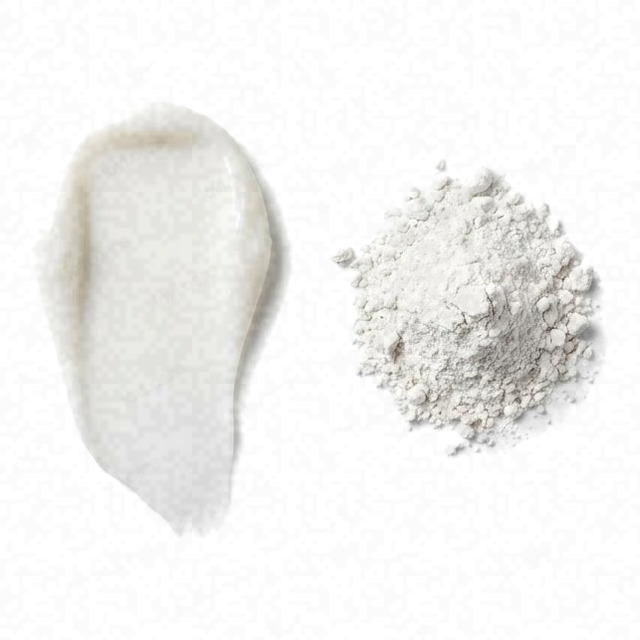 Zinc Oxide
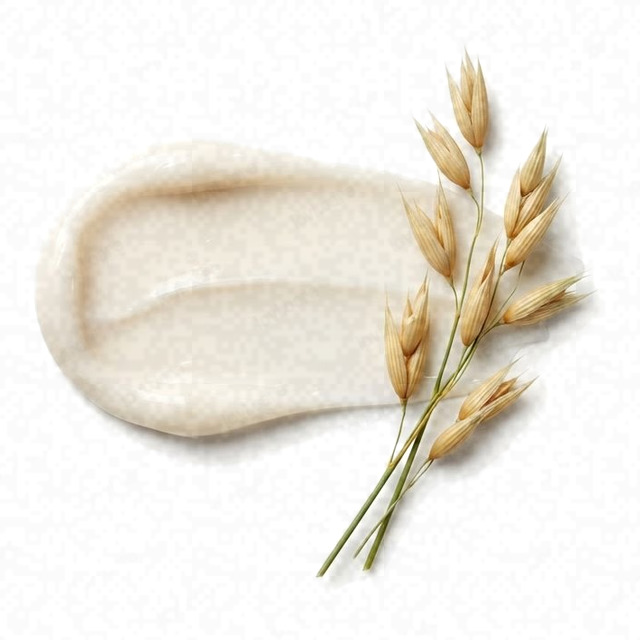 Avena Sativa Kernel Flour Oat Kernel Flour
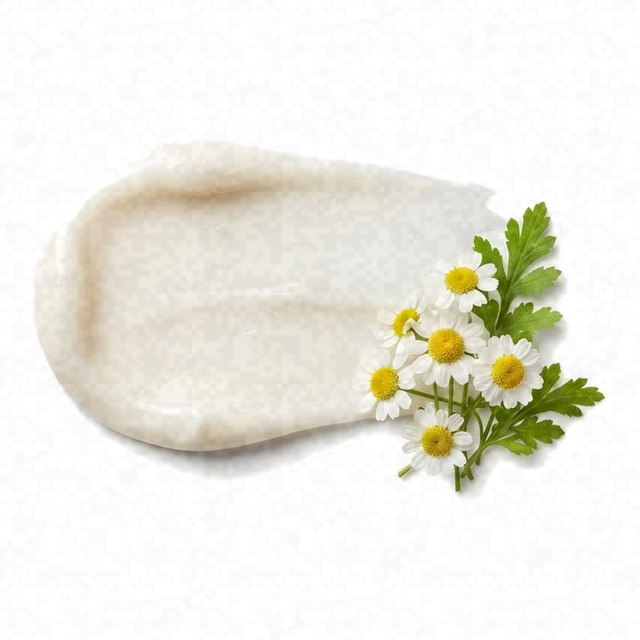 Chrysanthemum Parthenium Flower Leaf Stem Juice
 Glycerin
 Dimethicone
High
- HighCombination Skin Fit
- HighEffectiveness
- HighSafety
One of the best sunscreens for acne-prone skin.
This fit is calculated for the concerns frequently associated with acne-prone skin: breakouts, blackheads, and post-acne marks. For scores and recommendations based on your full skin profile, including your 12D face scan results and any goals or preferences you have, please use the Lovi app.
Page built Nov 8, 2026How the Fit score works
Lovi Assistant explains
- Highly suitable for your combination skin, the zinc oxide and oat kernel flour work synergistically to soothe inflammation and protect your skin barrier, addressing your acne and breakouts effectively.
- The inclusion of zinc oxide also provides excellent broad-spectrum UV protection, which is beneficial for preventing post-inflammatory hyperpigmentation.
- The formula is safe for your skin, as it contains no harsh or irritating ingredients.
How to apply
- Apply this sunscreen every morning as the final step of your skincare routine. Reapply every two hours if you are outdoors for best protection against breakouts.
- Apply the sunscreen after your moisturizer and before applying any makeup. Let it absorb completely ⏱ before going outside.
- Take a nickel-sized amount and gently pat it evenly across your face and neck. Avoid rubbing aggressively to keep your combination skin calm.
- Apply the sunscreen on clean, dry skin to ensure an even protective layer. This helps manage excess shine without clogging your pores.
- Avoid the immediate eye area and do a quick patch test before first use. Stop using it if you notice any irritation and consult a specialist.
People Say
★4.1Overall rating based on 300+ reviewsA significant number of reviewers note that the formula is thick and leaves a noticeable white cast, which can be difficult to blend and may not be ideal for darker skin tones without makeup.
Highlights
Strong white cast Mostly Mentioned
- “ghostly face”
- “purple on dark skin”
- “looks chalky”
- “very white residue”
Clean ingredient profile Often Mentioned
- “fragrance-free”
- “100% mineral”
- “natural zinc oxide”
- “safe ingredients”
Gentle on sensitive skin Often Mentioned
- “no stinging eyes”
- “didn't cause rash”
- “soothing oat formula”
Thick, heavy texture Often Mentioned
- “hard to spread”
- “paste-like consistency”
- “difficult to blend”
- “drags on skin”
Effective sun protection Sometimes Noted
- “prevented sunburn”
- “stayed on while swimming”
- “great coverage”
- “reliable block”
Matte, non-greasy finish Sometimes Noted
- “dries down matte”
- “not oily”
- “no greasy residue”
- “good under makeup”
Difficult to remove Sometimes Noted
- “requires scrubbing”
- “needs oil cleanser”
- “leaves waxy film”
- “water-resistant coating”
Drying over time Rarely Noted
- “clings to dry patches”
- “felt tight later”
- “emphasized texture”
- “drying for dry skin”
Sources: lovi.care, aveeno.com, walmart.com, target.com, kroger.com, influenster.com, and more
Questions and answers
What makes Aveeno Positively Mineral Sensitive Skin Sunscreen SPF 50 a great fit for acne-prone skin?
This sunscreen is a great fit because the zinc oxide and oat kernel flour work together to calm redness and protect your skin barrier while guarding against breakouts. Its gentle formula also helps prevent dark spots after acne heals without irritating your skin.
Which ingredients make this sunscreen a good fit for acne-prone skin?
Zinc oxide and oat kernel flour make this sunscreen a great fit by soothing angry breakouts and protecting your skin barrier. Zinc oxide also provides strong sun protection that helps prevent dark spots where acne has healed.
What does Zinc Oxide do for acne-prone skin?
Zinc oxide helps calm acne-prone skin by reducing breakouts, redness, and the bacteria linked to pimples. Studies show that using it on your skin is generally safe and unlikely to cause irritation.
What does Avena Sativa Kernel Flour do for acne-prone skin?
Avena Sativa Kernel Flour helps calm angry, irritated skin and supports a healthy skin barrier. While it is often used to soothe dry and itchy areas, acne-prone skin still needs ingredients that keep pores clear and balance oil.
Journal of Drugs in Dermatology, 2015Journal of Drugs in Dermatology, 2016
Where does this sunscreen go in a skincare routine for acne-prone skin?
This sunscreen goes as the last step of your morning skincare routine, right after your moisturizer. It protects your skin from UV rays and helps prevent dark spots after breakouts without causing irritation.
Can I use this sunscreen with retinol, and in what order?
You can use this sunscreen in the morning as the final step of your routine, after applying your moisturizer. It is safe for acne-prone skin and helps protect your skin barrier while preventing dark spots from breakouts.
How often should I use this sunscreen?
Apply this sunscreen every morning as the final step in your daytime skincare routine. Using it daily helps protect your skin barrier, calm breakouts, and prevent dark spots from old blemishes.
Can this sunscreen clog pores, cause breakouts or purging for acne-prone skin?
This sunscreen is a great fit for acne-prone skin because zinc oxide and oat kernel flour soothe inflammation and protect your skin barrier while preventing breakouts. It is unlikely to cause purging since it contains no exfoliating acids, though some reviewers do mention a thick texture.
Is this sunscreen fragrance-free and alcohol-free?
Yes, it has no fragrance and no drying alcohol.
What the research says
Topical 0.5% hyaluronic-ZnO nanogel applied twice daily reduced inflammatory-lesion counts by 58% at week four in human subjects compared to baseline without causing erythema.
Biomedicines, 2025Nels cream achieved a similar reduction in inflammatory and noninflammatory lesion counts compared to 5% benzoyl peroxide in acne vulgaris patients, but caused significantly fewer side-effects such as peeling and dryness.
Clinical and Experimental Dermatology, 2000Topically applied coated and uncoated zinc oxide nanoparticles under flexing and massage are retained in the stratum corneum with no significant penetration into the viable epidermis and no cellular toxicity in human skin.
Nanomedicine, 2016A repair cream containing Rhealba oat plantlets extract, l-ALA-l-GLU dipeptide, and hyaluronic acid provided immediate relief and was judged by doctors as good or very good in 96.8% of cases for wound healing in 2,363 patients following dermatological acts.
Clinical, Cosmetic and Investigational Dermatology, 2018Topically applied Avena sativa and Avena Rhealba oatmeal extracts significantly reduced skin irritation parameters including a* parameter increase and blood flow increase compared to vehicle in 12 healthy individuals subjected to the sodium lauryl sulfate irritation model.
Skin Pharmacology and Applied Skin Physiology, 2002Colloidal oat extracts diminished pro-inflammatory cytokines in vitro and colloidal oat lotion improved skin dryness, scaling, roughness, and itch intensity in healthy female subjects compared to baseline.
Journal of Drugs in Dermatology, 2015Topical parthenolide-depleted Feverfew extract protected skin by scavenging free radicals, restoring antioxidants, and significantly reducing UV-induced erythema compared to placebo in a clinical study.
Archives of Dermatological Research, 2008Parthenolide and magnolol, as NF-kappaB inhibitors, effectively blocked UVB-induced gene expression, production of MMP-1 and bFGF, and proliferation of keratinocytes and melanocytes.
Current Drug Metabolism, 2010A purified parthenolide-depleted feverfew extract protects skin cells from UV-induced DNA damage by inducing Nrf2 nuclear translocation and ARE activity via a PI3-kinase-dependent pathway.
Journal of Dermatological Science, 2013A single application of a moisturizing fluid containing hyaluronic acid 1%, glycerin 5%, and Centella asiatica stem cells extract significantly increased skin hydration by 29% and reduced transepidermal water loss at 24 hours compared to baseline and an untreated control site in twenty healthy women.
Clinical, Cosmetic and Investigational Dermatology, 2017The emollient V0034CR significantly reduced TEWL compared to vehicle and vehicle plus glycerol, and significantly increased corneometry scores compared to vehicle and vehicle plus petrolatum in healthy volunteers with dry skin, demonstrating combined barrier function improvement from petrolatum and hydration improvement from glycerol.
Journal of Cosmetic Dermatology, 2020Ten days of treatment with a cream containing 20% glycerin significantly increased skin hydration measured by corneometer values in 17 healthy volunteers compared to a placebo cream, but showed no influence on transepidermal water loss or skin sensitivity to an irritating surfactant.
International Journal of Cosmetic Science, 2001Wearing an N95 mask alone compared to using dimethicone cream or hydrocolloid dressing caused more adverse skin reactions among 73 military health care workers, with no significant differences in fit test failure rates between groups.
Military Medicine, 2024A dimethicone skin protectant lotion significantly decreased visual scoring and transepidermal water loss compared to vehicle control and SLS-only treated sites in 12 healthy humans exposed to sodium lauryl sulfate.
Skin Research and Technology, 2000Treatment with a moisturizer containing dimethicone and glycerine increased epidermal thickness by 0.019 mm, improved barrier function by decreasing transepidermal water loss by 13%, decreased melanin intensity, and induced keratins 6 and 16 in fifteen women with moderately photoaged forearms.
Clinical and Experimental Dermatology, 2007
Ingredients
Zinc Oxide, Water, C12-15 Alkyl Benzoate, Styrene Acrylates Copolymer, Octyldodecyl Citrate Crosspolymer, Phenyl Trimethicone, Cetyl Peg Ppg-10 1 Dimethicone, Dimethicone, Glycerin, Polyhydroxystearic Acid, Ethyl Methicone, Silica, Cetyl Dimethicone, Triethoxycaprylylsilane, Phenoxyethanol, Glyceryl Behenate, Sodium Chloride, Acrylates Dimethicone Copolymer, Chlorphenesin, Phenethyl Alcohol, Avena Sativa Kernel Flour Oat Kernel Flour, Caprylyl Glycol, Cetyl Dimethicone Bis-Vinyldimethicone Crosspolymer, Tocopheryl Acetate, Chrysanthemum Parthenium Flower Leaf Stem Juice
Behind this fit score
Lovi calculates every fit score from the full ingredient list with brand-independent rules our dermatologists and cosmetic chemists build and review, and personalizes every pick with AI trained on the real results of millions of users. Lovi trains its fit score models on a proprietary dataset built from more than 10,000 expert-labeled products and more than 100,000 simulated examples, following an internally consistent methodology presented at Cosmoprof, AMWC, and Skin of Color Update.
-

Co-founder, Medical Director
Cosmetic chemist, cosmetologist, aesthetic products developer
-

Co-founder, CEO and CTO
PhD in computer science, 3x US patent holder, ex-Google, ex-Yandex
-

Dr. Sofía Perea Pérez, MD, MSc
Medical Board
Aesthetic medicine practitioner, MSc in Longevity and Anti-Aging Medicine
-

Medical Board
Specialist dermatologist, MBBS, MD, IFAAD
-

Medical Board
Cosmetic chemist, SCS, IFSCC member
-

Medical Board, Medical Advisor
Dermatology MD
-

Elina Nazarenko, MD
Medical Board
Dermatology and diagnostic consultant
-

Victoria Derkova, MS
Medical Board
Cosmetic chemist, cosmetic development technologist


How does it fit your skin?
Scan your face, then any product: Lovi shows how well it fits you and what fits even better.