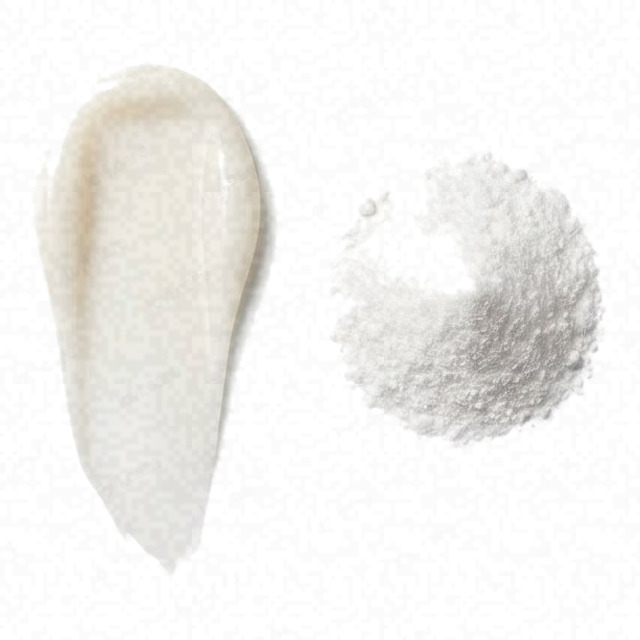
A'pieu Enzyme Powder Wash for oily acne-prone skin

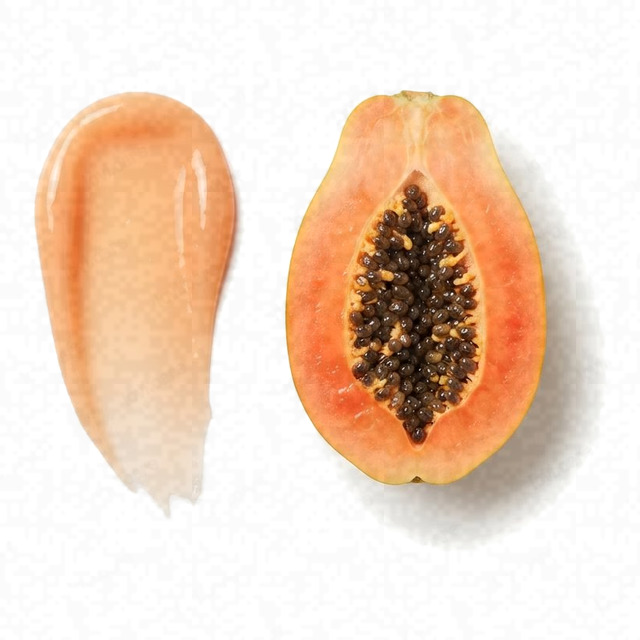 Papain
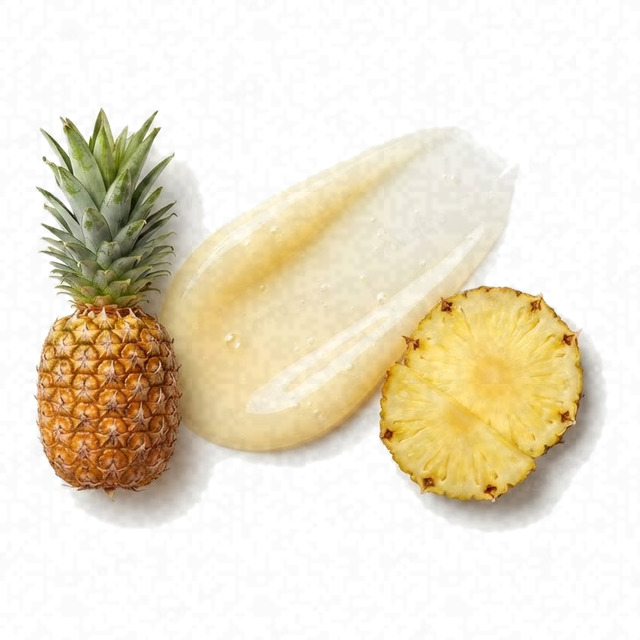 Bromelain
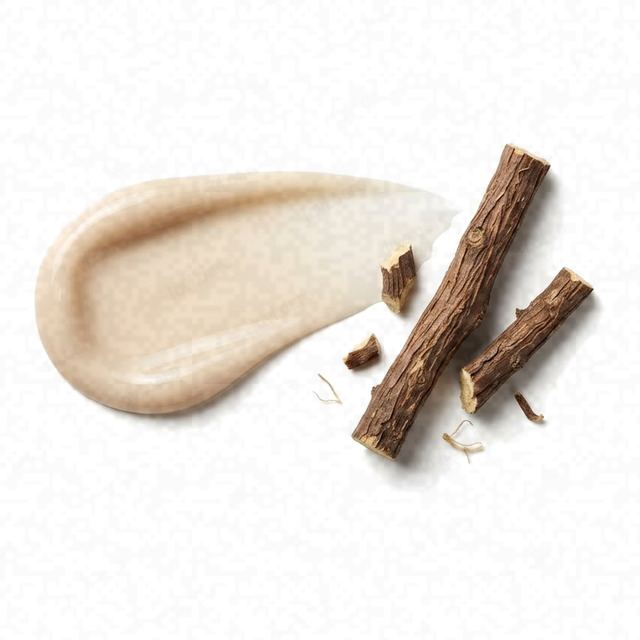 Dipotassium Glycyrrhizate
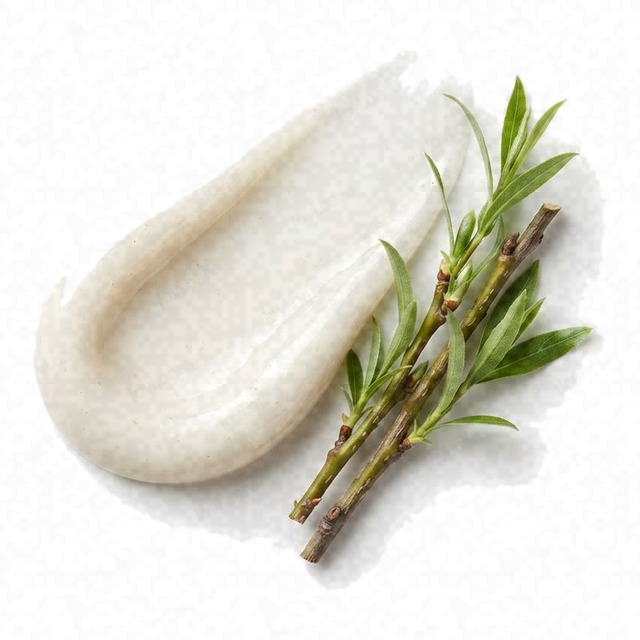 Willow Bark Extract
 Sodium Lauroyl Aspartate
Average
- HighOily Skin Fit
- AverageEffectiveness
- ExcellentSafety
Works for oily acne-prone skin; other products fit it better.
This fit is calculated for the concerns frequently associated with oily acne-prone skin: shine, breakouts, blemishes, and enlarged pores. For scores and recommendations based on your full skin profile, including your 12D face scan results and any goals or preferences you have, please use the Lovi app.
Page built Nov 8, 2026How the Fit score works
Lovi Assistant explains
- Offers moderate exfoliation for your oily skin, as papain and aspergillus ferment work to smooth texture and regulate sebum, but these ingredients are not specifically targeted for your primary concerns of acne, blemishes, and breakouts.
- Dipotassium glycyrrhizate and willow bark extract provide soothing and keratolytic benefits, which are supportive for oily skin.
- The product is safe for your skin due to the absence of harsh ingredients and the inclusion of soothing components.
How to apply
- Use your enzyme powder cleanser PM once a week to start, then increase frequency if your skin tolerates it well. Always apply SPF during the day since exfoliating products can make skin sensitive to the sun.
- Apply this enzyme powder cleanser in your weekly routine after the standard cleanser and before your hydrating toner and moisturizer. This step helps clear away dead skin cells.
- Mix the powder with a little water in your hands to create a gentle foam , then massage it softly onto your face while avoiding harsh rubbing.
- Apply the enzyme powder cleanser on slightly damp skin to help activate the formula effectively. Make sure your face is clean from makeup before starting.
- Avoid the delicate eye area and do a patch test before your first use. Do not mix this with strong acids or retinoids in the same routine to prevent irritation.
People Say
★4.8Overall rating based on 100+ reviewsBased on limited data, this exfoliating cleanser was a cult favorite, highly praised for its gentle exfoliation and non-stripping, hydrating properties, leaving skin soft and bright. It was particularly effective for sensitive and acne-prone skin in removing dead skin cells and sebum. Users frequently lament its discontinuation and difficulty in finding it.
Highlights
Gentle exfoliation Mostly Mentioned
- “Particles are fine and incredibly gentle”
- “Mild enough for daily use”
- “Exfoliates without making skin feel squeaky clean”
Discontinued, hard to find Mostly Mentioned
- “Heartbreaking that this perfect product has been discontinued”
- “Gone for good”
- “Can't get our hands on it anymore”
Good value Often Mentioned
- “Shockingly affordable”
- “Price is incredibly wallet-friendly”
- “Generous quantity”
Non-stripping, hydrating Often Mentioned
- “No tightness after cleansing”
- “Skin doesn't feel dry or tight”
- “Leaves skin feeling velvety”
Deep cleansing Sometimes Noted
- “Removes excess sebum”
- “Cleansing effectiveness is excellent”
- “Face feels fresh and bright”
Packaging issues Sometimes Noted
- “Lid feels a bit flimsy”
- “Vulnerable to moisture”
- “Easy to use too much product”
Scent not for all Rarely Noted
- “Scent isn't great”
- “Typical for fermented products”
- “Unique scent”
Sources: lovi.care, hwahae.co.kr, reddit.com, yesstyle.com, ebay.com, and more
Questions and answers
How well does A'pieu Enzyme Powder Wash work for oily acne-prone skin?
A'pieu Enzyme Powder Wash works moderately well for oily acne-prone skin, as it smooths texture and helps calm oiliness, but it lacks targeted ingredients for breakouts. To fit this skin better, a cleanser needs high-quality ingredients that actively address acne and blemishes while maintaining a balanced, calm complexion.
Journal of Cosmetic Dermatology, 2019Giornale Italiano Di Dermatologia E Venereologia, 2015
Which ingredients make this cleanser a good fit for oily acne-prone skin?
Papain, aspergillus ferment, dipotassium glycyrrhizate, and willow bark extract help smooth texture, regulate oil, and calm your skin. For a better fit on oily acne-prone skin, a cleanser needs ingredients like salicylic acid or niacinamide that directly target acne and blemishes while maintaining a balanced, clear complexion.
Journal of Cosmetic Dermatology, 2019Giornale Italiano Di Dermatologia E Venereologia, 2015
What does Papain do for oily acne-prone skin?
Papain helps clear oily acne-prone skin by gently exfoliating the surface and breaking down dead skin cells that can clog pores. This gentle smoothing action may reduce breakouts and blemishes, though some people might experience mild irritation as the skin adjusts.
Giornale Italiano Di Dermatologia E Venereologia, 2015International Journal of Cosmetic Science, 2022
What does Bromelain do for oily acne-prone skin?
Bromelain helps calm swelling and clears away dead layers that can clog pores, making it useful for oily, acne-prone skin. Because individual results vary, this type of skin needs ingredients that control oil and soothe irritation to stay clear and smooth.
Where does this cleanser go in a skincare routine for oily acne-prone skin?
This enzyme powder cleanser is used once a week in the evening routine. For oily and acne-prone skin, this type of product needs ingredients that specifically target blemishes, breakouts, and clear pores.
Can I use this cleanser with retinol, and in what order?
You can use this cleanser in your routine when using retinol, but use them on separate days or times since both exfoliate the skin and may cause irritation. This product is safe to use as it contains no harsh ingredients and includes soothing components. For oily acne-prone skin, a cleanser of this type needs acne-targeting ingredients like salicylic acid or benzoyl peroxide.
How often should I use this cleanser?
Start by using this enzyme powder cleanser once a week, and if your skin tolerates it well and you see good results, you can carefully use it more often. An oily acne-prone skin type needs a cleanser with targeted ingredients like salicylic acid or benzoyl peroxide to effectively clear breakouts.
Can this cleanser clog pores, cause breakouts or purging for oily acne-prone skin?
This cleanser is unlikely to clog pores or cause breakouts for oily acne-prone skin, as it is generally safe and helps calm skin, though it may not actively target your primary concerns of acne and blemishes. Oily acne-prone skin typically needs targeted ingredients like salicylic acid or benzoyl peroxide to effectively clear pores and prevent breakouts.
Journal of Cosmetic Dermatology, 2019Acta Biomaterialia, 2022
Is this cleanser fragrance-free and alcohol-free?
Yes, it has no fragrance and no drying alcohol.
What the research says
A botanical face cleanser with hops and willow bark extract continuously reduced skin sebum levels without reactive seborrhea after treatment in 21 healthy volunteers compared to a sodium laureth sulfate cleanser, with neither cleanser causing skin irritation.
Journal of Cosmetic Dermatology, 2019Dipotassium glycyrrhizinate-loaded hydroxypropyl chitosan and poly(N-isopropylacrylamide) hydrogels applied to wounds in a mouse full-thickness skin defect model resulted in rapid wound closure, efficient tissue remolding, collagen deposition, and decreased inflammation compared to commercial Tegaderm film and 3M dressing controls.
Acta Biomaterialia, 2022A fixed combination of hydroxypinacolone retinoate, retinol glycospheres, and papain glycospheres in aqueous gel applied once daily for 12 weeks achieved a 41% mean reduction in GAGS score and a 40.8% mean reduction in total lesions, with 15.3% of patients experiencing mild to moderate local side effects, in 94 evaluable patients with comedonal-papular, mild to moderate acne of the face.
Giornale Italiano Di Dermatologia E Venereologia, 2015Topical papain treatment may slightly decrease pain within 30 minutes in humans stung by Chrysaora chinensis compared to placebo.
Wilderness & Environmental Medicine, 2016Reflux extraction of Carica papaya leaves yielded higher antioxidant capacity and superior in vitro wound-healing activities including fibroblast proliferation, cell migration, and collagen synthesis in human skin fibroblasts compared to ultrasonic-assisted extraction and agitation.
Molecules, 2020Carica papaya leaf extracts obtained via supercritical fluid and conventional methods demonstrated antioxidant and cytoprotective effects on skin fibroblasts against oxidative stress, driven by their respective lipophilic and hydrophilic constituents.
Molecules, 2021Oral bromelain slightly reduced pain compared to controls (mean difference -0.27) and topical bromelain reduced time to complete debridement by 6.89 days, with no major health risks reported.
Nutrition and Health, 2023An upcycled pineapple leaf fibre crosspolymer forms a physical barrier that protects against environmental aggressors while providing antioxidant, anti-inflammatory, antipollution, UV protection, hydration, and hair benefits.
International Journal of Cosmetic Science, 2026A coaxial electrospun core-shell nanofiber scaffold delivering bromelain and salvianolic acid B demonstrated sustained drug release, in vitro endothelial cell migration, increased capillary formation in an in ovo assay, and in vivo efficacy for skin regeneration and wound healing.
Biomedical Materials, 2017Combining 755 nm alexandrite laser with topical licorice gel significantly reduces terminal hair counts compared to alexandrite laser with placebo in women with idiopathic hirsutism.
Evidence-based Complementary and Alternative Medicine, 2015Licochalcone A activated Nrf2 signaling, elevated cytoprotective enzymes, increased the reduced-to-oxidized glutathione ratio, and decreased reactive oxygen species in human fibroblasts and neutrophils, while a LicA-rich licorice extract lowered UVA-induced oxidative processes in vivo.
Experimental Dermatology, 2015Bioactive glycyrrhizic acid and oxymatrine ionic liquid self-assembled nanomicelles significantly promoted the transdermal permeation, subcutaneous retention, and anti-photoaging efficacy of palmitoyl pentapeptide-4 in cellular and animal models compared to unformulated peptide.
Advanced Science, 2025Bioactive lipid nanocarriers co-loaded with willow bark or ivy leaf extracts and UV-filters provided pronounced UVA photoprotection up to an SPF-equivalent value of 13 and a maximum in vivo skin hydration effect of 97% when prepared with pomegranate oil.
Nanomaterials, 2022A topical serum containing 0.5% salicin applied twice daily reduced visible signs of skin aging, including wrinkles and tactile roughness, in 30 female subjects over 12 weeks compared to baseline.
Journal of Cosmetic Dermatology, 2010A novel emulsion containing niacinamide, lens esculenta seed extract, and white willow bark extract effectively improved acne, blackheads, and conspicuous facial pores in 30 subjects with oily skin.
Journal of Cosmetic Dermatology, 2024
Why other products fit oily acne-prone skin better
Two percent supramolecular salicylic acid showed similar efficacy to 0.01% adapalene plus 5% benzoyl peroxide in reducing acne lesions in 31 patients over 28 days.
Cutaneous and Ocular Toxicology, 2019Chemical peels with 30% supramolecular salicylic acid effectively treated acne and reduced facial sebum secretion while improving skin hydration and barrier function in 25 patients.
Journal of Cosmetic Dermatology, 2022A moisturizing cream containing 2% l-carnitine and 5% EGCG significantly reduced sebum levels and improved skin hydration in ninety subjects with seborrhea over 4 weeks, showing greater anti-sebum efficacy in the combination group compared to the l-carnitine group alone.
Journal of Cosmetic Dermatology, 2023
Ingredients
2-Hexanediol, Dipotassium Glycyrrhizate, Lauric Acid, Maltodextrin, Sodium Lauroyl Aspartate, Sodium Isethionate, Sodium Cocoyl Isethionate, Zea Mays Starch, Water, Butylene Glycol, Willow Bark Extract, Willow Leaf Extract, Sodium Palmitate, Sodium Metabisulfite, Papain, Aspergillus Ferment, Titanium Dioxide
Behind this fit score
Lovi calculates every fit score from the full ingredient list with brand-independent rules our dermatologists and cosmetic chemists build and review, and personalizes every pick with AI trained on the real results of millions of users. Lovi trains its fit score models on a proprietary dataset built from more than 10,000 expert-labeled products and more than 100,000 simulated examples, following an internally consistent methodology presented at Cosmoprof, AMWC, and Skin of Color Update.
-

Co-founder, Medical Director
Cosmetic chemist, cosmetologist, aesthetic products developer
-

Co-founder, CEO and CTO
PhD in computer science, 3x US patent holder, ex-Google, ex-Yandex
-

Dr. Sofía Perea Pérez, MD, MSc
Medical Board
Aesthetic medicine practitioner, MSc in Longevity and Anti-Aging Medicine
-

Medical Board
Specialist dermatologist, MBBS, MD, IFAAD
-

Medical Board
Cosmetic chemist, SCS, IFSCC member
-

Medical Board, Medical Advisor
Dermatology MD
-

Elina Nazarenko, MD
Medical Board
Dermatology and diagnostic consultant
-

Victoria Derkova, MS
Medical Board
Cosmetic chemist, cosmetic development technologist


How does it fit your skin?
Scan your face, then any product: Lovi shows how well it fits you and what fits even better.