Trilogy Vitamin C Ceramide Night Cream for oily acne-prone skin

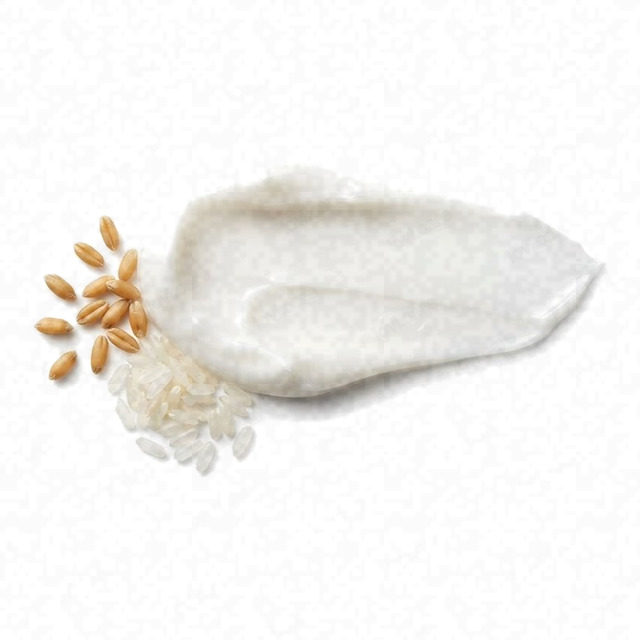 Ceramide Iii
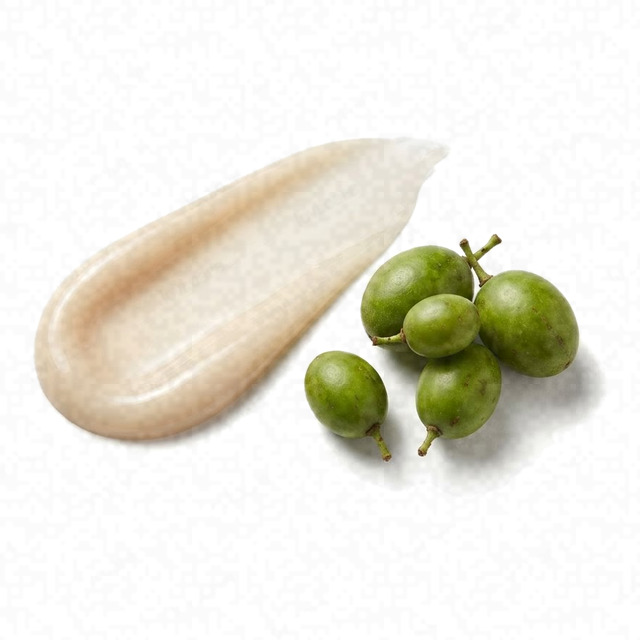 Terminalia Ferdinandiana
 Ascorbic Acid
 Aloe Barbadensis
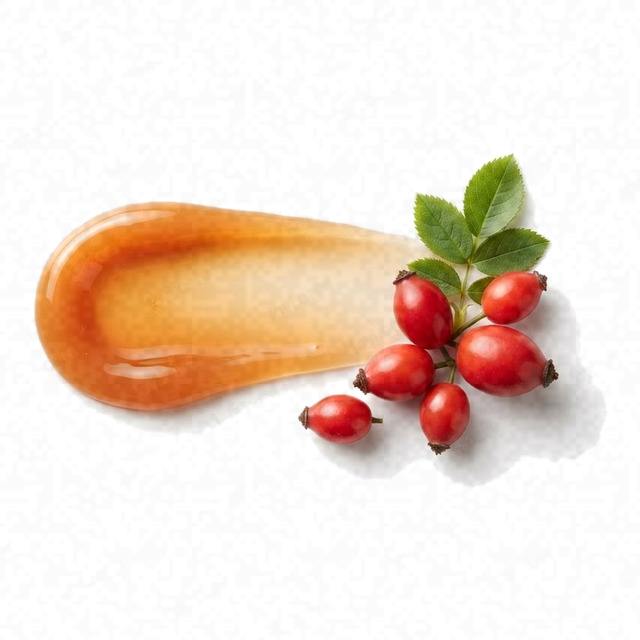 Rosehip Seed Oil
Average
- AverageOily Skin Fit
- AverageEffectiveness
- HighSafety
Works for oily acne-prone skin; other moisturizers fit it better.
This fit is calculated for the concerns frequently associated with oily acne-prone skin: shine, breakouts, blemishes, and enlarged pores. For scores and recommendations based on your full skin profile, including your 12D face scan results and any goals or preferences you have, please use the Lovi app.
Page built Nov 8, 2026How the Fit score works
Lovi Assistant explains
- Offers moderate benefits for your oily skin, with sodium hyaluronate providing hydration and sodium ascorbyl phosphate offering antioxidant protection, though it lacks specialized ingredients like salicylic acid to directly target acne and breakouts.
- While the formula is generally safe and free from harsh irritants, the inclusion of essential oils and fragrance may still pose a minor risk for sensitive complexions.
- The product is safe for your oily skin due to the absence of harsh ingredients and the presence of soothing agents like Aloe Barbadensis Leaf Juice and Rosa Canina Seed Oil.
How to apply
- Use this AM and PM routine every day to help clear your skin. Always remember to finish with SPF in the morning.
- Apply the moisturizer after your cleanser and toner, right before your SPF during the day.
- Gently press a small amount into your skin and avoid rubbing to keep pores clear.
- Apply on clean, slightly damp skin to help the product absorb better and control oil.
- Avoid the sensitive eye area and do a simple patch test before your first use.
People Say
★4.4Overall rating based on 500+ reviewsThis night cream is highly effective for dry and dull skin types, with users reporting a brighter, more hydrated, and firmer complexion after consistent use. While many appreciate its rich, restorative texture, some users with different skin needs find it slightly too thick or heavy for their liking.
Highlights
Deeply hydrating Mostly Mentioned
- “Keeps skin moisturized”
- “deeply hydrates”
- “very hydrated”
Brightens complexion Often Mentioned
- “Wake to a glowing complexion”
- “skin radiates health”
- “promotes radiance”
Rich texture Often Mentioned
- “Luxuriously rich”
- “so rich and creamy”
- “buttery-rich texture”
Improves skin barrier Sometimes Noted
- “Supports regeneration of healthy skin barrier”
- “strengthens skin barrier”
Too thick/heavy Sometimes Noted
- “A little bit too thick”
- “heavy type of cream”
- “feels like skin can't breathe”
Leaves residue Rarely Noted
- “Does leave that kind of residue”
- “layer on the face”
Potential irritation Rarely Noted
- “Sting my skin a little”
- “skin doesn't like vitamin C”
Sources: lovi.care, chemistwarehouse.com.au, cloud10beauty.com, trilogyproducts.com.au, trilogyproducts.co.nz, prettystickbeauty.com, and more
Questions and answers
How well does Trilogy Vitamin C Ceramide Night Cream work for oily acne-prone skin?
This cream works moderately well for oily acne-prone skin, providing hydration and antioxidant protection, but it lacks targeted ingredients like salicylic acid to directly address breakouts. While soothing agents like aloe help calm the skin, oily acne-prone skin needs lightweight, non-clogging formulas with specialized blemish-fighting ingredients and barrier-supporting peptides that control excess oil and keep pores clear.
Which ingredients make this cream a good fit for oily acne-prone skin?
Sodium hyaluronate provides hydration and sodium ascorbyl phosphate offers antioxidant protection, while aloe vera and rosehip seed oil help soothe the skin. To truly fit oily acne-prone skin well, a product of this type needs specialized ingredients like salicylic acid to directly target acne and breakouts, along with lightweight, non-clogging hydrators and blemish-fighting agents.
What does Ceramide III do for oily acne-prone skin?
Ceramide III helps restore the protective skin barrier and manage the irritation often caused by acne treatments. This ingredient is unlikely to clog pores and may improve redness and dryness while you clear up breakouts. Oily acne-prone skin needs lightweight hydration and ingredients that calm inflammation without feeling heavy.
What does Kakadu Plum Extract do for oily acne-prone skin?
Kakadu plum extract brings antioxidants to oily, acne-prone skin to help protect against daily stress and support a clear, calm look. Its safe profile makes it a gentle addition to your routine without feeling heavy.
Where does this cream go in a skincare routine for oily acne-prone skin?
This cream goes in the evening routine as a moisturizing treatment after your cleanser and toner. Oily acne-prone skin of this type needs lightweight hydration alongside targeted ingredients like salicylic acid to effectively clear breakouts.
Can I use this cream with retinol, and in what order?
You can use this cream at night after your retinol treatment to help keep your skin calm and hydrated. A moisturizer of this type works best for acne-prone skin when it also includes ingredients like salicylic acid to directly target breakouts.
How often should I use this cream?
You can use this moisturizing treatment daily to keep your oily skin hydrated, though an oily acne-prone skin type needs a product with specialized ingredients like salicylic acid to directly target breakouts.
Journal of Cosmetic Dermatology, 2020Health Science Reports, 2021
Can this cream clog pores, cause breakouts or purging for oily acne-prone skin?
This cream is unlikely to clog pores or cause purging, but it may occasionally cause breakouts since it lacks targeted ingredients like salicylic acid to clear blemishes. To truly keep oily acne-prone skin clear and balanced, a product of this type needs blemish-fighting ingredients and oil-balancing agents.
Can I use this cream around the eyes or on my body?
You can use this cream on your body, but it is not formulated specifically for the exceptionally thin skin around the eyes where specialized lighter treatments are typically preferred. Because the skin on your body is much thicker than facial skin, rich moisturizing treatments are generally well tolerated there.
Is this cream fragrance-free and alcohol-free?
It contains fragrance (parfum, benzyl alcohol, citronellol, limonene, and linalool) and drying alcohol (alcohol).
What the research says
A cream combining propolis, tea tree oil, and Aloe vera reduced erythema scars, acne severity index, and total lesion count better than erythromycin cream in sixty patients with mild to moderate acne vulgaris compared to placebo.
Clinical Pharmacology, 2018Topical application of 5% vitamin C cream significantly improved global clinical scores, increased skin microrelief density, and induced elastic tissue repair in photoaged skin compared to excipient control in healthy female volunteers.
Experimental Dermatology, 2003Ascorbic acid 2-glucoside gel significantly reduced gingival melanin pigmentation after 4 weeks compared to placebo in 73 subjects with symmetric pigmentation.
Journal of Periodontology, 2009Topical application of VC-IP cream twice daily for 8 weeks reduces periorbital wrinkles in female subjects compared to a placebo cream.
Journal of Cosmetic Dermatology, 2022Topical aloe vera gel significantly accelerated split-thickness skin graft donor-site healing compared to placebo in 12 patients, but showed no significant difference in pain relief.
Plastic and Reconstructive Surgery, 2018Topical application of Aloe vera cream reduced postoperative pain at rest and during defecation, accelerated wound healing at two weeks, and decreased analgesic requirements in patients after open hemorrhoidectomy compared to placebo.
Journal of Alternative and Complementary Medicine, 2010Formulations containing 0.10%, 0.25%, and 0.50% freeze-dried Aloe vera extract increased stratum corneum water content compared with the vehicle in 20 female subjects, while transepidermal water loss was not modified.
Skin Research and Technology, 2006Topical treatments containing rosehip extract may reduce the size and erythema of postsurgical scars through macrophage polarization and inflammatory cytokine inhibition, though current clinical evidence remains insufficient to recommend its routine use.
Journal of Cosmetic Dermatology, 2024Sunflower and rosehip oil nanoemulsions prepared with a mix of phospholipids and synthetic emulsifiers permeated intact skin to the dermis and showed a more prominent healing effect in a human organotypic skin explant culture wound model compared to nanoemulsions prepared only with phospholipids.
Pharmaceutics, 2023A nanoemulsion containing 1 mg/mL kojic dipalmitate and 5% rosehip oil demonstrated high incorporation efficiency, suitable physicochemical stability, antioxidant and depigmenting efficacy close to 1 mM ascorbic acid, and no cytotoxicity at concentrations from 0.06% to 1% in vitro.
Pharmaceutics, 2023
Why other moisturizers fit oily acne-prone skin better
Co-delivery of paeonol and madecassoside via nanoemulsions improved transdermal delivery, promoted barrier repair proteins, inhibited inflammatory cytokine secretion in cellular and 3D models, and reduced transepidermal water loss and acne in human facial skin compared to free components.
Molecules, 2023A panthenol-enriched mask improved skin hydration, regulated sebum, and reduced redness and TEWL across dry sensitive, oily sensitive, and oily acne skin subgroups with excellent tolerance and no adverse reactions.
Journal of Cosmetic Dermatology, 2024A facial serum containing snail secretion filtrate, Calendula officinalis, and Glycyrrhiza glabra root extract significantly reduced inflammatory acne lesions compared to placebo in 66 participants with mild-to-moderate maskne over 12 weeks.
Journal of Cosmetic Dermatology, 2022
Ingredients
Water, Jojoba Seed Oil, Glycerin, Cetearyl Alcohol, Coco-Caprylate, Rosa Canina Seed Oil Rosehip Seed Oil, Sodium Ascorbyl Phosphate Ascorbic Acid, Aloe Barbadensis Leaf Juice, Cetearyl Olivate, Sorbitan Olivate, Theobroma Cacao Seed Butter, Citrus Nobilis Peel Oil Mandarin Orange Peel Oil, Glyceryl Stearate Se, Sodium Stearoyl Glutamate, Sodium Hyaluronate, Terminalia Ferdinandiana Fruit Extract, Ceramide Np, Xanthan Gum, Sodium Phytate, Tocopheryl Acetate Vitamin E, Helianthus Annuus Seed Oil Sunflower Seed Oil, Parfum, Alcohol, Citric Acid, Potassium Sorbate, Sodium Benzoate, Benzyl Alcohol, Caprylhydroxamic Acid, Citronellol, Hydroxycitronellal, Limonene, Linalool
Behind this fit score
Lovi calculates every fit score from the full ingredient list with brand-independent rules our dermatologists and cosmetic chemists build and review, and personalizes every pick with AI trained on the real results of millions of users. Lovi trains its fit score models on a proprietary dataset built from more than 10,000 expert-labeled products and more than 100,000 simulated examples, following an internally consistent methodology presented at Cosmoprof, AMWC, and Skin of Color Update.
-

Co-founder, Medical Director
Cosmetic chemist, cosmetologist, aesthetic products developer
-

Co-founder, CEO and CTO
PhD in computer science, 3x US patent holder, ex-Google, ex-Yandex
-

Dr. Sofía Perea Pérez, MD, MSc
Medical Board
Aesthetic medicine practitioner, MSc in Longevity and Anti-Aging Medicine
-

Medical Board
Specialist dermatologist, MBBS, MD, IFAAD
-

Medical Board
Cosmetic chemist, SCS, IFSCC member
-

Medical Board, Medical Advisor
Dermatology MD
-

Elina Nazarenko, MD
Medical Board
Dermatology and diagnostic consultant
-

Victoria Derkova, MS
Medical Board
Cosmetic chemist, cosmetic development technologist


How does it fit your skin?
Scan your face, then any product: Lovi shows how well it fits you and what fits even better.