
Tatcha Violet-C Brightening Serum

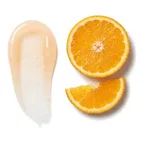 Ascorbic Acid Ascorbyl Tetraisopalmitate
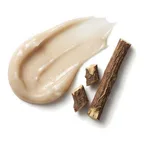 Licorice Root Extract Glycyrrhiza Glabra Root Extract
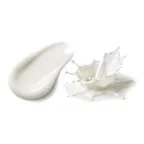 Lactic Acid
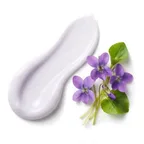 Viola Odorata Extract Hadasei-3 Extract
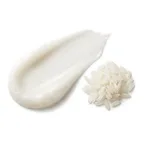 Rice Ferment Filtrate
Featuring vitamin C, licorice root extract, and lactic acid, Tatcha Violet-C Brightening Serum brightens tone, deeply hydrates, and gently exfoliates, so it suits dry skin and dry sensitive skin best. For skin that needs oil control, serums with niacinamide and salicylic acid get higher fit scores. Where to buy in Canada: Amazon.ca and Sephora, CA$120.00.
Each fit is calculated for the concerns frequently associated with that skin type. For scores and recommendations based on your full skin profile, including your 12D face scan results and goals, use the Lovi app.
Updated How the Fit score works
Where it fits best and least
Best fit Superior
One of the best serums for dry skin.
- Excellent brightening for your dry skin is provided by Vitamin C derivatives like Bis-Glyceryl Ascorbate and Ascorbyl Tetraisopalmitate, which combat dullness and offer antioxidant protection. Sodium Hyaluronate and Glycerin work synergistically to deeply hydrate and alleviate flakiness, making it highly suitable for your dry skin type.
Lowest fit Average
Works for oily skin; other serums fit it better.
- Offers moderate brightening and evening of skin tone for your oily skin due to the presence of Bis-Glyceryl Ascorbate and Ascorbyl Tetraisopalmitate, which help address hyperpigmentation and provide antioxidant effects.
Other skin types
Buy online


Prices checked 22 Nov 2026
The Lovi Fit is the same in every country; only the stores and prices differ, and the ones here are for Canada.
How to apply
- Apply this serum PM, starting 3×/week and working up to daily use as your skin adjusts.
- Place the serum after cleansing and toner, but right before your moisturizer.
- Gently press 2-3 drops of the serum into your skin and let it absorb for a minute.
- Apply the serum on slightly damp skin to help lock in extra moisture.
- Avoid the eye area and do a patch test before your first use.
People Say
★4.5Overall rating based on 3.7k+ reviewsBased on a very large amount of data, this serum is frequently praised for its gentle yet effective formula that brightens the complexion and smooths skin texture, often resulting in a noticeable glow and softer skin. Some users, however, find the exfoliation to be too mild and feel the high price point is not justified by the results.
Highlights
Brightens and adds glow Mostly Mentioned
- “skin is clearer, glowier”
- “complexion is more even”
- “radiant than ever”
- “noticeable glow”
Gentle and non-irritating Often Mentioned
- “surprisingly gentle”
- “does not irritate”
- “calming effect”
- “great for sensitive skin”
Smoother skin texture Often Mentioned
- “skin is completely smooth”
- “drastically changed texture”
- “pores seem less clogged”
- “softens skin”
Expensive price point Often Mentioned
- “very pricey”
- “hard to justify cost”
- “expensive for vitamin C”
Fades dark spots Sometimes Noted
- “helped brighten dark spots”
- “fade acne scars”
- “reduced hyperpigmentation”
- “evened out skin tone”
Lightweight and fast absorbing Sometimes Noted
- “absorbs quickly”
- “non-sticky”
- “watery texture”
- “sinks in with zero residue”
No visible results Sometimes Noted
- “did nothing”
- “didn't notice difference”
- “no improvement in radiance”
- “expected more for price”
Sticky finish Rarely Noted
- “dries a little sticky”
- “tacky texture”
- “felt sticky”
Unpleasant scent Rarely Noted
- “smell is weird”
- “strong scent”
- “smells like hot dog water”
Weak exfoliation Rarely Noted
- “not enough exfoliation”
- “too mild”
- “didn't replace my AHA”
Sources: lovi.care, tatcha.com, sephora.com, influenster.com, mecca.com.au, refinery29.com, and more
Questions and answers
What makes Tatcha Violet-C Brightening Serum one of the best fits for dry skin?
This serum is one of the best fits because vitamin C and plant extracts brighten dullness while sodium hyaluronate and glycerin deeply hydrate to stop flakiness. Lactic acid gently sweeps away rough dead skin to make your face smooth without hurting your protective barrier, and the formula has a very safe profile that is unlikely to cause irritation.
What makes Tatcha Violet-C Brightening Serum a great fit for combination skin?
This serum is a great fit because vitamin C and licorice root brighten your skin tone and manage oily shine, while glycerin provides much-needed moisture. It has an excellent safety profile with soothing ingredients that are very unlikely to cause irritation.
How well does Tatcha Violet-C Brightening Serum work for oily skin?
Tatcha Violet-C Brightening Serum works moderately well for oily skin by helping to brighten dark spots and manage oily shine with vitamin C and lactic acid. It is safe and unlikely to cause irritation, though treatments with ingredients like niacinamide, zinc PCA, and balancing hydrators fit oily skin better.
Can I use this serum with retinol, and in what order?
You can use this serum with retinol by applying the serum first and following it with your retinol, but because both ingredients are active, using them together may occasionally cause dryness or irritation.
Is it fragrance-free and alcohol-free?
Yes, it has no fragrance and no drying alcohol.
What makes Tatcha Violet-C Brightening Serum one of the best fits for dry sensitive skin?
This serum is one of the best fits because it brightens your skin tone with vitamin C while soothing dry sensitive skin using licorice root extract and fermented ingredients. It also uses glycerin and sodium hyaluronate to help keep your dry or flaky skin feeling comfortable and moisturized.
What makes Tatcha Violet-C Brightening Serum a great fit for sensitive skin?
This serum is a great fit because it contains gentle brightening and soothing ingredients that calm redness and irritation without harsh additives. Licorice root extract and vitamin C derivatives help reduce inflammation while keeping sensitive skin comfortable and smooth.
European Journal of Pharmaceutics and Biopharmaceutics, 2017
What makes Tatcha Violet-C Brightening Serum a great fit for acne-prone skin?
This serum is a great fit for your acne-prone skin because it brightens dark spots and helps clear blemishes using vitamin C types and lactic acid. It is very safe and unlikely to cause irritation because it leaves out harsh ingredients and includes soothing extracts.
European Journal of Pharmaceutics and Biopharmaceutics, 2017
What makes Tatcha Violet-C Brightening Serum a great fit for skin with dark spots?
This serum is a great fit because it contains high concentrations of vitamin C and licorice root extract, which brighten dark spots and even out skin tone. It also includes soothing ingredients that keep the skin calm and are unlikely to cause irritation.
What makes Tatcha Violet-C Brightening Serum a great fit for mature skin?
This serum is a great fit because it contains high concentrations of Vitamin C derivatives that target wrinkles and fine lines, offering excellent brightening and firming effects for mature skin. It also includes soothing plant extracts and calming components that make it very safe and gentle to use.
What makes Tatcha Violet-C Brightening Serum a great fit for oily acne-prone skin?
Tatcha Violet-C Brightening Serum is a great fit because it offers moderate exfoliation and oil control to help manage oiliness and blemishes while providing brightening for an even skin tone without irritation. Its vitamin C and plant extracts help brighten the complexion and support the skin with a very safe profile.
What the research says
Topical application of 5% vitamin C cream significantly improved global clinical scores, increased skin microrelief density, and induced elastic tissue repair in photoaged skin compared to excipient control in healthy female volunteers.
Experimental Dermatology, 2003Topical application of VC-IP cream twice daily for 8 weeks reduces periorbital wrinkles in female subjects compared to a placebo cream.
Journal of Cosmetic Dermatology, 2022Topical treatment with 5% vitamin C and 0.1% madecassoside significantly improved clinical scores for wrinkles, suppleness, firmness, roughness, and skin hydration, along with functional and structural remodeling of the elastic fiber network in 20 female volunteers with photoaged skin after 6 months compared to baseline.
Experimental Dermatology, 2008Combining 755 nm alexandrite laser with topical licorice gel significantly reduces terminal hair counts compared to alexandrite laser with placebo in women with idiopathic hirsutism.
Evidence-based Complementary and Alternative Medicine, 2015Licochalcone A activated Nrf2 signaling, elevated cytoprotective enzymes, increased the reduced-to-oxidized glutathione ratio, and decreased reactive oxygen species in human fibroblasts and neutrophils, while a LicA-rich licorice extract lowered UVA-induced oxidative processes in vivo.
Experimental Dermatology, 2015Mesoporous silica nanoparticles entrapping licorice polysaccharide and coated with polydopamine showed 76% entrapment efficiency, 89% in vitro release at pH 5, increased sebocytes' cellular uptake, and mediated inflammatory response by inhibiting pro-inflammatory cytokines and regulating anti-inflammatory cytokines.
Carbohydrate Polymers, 2024Application of a cream containing lactic acid 12% and pramoxine HCl 1% significantly improved skin dryness, hydration, and itch compared with a nontreated control in 24 women with a history of dry itchy skin.
Cutis, 2004A lactic acid/ceramide lotion significantly improved skin moisturization and desquamation compared to no treatment in women with dry, rough skin on the anterior shins.
The Journal of Clinical and Aesthetic Dermatology, 2020Treatment with 12% lactic acid increased epidermal and dermal firmness and thickness and improved skin smoothness and wrinkles compared to baseline, whereas 5% lactic acid induced clinical and epidermal changes without dermal changes.
Journal of the American Academy of Dermatology, 1996Daily application of a cream containing niosomes loaded with purple glutinous rice extract in 20 human volunteers for 28 days resulted in a significant decrease in melanin index and skin roughness by -14.05% and -9.95%, and increases in skin hydration and elastic recovery by +48.73% and +35.98% compared to initial values.
International Journal of Cosmetic Science, 2020The iontophoretic delivery of hyaluronic acid nanogel-loaded Saccharomyces/Rice Ferment Filtrate significantly reduced advanced glycation end products and mitigated skin stiffening in an ex vivo skin tissue glycation model.
International Journal of Nanomedicine, 2025Black rice extract treatment downregulated MMP-1 and MMP-3 expression, increased type I procollagen expression, and reduced reactive oxygen species production in ultraviolet-irradiated HaCaT and human dermal fibroblast skin cells.
International Journal of Molecular Medicine, 2018A 3-in-1 anti-aging topical night serum-in-oil applied once daily decreased wrinkles by 11%, increased skin firmness by 8%, reduced redness by 70%, and improved overall skin quality and complexion in 103 female subjects over 28 to 84 days compared to baseline.
Journal of Cosmetic Dermatology, 2019Topical formulations containing ascorbyl tetraisopalmitate, coenzyme Q10, green tea polyphenols, and resveratrol reduced the release of inflammatory cytokines and attenuated inflammatory signs compared to untreated skin and vehicle in 25 Japanese volunteers exposed to sodium dodecyl sulfate.
European Journal of Pharmaceutics and Biopharmaceutics, 2017A single application of a moisturizing fluid containing hyaluronic acid 1%, glycerin 5%, and Centella asiatica stem cells extract significantly increased skin hydration by 29% and reduced transepidermal water loss at 24 hours compared to baseline and an untreated control site in twenty healthy women.
Clinical, Cosmetic and Investigational Dermatology, 2017Topical ascorbic acid application resulted in a statistically significant improvement in Ra and shadows north-south facial axis values as well as clinical, photographic, and patient self-appraisal scores compared with vehicle control in nineteen patients with mild to moderately photodamaged facial skin.
Archives of Otolaryngology--head & Neck Surgery, 1999Topical application of B-Resorcinol and Glycyrrhetinic acid effectively lightens hand solar lentigines after 4 weeks of treatment both with and without prior fractional laser photothermolysis, showing no statistical difference between the two approaches.
Journal of Cosmetic Dermatology, 2016A nightly 3-in-1 antiaging facial serum containing melatonin, bakuchiol, and ascorbyl tetraisopalmitate produced significant global aesthetic improvement and reduced signs of skin aging in twenty-four subjects over 12 to 24 weeks.
Journal of Cosmetic Dermatology, 2020Topical 18beta-Glycyrrhetinic acid pretreatment significantly attenuated ultraviolet-induced skin photoaging in mice by increasing antioxidant enzyme activities and collagen content while decreasing malonaldehyde, matrix metalloproteinases, and inflammatory cytokines.
Experimental Gerontology, 2015The LG-NLC formulation of licorice extract achieved a Z-average size of 185.3 nm, high entrapment efficiency of 79.01% for glabridin and 69.27% for liquiritin, a two-stage release pattern, efficient in vivo skin penetration, strong anti-tyrosinase activity, and physiochemical stability for up to 9 months.
Current Pharmaceutical Design, 2024
Ingredients
Water, Bis-Glyceryl Ascorbate, Saccharomyces Camellia Sinensis Cladosiphon Okamuranus Rice Leaf Ferment Filtrate, Propanediol, Butylene Glycol, Glycerin, Ascorbyl Tetraisopalmitate, Angelica Acutiloba Root Extract, Callicarpa Japonica Fruit Extract, Prunus Mume Fruit Extract, Crataegus Cuneata Fruit Extract, Pyrus Malus Fruit Extract, Grapefruit Fruit Extract, Citrus Aurantium Dulcis Juice, Lemon Juice, Citrus Aurantifolia Juice, Glycyrrhiza Glabra Root Extract Licorice Root Extract, Scutellaria Baicalensis Root Extract, Artemisia Capillaris Flower Extract, Morus Alba Root Extract, Ziziphus Jujuba Fruit Extract, Sodium Hyaluronate, Lactic Acid, Sodium Citrate, Dipotassium Glycyrrhizate, Ammonium Acryloyldimethyltaurate Carboxyethyl Acrylate Crosspolymer, Disodium Edta, Ppg-6-Decyltetradeceth-30, Ethylhexylglycerin, Phenoxyethanol
Behind these fit scores
Lovi calculates every fit score from the full ingredient list with brand-independent rules our dermatologists and cosmetic chemists build and review, and personalizes every pick with AI trained on the real results of millions of users. Lovi trains its fit score models on a proprietary dataset built from more than 10,000 expert-labeled products and more than 100,000 simulated examples, following an internally consistent methodology presented at Cosmoprof, AMWC, and Skin of Color Update.
-

Co-founder, Medical Director
Cosmetic chemist, cosmetologist, aesthetic products developer
-

Co-founder, CEO and CTO
PhD in computer science, 3x US patent holder, ex-Google, ex-Yandex
-

Dr. Sofía Perea Pérez, MD, MSc
Medical Board
Aesthetic medicine practitioner, MSc in Longevity and Anti-Aging Medicine
-

Medical Board
Specialist dermatologist, MBBS, MD, IFAAD
-

Medical Board
Cosmetic chemist, SCS, IFSCC member
-

Medical Board, Medical Advisor
Dermatology MD
-

Elina Nazarenko, MD
Medical Board
Dermatology and diagnostic consultant
-

Victoria Derkova, MS
Medical Board
Cosmetic chemist, cosmetic development technologist


How does it fit your skin?
Scan your face, then any product: Lovi shows how well it fits you and what fits even better.