REMEDY for dark spots for acne-prone skin

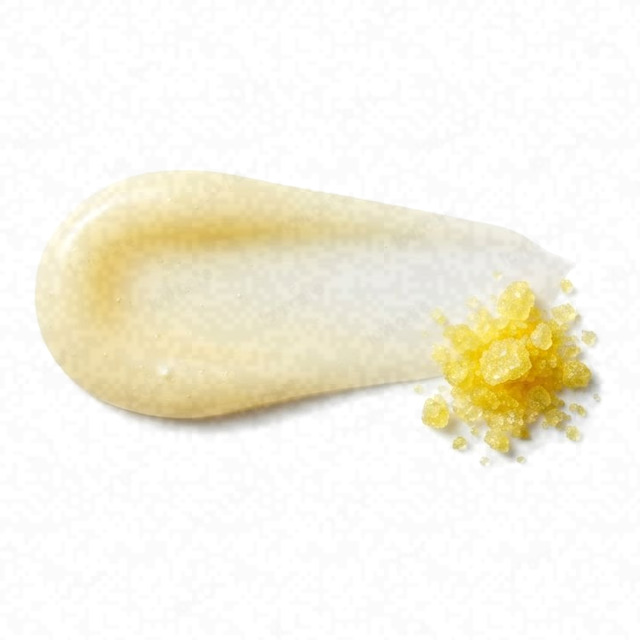 Encapsulated Retinol
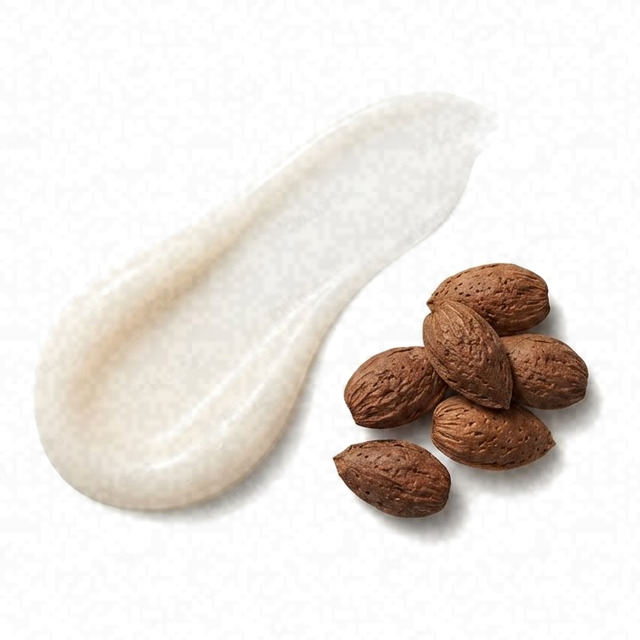 Mandelic Acid
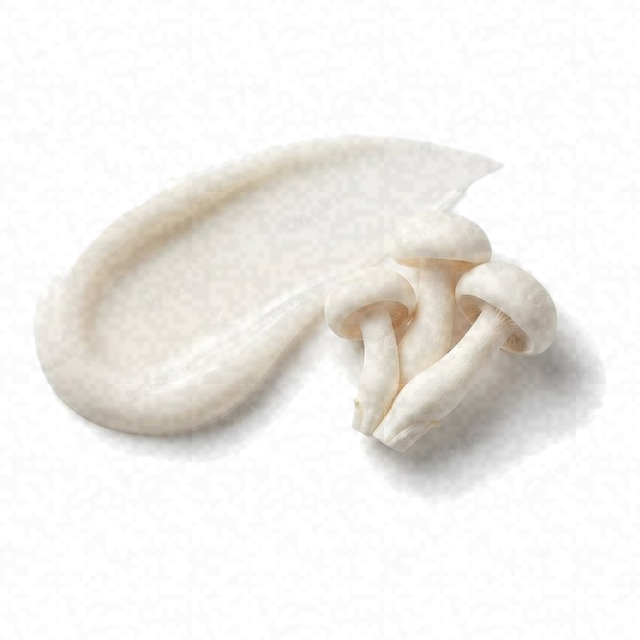 Kojic Acid
Average
- AverageCombination Skin Fit
- AverageEffectiveness
- HighSafety
Works for acne-prone skin; other serums fit it better.
This fit is calculated for the concerns frequently associated with acne-prone skin: breakouts, blackheads, and post-acne marks. For scores and recommendations based on your full skin profile, including your 12D face scan results and any goals or preferences you have, please use the Lovi app.
Page built Nov 8, 2026How the Fit score works
Lovi Assistant explains
- Offers moderate suitability for your combination skin as encapsulated retinol, mandelic acid, and kojic acid work to brighten and even skin tone by exfoliating and reducing hyperpigmentation. Niacinamide and silymarin further support skin renewal and reduce inflammation, offering moderate exfoliation for acne and blemishes.
- While the formula effectively targets hyperpigmentation and blemishes, it may not deliver optimal results in drier areas of your combination skin due to a lack of sufficient humectant ingredients.
- The product is safe for your combination skin, with no risks of irritation from harsh or prohibited ingredients.
How to apply
- Use your serum as part of your PM routine and start 3x/week before working up to daily use.
- Apply this treatment after cleansing and toner, and before your moisturizer.
- Gently press 2-3 drops of the serum into your skin and let it absorb for a minute.
- Apply the product on clean, dry skin to help manage your breakouts safely.
- Avoid the eye area and do a patch test before your first use.
People Say
★4.6Overall rating based on 900+ reviewsThis all-in-one nightly serum is widely praised for its gentle yet potent blend of 0.1% encapsulated retinol, kojic acid, and tranexamic acid, designed to tackle hyperpigmentation and uneven texture. While many users report a visible "glow" and smoother skin texture within weeks, significant fading of stubborn dark spots often requires consistent long-term use, with the formula being celebrated for causing minimal irritation compared to other retinoids.
Highlights
Gentle, non-irritating Mostly Mentioned
- “didn't cause me any irritation”
- “gentle enough for nightly use”
- “no stinging even on sensitive areas”
Improves texture Often Mentioned
- “skin felt a lot smoother”
- “texture improved in 3 days”
- “bumps significantly reduced”
Lightweight texture Often Mentioned
- “spreads easily”
- “absorbs fast without residue”
- “light yellow lotion texture”
Brightens complexion Sometimes Noted
- “skin appeared visibly brighter”
- “woke up with a glow”
- “complexion looks more even”
Smart packaging Sometimes Noted
- “love the twist cap”
- “great for travel, no leaks”
- “pump dispenses perfect amount”
Slow spot results Sometimes Noted
- “saw nothing transformational”
- “fading is very slow”
- “took months to see spot reduction”
Unpleasant scent Sometimes Noted
- “smells like cooked carrots”
- “scent is hard to describe but weird”
- “faint earthy smell”
Minor irritation risk Rarely Noted
- “irritated when used consecutive days”
- “too strong with my other retinol”
- “caused slight sensitivity initially”
Small bottle size Rarely Noted
- “went through it very quickly”
- “wish the bottle was bigger”
- “finished in a month”
Sources: lovi.care, remedyskin.com, youtube.com, skincarma.com, reddit.com, and more
Questions and answers
How well does REMEDY for dark spots work for acne-prone skin?
REMEDY for dark spots works reasonably well for your acne-prone skin, as it contains retinol, mandelic acid, and kojic acid to brighten dark spots and help clear blemishes. While it is safe and reduces inflammation, it may not hydrate drier areas well enough because it lacks sufficient moisture-binding ingredients. A product for this skin needs ingredients like niacinamide, propolis, zinc PCA, and hydrating agents that balance oil and dryness without causing irritation.
Which ingredients make this treatment a good fit for acne-prone skin?
Encapsulated retinol, mandelic acid, and kojic acid help brighten and even your skin by gently exfoliating, while niacinamide and silymarin calm blemishes and support skin renewal. Because it lacks sufficient hydrating ingredients for drier areas, a product for this skin needs soothing hydrators like niacinamide, zinc PCA, propolis, and antioxidants to balance oil and maintain moisture without causing irritation.
Journal of Cosmetic Dermatology, 2020The British Journal of Dermatology, 2002
What does Encapsulated Retinol do for acne-prone skin?
Encapsulated retinol helps clear acne-prone skin by reducing pimples and dark spots while keeping irritation low. This ingredient is generally well tolerated, helping to smooth skin texture and improve overall clarity over time.
What does Mandelic Acid do for acne-prone skin?
Mandelic acid helps clear acne and smooth the skin by gently exfoliating and calming breakouts with fewer side effects than many other acids. It is unlikely to cause heavy irritation, and combining it with other treatments may improve stubborn acne and dark spots even further.
Journal of Cosmetic Dermatology, 2020Journal of Cosmetic Dermatology, 2022
Where does this treatment go in a skincare routine for acne-prone skin?
This treatment goes in the evening routine after cleansing and toning, and before moisturizing. Putting treatments in the evening keeps things simple and provides extra safety around sun exposure.
Can I use this treatment with vitamin C, and in what order?
You can use this treatment with vitamin C by applying vitamin C in your morning routine and this treatment at night, as using them together at the same time may cause irritation on acne-prone skin.
How often should I use this treatment?
Start using this treatment once a week in the evening, and if your skin tolerates it well and you see good results, you can carefully use it more often. This approach helps reduce the risk of irritation while your skin gets used to the active ingredients.
Can this treatment clog pores, cause breakouts or purging for acne-prone skin?
This treatment is unlikely to clog pores or cause breakouts for acne-prone skin, as it contains mandelic acid and niacinamide to help clear blemishes and calm inflammation. However, because it includes encapsulated retinol, it may cause mild initial purging as your skin adjusts to faster cell renewal.
Journal of Cosmetic Dermatology, 2020The British Journal of Dermatology, 2002
Is this treatment fragrance-free and alcohol-free?
Yes, it has no fragrance and no drying alcohol.
What the research says
Niacinamide significantly decreased hyperpigmentation and increased skin lightness compared with vehicle alone after 4 weeks of use in women by inhibiting melanosome transfer.
The British Journal of Dermatology, 2002Treatment with 45% mandelic acid peel showed nearly equal overall efficacy as 30% salicylic acid peel in patients with mild-to-moderate facial acne vulgaris, but with fewer adverse effects.
Journal of Cosmetic Dermatology, 2020Topical bakuchiol 0.5% applied twice daily compared with retinol 0.5% applied daily significantly decreased wrinkle surface area and hyperpigmentation with no statistical difference between the compounds in 44 patients over 12 weeks, while retinol users reported more facial skin scaling and stinging.
The British Journal of Dermatology, 2019Topical 0.4% retinol significantly increased epidermal thickness, dermal vascularity, and extracellular matrix production by stimulating keratinocyte proliferation, endothelial cell proliferation, and fibroblast activation in naturally aged human skin compared to vehicle.
International Journal of Cosmetic Science, 2017Silicone particles encapsulating retinol increased its half-life by 9-fold and yielded 12-23% lower skin irritation in human subjects compared to Microsponge particles while maintaining biological activity.
Journal of Controlled Release, 2018Topical stabilized retinol treatment induced HAS gene expression and increased hyaluronic acid production in human skin in vitro, ex vivo, and in vivo compared to vehicle.
Archives of Dermatological Research, 2017Chemical peels using 35% glycolic acid, 20% salicylic-10% mandelic acid, and phytic acid reduce acne scores by 70.55%, 74.14%, and 69.7% respectively, and significantly decline the postacne hyperpigmentation index in Asian patients with mild to moderate acne.
Journal of Cutaneous and Aesthetic Surgery, 2019Commonly used chemical peels showed no significant differences in effectiveness for acne vulgaris in most comparisons, though combined salicylic and mandelic acid peeling was superior to glycolic acid and glycolic acid was superior to placebo, based on twelve randomized controlled trials.
BMJ Open, 2018Treatment with 30% lactic acid peel showed a significantly greater reduction in pigmentation and higher patient satisfaction compared to 30% mandelic acid peel in patients with periorbital melanosis.
Indian Dermatology Online Journal, 2025A topical formulation containing kojic acid, emblica extract, and glycolic acid demonstrated efficacy parity compared with hydroquinone 4% in multiethnic participants with mild to moderate facial dyschromia.
Cutis, 2010A nanoemulsion containing 1 mg/mL kojic dipalmitate and 5% rosehip oil demonstrated high incorporation efficiency, suitable physicochemical stability, antioxidant and depigmenting efficacy close to 1 mM ascorbic acid, and no cytotoxicity at concentrations from 0.06% to 1% in vitro.
Pharmaceutics, 2023Topical application of iron chelators kojic acid and deferiprone significantly accelerated wound healing in rats compared to control groups, with deferiprone showing superior efficacy due to higher antioxidant and iron chelation abilities.
International Wound Journal, 2013
Why other serums fit acne-prone skin better
A panthenol-enriched mask improved skin hydration, regulated sebum, and reduced redness and TEWL across dry sensitive, oily sensitive, and oily acne skin subgroups with excellent tolerance and no adverse reactions.
Journal of Cosmetic Dermatology, 2024Topical dexpanthenol formulated in lipophilic vehicles improved stratum corneum hydration and reduced transepidermal water loss compared to vehicle control in humans.
Arzneimittel-Forschung, 2000A cream combining propolis, tea tree oil, and Aloe vera reduced erythema scars, acne severity index, and total lesion count better than erythromycin cream in sixty patients with mild to moderate acne vulgaris compared to placebo.
Clinical Pharmacology, 2018
Ingredients
Encapsulated Retinol, Mandelic Acid, Kojic Acid, Niacinamide, Silymarin, Glutathione, Sodium Phosphate, Sodium Hydroxide, Caprylyl Glycol, Hexylene Glycol, Phenoxyethanol, Ethylhexylglycerin, Sodium Benzoate
Behind this fit score
Lovi calculates every fit score from the full ingredient list with brand-independent rules our dermatologists and cosmetic chemists build and review, and personalizes every pick with AI trained on the real results of millions of users. Lovi trains its fit score models on a proprietary dataset built from more than 10,000 expert-labeled products and more than 100,000 simulated examples, following an internally consistent methodology presented at Cosmoprof, AMWC, and Skin of Color Update.
-

Co-founder, Medical Director
Cosmetic chemist, cosmetologist, aesthetic products developer
-

Co-founder, CEO and CTO
PhD in computer science, 3x US patent holder, ex-Google, ex-Yandex
-

Dr. Sofía Perea Pérez, MD, MSc
Medical Board
Aesthetic medicine practitioner, MSc in Longevity and Anti-Aging Medicine
-

Medical Board
Specialist dermatologist, MBBS, MD, IFAAD
-

Medical Board
Cosmetic chemist, SCS, IFSCC member
-

Medical Board, Medical Advisor
Dermatology MD
-

Elina Nazarenko, MD
Medical Board
Dermatology and diagnostic consultant
-

Victoria Derkova, MS
Medical Board
Cosmetic chemist, cosmetic development technologist


How does it fit your skin?
Scan your face, then any product: Lovi shows how well it fits you and what fits even better.