Peter Thomas Roth Peptide 21 Wrinkle Resist Serum for acne-prone skin

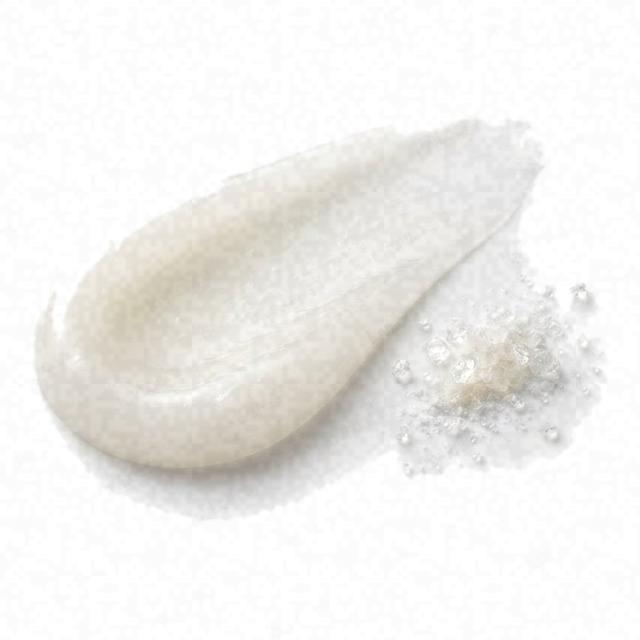 Complex Of 21 Peptides
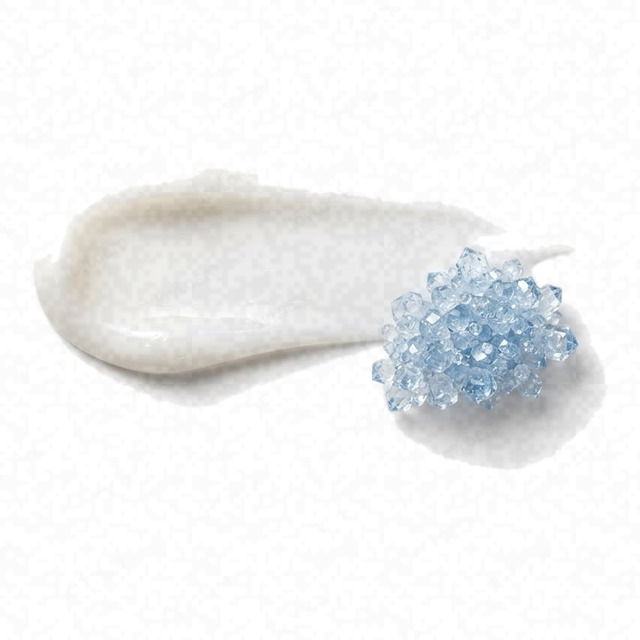 Neuropeptides
 Squalane
 Sodium Hyaluronate
 Ascorbic Acid
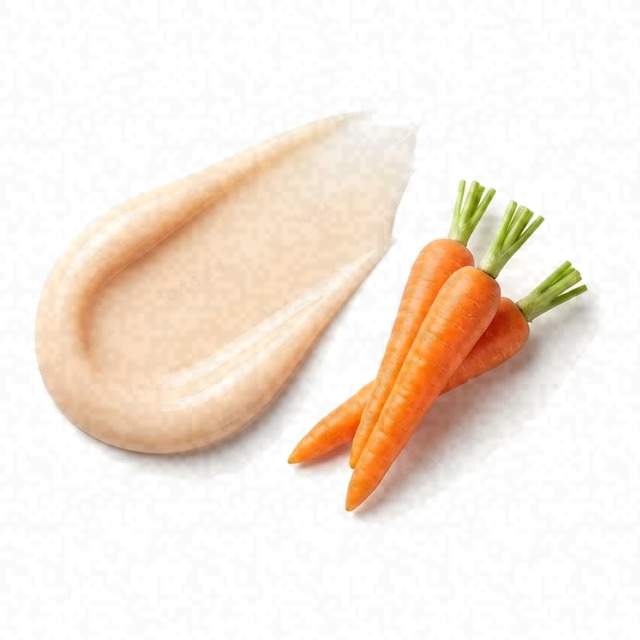 Retinyl Palmitate
Average
- SuperiorCombination Skin Fit
- AverageEffectiveness
- HighSafety
Works for acne-prone skin; other serums fit it better.
This fit is calculated for the concerns frequently associated with acne-prone skin: breakouts, blackheads, and post-acne marks. For scores and recommendations based on your full skin profile, including your 12D face scan results and any goals or preferences you have, please use the Lovi app.
Page built Nov 8, 2026How the Fit score works
Lovi Assistant explains
- Offers moderate wrinkle reduction for your combination skin, as peptides like Tripeptide-10 Citrulline and Acetyl Octapeptide-3 support collagen synthesis and smooth fine lines. Glycerin and Sodium Hyaluronate provide essential hydration, which is beneficial but does not directly address your primary concerns of acne, blemishes, and breakouts.
- The formula is well-suited for combination skin due to its peptide concentration, aiming to improve skin elasticity and firmness.
- The product is safe for your acne-prone skin, containing soothing ingredients like Glycerin and Sodium Hyaluronate and lacking harsh or prohibited substances.
How to apply
- Use your serum as part of your PM routine and start 3x/week before working up to daily use.
- Apply this treatment after cleansing and toner, and before your moisturizer.
- Gently press 2-3 drops of the serum into your skin and let it absorb for a minute.
- Apply the product on clean, dry skin to help manage your breakouts safely.
- Avoid the eye area and do a patch test before your first use.
People Say
★4.5Overall rating based on 300+ reviewsUsers frequently praise this serum for its lightweight, fast-absorbing formula that effectively hydrates and plumps the skin, leading to a visible reduction in fine lines on the forehead and neck. Some users find the product expensive and complain about a sticky residue or a metallic scent.
Highlights
Hydrates and plumps Often Mentioned
- “skin feels instantly hydrated”
- “plumps aging skin”
- “leaves face soft”
- “restores bounce”
Reduces fine lines Often Mentioned
- “lines between eyes diminished”
- “forehead wrinkles getting better”
- “neck lines reduced”
- “softened deep crevices”
High price point Often Mentioned
- “price is depressing”
- “expensive for the amount”
- “waiting for a sale”
Improves texture Sometimes Noted
- “skin looks smoother”
- “improves elasticity”
- “radiant glow”
- “evened out tone”
Lightweight absorption Sometimes Noted
- “absorbs quickly”
- “lightweight serum”
- “non-sticky finish”
- “layers well under makeup”
Sticky residue Sometimes Noted
- “feels sticky and slimy”
- “leaves skin tacky”
- “feels gross on skin”
- “texture is heavy”
Metallic scent Rarely Noted
- “smells like iron”
- “metallic smell”
- “weird vitamin E scent”
- “scent is off-putting”
Packaging issues Rarely Noted
- “hard to get last bit”
- “pump stopped working”
- “bottle design is wasteful”
- “can't see product level”
Sources: lovi.care, influenster.com, dermstore.com, peterthomasroth.com, lovelyskin.com, sephora.ph, and more
Questions and answers
How well does Peter Thomas Roth Peptide 21 Wrinkle Resist Serum work for acne-prone skin?
This serum is a moderate fit for acne-prone skin because it hydrates and smooths fine lines, though it does not directly target breakouts. To work best for this skin type, a treatment needs ingredients like niacinamide, propolis, or zinc PCA that clear blemishes and control oil without causing irritation.
Clinical, Cosmetic and Investigational Dermatology, 2017International Journal of Molecular Sciences, 2019
Which ingredients make this serum a good fit for acne-prone skin?
This serum is a fair fit for acne-prone skin because it contains glycerin and sodium hyaluronate, which provide gentle hydration without harshness. However, a product of this type needs ingredients like niacinamide, propolis, or zinc PCA to actively target blemishes and control oil.
What does Peptide Complex do for acne-prone skin?
Peptide Complex helps acne-prone skin by improving skin barrier function and reducing acne symptoms like closed comedones and oily shine. It may also help balance skin lipid composition and reduce moisture loss.
What do Neuropeptides do for acne-prone skin?
Neuropeptides like substance P and the corticotropin-releasing hormone system play a key role in acne-involved skin by driving up oil gland activity and local inflammation. They stimulate sebaceous glands to produce more oil and release inflammatory signals, which contributes to the development of breakouts.
Where does this serum go in a skincare routine for acne-prone skin?
This treatment goes in the evening routine after cleansing and before moisturizing, though some serums can also be used in the morning or twice a day. Acne-prone skin works best with a product of this type that also includes blemish-fighting ingredients and oil-balancing actives.
Can I use this serum with retinol, and in what order?
You can use this treatment in your evening routine after cleansing and toning, and before applying your moisturizer, but you should introduce retinol slowly to avoid irritation. This product is safe for your acne-prone skin, though an acne treatment containing salicylic acid or benzoyl peroxide would work better for breakouts.
Journal of Cosmetic Dermatology, 2024American Family Physician, 2012
How often should I use this serum?
This treatment serum works well in the evening routine, and some of them can also be used in the morning or twice a day. A product of this type for acne-prone skin needs ingredients that help clear blemishes while keeping the skin calm.
Can this serum clog pores, cause breakouts or purging for acne-prone skin?
This serum is unlikely to clog pores or cause breakouts on acne-prone skin, as it contains soothing hydrators like glycerin and sodium hyaluronate while lacking harsh substances. However, because it focuses on anti-aging rather than blemishes, acne-prone skin generally benefits more from products that include targeted blemish-fighting ingredients like salicylic acid or niacinamide to help clear pores.
Is this serum fragrance-free and alcohol-free?
Yes, it has no fragrance and no drying alcohol.
What the research says
Acetyl hexapeptide-3 and tripeptide-10 citrulline demonstrated antiwrinkle efficacy and decreased transepidermal water loss in twenty-four healthy volunteers compared to control groups, though synergistic effects between the two peptides remained unclear.
Journal of Cosmetic Dermatology, 2017A single application of a moisturizing fluid containing hyaluronic acid 1%, glycerin 5%, and Centella asiatica stem cells extract significantly increased skin hydration by 29% and reduced transepidermal water loss at 24 hours compared to baseline and an untreated control site in twenty healthy women.
Clinical, Cosmetic and Investigational Dermatology, 2017A peptide complex stimulated basement membrane protein expressions and significantly improved skin wrinkles at all five measured sites after two weeks in 22 healthy Asian female volunteers older than 40 years.
International Journal of Molecular Sciences, 2019A triple peptide complex synergistically stimulated collagen IV production in aged human fibroblasts and reduced periorbital wrinkle parameters compared to placebo in healthy Caucasian volunteers.
Journal of Cosmetic Dermatology, 2010Squalane at 0.005-0.015% counteracts UVA-induced oxidative stress, inflammation, and collagen metabolism inhibition while stimulating fibroblast migration in human dermal fibroblasts.
Molecules, 2025Plant-derived squalane protected human dermal fibroblasts against UVA-induced damage by counteracting ROS formation, suppressing apoptosis-related proteins p53, caspase-3, caspase-9, and PARP, and restoring the pro-survival p-Akt/mTOR pathway.
Antioxidants, 2025Topical application of 0.1% hyaluronic acid formulations of different molecular weights led to significant improvements in skin hydration and elasticity, with low-molecular-weight formulations also significantly reducing wrinkle depth in seventy-six female subjects compared to a vehicle control.
Journal of Drugs in Dermatology, 2011Topical application of hyaluronic acid in conjunction with free gingival graft significantly reduced donor site postoperative pain until day 7 compared to normal saline, with no significant differences in graft dimensions or patient satisfaction.
Clinical Oral Investigations, 2022Treatment with a hyaluronic acid-containing mouth rinse or topical gel led to significant lesion reduction, pain relief, and normalization of lesion color in adult patients with minor recurrent aphthous stomatitis, with the gel formulation showing an earlier healing onset at 3 days.
BMC Oral Health, 2019Topical application of 5% vitamin C cream significantly improved global clinical scores, increased skin microrelief density, and induced elastic tissue repair in photoaged skin compared to excipient control in healthy female volunteers.
Experimental Dermatology, 2003Ascorbic acid 2-glucoside gel significantly reduced gingival melanin pigmentation after 4 weeks compared to placebo in 73 subjects with symmetric pigmentation.
Journal of Periodontology, 2009Topical application of VC-IP cream twice daily for 8 weeks reduces periorbital wrinkles in female subjects compared to a placebo cream.
Journal of Cosmetic Dermatology, 2022Over-the-counter retinol products provided only weak evidence for a mild ameliorating effect on fine facial skin wrinkle lines in randomized, double-blind, vehicle-controlled trials, and major methodological flaws call the validity of positive results into question.
The Journal of Clinical and Aesthetic Dermatology, 2021A cosmetic niacinamide/peptide/retinyl propionate regimen significantly improved periorbital wrinkle appearance relative to a 0.02% tretinoin regimen at 8 weeks with comparable benefits at 24 weeks, while demonstrating significantly better tolerability in 196 women.
The British Journal of Dermatology, 2010A novel triple-active cosmetic formulation containing 4-hexylresorcinol, retinyl propionate, and niacinamide improved the visual appearance of photoageing similarly to 0.02% tretinoin and reversed a consensus gene signature associated with ageing in female adults while causing less skin irritation.
International Journal of Cosmetic Science, 2024
Why other serums fit acne-prone skin better
Topical nicotinamide plus an antibacterial adhesive agent and zinc-pyrrolidone carboxylic acid combined with adapalene significantly reduced noninflammatory acne lesions by the second week of therapy compared to placebo with adapalene in patients with moderate acne vulgaris.
The Journal of Clinical and Aesthetic Dermatology, 2020A cream combining propolis, tea tree oil, and Aloe vera reduced erythema scars, acne severity index, and total lesion count better than erythromycin cream in sixty patients with mild to moderate acne vulgaris compared to placebo.
Clinical Pharmacology, 2018Niacinamide and ferulic acid incorporated in a stable multiple emulsion successfully reduced melanin, sebum, and skin erythema while improving skin elasticity and hydration in human skin compared to a placebo.
BioMed Research International, 2022
Ingredients
Water, Glycerin, Rosa Centifolia Flower Water, Isopropyl Myristate, Squalane, Mannitol, Butylene Glycol, Natto Gum, Tripeptide-10 Citrulline, Acetyl Octapeptide-3, Palmitoyl Hexapeptide-12, Acetyl Tetrapeptide-11, Acetyl Hexapeptide-8, Acetyl Hexapeptide-1, Palmitoyl Oligopeptide, Acetyl Tetrapeptide-9, Acetyl Tetrapeptide-2, Tripeptide-1, Palmitoyl Tetrapeptide-7, Hexapeptide-11, Dipeptide Diaminobutyroyl Benzylamide Diacetate, Palmitoyl Tripeptide-5, Trifluoroacetyl Tripeptide-2, Palmitoyl Tripeptide-1, Sodium Polyglutamate, Sodium Hyaluronate, Tocopheryl Acetate, Retinyl Palmitate, Ascorbic Acid, Hydrolyzed Soy Protein, Hydrolyzed Wheat Protein, Lecithin, Pseudoalteromonas Extract Ferment, Acrylates Copolymer, Magnesium Chloride, Polysorbate 20, Dimethyl Isosorbide, Acrylates C10-30 Alkyl Acrylate Crosspolymer, Leuconostoc Radish Root Ferment Filtrate, Peg-8 Dimethicone, Disodium Phosphate, Carbomer, Dextran, Sodium Lactate, Tetradecyl Aminobutyroylvalylaminobutyric Urea Trifluoroacetate, Xanthan Gum, Triethanolamine, Sodium Phosphate, Octyldodecanol, Silica, Sodium Propoxyhydroxypropyl Thiosulfate Silica, Sodium Hydroxide, Caprylyl Glycol, Potassium Sorbate, Sodium Benzoate, Phenoxyethanol
Behind this fit score
Lovi calculates every fit score from the full ingredient list with brand-independent rules our dermatologists and cosmetic chemists build and review, and personalizes every pick with AI trained on the real results of millions of users. Lovi trains its fit score models on a proprietary dataset built from more than 10,000 expert-labeled products and more than 100,000 simulated examples, following an internally consistent methodology presented at Cosmoprof, AMWC, and Skin of Color Update.
-

Co-founder, Medical Director
Cosmetic chemist, cosmetologist, aesthetic products developer
-

Co-founder, CEO and CTO
PhD in computer science, 3x US patent holder, ex-Google, ex-Yandex
-

Dr. Sofía Perea Pérez, MD, MSc
Medical Board
Aesthetic medicine practitioner, MSc in Longevity and Anti-Aging Medicine
-

Medical Board
Specialist dermatologist, MBBS, MD, IFAAD
-

Medical Board
Cosmetic chemist, SCS, IFSCC member
-

Medical Board, Medical Advisor
Dermatology MD
-

Elina Nazarenko, MD
Medical Board
Dermatology and diagnostic consultant
-

Victoria Derkova, MS
Medical Board
Cosmetic chemist, cosmetic development technologist


How does it fit your skin?
Scan your face, then any product: Lovi shows how well it fits you and what fits even better.