NATURIUM Azelaic Topical Acid 10% for acne-prone skin

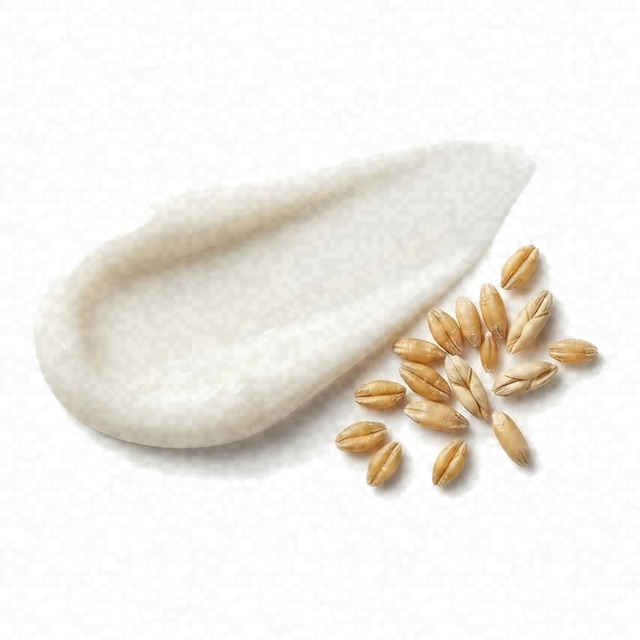 Azelaic Acid
 Niacinamide
 Ethyl Ascorbic Acid Ascorbic Acid
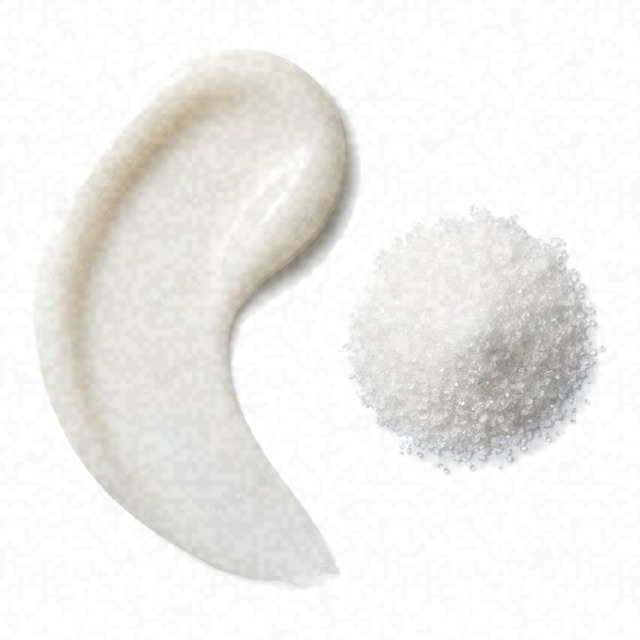 Potassium Azeloyl Diglycinate
 Sodium Hyaluronate
Superior
- SuperiorCombination Skin Fit
- HighEffectiveness
- ExcellentSafety
One of the best serums for acne-prone skin.
This fit is calculated for the concerns frequently associated with acne-prone skin: breakouts, blackheads, and post-acne marks. For scores and recommendations based on your full skin profile, including your 12D face scan results and any goals or preferences you have, please use the Lovi app.
Page built Nov 8, 2026How the Fit score works
Lovi Assistant explains
- Excellent suitability for your combination skin and acne-prone concerns is provided by potassium azeloyl diglycinate and niacinamide, which effectively regulate oil production and reduce inflammation. Glycerin and sodium hyaluronate further support your skin by providing essential hydration without clogging pores.
- Ethyl ascorbic acid and coffee seed extract contribute to evening your skin tone and offering antioxidant protection, complementing the primary treatment for breakouts.
- The safety profile is excellent, with no risks of irritation due to the absence of harsh ingredients and the inclusion of soothing components like niacinamide and glycerin.
How to apply
- Use your serum as part of your PM routine and start 3x/week before working up to daily use.
- Apply this treatment after cleansing and toner, and before your moisturizer.
- Gently press 2-3 drops of the serum into your skin and let it absorb for a minute.
- Apply the product on clean, dry skin to help manage your breakouts safely.
- Avoid the eye area and do a patch test before your first use.
People Say
★4.4Overall rating based on 600+ reviewsMost users report improved skin texture and a brighter complexion without experiencing irritation. A smaller number of users noted initial breakouts or found the scent to be unpleasant.
Highlights
Improves texture Mostly Mentioned
- “face is so smooth”
- “visibly reduced dark spots”
- “brighter looking skin”
Clears acne Often Mentioned
- “decreased congestion”
- “nodules gone”
- “acne improving so much”
Gentle and non-irritating Often Mentioned
- “zero irritation”
- “comfortable and hydrated”
- “suitable for sensitive skin”
Reduces redness Often Mentioned
- “calms red, pain and cysts”
- “reduction in baseline redness”
Elegant texture Sometimes Noted
- “soaks in immediately”
- “leaves no residue”
- “layers well”
Unpleasant smell Sometimes Noted
- “smells like Elmer's glue”
- “smells like old spit”
- “awful smell”
Drying or sticky Rarely Noted
- “little drying”
- “leaves a very sticky feeling”
- “not moisturizing enough”
Initial breakouts Rarely Noted
- “broke me out”
- “purging window”
- “five/six spots at a time”
Slow results Rarely Noted
- “plateaued after a few weeks”
- “didn't completely clear skin”
- “too soon to tell”
Sources: lovi.care, naturium.com, target.com, ulta.com, thingtesting.com, skinsort.com, and more
Questions and answers
What makes Naturium Azelaic Topical Acid 10% one of the best fits for acne-prone skin?
This product is an excellent fit because potassium azeloyl diglycinate and niacinamide regulate oil production and calm redness. Glycerin and sodium hyaluronate add hydration without clogging pores, while ethyl ascorbic acid and coffee seed extract help even your skin tone.
Which ingredients make this cream a good fit for acne-prone skin?
Potassium azeloyl diglycinate and niacinamide make this a great fit because they regulate oil and calm redness. Glycerin and sodium hyaluronate add hydration without clogging pores, while soothing ingredients help prevent irritation.
What does Azelaic Acid do for acne-prone skin?
Azelaic acid helps clear acne-prone skin by fighting bacteria and calming redness, while also fading dark spots left behind by breakouts. It targets multiple causes of acne at once to keep your skin smooth and even-toned.
Journal of Drugs in Dermatology, 2015Postepy Dermatologii I Alergologii, 2023
What does Niacinamide do for acne-prone skin?
Niacinamide helps acne-prone skin by reducing both inflamed and uninflamed breakouts and calming redness. It is also very helpful for keeping oily skin balanced by cutting down on excess oil production, and it is well tolerated by most people.
Where does this cream go in a skincare routine for acne-prone skin?
This treatment goes in the evening routine, applied after cleansing and before your moisturizer. Putting it in the evening helps keep your routine simple and adds extra safety around sun exposure.
Can I use this cream with retinol, and in what order?
You can use this treatment with retinol by applying your retinol first and following it with this cream in your evening routine, or by alternating the nights you use each product to keep your skin calm. This helps you avoid irritation while keeping your pores clear and your skin hydrated.
How often should I use this cream?
You can use this treatment in your evening routine for simplicity and extra safety around sun exposure. It is unlikely to cause irritation and has a very safe profile, so you can gradually use it more often if your skin tolerates it well.
Can this cream clog pores, cause breakouts or purging for acne-prone skin?
This treatment is unlikely to clog pores or cause major breakouts on acne-prone skin because it uses ingredients that hydrate without heavy oils. It features soothing components and has a very low likelihood of causing initial breakouts according to user feedback.
Is this cream fragrance-free and alcohol-free?
Yes, it has no fragrance and no drying alcohol.
What the research says
A single application of a moisturizing fluid containing hyaluronic acid 1%, glycerin 5%, and Centella asiatica stem cells extract significantly increased skin hydration by 29% and reduced transepidermal water loss at 24 hours compared to baseline and an untreated control site in twenty healthy women.
Clinical, Cosmetic and Investigational Dermatology, 2017Topical delivery of L-ascorbic acid derivatives via emulgels increased skin hydration and skin whitening potential without significantly altering TEWL or pH over a 30-day in vivo study.
Pharmaceutics, 2023Combined treatment with cannabigerol and 3-O-ethyl ascorbic acid provided wider protection of UVA-irradiated human keratinocytes against radiation-induced protein expression changes and structural modifications compared to either compound used alone.
The Journal of Pharmacology and Experimental Therapeutics, 2023Combined treatment with cannabigerol and 3-O-ethyl ascorbic acid abolished UVB-induced changes by decreasing the expression of kinases and reducing protein modifications by 4-hydroxynonenal in cultured human keratinocytes, restoring the kinase profile to that of non-irradiated controls.
Scientific Reports, 2024Azelaic acid nanocrystal hydrogel 10% achieved a higher success rate and greater lesion reduction than azelaic acid cream 20% in patients with mild to moderate facial acne.
Pharmaceutics, 2021Application of 15% azelaic acid gel significantly reduced post-inflammatory erythema and hyperpigmentation, decreased hemoglobin and melanin content, improved quality of life, and contributed to acne improvement in patients with mild to moderate acne compared to placebo.
Dermatology and Therapy, 2024Topical application of a dermocosmetic containing Myrtus communis extract and azelaic acid reduced acne relapses and helped maintain remission compared to a light moisturizing cream in adult females in the acne maintenance phase over 16 weeks.
Journal of the European Academy of Dermatology and Venereology, 2023Topical post-laser application of human adipocyte-derived mesenchymal stem cell media combined with niacinamide significantly improved wrinkle index, melanin index, patient satisfaction, and investigator esthetic improvement scores compared to vehicle cream in patients with aging skin.
Journal of Cosmetic Dermatology, 2021Topical nicotinamide prevented solar-simulated UV-induced immunosuppression in healthy volunteers, and men experienced immunosuppression at solar-simulated UV doses three times lower than those required for women.
The Journal of Investigative Dermatology, 2008Topical 5% niacinamide applied twice daily for 12 weeks reduced fine lines and wrinkles, hyperpigmented spots, red blotchiness, and skin sallowness, and improved skin elasticity compared to vehicle control in 50 female white subjects with facial photoaging.
Dermatologic Surgery, 2005Topical application of 5% vitamin C cream significantly improved global clinical scores, increased skin microrelief density, and induced elastic tissue repair in photoaged skin compared to excipient control in healthy female volunteers.
Experimental Dermatology, 2003Ascorbic acid 2-glucoside gel significantly reduced gingival melanin pigmentation after 4 weeks compared to placebo in 73 subjects with symmetric pigmentation.
Journal of Periodontology, 2009Topical application of VC-IP cream twice daily for 8 weeks reduces periorbital wrinkles in female subjects compared to a placebo cream.
Journal of Cosmetic Dermatology, 2022Topical application of 0.1% hyaluronic acid formulations of different molecular weights led to significant improvements in skin hydration and elasticity, with low-molecular-weight formulations also significantly reducing wrinkle depth in seventy-six female subjects compared to a vehicle control.
Journal of Drugs in Dermatology, 2011Topical application of hyaluronic acid in conjunction with free gingival graft significantly reduced donor site postoperative pain until day 7 compared to normal saline, with no significant differences in graft dimensions or patient satisfaction.
Clinical Oral Investigations, 2022Treatment with a hyaluronic acid-containing mouth rinse or topical gel led to significant lesion reduction, pain relief, and normalization of lesion color in adult patients with minor recurrent aphthous stomatitis, with the gel formulation showing an earlier healing onset at 3 days.
BMC Oral Health, 2019
Ingredients
Water, Propanediol, Potassium Azeloyl Diglycinate, Polyacrylate Crosspolymer-6, Niacinamide, Ethyl Ascorbic Acid, Caprylyl Glycol, Coffea Arabica Seed Extract Coffee Seed Extract, Sodium Hyaluronate, Phenylpropanol, Phenoxyethanol, Citric Acid, Potassium Chloride, Glycerin, Chlorphenesin, Tocopherol, Potassium Sorbate, Sodium Benzoate
Behind this fit score
Lovi calculates every fit score from the full ingredient list with brand-independent rules our dermatologists and cosmetic chemists build and review, and personalizes every pick with AI trained on the real results of millions of users. Lovi trains its fit score models on a proprietary dataset built from more than 10,000 expert-labeled products and more than 100,000 simulated examples, following an internally consistent methodology presented at Cosmoprof, AMWC, and Skin of Color Update.
-

Co-founder, Medical Director
Cosmetic chemist, cosmetologist, aesthetic products developer
-

Co-founder, CEO and CTO
PhD in computer science, 3x US patent holder, ex-Google, ex-Yandex
-

Dr. Sofía Perea Pérez, MD, MSc
Medical Board
Aesthetic medicine practitioner, MSc in Longevity and Anti-Aging Medicine
-

Medical Board
Specialist dermatologist, MBBS, MD, IFAAD
-

Medical Board
Cosmetic chemist, SCS, IFSCC member
-

Medical Board, Medical Advisor
Dermatology MD
-

Elina Nazarenko, MD
Medical Board
Dermatology and diagnostic consultant
-

Victoria Derkova, MS
Medical Board
Cosmetic chemist, cosmetic development technologist


How does it fit your skin?
Scan your face, then any product: Lovi shows how well it fits you and what fits even better.