Kate Somerville ExfoliKate Intensive Exfoliating Treatment for oily skin

 Lactic Acid
 Salicylic Acid
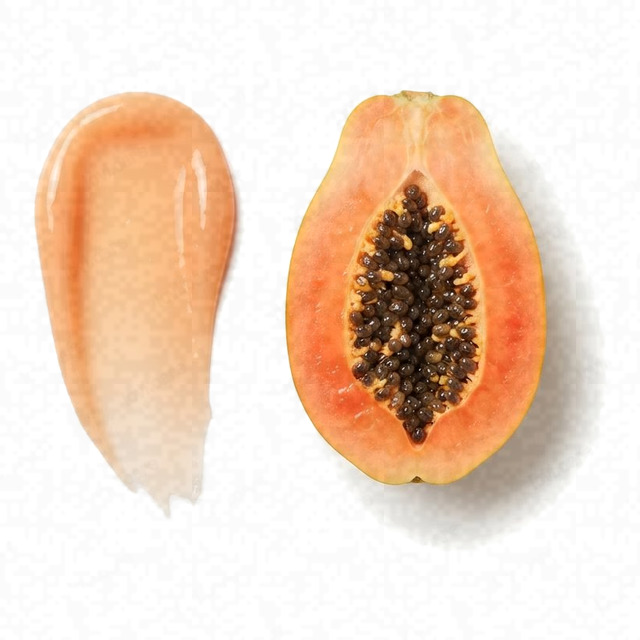 Papain
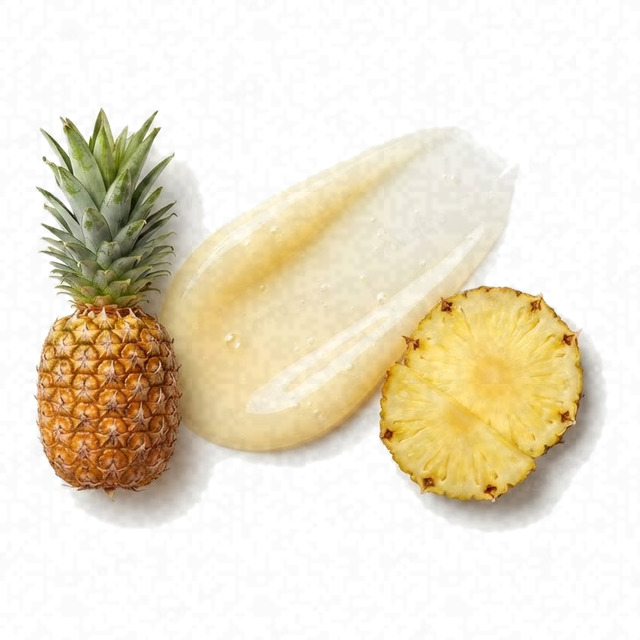 Bromelain
 Aloe Barbadensis
Average
- HighOily Skin Fit
- AverageEffectiveness
- HighSafety
Works for oily skin; other products fit it better.
This fit is calculated for the concerns frequently associated with oily skin: shine, enlarged pores, blackheads, and blemishes. For scores and recommendations based on your full skin profile, including your 12D face scan results and any goals or preferences you have, please use the Lovi app.
Page built Nov 8, 2026How the Fit score works
Lovi Assistant explains
- Offers moderate exfoliation for your oily skin due to lactic acid and salicylic acid, which smooth texture but do not sufficiently address oily shine.
- While Aloe Barbadensis Leaf Juice Powder provides soothing benefits, the formula lacks stronger seboregulating ingredients for optimal oil control.
- The product is safe for your oily skin, with no risks of irritation from harsh ingredients and the inclusion of soothing agents.
How to apply
- Use this exfoliant product as part of your PM routine once a week. Start slowly and build up frequency only if your skin tolerates it well.
- Apply the exfoliant after cleansing and toner, but right before your moisturizer.
- Gently press 2-3 drops of the exfoliant into your skin and let it absorb fully. Avoid any harsh rubbing to keep your skin calm.
- Apply the exfoliant directly onto completely dry skin to get the best balance and results. Clean, dry skin helps the product work evenly.
- Always avoid the delicate eye area when applying. Be sure to use a broad-spectrum SPF 30+ daily while using exfoliating acids.
People Say
★4.5Overall rating based on 4.2k+ reviewsBased on a very large amount of data, this treatment is widely praised for delivering instant radiance and baby soft skin through a dual-action exfoliation process. It is highly effective for smoothing texture and minimizing pores. However, users with sensitive skin frequently find the tingling sensation and potent ingredients too harsh, leading to redness or irritation.
Highlights
Instant glow Mostly Mentioned
- “Hollywood glow”
- “glass skin”
- “immediate brightness”
- “looks like a facial”
Smoother texture Mostly Mentioned
- “Baby soft”
- “polished feel”
- “makeup glides on”
- “removes dead skin”
Pore minimization Often Mentioned
- “Pores look smaller”
- “clears blackheads”
- “deep clean”
- “tightens pores”
High price point Often Mentioned
- “Very expensive”
- “pricey for size”
- “luxury splurge”
Fast results Sometimes Noted
- “Works in 2 minutes”
- “facial in a tube”
- “quick fix”
- “instant gratification”
Pleasant scent Sometimes Noted
- “Pumpkin pie”
- “cinnamon smell”
- “holiday scent”
- “spa-like aroma”
Irritation & sensitivity Sometimes Noted
- “Burning sensation”
- “redness”
- “too harsh”
- “caused a rash”
Small quantity Sometimes Noted
- “Tiny tube”
- “sample size”
- “runs out fast”
- “not enough product”
Drying effect Rarely Noted
- “Skin felt tight”
- “need heavy moisturizer”
- “flaking afterwards”
- “stripped skin”
Strong scent Rarely Noted
- “Rotting pumpkin”
- “smells like wasabi”
- “strong herbal smell”
- “weird scent”
Sources: lovi.care, sephora.com, ulta.com, spacenk.com, lovelyskin.com, and more
Questions and answers
How well does Kate Somerville ExfoliKate Intensive work for oily skin?
Kate Somerville ExfoliKate Intensive works moderately well for oily skin by using lactic acid and salicylic acid to smooth texture, though it does not sufficiently control oily shine. It is safe for this skin type with a low risk of irritation, but an exfoliant treatment for oily skin needs ingredients like niacinamide, zinc PCA, and stronger oil-controlling agents to manage excess oil and reduce shine.
Journal of Cosmetic Dermatology, 2024BioMed Research International, 2020
Which ingredients make this exfoliant a good fit for oily skin?
Lactic acid and salicylic acid make this treatment a fit by smoothing texture, while aloe barbadensis leaf juice powder offers soothing benefits. However, because it lacks strong oil-controlling ingredients, an exfoliant of this type needs ingredients like niacinamide and zinc to properly manage excess shine and large pores.
Journal of Cosmetic Dermatology, 2024BioMed Research International, 2020
What does Lactic Acid do for oily skin?
Lactic acid helps manage oily skin by significantly reducing oil production and pore size while improving moisture levels. It supports a clearer and smoother look through gentle surface renewal.
What does Salicylic Acid do for oily skin?
Salicylic acid helps oily skin by reducing excess oil and keeping pores clear. It may also improve overall skin hydration while managing breakouts.
Journal of Cosmetic Dermatology, 2025Experimental Dermatology, 2019
Where does this exfoliant go in a skincare routine for oily skin?
This exfoliant treatment goes in the evening routine, starting at once a week for oily skin. Oily skin also needs oil-controlling ingredients to manage shine.
Can I use this exfoliant with retinol, and in what order?
You can use this exfoliant with retinol, but it is best to apply them on different nights to keep your skin calm and avoid irritation. Using both strong treatments at the same time may easily overwhelm your skin barrier. Oily skin used to this type of care needs oil-controlling ingredients like salicylic acid alongside soothing agents for a better fit.
How often should I use this exfoliant?
Start using this exfoliant treatment once a week in your evening routine, and carefully use it more often only if your oily skin tolerates it well and shows good results. An average fit for oily skin like this needs stronger oil-controlling ingredients and pore-clearing support to fully manage shine.
Can this exfoliant clog pores, cause breakouts or purging for oily skin?
This exfoliant is unlikely to clog pores or cause breakouts on oily skin, as it contains lactic acid and salicylic acid to help smooth texture. However, because it lacks strong oil-controlling ingredients, oily skin of this type needs added oil-regulating ingredients to properly manage shine.
Journal of Cosmetic Dermatology, 2024BioMed Research International, 2020
Is this exfoliant fragrance-free and alcohol-free?
It contains fragrance (eugenol, limonene, and linalool) and drying alcohol (alcohol denat).
What the research says
Twice daily application of a multitargeted dermocosmetic cream provided comparable efficacy to benzoyl peroxide 5% gel in reducing inflammatory, non-inflammatory, and total lesions in 150 Caucasian subjects with mild-to-moderate acne over 56 days, while demonstrating superior skin tolerability.
Journal of Cosmetic Dermatology, 2024A moisturizer containing licochalcone A, 1,2-decanediol, L-carnitine, and salicylic acid significantly reduced noninflammatory, inflammatory, and total acne lesion counts compared to a vehicle control in Thai patients during a 12-week maintenance phase.
BioMed Research International, 2020The use of a salicylic acid-based dermocosmetic significantly reduces the needed quantity of benzoyl peroxide without impacting efficacy in mild to moderate acne, and as maintenance post-benzoyl peroxide allows a significant reduction of acne relapse compared to vehicle.
Journal of Drugs in Dermatology, 2023A cream combining propolis, tea tree oil, and Aloe vera reduced erythema scars, acne severity index, and total lesion count better than erythromycin cream in sixty patients with mild to moderate acne vulgaris compared to placebo.
Clinical Pharmacology, 2018Application of a cream containing lactic acid 12% and pramoxine HCl 1% significantly improved skin dryness, hydration, and itch compared with a nontreated control in 24 women with a history of dry itchy skin.
Cutis, 2004Topical 12% ammonium lactate produced a significant sparing of epidermal and dermal atrophy induced by clobetasol propionate in human volunteers, without influencing the corticosteroid's bioavailability or antiinflammatory properties.
Journal of the American Academy of Dermatology, 1992A lactic acid/ceramide lotion significantly improved skin moisturization and desquamation compared to no treatment in women with dry, rough skin on the anterior shins.
The Journal of Clinical and Aesthetic Dermatology, 2020Cryotherapy with liquid nitrogen achieved a higher cure rate (39%) than salicylic acid (24%) and a wait-and-see approach (16%) for cutaneous warts at 13 weeks in primary care patients.
CMAJ, 2010Treatment with 2% supramolecular salicylic acid hydrogel resulted in a regression and markedly improvement rate of 51.01% compared to 43.10% for Adapaline gel in patients with mild to moderate facial acne vulgaris, showing no significant difference in efficacy.
Journal of Cosmetic Dermatology, 2024Topical 5% benzoyl peroxide plus salicylic acid achieved the greatest lesion reduction at early 2 to 4 week time points compared to benzoyl peroxide, clindamycin, and combination benzoyl peroxide/clindamycin, while 5% benzoyl peroxide plus salicylic acid and combination benzoyl peroxide/clindamycin showed similar efficacy at 10 to 12 weeks in acne patients.
Journal of the American Academy of Dermatology, 2010Topical papain treatment may slightly decrease pain within 30 minutes in humans stung by Chrysaora chinensis compared to placebo.
Wilderness & Environmental Medicine, 2016A fixed combination of hydroxypinacolone retinoate, retinol glycospheres, and papain glycospheres in aqueous gel applied once daily for 12 weeks achieved a 41% mean reduction in GAGS score and a 40.8% mean reduction in total lesions, with 15.3% of patients experiencing mild to moderate local side effects, in 94 evaluable patients with comedonal-papular, mild to moderate acne of the face.
Giornale Italiano Di Dermatologia E Venereologia, 2015Reflux extraction of Carica papaya leaves yielded higher antioxidant capacity and superior in vitro wound-healing activities including fibroblast proliferation, cell migration, and collagen synthesis in human skin fibroblasts compared to ultrasonic-assisted extraction and agitation.
Molecules, 2020Oral bromelain slightly reduced pain compared to controls (mean difference -0.27) and topical bromelain reduced time to complete debridement by 6.89 days, with no major health risks reported.
Nutrition and Health, 2023An upcycled pineapple leaf fibre crosspolymer forms a physical barrier that protects against environmental aggressors while providing antioxidant, anti-inflammatory, antipollution, UV protection, hydration, and hair benefits.
International Journal of Cosmetic Science, 2026A coaxial electrospun core-shell nanofiber scaffold delivering bromelain and salvianolic acid B demonstrated sustained drug release, in vitro endothelial cell migration, increased capillary formation in an in ovo assay, and in vivo efficacy for skin regeneration and wound healing.
Biomedical Materials, 2017Topical aloe vera gel significantly accelerated split-thickness skin graft donor-site healing compared to placebo in 12 patients, but showed no significant difference in pain relief.
Plastic and Reconstructive Surgery, 2018Topical application of Aloe vera cream reduced postoperative pain at rest and during defecation, accelerated wound healing at two weeks, and decreased analgesic requirements in patients after open hemorrhoidectomy compared to placebo.
Journal of Alternative and Complementary Medicine, 2010Formulations containing 0.10%, 0.25%, and 0.50% freeze-dried Aloe vera extract increased stratum corneum water content compared with the vehicle in 20 female subjects, while transepidermal water loss was not modified.
Skin Research and Technology, 2006
Why other products fit oily skin better
A panthenol-enriched mask improved skin hydration, regulated sebum, and reduced redness and TEWL across dry sensitive, oily sensitive, and oily acne skin subgroups with excellent tolerance and no adverse reactions.
Journal of Cosmetic Dermatology, 2024Niacinamide and ferulic acid incorporated in a stable multiple emulsion successfully reduced melanin, sebum, and skin erythema while improving skin elasticity and hydration in human skin compared to a placebo.
BioMed Research International, 2022
Ingredients
Water, Lactic Acid, Silica, Glycine Soja Oil Soybean Oil, Pectin, Cetearyl Alcohol, Carica Papaya Fruit, Ceteareth-20, Cetyl Alcohol, Phenoxyethanol, Dehydroxanthan Gum, Glyceryl Stearate, Peg-100 Stearate, Salicylic Acid, Lactobacillus Pumpkin Extract Ferment, Alcohol Denat, Sorbic Acid, Cinnamal, Honey Mel Miel, Bergamot Oil Fruit, Eugenol, Potassium Sorbate, Limonene, Linalool, Lavandula Angustifolia Oil Lavender Oil, Beta-Carotene, Chlorophyllin-Copper Complex, Aloe Barbadensis Leaf Juice Powder, Bromelain, Papain, Retinyl Palmitate, Tocopheryl Acetate, Cinnamomum Cassia Oil Leaf, Acetic Acid, Pogostemon Cablin Oil, Geranium Oil, Rosewood Extract Wood, Citrus Aurantium Dulcis Peel Oil
Behind this fit score
Lovi calculates every fit score from the full ingredient list with brand-independent rules our dermatologists and cosmetic chemists build and review, and personalizes every pick with AI trained on the real results of millions of users. Lovi trains its fit score models on a proprietary dataset built from more than 10,000 expert-labeled products and more than 100,000 simulated examples, following an internally consistent methodology presented at Cosmoprof, AMWC, and Skin of Color Update.
-

Co-founder, Medical Director
Cosmetic chemist, cosmetologist, aesthetic products developer
-

Co-founder, CEO and CTO
PhD in computer science, 3x US patent holder, ex-Google, ex-Yandex
-

Dr. Sofía Perea Pérez, MD, MSc
Medical Board
Aesthetic medicine practitioner, MSc in Longevity and Anti-Aging Medicine
-

Medical Board
Specialist dermatologist, MBBS, MD, IFAAD
-

Medical Board
Cosmetic chemist, SCS, IFSCC member
-

Medical Board, Medical Advisor
Dermatology MD
-

Elina Nazarenko, MD
Medical Board
Dermatology and diagnostic consultant
-

Victoria Derkova, MS
Medical Board
Cosmetic chemist, cosmetic development technologist


How does it fit your skin?
Scan your face, then any product: Lovi shows how well it fits you and what fits even better.