
innisfree Green Tea Enzyme Vitamin C Brightening Serum

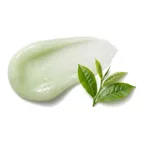 Green Tea Enzymes
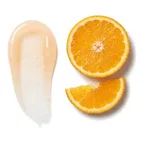 Ascorbic Acid
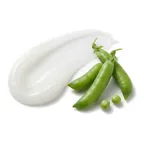 Niacinamide
 Sodium Hyaluronate
 Glutathione
Ascorbic acid and niacinamide brighten the face and control oil, so it suits oily skin, combination skin, acne-prone skin, and oily acne-prone skin best. Where to buy in Canada: Amazon.ca and Sephora, CA$43.50.
Each fit is calculated for the concerns frequently associated with that skin type. For scores and recommendations based on your full skin profile, including your 12D face scan results and goals, use the Lovi app.
Updated How the Fit score works
Where it fits best and least
Best fit Superior
Oily Skin, Combination Skin, Acne-Prone Skin, Oily Acne-Prone Skin
One of the best serums for oily skin.
- Excellent for your oily skin, this serum features high concentrations of 3-O-Ethyl Ascorbic Acid and Ascorbyl Tetraisopalmitate to effectively brighten and even your skin tone, while niacinamide and gluconolactone work synergistically to control oil production and refine pores.
Lowest fit High
Dry Skin, Sensitive Skin, Skin with Dark Spots, Mature Skin, Dry Sensitive Skin
A great choice for dry skin; a few serums fit it even better.
- Highly suitable for your dry skin, this serum effectively brightens with 3-O-Ethyl Ascorbic Acid and Ascorbyl Tetraisopalmitate, while Sodium Hyaluronate and Squalane provide deep hydration to combat dryness and flakiness.
Buy online


Prices checked 22 Nov 2026
The Lovi Fit is the same in every country; only the stores and prices differ, and the ones here are for Canada.
How to apply
- Apply this serum PM, starting 3×/week and working up to daily use as your skin adjusts.
- Place the serum after cleansing and toner, but right before your moisturizer.
- Gently press 2-3 drops of the serum into your skin and let it absorb for a minute.
- Apply the serum on slightly damp skin to help lock in extra moisture.
- Avoid the eye area and do a patch test before your first use.
People Say
★4.5Overall rating based on 1.0k+ reviewsBased on a very large amount of data, this serum is highly praised for its gentle, lightweight formula that effectively brightens dull complexions and fades dark spots without causing irritation, making it a favorite for sensitive skin. Most users report a radiant glow and improved skin texture. A small number of users experienced breakouts or found the product slightly sticky or slow to show dramatic results.
Highlights
Lightweight formula Mostly Mentioned
- “absorbs instantly”
- “watery texture”
- “not sticky”
- “lightweight formula”
- “sinks in quickly”
Brightens skin Often Mentioned
- “instant glow”
- “faded dark spots”
- “brighter complexion”
- “glass skin effect”
- “radiant look”
Gentle on skin Often Mentioned
- “no irritation”
- “good for beginners”
- “didn't burn”
- “soothing”
- “safe for sensitive skin”
Hydrating Sometimes Noted
- “hydrates deeply”
- “plumped skin”
- “doesn't feel dry”
- “moisturizing”
- “good hydration”
Improves texture Sometimes Noted
- “smoother texture”
- “softens skin”
- “refined pores”
- “even skin tone”
- “makeup applies smoothly”
Caused breakouts Rarely Noted
- “broke me out”
- “caused redness”
- “tiny bumps”
- “bad reaction”
- “irritated my skin”
Expensive Rarely Noted
- “pricey”
- “expensive for size”
- “small bottle”
- “average value”
- “finish quickly”
Slow results Rarely Noted
- “didn't do anything”
- “no difference”
- “slow progress”
- “not strong enough”
- “expected more”
Sticky residue Rarely Noted
- “tad sticky”
- “oily sheen”
- “tacky finish”
- “sticky feeling”
- “greasy residue”
Unpleasant scent Rarely Noted
- “herbal scent”
- “fragrance added”
- “smell isn't great”
- “strong scent”
- “dislike the smell”
Sources: lovi.care, sephora.com, nykaa.com, influenster.com, yesstyle.com, spacenk.com, and more
Questions and answers
What makes Innisfree Green Tea Enzyme Vitamin C Brightening Serum one of the best fits for oily skin?
Innisfree Green Tea Enzyme Vitamin C Brightening Serum is a superior fit for oily skin because it uses vitamin C to brighten your skin tone alongside niacinamide and gluconolactone to control oil and refine pores. It also includes soothing ingredients like allantoin and madecassoside to keep your oily skin comfortable and calm without irritation.
Skin Research and Technology, 2023Journal of Cosmetic Dermatology, 2020
What makes Innisfree Green Tea Enzyme Vitamin C Brightening Serum a great fit for dry skin?
Innisfree Green Tea Enzyme Vitamin C Brightening Serum is a great fit for dry skin because it combines vitamin C to brighten with Sodium Hyaluronate and Squalane to provide deep hydration that combats dryness and flakiness. Glycerin and squalane further support your skin and barrier function to keep it feeling comfortable and nourished, and it is unlikely to cause irritation.
Can I use this serum with retinol, and in what order?
You can use this serum with retinol by applying this treatment first in your evening routine, followed by your retinol. This formula is safe for your skin, with no risk of irritation due to the absence of harsh ingredients and the presence of soothing compounds.
Is this serum fragrance-free and alcohol-free?
Yes, it has no fragrance and no drying alcohol.
What makes Innisfree Green Tea Enzyme Vitamin C Brightening Serum one of the best fits for combination skin?
This serum is one of the best fits for your combination skin because ingredients like ascorbic acid and niacinamide target oily shine and brighten dark spots. At the same time, allantoin and madecassoside help calm your skin comfortably without causing irritation.
What makes Innisfree Green Tea Enzyme Vitamin C Brightening Serum a great fit for sensitive skin?
This serum is a great fit because it uses soothing ingredients like niacinamide and allantoin to calm redness and irritation while strengthening your barrier. It also includes gentle vitamin C forms like 3-O-Ethyl Ascorbic Acid and Ascorbyl Tetraisopalmitate to brighten your skin tone safely without harsh effects.
What makes Innisfree Green Tea Enzyme Vitamin C Brightening Serum one of the best fits for acne-prone skin?
This serum is one of the best fits because ascorbic acid and niacinamide calm breakouts and balance oil while brightening your skin tone. Lactobacillus lysate ferment and protease gently smooth the surface, and soothing ingredients like allantoin and madecassoside help prevent irritation on acne-prone skin.
The British Journal of Dermatology, 2002Dermatologic Therapy, 2022
What makes Innisfree Green Tea Enzyme Vitamin C Brightening Serum a great fit for skin with dark spots?
This serum is a great fit because ingredients like vitamin C forms, niacinamide, and glutathione work together to brighten and even out skin tone while reducing dark spots. At the same time, squalane and sodium hyaluronate keep normal skin nicely hydrated, and the formula has a very safe profile without harsh ingredients that might cause irritation.
Clinical, Cosmetic and Investigational Dermatology, 2014The British Journal of Dermatology, 2002
What makes Innisfree Green Tea Enzyme Vitamin C Brightening Serum one of the best fits for oily acne-prone skin?
This serum is one of the best fits for your oily acne-prone skin because niacinamide and gluconolactone help balance oil and clear pores to prevent breakouts. Vitamin C ingredients effectively brighten dark spots, while allantoin and madecassoside soothe your skin without causing irritation.
The Australasian Journal of Dermatology, 1992Molecules, 2023
What makes Innisfree Green Tea Enzyme Vitamin C Brightening Serum a great fit for mature skin?
This serum is a great fit for mature skin because its blend of vitamin C forms and ferulic acid helps smooth fine lines and make your skin tone more even. It also has a safe profile with no harsh ingredients, meaning it is unlikely to cause irritation while supporting collagen.
Dermatologic Therapy, 2022Journal of Cosmetic Dermatology, 2020
What makes Innisfree Green Tea Enzyme Vitamin C Brightening Serum a great fit for dry sensitive skin?
This serum is a great fit because it gives you radiant skin and deep hydration without any risk of irritation for your dry and sensitive skin. Ingredients like squalane and sunflower seed oil help repair your skin barrier, while glycerin and sodium hyaluronate keep your skin plump and moist.
Clinical, Cosmetic and Investigational Dermatology, 2017Journal of Cosmetic Dermatology, 2020
What the research says
Topical application of 5% vitamin C cream significantly improved global clinical scores, increased skin microrelief density, and induced elastic tissue repair in photoaged skin compared to excipient control in healthy female volunteers.
Experimental Dermatology, 2003Topical application of VC-IP cream twice daily for 8 weeks reduces periorbital wrinkles in female subjects compared to a placebo cream.
Journal of Cosmetic Dermatology, 2022Topical treatment with 5% vitamin C and 0.1% madecassoside significantly improved clinical scores for wrinkles, suppleness, firmness, roughness, and skin hydration, along with functional and structural remodeling of the elastic fiber network in 20 female volunteers with photoaged skin after 6 months compared to baseline.
Experimental Dermatology, 2008Topical nicotinamide prevented solar-simulated UV-induced immunosuppression in healthy volunteers, and men experienced immunosuppression at solar-simulated UV doses three times lower than those required for women.
The Journal of Investigative Dermatology, 2008Topical 5% niacinamide applied twice daily for 12 weeks reduced fine lines and wrinkles, hyperpigmented spots, red blotchiness, and skin sallowness, and improved skin elasticity compared to vehicle control in 50 female white subjects with facial photoaging.
Dermatologic Surgery, 2005Topical 2% niacinamide significantly decreased sebum excretion rate in Japanese individuals and casual sebum levels in Caucasian individuals compared to placebo or baseline.
Journal of Cosmetic and Laser Therapy, 2006Topical application of 0.1% hyaluronic acid formulations of different molecular weights led to significant improvements in skin hydration and elasticity, with low-molecular-weight formulations also significantly reducing wrinkle depth in seventy-six female subjects compared to a vehicle control.
Journal of Drugs in Dermatology, 2011Topical hyaluronic acid serum used twice daily by 40 females with facial photoaging produced an immediate 134% increase in skin hydration, a sustained 55% increase at week 6, and significant improvements in smoothness, plumping, fine lines, wrinkles, and global appearance without causing irritation.
Dermatology and Therapy, 2021A topical antioxidant serum significantly reduced air pollution-induced skin pigmentation and proinflammatory gene expression ex vivo, and improved skin aging signs in 40 healthy adult females after 90 days of daily use.
Journal of Cosmetic Dermatology, 2022Glutathione amino acid precursors effectively increase cellular glutathione levels, reducing oxidative stress, ATP depletion, and DNA damage in human keratinocytes, clinical subjects, and ex vivo skin compared to controls.
Journal of the European Academy of Dermatology and Venereology, 2024Topical oxidized glutathione significantly decreases the skin melanin index and improves moisture content, smoothness, wrinkle formation, and elasticity compared to placebo in healthy women.
Clinical, Cosmetic and Investigational Dermatology, 2014Topical glutathione improves hyperpigmentation, reduces ultraviolet-induced erythema and wrinkles, decreases transepidermal water loss, and enhances antioxidant capacity.
The Journal of Clinical and Aesthetic Dermatology, 2025Co-delivery of paeonol and madecassoside via nanoemulsions improved transdermal delivery, promoted barrier repair proteins, inhibited inflammatory cytokine secretion in cellular and 3D models, and reduced transepidermal water loss and acne in human facial skin compared to free components.
Molecules, 2023A topical serum containing vitamin C, vitamin E, and raspberry leaf cell culture extract improved skin color, elasticity, radiance, smoothness, scaliness, and wrinkles compared to the untreated contralateral side in fifty female volunteers.
Journal of Cosmetic Dermatology, 2020Niacinamide significantly decreased hyperpigmentation and increased skin lightness compared with vehicle alone after 4 weeks of use in women by inhibiting melanosome transfer.
The British Journal of Dermatology, 2002Treatment with 14% ferulic acid and 12% l-ascorbic acid significantly reduced pigmentation and erythema while improving hydration and elasticity in 20 women with photoaged skin, with neither acid proving definitively more effective overall though ascorbic acid showed slightly greater skin lightening.
Dermatologic Therapy, 2022A 3-in-1 anti-aging topical night serum-in-oil applied once daily decreased wrinkles by 11%, increased skin firmness by 8%, reduced redness by 70%, and improved overall skin quality and complexion in 103 female subjects over 28 to 84 days compared to baseline.
Journal of Cosmetic Dermatology, 2019A single application of a moisturizing fluid containing hyaluronic acid 1%, glycerin 5%, and Centella asiatica stem cells extract significantly increased skin hydration by 29% and reduced transepidermal water loss at 24 hours compared to baseline and an untreated control site in twenty healthy women.
Clinical, Cosmetic and Investigational Dermatology, 2017Combining 10% gluconolactone chemical peeling with oxybrasion or microneedle mesotherapy increased skin hydration and decreased sebum, pH, and TEWL in twenty-one Caucasian women, with no significant differences between the two methods.
Skin Research and Technology, 2023Gluconolactone and tartaric acid significantly lower transepidermal water loss and erythema after sodium lauryl sulphate challenge compared to vehicle, untreated control, and glycolic acid in healthy subjects.
The British Journal of Dermatology, 19973-O-ethyl ascorbic acid exerts anti-melanogenic effects via Nrf2-mediated alpha-MSH inhibition in UVA-irradiated keratinocytes and autophagy induction in melanocytes, while also inhibiting tyrosinase expression and endogenous pigmentation in a zebrafish model.
Free Radical Biology & Medicine, 2021Gluconolactone 14% solution significantly improved mild to moderate acne by reducing inflamed and non-inflamed lesions similarly to 5% benzoyl peroxide, but with fewer side-effects in 150 patients.
The Australasian Journal of Dermatology, 1992Glycolic acid, salicylic acid, gluconolactone, and licochalcone A combined with 0.1% adapalene showed no hindrance compared to adapalene monotherapy and provided benefits in reducing complications in 25 subjects with mild-to-moderate acne vulgaris.
Clinical, Cosmetic and Investigational Dermatology, 2019A nightly 3-in-1 antiaging facial serum containing melatonin, bakuchiol, and ascorbyl tetraisopalmitate produced significant global aesthetic improvement and reduced signs of skin aging in twenty-four subjects over 12 to 24 weeks.
Journal of Cosmetic Dermatology, 2020A new topical panthenol-containing emollient significantly improved transepidermal water loss reduction, stratum corneum hydration, and intercellular lipid lamellae length compared with control in healthy subjects without negatively impacting bacterial viability.
The Journal of Dermatological Treatment, 2017The ThriveCo Bumps Eraser Kit increased skin hydration by 131.75%, reduced redness by 69.30%, decreased pigmentation by 35.77%, dropped itchiness by 92.63%, improved smoothness by 55.00%, reduced roughness by 148.54%, and decreased scaliness by 87.09% without adverse effects.
Cureus, 2025Enzymatic alpha glucosylation of EGCG yielded EGCG-G1, which enhanced epidermal penetration, decreased melanogenesis through down-regulation of 13 genes including MITF, stimulated skin Lactobacillus growth, and decreased hyperpigmented spots while increasing skin brightness and homogeneity compared to EGCG and vitamin C across a large panel of phototypes.
Molecules, 2024Combining high-intensity focused ultrasound with a topical agent containing glutathione and hyaluronic acid significantly improves skin quality, fine wrinkles, hyperpigmentation, hydration, and brightness in female volunteers compared to the topical agent alone.
The Journal of Dermatological Treatment, 2024Pretreatment with a topical antioxidant mixture of vitamin C, ferulic acid, and phloretin attenuated ultraviolet-induced sunburn cell formation, thymine dimer formation, matrix metalloproteinase-9 expression, p53 protein expression, and the suppression of CD1a-expressing Langerhans cells in human skin compared to vehicle control.
Journal of Cosmetic Dermatology, 2008Topical formulations containing ascorbyl tetraisopalmitate, coenzyme Q10, green tea polyphenols, and resveratrol reduced the release of inflammatory cytokines and attenuated inflammatory signs compared to untreated skin and vehicle in 25 Japanese volunteers exposed to sodium dodecyl sulfate.
European Journal of Pharmaceutics and Biopharmaceutics, 2017
Ingredients
Water, Propanediol, 1,2-Hexanediol, Glycerin, 3-O-Ethyl Ascorbic Acid, Butylene Glycol, Lactobacillus Lysate Ferment, Squalane, Helianthus Annuus Seed Oil Sunflower Seed Oil, Dextrin, Acrylates C10-30 Alkyl Acrylate Crosspolymer, Caprylic Capric Triglyceride, Tromethamine, Xanthan Gum, Gluconolactone, Citrus Reticulata Peel Extract Tangerine Peel Extract, Panthenol, Niacinamide, Allantoin, Daucus Carota Sativa Root Extract Carrot Root Extract, Sodium Hyaluronate, Pentylene Glycol, Sodium Metaphosphate, Silica Dimethyl Silylate, Cyclodextrin, Tocopherol, Ethylhexylglycerin, Madecassoside, Hydrogenated Poly C6-20 Olefin, Protease, Ascorbyl Tetraisopalmitate, Glutathione, Achillea Millefolium Extract, Hdi Trimethylol Hexyllactone Crosspolymer, Beta-Carotene, Ferulic Acid
Behind these fit scores
Lovi calculates every fit score from the full ingredient list with brand-independent rules our dermatologists and cosmetic chemists build and review, and personalizes every pick with AI trained on the real results of millions of users. Lovi trains its fit score models on a proprietary dataset built from more than 10,000 expert-labeled products and more than 100,000 simulated examples, following an internally consistent methodology presented at Cosmoprof, AMWC, and Skin of Color Update.
-

Co-founder, Medical Director
Cosmetic chemist, cosmetologist, aesthetic products developer
-

Co-founder, CEO and CTO
PhD in computer science, 3x US patent holder, ex-Google, ex-Yandex
-

Dr. Sofía Perea Pérez, MD, MSc
Medical Board
Aesthetic medicine practitioner, MSc in Longevity and Anti-Aging Medicine
-

Medical Board
Specialist dermatologist, MBBS, MD, IFAAD
-

Medical Board
Cosmetic chemist, SCS, IFSCC member
-

Medical Board, Medical Advisor
Dermatology MD
-

Elina Nazarenko, MD
Medical Board
Dermatology and diagnostic consultant
-

Victoria Derkova, MS
Medical Board
Cosmetic chemist, cosmetic development technologist


How does it fit your skin?
Scan your face, then any product: Lovi shows how well it fits you and what fits even better.