Glytone Mild Gel Cleanser for acne-prone skin

 Glycolic Acid Pfav
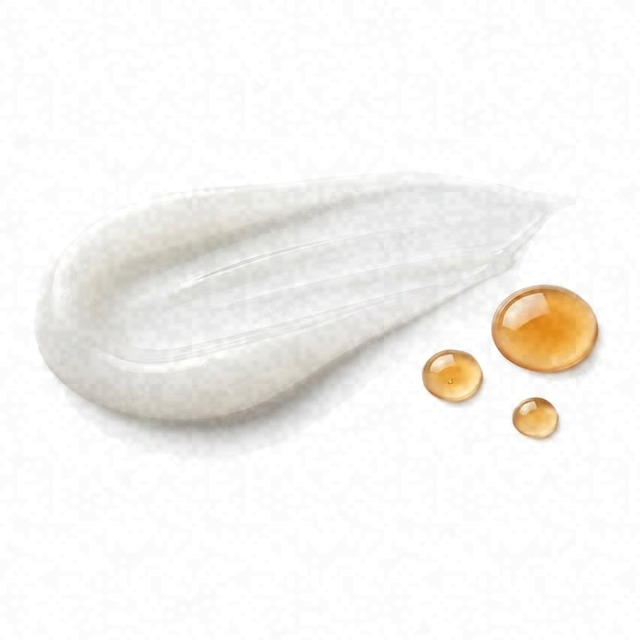 Cocamidopropyl Betaine
 Glycerin
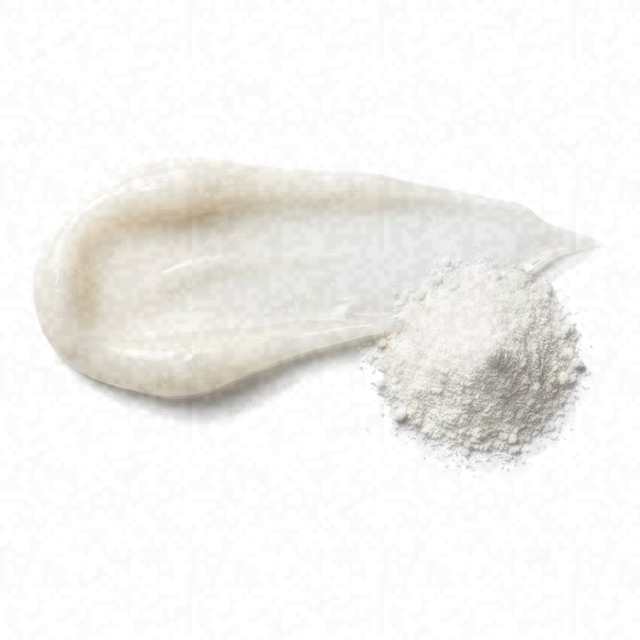 Sodium Lauryl Sulfoacetate
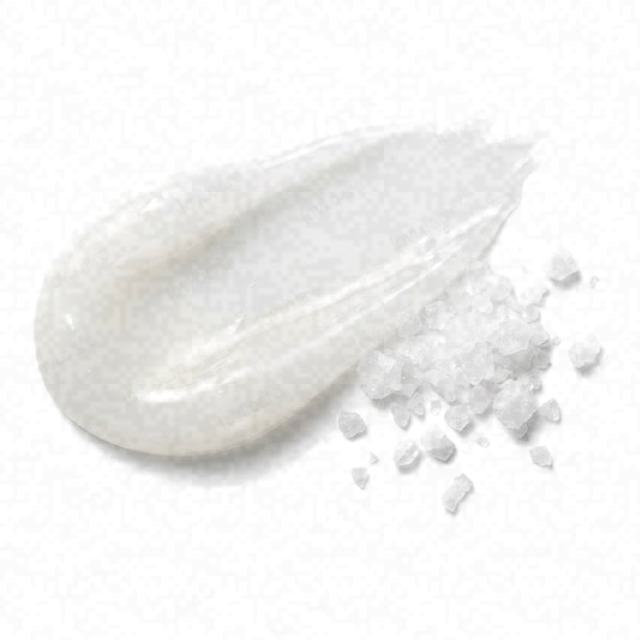 Potassium Hydroxide
Average
- HighCombination Skin Fit
- AverageEffectiveness
- HighSafety
Works for acne-prone skin; other cleansers fit it better.
- Clinical, Cosmetic and Investigational Dermatology, 2017
- Clinical, Cosmetic and Investigational Dermatology, 2019
This fit is calculated for the concerns frequently associated with acne-prone skin: breakouts, blackheads, and post-acne marks. For scores and recommendations based on your full skin profile, including your 12D face scan results and any goals or preferences you have, please use the Lovi app.
Page built Nov 8, 2026How the Fit score works
Lovi Assistant explains
- Offers moderate cleansing and exfoliation for your combination, acne-prone skin as Cocamidopropyl Betaine and Glycerin remove impurities while Glycolic Acid provides mild chemical exfoliation.
- The presence of Glycolic Acid is beneficial for keratolytic action, and Glycerin helps maintain skin hydration, aligning well with your skin type.
- The formula is safe for your skin, with no risks of irritation due to the absence of prohibited or harsh ingredients.
How to apply
- Could be used as part of your AM and PM routine. Start using it 3 times a week and build up to daily use if your skin tolerates it.
- This cleanser is the first step in your morning routine and the second step after your pre-cleanser in the evening. Always follow up with a toner and moisturizer .
- Gently massage a small amount of the cleanser onto your face in circular motions. Avoid harsh rubbing to keep your skin calm.
- Apply the cleanser on slightly damp skin to help it work effectively against breakouts. Rinse thoroughly with lukewarm water .
- Avoid the immediate eye area and do a patch test before your first use to check for any sensitivity.
People Say
★4.8Overall rating based on 500+ reviewsThis cleanser is widely celebrated by users with normal to oily and acne-prone skin for its ability to effectively exfoliate and clear pores without excessive irritation. While most find it reveals a smoother, brighter complexion, those with sensitive or dry skin types occasionally report dryness or peeling if used too frequently.
Highlights
Smoothes skin texture Mostly Mentioned
- “leaves my skin so soft”
- “skin has been so smooth”
- “removes dead skin cells”
Clears acne & pores Often Mentioned
- “keeps my pores clear”
- “good for acne control”
- “skin is really clear now”
Gentle exfoliation Often Mentioned
- “gentle yet effective”
- “doesn't bother sensitive skin”
- “gentle enough for everyday”
Brightens complexion Sometimes Noted
- “brilliant glow”
- “brightens and smooths”
- “more youthful looking”
Deeply cleanses Sometimes Noted
- “takes off all makeup”
- “feels amazingly clean”
- “removes surface debris”
Can be drying Rarely Noted
- “caused serious dry patches”
- “dries out my skin”
- “peeling around nose”
Potential irritation Rarely Noted
- “seemed a little harsh”
- “stinging sensation”
- “caused redness”
Unpleasant scent Rarely Noted
- “strong chemical smell”
- “smells like glue”
- “medicinal scent”
Sources: lovi.care, dermstore.com, lovelyskin.com, glytone.com, dermwarehouse.com, and more
Questions and answers
How well does Glytone Mild Gel Cleanser work for acne-prone skin?
Glytone Mild Gel Cleanser works reasonably well for acne-prone skin, offering moderate cleansing and mild exfoliation that helps keep skin clear without causing irritation. However, cleansers that fit this skin type better need a balanced mix of hydrating and soothing ingredients, like glycerin and aloe, to retain moisture while preventing over-drying and breakouts.
Clinical, Cosmetic and Investigational Dermatology, 2017Clinical, Cosmetic and Investigational Dermatology, 2019
Which ingredients make this cleanser a good fit for acne-prone skin?
Cocamidopropyl Betaine and Glycerin make this cleanser a good fit because they gently remove impurities while helping maintain skin hydration, and Glycolic Acid provides mild chemical exfoliation to clear pores. Cleansers that fit acne-prone skin best need a safe, gentle formulation of soothing and hydrating ingredients like aloe and glycerin that prevent over-drying while effectively clearing blemishes.
What does Glycolic Acid do for acne-prone skin?
Glycolic acid helps clear acne-prone skin by reducing blemishes and breakouts, while also improving dark spots left behind after acne clears. It works by gently removing dead surface skin cells to keep pores clean. Products of this type for acne-prone skin need soothing ingredients and gentle exfoliating acids to help control oil and breakouts without irritation.
Journal of Cosmetic Dermatology, 2021Dermatologic Surgery, 2014
What does Cocamidopropyl Betaine do for acne-prone skin?
Cocamidopropyl Betaine helps gently clean acne-prone skin by removing dirt and oil without leaving it feeling stripped or dry. When formulated thoughtfully in a cleanser, it helps maintain skin comfort while supporting your daily routine.
Where does this cleanser go in a skincare routine for acne-prone skin?
This cleanser goes in your morning and evening routine, before a hydrating toner, moisturizer, and sunscreen in the day, or a makeup remover, cleansing toner, treatment, and moisturizer at night. To work best for acne-prone skin, this type of product needs ingredients that remove impurities while providing mild chemical exfoliation and keeping the skin hydrated.
Can I use this cleanser with retinol, and in what order?
You can use this cleanser with retinol, but because it exfoliates your skin, it is best to use them on alternate nights or separate times of day to keep your skin calm. Acne-prone skin works best with cleansers that gently clear impurities while adding soothing ingredients and calming agents to prevent dryness and irritation.
How often should I use this cleanser?
You can use this cleanser daily in the morning and evening as part of your routine. This product works well for your skin by removing impurities and providing mild chemical exfoliation, though acne-prone skin often benefits even more from a cleanser that pairs mild cleansing and chemical exfoliation with ingredients that target blemishes directly.
Can this cleanser clog pores, cause breakouts or purging for acne-prone skin?
This cleanser is unlikely to clog pores or cause breakouts for acne-prone skin, as it contains gentle ingredients that clear away impurities without harshness. However, because it includes glycolic acid for mild exfoliation, it may occasionally lead to a bit of dryness rather than typical purging. Acne-prone skin generally benefits from cleansers that combine mild chemical exfoliants like glycolic acid with soothing hydrators like glycerin.
Clinical, Cosmetic and Investigational Dermatology, 2017Clinical, Cosmetic and Investigational Dermatology, 2019
Can I use this cleanser around the eyes or on my body?
This cleanser may be used on your body, but you should avoid the thin skin around your eyes. A cleanser for this area needs gentle ingredients and a soothing, hydrating formula to protect delicate skin.
Is this cleanser fragrance-free and alcohol-free?
Yes, it has no fragrance and no drying alcohol.
What the research says
A single application of a moisturizing fluid containing hyaluronic acid 1%, glycerin 5%, and Centella asiatica stem cells extract significantly increased skin hydration by 29% and reduced transepidermal water loss at 24 hours compared to baseline and an untreated control site in twenty healthy women.
Clinical, Cosmetic and Investigational Dermatology, 2017Glycolic acid, salicylic acid, gluconolactone, and licochalcone A combined with 0.1% adapalene showed no hindrance compared to adapalene monotherapy and provided benefits in reducing complications in 25 subjects with mild-to-moderate acne vulgaris.
Clinical, Cosmetic and Investigational Dermatology, 2019Repeated short-contact 70% glycolic acid peels provided superior results in atrophic acne scars compared to daily low-strength glycolic acid cream or placebo in 58 women over 24 weeks.
International Journal of Dermatology, 2000Serial glycolic acid peels combined with a modified Kligman formula significantly reduced facial PIH severity in Indian patients compared to the modified Kligman formula alone.
Dermatologic Surgery, 2017The cytotoxic effect of sodium lauryl sulphate on normal human keratinocytes was significantly decreased when combined with cocamidopropyl betaine, Tween 20, and Tween 80 at concentrations well below the critical micelle concentration.
Skin Pharmacology and Applied Skin Physiology, 2003The emollient V0034CR significantly reduced TEWL compared to vehicle and vehicle plus glycerol, and significantly increased corneometry scores compared to vehicle and vehicle plus petrolatum in healthy volunteers with dry skin, demonstrating combined barrier function improvement from petrolatum and hydration improvement from glycerol.
Journal of Cosmetic Dermatology, 2020Ten days of treatment with a cream containing 20% glycerin significantly increased skin hydration measured by corneometer values in 17 healthy volunteers compared to a placebo cream, but showed no influence on transepidermal water loss or skin sensitivity to an irritating surfactant.
International Journal of Cosmetic Science, 2001Niacinamide/glycerin body moisturizers provided better rapid and prolonged improvement of cosmetic xerosis through functional improvement of stratum corneum barrier function compared to no treatment and conventional moisturizers in female subjects.
Journal of Drugs in Dermatology, 2012Topical treatments including podophyllotoxin, sodium nitrite, myrtle leaf extract, phenol, salicylic acid with lactic acid, SB206, and VP-102 were more efficacious than control in patients with molluscum contagiosum, whereas cantharidin, potassium hydroxide, and imiquimod showed varying degrees of efficacy.
Clinics in Dermatology, 2021Topical 5% potassium hydroxide therapy demonstrated comparable efficacy to cryotherapy with a lower prevalence of side effects such as local pain and hypopigmentation in 48 immunocompetent, sexually active men with genital warts.
Anais Brasileiros de Dermatologia, 2014Topical 10% potassium hydroxide significantly increased complete clearance of molluscum contagiosum compared with placebo (RR 2.96) with similar adverse events, and showed comparable effectiveness to mechanical treatments.
The Journal of Dermatological Treatment, 2022
Ingredients
Water, Cocamidopropyl Betaine, Glycerin, Glycolic Acid, Potassium Hydroxide, Sodium Lauryl Sulfoacetate, Sodium Chloride, Disodium 2-Sulfolaurate, Sodium Methyl 2-Sulfolaurate, Sodium Sulfate, Blue 1, Green 3
Behind this fit score
Lovi calculates every fit score from the full ingredient list with brand-independent rules our dermatologists and cosmetic chemists build and review, and personalizes every pick with AI trained on the real results of millions of users. Lovi trains its fit score models on a proprietary dataset built from more than 10,000 expert-labeled products and more than 100,000 simulated examples, following an internally consistent methodology presented at Cosmoprof, AMWC, and Skin of Color Update.
-

Co-founder, Medical Director
Cosmetic chemist, cosmetologist, aesthetic products developer
-

Co-founder, CEO and CTO
PhD in computer science, 3x US patent holder, ex-Google, ex-Yandex
-

Dr. Sofía Perea Pérez, MD, MSc
Medical Board
Aesthetic medicine practitioner, MSc in Longevity and Anti-Aging Medicine
-

Medical Board
Specialist dermatologist, MBBS, MD, IFAAD
-

Medical Board
Cosmetic chemist, SCS, IFSCC member
-

Medical Board, Medical Advisor
Dermatology MD
-

Elina Nazarenko, MD
Medical Board
Dermatology and diagnostic consultant
-

Victoria Derkova, MS
Medical Board
Cosmetic chemist, cosmetic development technologist


How does it fit your skin?
Scan your face, then any product: Lovi shows how well it fits you and what fits even better.