Face Reality sal-C toner for dry sensitive skin

 Salicylic Acid
 Niacinamide
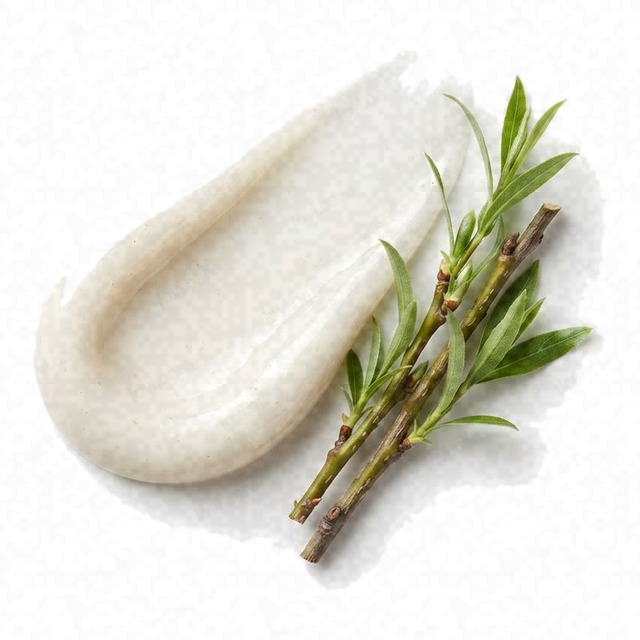 Willow Bark Extract
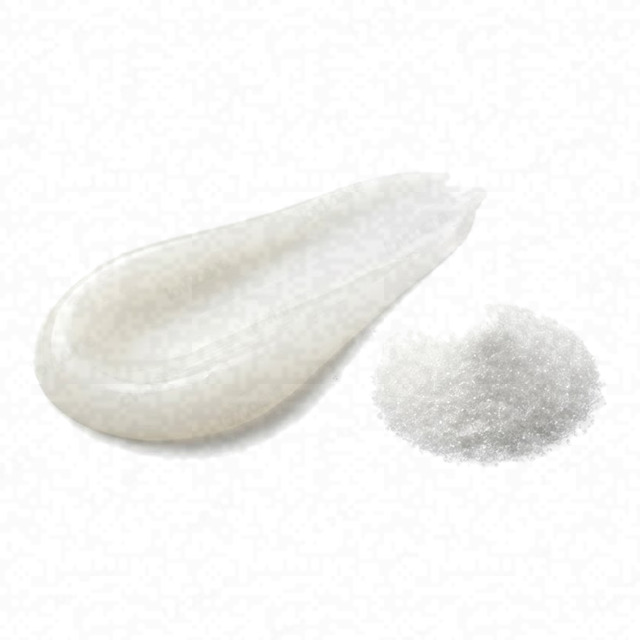 Gluconolactone
 Ascorbic Acid
Caution
- CautionDry Skin Fit
- AverageEffectiveness
- RiskySafety
A poor match for dry sensitive skin; the toners alongside fit it better.
This fit is calculated for the concerns frequently associated with dry sensitive skin: flakiness, tightness, redness, fine lines, and wrinkles. For scores and recommendations based on your full skin profile, including your 12D face scan results and any goals or preferences you have, please use the Lovi app.
Page built Nov 8, 2026How the Fit score works
Lovi Assistant explains
- Offers moderate exfoliation for your dry and sensitive skin due to salicylic acid and gluconolactone, which can provide mild chemical exfoliation but may also lead to dryness.
- The inclusion of alcohol denat alongside salicylic acid poses a risk of stripping your dry skin, even with glycerin and panthenol offering some humectant and barrier repair.
How to apply
- Use this exfoliating toner only in your PM routine, starting 1×/week since your skin is sensitive. Carefully build up frequency only if your skin feels comfortable.
- Apply the exfoliating toner after using your cleanser and before your final moisturizer. This ensures it works effectively on clean skin.
- Gently press 2-3 drops of the exfoliating toner into your skin using your hands. Avoid rubbing to prevent any irritation.
- Apply the exfoliating toner on completely dry skin to ensure better tolerance for your sensitive type. Let it absorb fully before moving to the next step.
- Do a patch test before your first use and avoid the delicate eye area. Keep this product separate from other strong acids or retinoids to protect your skin barrier.
People Say
★4.9Overall rating based on 200+ reviewsThis toner is highly effective for managing acne and improving skin texture, particularly for those with oily, combination, or acne-prone skin. Most users find it to be a gentle, non-stripping daily exfoliant that brightens the complexion. A small number of users have noted minor issues such as a slightly sticky residue or mild irritation.
Highlights
Clears acne Mostly Mentioned
- “Keeps breakouts away”
- “Promotes quick healing”
- “Manages congestion”
Non-stripping formula Often Mentioned
- “Doesn't feel stripped”
- “Gentle on skin”
- “Not overdrying”
Refines texture Often Mentioned
- “Smoother skin”
- “Improves rough spots”
- “Refines pores”
Brightens skin Sometimes Noted
- “Visibly brighten”
- “Radiant results”
- “Even skin tone”
Mild irritation Rarely Noted
- “Some mild irritation”
- “Sensitive skin reaction”
- “Need to introduce gradually”
Sticky residue Rarely Noted
- “Experience sticky feeling”
- “Leaves residue”
- “Tacky finish”
Unpleasant scent Rarely Noted
- “Only thing I don't like is the smell”
- “Scent is off-putting”
Sources: lovi.care, artofskincare.com, facerealityskincare.com, skinsort.com, youtube.com, lazskincare.com, and more
Questions and answers
Why does Lovi advise caution with Face Reality Sal-C Toner for dry sensitive skin?
This toner may strip and dry out your skin because it contains alcohol denat alongside salicylic acid and gluconolactone, which can cause irritation. To fit dry sensitive skin, a product of this type needs gentle exfoliants combined with rich hydrating agents and soothing barrier support to boost moisture without irritation.
The Journal of Dermatological Treatment, 2017Journal of Cosmetic Dermatology, 2025
Which ingredients make this toner a poor fit for dry sensitive skin?
Salicylic acid and alcohol denat make this toner a poor fit because they can strip and dry out your skin. A product for this skin needs gentle exfoliants combined with rich hydrating agents and soothing ingredients that boost moisture retention and support the skin barrier without causing irritation.
What does Salicylic Acid do for dry sensitive skin?
Salicylic acid is generally a poor fit for dry, sensitive skin because it is designed to clear out pores by removing excess oil, which can easily leave dry skin irritated. A product of this type needs gentle exfoliating helpers paired with rich, soothing moisturizers and barrier-repairing ingredients to keep dry skin calm and comfortable.
What does Niacinamide do for dry sensitive skin?
Niacinamide helps dry sensitive skin by calming irritation and keeping moisture locked in so your face feels soft and smooth. It works to build up your skin barrier and calm redness while being very gentle and unlikely to cause irritation.
Journal of Cosmetic Dermatology, 2004International Journal of Pharmaceutics, 2013
Where does this toner go in a skincare routine for dry sensitive skin?
This exfoliating toner is a poor match for dry sensitive skin because salicylic acid, gluconolactone, and alcohol denat can easily strip and dry out delicate skin. Skin like this needs gentle, alcohol-free hydrating toners with soothing ingredients and barrier-repairing elements instead.
Can I use it with retinol, and in what order?
Using this exfoliating toner with retinol requires caution on your dry and sensitive skin because combining salicylic acid and alcohol denat with retinol may easily lead to excessive dryness and irritation. If you choose to use both, apply the toner first on alternate nights when you are not using retinol, and always follow with a rich moisturizer to help soothe and protect your skin barrier.
How often should I use it?
This exfoliating toner is a poor match for your dry and sensitive skin, as salicylic acid, gluconolactone, and alcohol denat may strip and dry out your skin even with glycerin and panthenol present. When using a product of this type on dry and sensitive skin, start just once a week and carefully build up only if well tolerated, and look for a product that avoids drying alcohols while providing gentle chemical exfoliation alongside soothing and barrier-repairing ingredients.
Can it clog pores, cause breakouts or purging for dry sensitive skin?
This exfoliating toner is unlikely to clog pores, but the salicylic acid and alcohol denat may cause flaking or irritation on dry skin. To avoid this, a product for this skin needs soothing ingredients like panthenol and gentle moisturizers to keep the skin calm and comfortable.
The Journal of Dermatological Treatment, 2017Journal of Cosmetic Dermatology, 2025
Is it fragrance-free and alcohol-free?
It contains fragrance (benzyl alcohol) and drying alcohol (alcohol denat).
What the research says
A new topical panthenol-containing emollient significantly improved transepidermal water loss reduction, stratum corneum hydration, and intercellular lipid lamellae length compared with control in healthy subjects without negatively impacting bacterial viability.
The Journal of Dermatological Treatment, 2017A panthenol-enriched mask significantly decreased erythema and hyperpigmentation, increased sebum and stratum corneum moisture, and reduced transepidermal water loss compared to a saline dressing in 60 subjects undergoing facial laser treatment.
Journal of Cosmetic Dermatology, 2025Topical dexpanthenol acts as a moisturizer, improves stratum corneum hydration, accelerates wound healing and epidermal regeneration, reduces erythema, and improves symptoms of skin irritation compared to vehicle or no pretreatment.
American Journal of Clinical Dermatology, 2002Cryotherapy with liquid nitrogen achieved a higher cure rate (39%) than salicylic acid (24%) and a wait-and-see approach (16%) for cutaneous warts at 13 weeks in primary care patients.
CMAJ, 2010A moisturizer containing licochalcone A, 1,2-decanediol, L-carnitine, and salicylic acid significantly reduced noninflammatory, inflammatory, and total acne lesion counts compared to a vehicle control in Thai patients during a 12-week maintenance phase.
BioMed Research International, 2020Treatment with 2% supramolecular salicylic acid hydrogel resulted in a regression and markedly improvement rate of 51.01% compared to 43.10% for Adapaline gel in patients with mild to moderate facial acne vulgaris, showing no significant difference in efficacy.
Journal of Cosmetic Dermatology, 2024Topical post-laser application of human adipocyte-derived mesenchymal stem cell media combined with niacinamide significantly improved wrinkle index, melanin index, patient satisfaction, and investigator esthetic improvement scores compared to vehicle cream in patients with aging skin.
Journal of Cosmetic Dermatology, 2021Topical nicotinamide prevented solar-simulated UV-induced immunosuppression in healthy volunteers, and men experienced immunosuppression at solar-simulated UV doses three times lower than those required for women.
The Journal of Investigative Dermatology, 2008Topical 5% niacinamide applied twice daily for 12 weeks reduced fine lines and wrinkles, hyperpigmented spots, red blotchiness, and skin sallowness, and improved skin elasticity compared to vehicle control in 50 female white subjects with facial photoaging.
Dermatologic Surgery, 2005A botanical face cleanser with hops and willow bark extract continuously reduced skin sebum levels without reactive seborrhea after treatment in 21 healthy volunteers compared to a sodium laureth sulfate cleanser, with neither cleanser causing skin irritation.
Journal of Cosmetic Dermatology, 2019Bioactive lipid nanocarriers co-loaded with willow bark or ivy leaf extracts and UV-filters provided pronounced UVA photoprotection up to an SPF-equivalent value of 13 and a maximum in vivo skin hydration effect of 97% when prepared with pomegranate oil.
Nanomaterials, 2022A topical serum containing 0.5% salicin applied twice daily reduced visible signs of skin aging, including wrinkles and tactile roughness, in 30 female subjects over 12 weeks compared to baseline.
Journal of Cosmetic Dermatology, 2010Glycolic acid, salicylic acid, gluconolactone, and licochalcone A combined with 0.1% adapalene showed no hindrance compared to adapalene monotherapy and provided benefits in reducing complications in 25 subjects with mild-to-moderate acne vulgaris.
Clinical, Cosmetic and Investigational Dermatology, 2019Gluconolactone and tartaric acid significantly lower transepidermal water loss and erythema after sodium lauryl sulphate challenge compared to vehicle, untreated control, and glycolic acid in healthy subjects.
The British Journal of Dermatology, 1997Gluconolactone 14% solution significantly improved mild to moderate acne by reducing inflamed and non-inflamed lesions similarly to 5% benzoyl peroxide, but with fewer side-effects in 150 patients.
The Australasian Journal of Dermatology, 1992Topical application of 5% vitamin C cream significantly improved global clinical scores, increased skin microrelief density, and induced elastic tissue repair in photoaged skin compared to excipient control in healthy female volunteers.
Experimental Dermatology, 2003Ascorbic acid 2-glucoside gel significantly reduced gingival melanin pigmentation after 4 weeks compared to placebo in 73 subjects with symmetric pigmentation.
Journal of Periodontology, 2009Topical application of VC-IP cream twice daily for 8 weeks reduces periorbital wrinkles in female subjects compared to a placebo cream.
Journal of Cosmetic Dermatology, 2022
Ingredients
Water, Alcohol Denat, Glycerin, Propylene Glycol, Polysorbate 20, Gluconolactone, Salicylic Acid, Niacinamide, Benzyl Alcohol, Sodium Benzoate, Caprylhydroxamic Acid, Benzoic Acid, Willow Bark Extract, Panthenol, Ascorbic Acid, Beta-Carotene
Behind this fit score
Lovi calculates every fit score from the full ingredient list with brand-independent rules our dermatologists and cosmetic chemists build and review, and personalizes every pick with AI trained on the real results of millions of users. Lovi trains its fit score models on a proprietary dataset built from more than 10,000 expert-labeled products and more than 100,000 simulated examples, following an internally consistent methodology presented at Cosmoprof, AMWC, and Skin of Color Update.
-

Co-founder, Medical Director
Cosmetic chemist, cosmetologist, aesthetic products developer
-

Co-founder, CEO and CTO
PhD in computer science, 3x US patent holder, ex-Google, ex-Yandex
-

Dr. Sofía Perea Pérez, MD, MSc
Medical Board
Aesthetic medicine practitioner, MSc in Longevity and Anti-Aging Medicine
-

Medical Board
Specialist dermatologist, MBBS, MD, IFAAD
-

Medical Board
Cosmetic chemist, SCS, IFSCC member
-

Medical Board, Medical Advisor
Dermatology MD
-

Elina Nazarenko, MD
Medical Board
Dermatology and diagnostic consultant
-

Victoria Derkova, MS
Medical Board
Cosmetic chemist, cosmetic development technologist


How does it fit your skin?
Scan your face, then any product: Lovi shows how well it fits you and what fits even better.