
Dermisa Skin Fade Cream

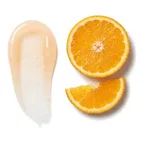 Ascorbic Acid
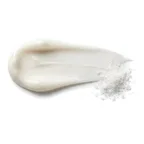 Hydroquinone
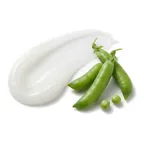 Niacinamide
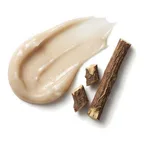 Licorice Root Extract
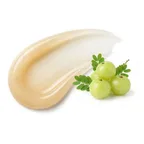 Phyllanthus Emblica Fruit Extract
Niacinamide, hydroquinone, and ascorbic acid help to brighten the skin, so it suits most skin types. For skin that needs soothing, serums with panthenol and madecassoside get higher fit scores. Where to buy in Canada: Amazon.ca, CA$67.23.
Each fit is calculated for the concerns frequently associated with that skin type. For scores and recommendations based on your full skin profile, including your 12D face scan results and goals, use the Lovi app.
Updated How the Fit score works
Where it fits best and least
Best fit Average
Oily Skin, Combination Skin, Sensitive Skin, Acne-Prone Skin, Skin with Dark Spots, Mature Skin, Oily Acne-Prone Skin
Works for oily skin; other serums fit it better.
- Offers moderate suitability for your oily skin, as niacinamide and Phyllanthus Emblica Fruit Extract help to even skin tone and provide some seboregulation. However, the formula lacks more potent ingredients for optimal oil control, and the presence of ethanol may cause mild irritation.
Lowest fit Low
A weak match for dry skin.
- Offers moderate hydration for your dry skin due to the presence of caprylic capric triglyceride and dimethicone, which provide emollient and occlusive actions, but it lacks sufficient humectants for optimal hydration.
Buy online

Prices checked 22 Nov 2026
The Lovi Fit is the same in every country; only the stores and prices differ, and the ones here are for Canada.
How to apply
- Apply this serum PM, starting 3×/week and working up to daily use as your skin adjusts.
- Place the serum after cleansing and toner, but right before your moisturizer.
- Gently press 2-3 drops of the serum into your skin and let it absorb for a minute.
- Apply the serum on slightly damp skin to help lock in extra moisture.
- Avoid the eye area and do a patch test before your first use.
People Say
★3.4Overall rating based on 400+ reviewsUsers report mixed results with this skin fade cream, with many appreciating its lightweight, non-greasy texture and suitability for various skin types. However, a significant number of users note that results for hyperpigmentation, acne scars, and sunspots are often subtle or require long-term, consistent use to become visible.
Highlights
Lightweight, non-greasy texture Often Mentioned
- “Texture felt good on my skin.”
- “Light, non-oily formula.”
- “Absorbs well without feeling heavy.”
Slow or minimal results Often Mentioned
- “Did not notice a significant change.”
- “Reduction in dark spots was minimal.”
- “Results did not meet my expectations.”
Gentle on skin Sometimes Noted
- “My skin is very sensitive and I have no negative reactions.”
- “Non-irritating formula.”
- “Suitable for all skin types.”
Good under makeup Sometimes Noted
- “Can be used under makeup.”
- “Works well with my daily routine.”
- “Doesn't interfere with other products.”
Improves skin tone Sometimes Noted
- “Helped even out my skin tone.”
- “Skin tone looked more even over time.”
- “Helps to brighten the skin.”
Not for severe spots Sometimes Noted
- “Not strong enough for serious discoloration.”
- “Didn't work on my deeper spots.”
- “Formula has limitations for severe hyperpigmentation.”
Potential for breakouts Rarely Noted
- “Caused breakouts for me.”
- “Experienced some skin irritation.”
- “Not suitable for my acne-prone skin.”
Sources: lovi.care, target.com, walgreens.com, walmart.com, consumerhealthdigest.com, healthwebmagazine.com, and more
Questions and answers
How well does Dermisa Skin Fade Cream work for oily skin?
Dermisa Skin Fade Cream is an average fit for oily skin because niacinamide and Phyllanthus Emblica Fruit Extract help even skin tone and manage oil, though it lacks stronger ingredients for oil control and contains ethanol that may cause mild irritation. To work best for oily skin, a treatment of this type needs effective oil-controlling ingredients like niacinamide, soothing extracts, and skin-balancing components that manage excess oil without clogging pores or causing breakouts.
Journal of Traditional and Complementary Medicine, 2021The British Journal of Dermatology, 2002
How well does Dermisa Fade Cream work for skin with dark spots?
Dermisa Skin Fade Cream works moderately well for skin with dark spots, helping to even your skin tone while offering mild brightening effects. Because it lacks sufficient moisture and may occasionally cause irritation, a product of this type needs a blend of effective antioxidants, soothing ingredients, and plenty of hydrating components to truly thrive.
Why is Dermisa Skin Fade Cream a weak match for dry skin?
Dermisa Skin Fade Cream is a weak match for your dry skin because it offers only moderate hydration and lacks sufficient moisture-binding ingredients. A product of this type needs rich hydrating ingredients, soothing components, and skin-barrier supporters like ceramides, peptides, and propolis to properly care for dry skin.
Is it fragrance-free and alcohol-free?
It has no fragrance and contains drying alcohol (ethanol).
How well does Dermisa Skin Fade Cream work for combination skin?
Dermisa Skin Fade Cream works moderately well for combination skin by evening skin tone and providing basic hydration, though ethanol and ascorbic acid may cause slight irritation. Treatments that fit combination skin better need ingredients like niacinamide, propolis, or zinc PCA to regulate oiliness and provide hydration without overwhelming oilier areas.
The British Journal of Dermatology, 2002Journal of Traditional and Complementary Medicine, 2021
Why is Dermisa Skin Fade Cream a weak match for dry sensitive skin?
Dermisa Skin Fade Cream is a weak match because hydroquinone and ethanol pose major risks of worsening irritation, and the formula lacks sufficient hydrating ingredients for dry skin. Treatments that fit this skin well need effective moisturizing ingredients that provide deep hydration and skin barrier support without any risk of irritation.
How well does Dermisa Skin Fade Cream work for sensitive skin?
This cream works for sensitive skin, though other products fit it better because it lacks enough hydrating ingredients to properly calm redness and irritation, and the alcohol and vitamin C in it carry a slight risk of stinging. A treatment of this type needs soothing extracts and plenty of hydrating components to keep sensitive skin calm and comfortable.
The British Journal of Dermatology, 2002Journal of Traditional and Complementary Medicine, 2021
How well does Dermisa Skin Fade Cream work for acne-prone skin?
Dermisa Skin Fade Cream works moderately well for acne-prone skin, helping even skin tone and regulate oil production, though it lacks specialized ingredients to target breakouts. An ideal product of this type for acne-prone skin needs ingredients like niacinamide, propolis, or zinc PCA that target blemishes while keeping skin balanced and hydrated without causing irritation.
How well does Dermisa Skin Fade Cream work for mature skin?
Dermisa Skin Fade Cream is an average fit for mature skin, providing moderate brightening while leaving wrinkles largely unaddressed. To work best for this skin type, a treatment needs high concentrations of potent antioxidants, robust hydrating ingredients, and nourishing oils and peptides that smooth fine lines safely and effectively.
Journal of Traditional and Complementary Medicine, 2021Journal of Cosmetic Dermatology, 2020
How well does Dermisa Skin Fade Cream work for oily acne-prone skin?
Dermisa Skin Fade Cream is an average fit for oily acne-prone skin, offering moderate skin brightening while lacking sufficient oil-controlling and breakout-targeted ingredients. To work best for this skin type, a treatment of this kind needs ingredients that control excess oil and target acne while keeping skin calm and clear.
The British Journal of Dermatology, 2002Journal of Traditional and Complementary Medicine, 2021
What the research says
Topical application of a 0.1% amla branch extract gel demonstrated superior anti-skin aging efficacy, including skin lightening, enhanced elasticity and hydration, and wrinkle reduction in 20 volunteers compared to a placebo over 84 days.
Journal of Traditional and Complementary Medicine, 2021Topical application of 5% vitamin C cream significantly improved global clinical scores, increased skin microrelief density, and induced elastic tissue repair in photoaged skin compared to excipient control in healthy female volunteers.
Experimental Dermatology, 2003Topical application of VC-IP cream twice daily for 8 weeks reduces periorbital wrinkles in female subjects compared to a placebo cream.
Journal of Cosmetic Dermatology, 2022Topical treatment with 5% vitamin C and 0.1% madecassoside significantly improved clinical scores for wrinkles, suppleness, firmness, roughness, and skin hydration, along with functional and structural remodeling of the elastic fiber network in 20 female volunteers with photoaged skin after 6 months compared to baseline.
Experimental Dermatology, 2008Topical hydroquinone is an effective compound for treating hyperpigmentation disorders and can be combined with other therapies for enhanced results, though it is not without side effects.
Cureus, 2023Topical nicotinamide prevented solar-simulated UV-induced immunosuppression in healthy volunteers, and men experienced immunosuppression at solar-simulated UV doses three times lower than those required for women.
The Journal of Investigative Dermatology, 2008Topical 5% niacinamide applied twice daily for 12 weeks reduced fine lines and wrinkles, hyperpigmented spots, red blotchiness, and skin sallowness, and improved skin elasticity compared to vehicle control in 50 female white subjects with facial photoaging.
Dermatologic Surgery, 2005Topical 2% niacinamide significantly decreased sebum excretion rate in Japanese individuals and casual sebum levels in Caucasian individuals compared to placebo or baseline.
Journal of Cosmetic and Laser Therapy, 2006Combining 755 nm alexandrite laser with topical licorice gel significantly reduces terminal hair counts compared to alexandrite laser with placebo in women with idiopathic hirsutism.
Evidence-based Complementary and Alternative Medicine, 2015Licochalcone A activated Nrf2 signaling, elevated cytoprotective enzymes, increased the reduced-to-oxidized glutathione ratio, and decreased reactive oxygen species in human fibroblasts and neutrophils, while a LicA-rich licorice extract lowered UVA-induced oxidative processes in vivo.
Experimental Dermatology, 2015Mesoporous silica nanoparticles entrapping licorice polysaccharide and coated with polydopamine showed 76% entrapment efficiency, 89% in vitro release at pH 5, increased sebocytes' cellular uptake, and mediated inflammatory response by inhibiting pro-inflammatory cytokines and regulating anti-inflammatory cytokines.
Carbohydrate Polymers, 2024Phyllanthus emblica L. fruit extract protected HaCaT keratinocytes from UVB-induced inflammation and apoptosis by increasing cell viability, reducing oxidative stress, and inhibiting inflammatory mediators.
Antioxidants, 2021Pre-treatment with Phyllanthus emblica Linn. fruit extract prevented UVA- and UVB-induced photoaging and injury in HaCaT keratinocytes by activating the ERK/TGF-β/Smad pathway and inhibiting the MAPK/AP-1 pathway, respectively.
Photochemical & Photobiological Sciences, 2023Niacinamide significantly decreased hyperpigmentation and increased skin lightness compared with vehicle alone after 4 weeks of use in women by inhibiting melanosome transfer.
The British Journal of Dermatology, 2002Emblica officinalis fruit extract at 10-40 Γ%%%%g/mL effectively inhibits UVB-induced photo-aging in human skin fibroblasts by stimulating cellular proliferation, protecting pro-collagen 1 through MMP-1 inhibition, inhibiting hyaluronidase, and restoring UVB-disturbed cell cycles.
Journal of Ethnopharmacology, 2010A topical serum containing vitamin C, vitamin E, and raspberry leaf cell culture extract improved skin color, elasticity, radiance, smoothness, scaliness, and wrinkles compared to the untreated contralateral side in fifty female volunteers.
Journal of Cosmetic Dermatology, 2020Topical treatment of nicotinamide, alone or in combination with other active ingredients, reduces the progression of skin aging and hyperpigmentation in clinical trials while being well tolerated.
Antioxidants, 2021Topical application of an emollient emulsion containing 15.0% caprylic/capric triglyceride doubled the amount of urocanic acid isomers and increased skin hydration with reduced transepidermal water loss in healthy subjects, though it did not prevent ultraviolet-induced urocanic acid isomerization.
Life, 2023Glabridin-encapsulated liposomes conjugated with palmitoyl tripeptide-8 improved skin permeation, enhanced cellular uptake, and achieved superior skin-whitening effects by targeting the melanocortin 1 receptor compared to pure glabridin and un-targeted mixtures.
Colloids and Surfaces. B, Biointerfaces, 2025Hydroquinone in concentrations above 4% and in treatment courses longer than 3 months is associated with new-onset ochronosis in patients presenting with facial blue-black or gray-blue macules.
International Journal of Dermatology, 2022Ethanol enhances skin lipid bilayer permeability through the dual actions of lipid extraction and increasing lipid chain mobility, driven by its superior ability to form hydrogen bonds with lipid headgroups.
RSC Advances, 2020Cyclosporin A vesicles containing 10% ethanol showed a 4.4-fold higher deposition into the stratum corneum of human abdominal skin compared to vesicles prepared without ethanol.
Journal of Controlled Release, 2004
Ingredients
Water, Glyceryl Stearate, Peg-100 Stearate, Niacinamide, Caprylic Capric Triglyceride, Propylene Glycol, Stearic Acid, Cetyl Alcohol, Stearyl Stearate, Ethylhexyl Methoxycinnamate, Phenoxyethanol, Benzoic Acid, Ethylhexylglycerin, Glycereth-2 Cocoate, Phyllanthus Emblica Fruit Extract, Ethanol, Dimethicone, Xanthan Gum, Sorbic Acid, Ascorbic Acid, Tocopheryl Acetate, Aminomethyl Propanol, Glycyrrhiza Glabra Root Extract Licorice Root Extract, Hydroquinone, Octyl Dimethyl Paba
Behind these fit scores
Lovi calculates every fit score from the full ingredient list with brand-independent rules our dermatologists and cosmetic chemists build and review, and personalizes every pick with AI trained on the real results of millions of users. Lovi trains its fit score models on a proprietary dataset built from more than 10,000 expert-labeled products and more than 100,000 simulated examples, following an internally consistent methodology presented at Cosmoprof, AMWC, and Skin of Color Update.
-

Co-founder, Medical Director
Cosmetic chemist, cosmetologist, aesthetic products developer
-

Co-founder, CEO and CTO
PhD in computer science, 3x US patent holder, ex-Google, ex-Yandex
-

Dr. Sofía Perea Pérez, MD, MSc
Medical Board
Aesthetic medicine practitioner, MSc in Longevity and Anti-Aging Medicine
-

Medical Board
Specialist dermatologist, MBBS, MD, IFAAD
-

Medical Board
Cosmetic chemist, SCS, IFSCC member
-

Medical Board, Medical Advisor
Dermatology MD
-

Elina Nazarenko, MD
Medical Board
Dermatology and diagnostic consultant
-

Victoria Derkova, MS
Medical Board
Cosmetic chemist, cosmetic development technologist


How does it fit your skin?
Scan your face, then any product: Lovi shows how well it fits you and what fits even better.